What to Eat After Getting Dental Implants: A Complete Guide to Post-Surgery Diet and Recovery
Dental implant recovery requires deliberate dietary choices that protect the surgical site and supply the nutrients needed for bone and soft-tissue healing. This guide explains what to eat after getting dental implants, why certain foods speed or slow recovery, and how to progress safely from a liquid diet to normal textured meals while minimizing complications. Readers will learn stage-based recommendations for the first 24–48 hours, soft-food strategies during weeks 1–2, and stepwise transitions through weeks 3–6, with practical meal ideas and recipes. You will also find clear lists of foods to avoid, an evidence-oriented explanation of how protein, vitamin C, vitamin D, and calcium support osseointegration, and example meal plans tailored to recovery phases. Throughout the article, we integrate keywords such as post dental implant diet, soft foods after dental implants, and hydration after dental implant surgery to help you find actionable, trustworthy advice that matches current research and clinical practice.
What Can I Eat Immediately After Dental Implant Surgery?
Immediate post-op nutrition focuses on protecting the surgical site while preventing dehydration and providing basic calories and protein. In the first 24–48 hours, the priority is no-chew, cool or lukewarm liquids and blended foods that do not require suction so that the blood clot and initial healing are preserved. Gentle nourishment reduces infection risk, supplies energy for the immune response, and keeps you comfortable while pain and swelling peak. The next subsections list safe options, explain why straws and hot foods are risky, and emphasize hydration tactics to support early healing.
Which Liquids and No-Chew Foods Are Safe Right After Surgery?
Safe immediate options include broths, nutrient-dense smoothies, strained soups, yogurt, applesauce, and protein drinks made to be swallowable without chewing. These choices provide calories, electrolytes, and some protein while minimizing mechanical disturbance to stitches or the implant site. When preparing smoothies or soups, strain or blend thoroughly to remove seeds and chunks, cool to lukewarm, and favor higher-protein ingredients like Greek yogurt or protein powder to support tissue repair. These no-chew foods help you meet basic energy needs until you can tolerate softer solids, which we discuss next.
Suggested immediate options:
Warm (not hot) bone broth or strained vegetable broth: hydrates and supplies amino acids.
Protein smoothie (seed-free): combines yogurt or protein powder with soft fruit and milk.
Applesauce or plain yogurt: easy to swallow and gentle on tissues.
These no-chew options provide energy and protein while you avoid chewing stresses that delay recovery.
Why Should I Avoid Straws and Hot Foods in the First 48 Hours?
Suction from straws can create negative pressure inside the mouth that dislodges blood clots and increases the risk of dry socket or delayed healing, while hot foods increase bleeding and inflammation at the surgical site. For this reason, most clinicians advise avoiding straws and hot beverages for at least 24–72 hours after surgery and avoiding vigorous rinsing or spitting. If you need to drink, sip slowly from a cup, use a spoon for soups, and let liquids cool to lukewarm to avoid heat-induced vasodilation and bleeding. These precautions protect the clot and reduce complications so you can transition more quickly to nutrient-dense soft foods later.
How Does Hydration Support Early Dental Implant Recovery?
Hydration maintains blood volume, supports nutrient transport, and helps the immune system function efficiently during tissue repair, making consistent fluid intake essential after implant surgery. Aim for frequent small sips of water, diluted electrolyte drinks if advised, and hydrating broths while avoiding alcohol and very sugary beverages that can irritate tissue or feed bacteria. Watch for signs of dehydration—dry mouth, dark urine, lightheadedness—and sip regularly even if appetite is low; take medications with sufficient fluids as recommended. Proper hydration also reduces swelling and supports comfort, preparing you for the next stage of soft foods during weeks 1–2.
What Soft Foods Are Recommended During the First 1–2 Weeks After Dental Implants?
A soft-food diet in week 1–2 prioritizes protein and micronutrients while minimizing chewing forces that could traumatize the implant area. During this phase, choose foods that are mashable, pureed, or naturally soft and nutrient-dense so the body receives building blocks for collagen and bone formation without mechanical stress. Proper preparation—steaming, mashing, or pureeing—preserves nutrients and makes textures safe; include high-protein options at each meal to support osseointegration and immune defenses. The next subsections cover protein-rich soft foods, essential vitamins and minerals, and practical preparation techniques for nutritious soft meals.
Which Protein-Rich Soft Foods Help Promote Osseointegration?
Protein supplies amino acids essential for collagen synthesis and immune function, so include soft proteins like scrambled eggs, Greek yogurt, silken tofu, well-flaked fish, and blended legumes throughout the day. Typical protein contributions are roughly 15–20 g from a cup of Greek yogurt, 6–12 g from two scrambled eggs, 8–10 g from 100 g silken tofu, and 15–20 g from a small portion of soft-cooked fish; combining these across meals helps reach recovery targets. If appetite is limited, add unflavored or mild protein powder to smoothies or stir nut butters into mashed purees if textures permit. Regular protein distribution across meals accelerates tissue repair and supports bone fusion around the implant.
Ways to boost protein intake safely:
Add protein powder to smoothies: increases amino-acid supply without extra chewing. Choose Greek yogurt or cottage-style soft cheeses: concentrated protein in soft textures. Include soft legumes or silken tofu: plant-based options that mash smoothly.
These strategies help you meet recommended protein targets while staying within safe texture limits.
What Vitamins and Minerals Should I Include in My Soft Food Diet?
Key micronutrients for healing include vitamin C for collagen synthesis, vitamin D to support calcium metabolism, calcium for bone mineralization, and zinc for immune function and tissue repair; choose soft-food sources that supply these nutrients without irritating the mouth. Vitamin C can come from blended berries or steamed pureed vegetables—avoid very acidic citrus right away—and vitamin D is present in fortified yogurts and eggs, while calcium is abundant in yogurt, soft cheeses, and silken tofu. If intake is limited by appetite or dietary restrictions, discuss supplementation with your dental or medical provider to ensure safe and adequate levels during recovery. Balancing these micronutrients within a soft-food framework supports efficient osseointegration and wound healing.
Evidence suggests that a variety of dietary components, including macronutrients and micronutrients, are integral for optimal periodontal health and have the potential to accelerate oral wound healing after periodontal procedures.
Dietary Strategies for Optimal Wound Healing After Dental Implant Surgery
Methods to optimize healing through dietary strategies present an attractive option for patients, such that healing from delicate oral surgeries occurs as optimally as possible with minimal patient-meditated complications through improper food choices. This review discusses findings from studies that have investigated the role of diet, either whole foods or individual dietary components, on periodontal health and their potential role in wound healing after periodontal surgery. To date, research in this area has largely focused on foods or individual dietary components that may attenuate inflammation or oxidant stress, or foster de novo bone formation. These studies suggest that a wide variety of dietary components, including macronutrients and micronutrients, are integral for optimal periodontal health and have the potential to accelerate oral wound healing after periodontal procedures. Moreover, this review provides guidance regarding dietary considerations that may help a pat
Dietary strategies to optimize wound healing after periodontal and dental implant surgery: an evidence-based review, PC Fritz, 2013
How Can I Prepare Easy and Nutritious Soft Food Meals?
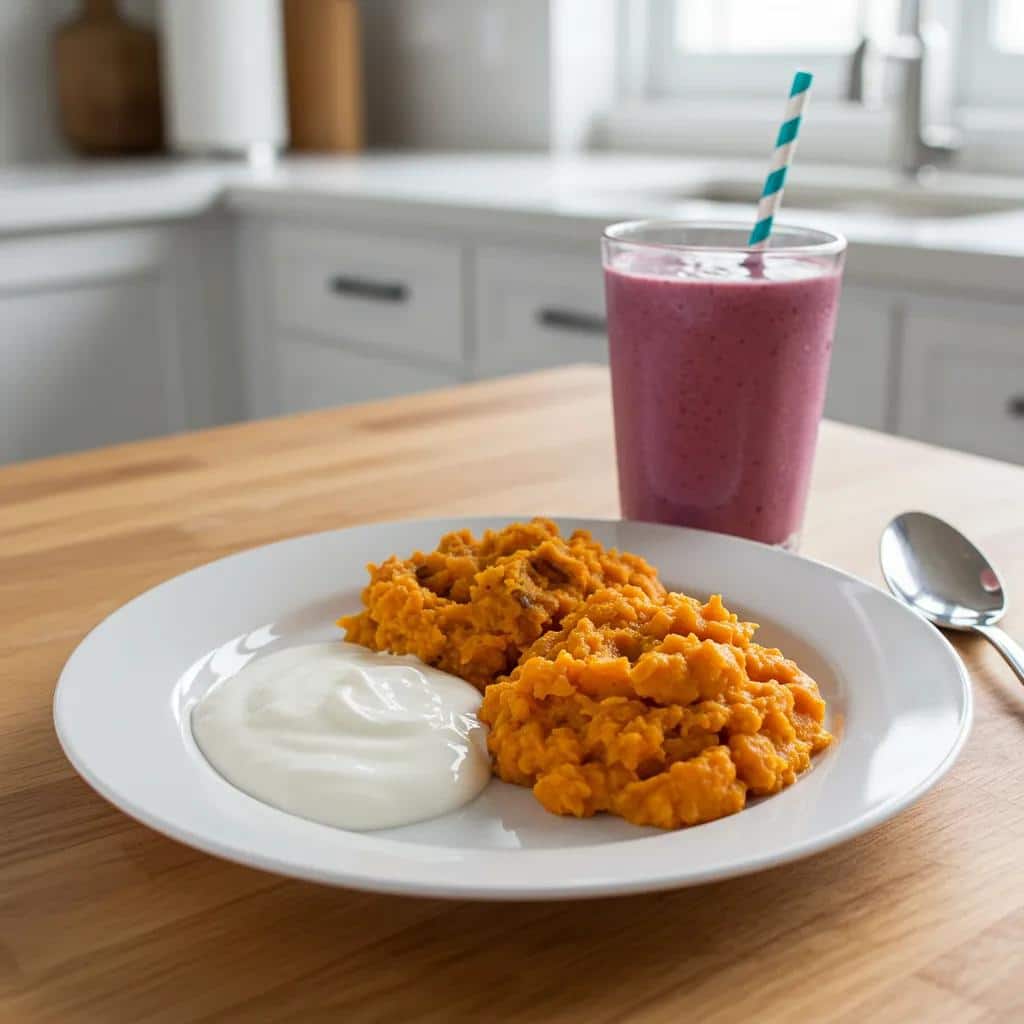
Batch-prep techniques—making large batches of strained soups, pureed vegetable mixes, and protein smoothies—save effort while ensuring nutrient quality across recovery days. Simple recipes include a blended chicken-and-vegetable soup strained for smoothness, a high-protein yogurt smoothie with soft banana and protein powder, and mashed sweet potato mixed with soft ricotta for extra protein and vitamin A. Store single-serving portions in the refrigerator or freezer for quick reheating to lukewarm temperatures, and use broths or milk to adjust viscosity safely. These preparation habits maintain dietary variety and nutrient density without requiring chewing, and they set the stage for gradual texture progression in later weeks.
How Do I Transition to Solid Foods After Dental Implants?
Transitioning to textured foods should be staged, conservative, and guided by healing markers such as reduced pain and swelling rather than fixed calendar dates. A cautious timeline typically begins with semi-soft foods around week 2 and moves toward normal textured foods by weeks 4–6 if comfort, minimal bleeding, and dentist clearance allow; individual recovery and any bone grafting or complications may require slower progression. The goal is gradual reintroduction of firmness while avoiding direct chewing on the implant side and monitoring for discomfort or signs of infection. The subsections below give practical readiness cues, examples of semi-soft choices, and precautions to prevent complications during reintroduction.
When Is It Safe to Introduce Semi-Soft and Normal Textured Foods?
Readiness indicators include consistent reduction in pain and swelling, absence of active bleeding, and functional comfort when applying mild pressure to the area; many patients start semi-soft foods between 10–14 days, but dentist confirmation is important before major changes. If you feel any sharp pain, persistent bleeding, or increased mobility around the implant, pause progress and contact your provider; these signs suggest the tissue or osseointegration process may need more time. Always try small, well-cooked portions first, chew away from the implant side, and progress slowly to assess tolerance. A conservative stepwise approach reduces the risk of mechanical disruption and supports long-term implant stability.
What Are Examples of Semi-Soft Foods That Support Healing?
Semi-soft nutritious options include well-cooked pasta in creamy sauces, moist risottos, tender flaked fish, soft-cooked grains like oatmeal or congee, and stewed fruit without skins; these provide calories, protein, and micronutrients while requiring minimal chewing. Prepare foods with extra moisture—sauces, broths, or purees—to reduce shear forces during chewing and cut items into small, manageable pieces to test tolerance safely. Avoid tough or fibrous preparations; instead, favor slow-cooked, braised, or steamed techniques that break down connective tissue and soften textures. These choices help restore dietary variety while protecting the implant region as bone healing continues.
How Can I Avoid Complications While Returning to Normal Eating?
Prevention strategies include always chewing on the opposite side, testing new textures in small amounts, maintaining meticulous oral hygiene suited to post-op guidance, and watching for increased pain, swelling, pus, or mobility that warrant prompt evaluation. Use soft brushes or saline rinses as advised to keep the area clean, and avoid biting directly into hard foods even after you resume more regular textures. Document any concerning symptoms and the foods that triggered them to share with your dental team, which helps troubleshoot and prevents setbacks. Staying cautious during this transition protects the implant and helps ensure successful osseointegration.
What Foods Should I Avoid After Getting Dental Implants?
Avoidance focuses on categories that mechanically or chemically disrupt healing: hard/crunchy items, sticky foods, spicy/acidic foods, high-sugar drinks, alcohol, and anything that requires suction like straws; each poses a different mechanism of harm. Hard or crunchy foods can physically displace clots or stress the implant, sticky foods can adhere to sutures and introduce bacteria, and spicy or acidic items can inflame healing tissues. Alcohol impairs immune response and may interact with medications, while sugary drinks promote bacterial growth that increases infection risk. The next subsections explain these mechanisms with practical timeframes and safer alternatives.
Why Are Hard, Crunchy, Sticky, and Spicy Foods Harmful?
Hard and crunchy foods risk mechanical trauma that can dislodge clots and impede tissue approximation, while sticky foods like caramels or certain candies can adhere to sutures and increase bacterial colonization. Spicy foods and strong acids can irritate mucosal tissue and provoke pain or inflammation that slows healing and reduces appetite. Recommended timeframes often include avoiding hard/crunchy items for at least 4–6 weeks and being cautious with sticky and spicy foods until the soft tissue and bone show clear signs of integration and comfort. Choosing mashed, pureed, or soft-cooked alternatives reduces these mechanical and inflammatory risks.
Foods to avoid initially include:
Nuts, chips, and hard candy: mechanical risk to the surgical site. Sticky sweets and gum: cling to tissue and sutures, increasing bacterial load. Very spicy or highly acidic foods: irritate mucosa and can exacerbate pain.
Choosing soft-safe substitutes reduces complications while preserving nutrition.
How Do Acidic, Sugary, and Alcoholic Beverages Affect Healing?
Acidic foods and beverages can sting open wounds and disrupt clot stability, while high-sugar drinks feed oral bacteria that raise infection risk during the vulnerable early healing window. Alcohol both impairs immune function and can thin the blood, increasing bleeding and slowing tissue repair; it may also interact with postoperative medications such as antibiotics or pain relievers. Safer beverage choices include room-temperature water, diluted electrolyte solutions without excess sugar, and lukewarm broths during the first weeks. Limiting these risky beverages until tissue integrity improves reduces the chance of delayed healing or infection.
What Are the Dangers of Using Straws and Smoking During Recovery?
Suction from straws can dislodge blood clots and precipitate dry socket, a painful condition that delays healing, while smoking introduces vasoconstrictive chemicals that reduce blood flow and raises implant failure risk significantly. Both suction and smoking interfere with the local environment needed for osseointegration and can increase infection and failure rates; cessation of smoking for as long as possible around surgery is strongly recommended. If you smoke, discuss a quit plan or temporary cessation timeline with your provider and use straw-avoidant drinking techniques to protect the clot for the first 1–3 weeks. Protecting the surgical site from suction and toxins improves the odds of long-term implant success.
Food or Drink Type
Risk / Mechanism
Recommendation
Hard, crunchy foods
Mechanical trauma; dislodge clot
Avoid for 4–6+ weeks or until cleared by dentist
Sticky foods (toffee, gum)
Adhere to sutures; increase bacteria
Avoid until sutures dissolve/healed (2–6 weeks)
Acidic beverages
Irritation; clot disruption
Limit first 1–2 weeks; choose mild, blended options
Alcohol
Impairs immune response; thins blood
Avoid until tissue healing and antibiotic course complete
No straws for 1–3 days; avoid smoking for extended period
How Does Nutrition Support Healing and Osseointegration After Dental Implants?
Nutrition supplies the cellular building blocks and micronutrient cofactors required for soft tissue repair and bone remodeling, which together enable successful osseointegration of the implant into the jaw. Protein provides amino acids for collagen and matrix formation, vitamin C enables collagen cross-linking and wound strength, vitamin D supports calcium absorption and bone turnover, and calcium is central to mineralizing new bone around the implant. Current research and clinical guidance emphasize a balanced, protein-forward diet with adequate vitamin and mineral intake to optimize the biological environment for implant integration. The subtopics below expand on each key nutrient’s role and practical intake guidance.
What Role Does Protein Play in Tissue Repair and Bone Fusion?
Protein is essential for collagen synthesis, cell proliferation, immune competence, and the remodeling processes that create bone-implant contact; adequate protein accelerates fibroblast activity and supports osteoblastic bone formation. For recovery, aim to distribute protein across meals—targeting roughly 20–30 grams per meal if tolerable—using soft sources like yogurt, eggs, tofu, and blended legumes to meet needs without chewing strain. Increasing protein density in smoothies or soups is a practical method when appetite is limited; prioritize complete proteins or combinations that supply all essential amino acids. Consistent protein intake supports both soft tissue closure and bone fusion necessary for durable implant success.
How Do Vitamins C and D Promote Collagen and Bone Growth?
Vitamin C is a cofactor for enzymes that hydroxylate proline and lysine residues in collagen, producing stable collagen fibers necessary for strong soft-tissue seals, while vitamin D modulates calcium absorption and bone remodeling by influencing osteoblast and osteoclast activity. Dietary vitamin C sources for a soft-food diet include blended berries and steamed purees, whereas vitamin D obtains from fortified dairy or eggs and is commonly supplemented under medical guidance when sunlight exposure or dietary intake is insufficient. Ensuring both vitamins are adequate creates the biochemical conditions for robust connective tissue and mineralized bone around the implant, improving long-term outcomes.
Fortified yogurt, eggs; consider medical advice for supplements
Calcium
Bone mineralization and implant stability
Yogurt, soft cheese, silken tofu
Why Is Calcium Essential for Dental Implant Success?
Calcium is the mineral core of bone and is required for mineral deposition during bone healing and long-term implant stability; without sufficient calcium and the vitamin D to utilize it, bone remodeling is impaired. Soft-food calcium sources include yogurt, soft cheeses, and calcium-set silken tofu, which can be incorporated into meals without chewing difficulty. Ensuring adequate calcium intake alongside vitamin D support improves bone density at the implant interface and reduces the risk of compromised osseointegration. Combining calcium-rich soft foods with a protein-forward diet creates a favorable environment for the implant to integrate into native bone.
Can You Follow a Sample Meal Plan for Dental Implant Recovery?
Yes—a structured sample meal plan helps ensure adequate calories, protein, and micronutrients while respecting texture limitations across recovery phases. A practical first-week plan centers on nutrient-dense liquids and no-chew meals, then gradually introduces soft solids. The sample day below illustrates a balanced approach to breakfast, lunch, snacks, and dinner with approximate nutrient highlights and portion guidance; subsequent subsections explain how to adjust meals for weeks 2–6 and offer easy recovery-friendly recipes. Use these examples as templates you can adapt for dietary preferences and caloric needs.
What Does a Daily Meal Plan Look Like for the First Week?
A typical day in week 1 emphasizes liquids and blended options that supply 300–600 kcal per meal depending on needs, with protein targets of roughly 15–30 g per major feeding for tissue repair. Example: breakfast = high-protein smoothie (Greek yogurt, banana, protein powder) ~350 kcal, 20 g protein; lunch = strained chicken and vegetable broth pureed ~300 kcal, 20 g protein; snack = cottage-style yogurt or applesauce ~150 kcal, 8–12 g protein; dinner = blended lentil soup or soft fish puree ~400 kcal, 20–25 g protein. Frequent small meals and hydration between feedings maintain energy and reduce pressure on the surgical site. This sample demonstrates how to prioritize protein, fluids, and gentle textures while resting the implant area.
Day / Meal
Calories (approx.)
Protein / Key Nutrients
Breakfast (smoothie)
350 kcal
20 g protein; vitamin C from berries
Lunch (strained soup)
300 kcal
18–22 g protein; electrolytes from broth
Snack (yogurt)
150 kcal
8–12 g protein; calcium
Dinner (pureed lentils/fish)
400 kcal
20–25 g protein; iron and B vitamins
Comparing different postoperative dietary types, such as a nutritionally balanced soft blend diet versus a soft fluid diet, can significantly impact patient nutrition and overall prognosis in oral surgery.
Impact of Postoperative Dietary Types on Nutrition and Prognosis in Oral Surgery Patients
ObjectivesThe objective of this study is to compare a nutritionally balanced soft blend diet (SBD) with a soft fluid diet (SFD) on the health of inpatients who have undergone oral and maxillofacial (OMF) surgery, ultimately aiming to enhance care outcomes, improve healthrelated quality of life (QOL), and increase satisfaction with the hospital.MethodsThirty-two patients were randomized into two groups: sixteen received SFD and sixteen received SBD. Anthropometric, laboratory evaluations were conducted upon admission and discharge. Patients filled out questionnaires on demographics, diet satisfaction, food intake amount, and health-related QOL on the day of discharge, assessed using the EuroQoL 5 Dimensions 3 Level and EuroQoL Visual Analogue Scale (EQ-VAS) instruments. Data were analyzed with descriptive statistics, χ 2 tests for group differences, and paired nonparametric t-tests for within-group comparisons. The Mann-Whitney U test evaluated inter-group differences in
Impact of postoperative dietary types on nutrition and treatment prognosis in hospitalized patients undergoing oral and maxillofacial surgery: a comparative study, SB Youn, 2024
How Can I Adjust Meals for Weeks 2 to 6?
Progressively introduce more texture as comfort allows: week 2 add mashed potatoes, soft fish flakes, and stewed vegetables; weeks 3–4 incorporate moist pasta, tender poultry, and soft-cooked grains; by weeks 5–6 many patients can resume normal textures if healing markers are favorable. Increase portion sizes and diversify protein sources while continuing to avoid direct biting on the implant side and remaining cautious with hard or crunchy foods until your dentist confirms full integration. Tailor caloric and protein increases to age, body size, and comorbidities such as diabetes, which can slow healing and may require a more conservative approach. Incremental adjustments protect the implant and restore normal eating safely.
What Are Easy Soft Food Recipes to Try During Recovery?
Recovery-friendly recipes include a high-protein berry-and-yogurt smoothie, a creamy pureed vegetable and chicken soup, a soft scrambled-egg and ricotta bowl, and a blended lentil dal seasoned gently for flavor without heat. Each recipe is quick to prepare: blend the smoothie until completely smooth; strain soups if needed to remove fibers; cook eggs slowly to a soft curd and mix with ricotta for added protein and moisture. Store portions in single-serving containers and reheat to lukewarm temperatures. These simple, adaptable recipes provide nutrition, variety, and comfort while minimizing chewing demands.
How Can I Manage Discomfort and Food Cravings During Dental Implant Healing?
Managing discomfort and cravings requires practical pain-control tactics, sensory variety within texture limits, and clear criteria for when to seek dental care; these steps preserve morale and prevent risky dietary choices. Time meals to coincide with pain medication peaks, adjust temperatures and textures for comfort, and experiment with safe flavor combinations to reduce the monotony of soft diets. The subsequent subsections outline pain-reduction techniques during meals, behavioral strategies to handle boredom and cravings, and red flags that require prompt contact with your dental provider.
What Tips Help Reduce Pain While Eating?
Take prescribed or recommended analgesics 30–45 minutes before meals to lower discomfort during chewing or swallowing and choose lukewarm temperatures that do not stimulate sensitivity or bleeding. Select foods with smooth, moist textures and eat slowly, chewing on the opposite side when possible; use a spoon or fork rather than biting directly into items. If pain increases despite these measures or if swelling or bleeding worsens after meals, document the episode and contact your dentist, as these signs may indicate a complication. These techniques reduce meal-time pain and support steady nutritional intake during recovery.
Meal-time pain reduction checklist:
Time pain meds before eating: improve comfort during meals. Choose lukewarm, moist foods: reduce thermal and mechanical irritation. Chew away from implant side and eat slowly: minimize local stress.
Applying these tactics helps maintain nutrition and reduces the temptation to test unsafe foods.
How Can I Handle Dietary Boredom and Maintain Morale?
Variety can be achieved through rotation of flavors, textures within safe limits, and creative presentation—use gentle herbs, mild spices after the initial phase, and different protein bases to keep meals interesting. Prepare a weekly menu with alternating recipes, keep a list of preferred safe foods to rotate, and use small sensory treats like chilled purees or flavored broths to reward progress. Social support—sharing favorite soft-food recipes with friends or using an app to track meals—can help morale during restrictions. Sustaining variety prevents boredom-driven risky choices and encourages adherence to a healing-focused diet.
When Should I Contact My Dentist About Eating Difficulties?
Contact your dentist promptly if you experience uncontrolled pain that does not respond to medication, persistent or increasing bleeding, fever, swelling that worsens after 48–72 hours, or any purulent drainage, as these symptoms may signal infection or other complications requiring urgent care. Document the timing of meals, the foods that triggered symptoms, and any systemic signs like fever or malaise to relay accurate information at the appointment. Seek immediate attention for sudden severe pain, visible implant mobility, or large amounts of bleeding.
Red-flag signs warranting dental contact:
Severe, unrelenting pain or new sharp pain: possible complication. Increasing swelling, fever, or pus: potential infection. Persistent bleeding or exposed implant mobility: urgent evaluation needed.