What Are Bone Grafting Alternatives to Dental Implants: Affordable Options and Patient Considerations
Bone grafting is a common procedure in dental implant surgery, aimed at providing sufficient bone structure for successful implant placement. However, many patients seek alternatives to bone grafting due to concerns about cost, recovery time, and potential complications. This article explores various bone grafting alternatives to dental implants, focusing on their effectiveness, benefits, and affordability. Readers will learn about options such as ridge preservation, platelet-rich plasma, and non-surgical implant alternatives, as well as how these methods compare in terms of success rates and recovery times. Additionally, we will discuss the financial aspects of these alternatives, including insurance coverage and payment plans, to help patients make informed decisions. For those interested in finding affordable care, Grand Prairie dental services offer accessible options.
What Are the Most Common Alternatives to Dental Bone Grafts?
Several alternatives to traditional dental bone grafts exist, each offering unique benefits and considerations for patients. These alternatives can often provide effective solutions for those who may not be ideal candidates for bone grafting.
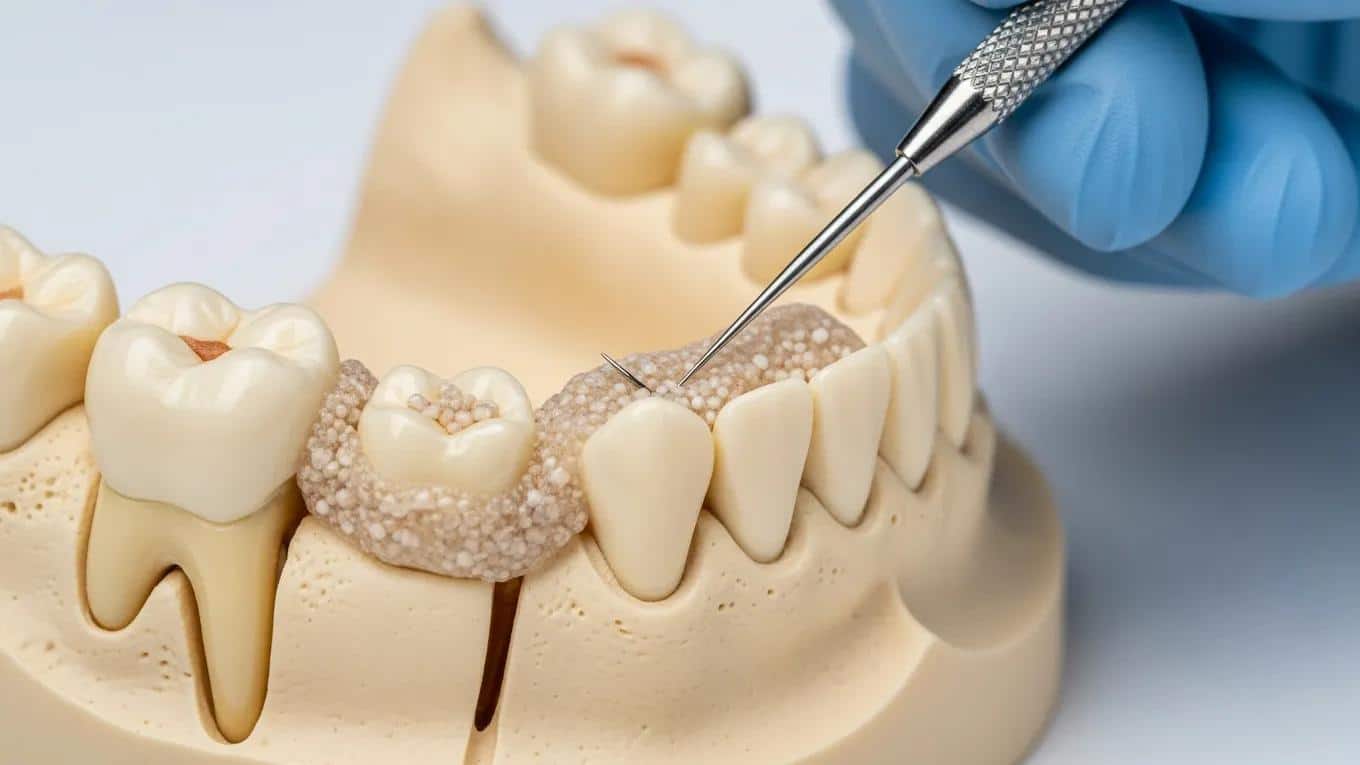
Ridge Preservation: This technique involves maintaining the shape of the jawbone after tooth extraction, minimizing bone loss and preparing the site for future implants.
Platelet-Rich Plasma (PRP): PRP therapy utilizes the patient’s own blood to enhance healing and promote bone regeneration, making it a less invasive option.
Synthetic Bone Graft Substitutes: These materials mimic natural bone and can be used to fill defects without the need for harvesting bone from another site.
Non-Surgical Implant Options: Techniques such as mini implants or immediate load implants can be considered for patients looking to avoid grafting altogether.
These alternatives not only reduce the need for invasive procedures but also offer patients a chance to achieve successful dental restoration.
How Does Ridge Preservation Serve as a Bone Graft Alternative?
Ridge preservation is a proactive approach to maintaining the jawbone’s structure following tooth extraction. By placing a grafting material in the socket immediately after tooth removal, this technique helps prevent the natural resorption of bone that typically occurs. The primary benefit of ridge preservation is that it allows for a more straightforward and less invasive implant placement later on. Studies have shown that ridge preservation can significantly reduce the amount of bone loss, making it a valuable alternative for patients concerned about future implant success.
What Role Does Platelet-Rich Plasma Play in Implant Preparation?
Platelet-rich plasma (PRP) is derived from the patient’s own blood and is rich in growth factors that promote healing and tissue regeneration. In the context of dental implants, PRP can be applied to the surgical site to enhance bone healing and integration of the implant. The use of PRP has been associated with improved success rates and faster recovery times compared to traditional methods. By harnessing the body’s natural healing processes, PRP serves as an effective alternative to bone grafting, particularly for patients looking for less invasive options.
Further research supports the effectiveness of PRP in improving implant stability and accelerating healing, especially for patients with compromised bone or healing potential.
Platelet-Rich Plasma (PRP) for Enhanced Dental Implant Healing
Platelet-Rich Plasma (PRP) and Platelet-Rich Fibrin (PRF) have gained attention as biological enhancers for this process due to their high concentrations of growth factors that promote bone regeneration and accelerate healing. This review assesses the efficacy of PRP and PRF in enhancing osseointegration by exploring their biological mechanisms, clinical applications, and advantages for patients with compromised bone or healing potential. Literature indicates that PRP and PRF can improve initial implant stability and accelerate healing.
Efficacy of Platelet-Rich Plasma and Platelet-Rich Fibrin in Enhancing Dental Implant Osseointegration, E Taghizadeh, 2024
How Do Implant Alternatives Without Bone Graft Compare in Success and Recovery?
When considering alternatives to bone grafting, it’s essential to evaluate their success rates and recovery times. Many patients are interested in how these options stack up against traditional grafting methods.
Success Rates of Non-Surgical Implant Options: Non-surgical alternatives, such as mini implants, have shown promising success rates, often comparable to traditional implants. These options can be particularly beneficial for patients with limited bone structure.
Recovery Time Without Bone Grafting: Patients opting for non-grafting techniques typically experience shorter recovery times. For instance, mini implants can often be placed with minimal discomfort and allow for quicker healing.
Understanding these factors can help patients make informed decisions about their dental care. To schedule a consultation and explore these options, patients can schedule an appointment with a dental professional.
What Are the Success Rates of Non-Surgical Implant Options?
Non-surgical implant options, such as mini implants, have demonstrated success rates ranging from 85% to 95%, depending on the patient’s specific circumstances and the quality of the implant. These alternatives are particularly advantageous for patients who may not have sufficient bone density for traditional implants, allowing for effective restoration without the need for extensive surgical procedures.
How Does Recovery Time Differ Without Bone Grafting?
Recovery times for non-surgical implant options are generally shorter than those involving bone grafting. Patients can often resume normal activities within a few days, while traditional grafting may require several weeks for healing. This expedited recovery is a significant advantage for individuals seeking quick restoration of their dental function.
What Are Sinus Lift and Ridge Augmentation Alternatives for Dental Implants?
Sinus lift and ridge augmentation are common procedures used to prepare the jaw for implants, particularly in cases of significant bone loss. However, alternatives exist that can provide similar benefits with less invasiveness.
Minimally Invasive Sinus Lift Alternatives: Techniques such as lateral window sinus lifts can be performed with less trauma to the surrounding tissues, reducing recovery time and discomfort.
Ridge Augmentation Alternatives: Options like guided bone regeneration (GBR) can enhance the bone structure without the need for extensive grafting, making it a viable alternative for many patients.
These alternatives can improve the feasibility of dental implants while minimizing the risks associated with traditional surgical methods.
Which Minimally Invasive Sinus Lift Alternatives Are Available?
Minimally invasive sinus lift techniques, such as the crestal approach, allow for access to the sinus cavity without significant incisions. This method reduces recovery time and discomfort while still providing the necessary space for implant placement. Patients often report less swelling and a quicker return to normal activities compared to traditional sinus lift procedures.
How Do Ridge Augmentation Alternatives Improve Implant Feasibility?
Ridge augmentation alternatives, such as guided bone regeneration, utilize barrier membranes and bone grafting materials to stimulate bone growth in deficient areas. These methods can significantly enhance the feasibility of implant placement by creating a stable foundation for the implant. Success stories from patients who have undergone these procedures highlight their effectiveness in achieving successful dental restorations.
How Do Cost, Insurance, and Payment Plans Affect Access to Bone Grafting Alternatives?
The financial aspects of dental procedures can significantly impact patient decisions regarding treatment options. Understanding the costs associated with bone grafting alternatives, as well as available insurance coverage and payment plans, is crucial for making informed choices.
Cost Comparisons: Bone grafting alternatives often come with varying costs, with options like ridge preservation and PRP typically being more affordable than traditional grafting.
Insurance Coverage Options: Many insurance plans offer coverage for certain dental procedures, including some alternatives to bone grafting. Patients should check with their providers to understand their specific coverage.
Payment Plans Available: Dental practices often provide flexible payment plans to help patients manage the costs of treatment, making it easier to access necessary care.
These financial considerations can help patients navigate their options and choose the best path for their dental health.
What Insurance Options Cover Bone Grafting Alternatives?
Insurance coverage for bone grafting alternatives can vary widely. Many plans may cover ridge preservation and PRP therapy, especially if deemed medically necessary. Patients are encouraged to consult with their insurance providers to clarify coverage details and any potential out-of-pocket costs.
How Do Payment Plans Make Dental Implant Alternatives More Affordable?
Payment plans can significantly ease the financial burden of dental procedures. Many dental practices offer flexible financing options that allow patients to spread the cost of treatment over time. This approach can make alternatives to bone grafting more accessible, enabling patients to receive the care they need without financial strain.