From Comfort to Cost: Comprehensive Guide to Mini Dental Implants vs. Traditional Implants
Mini dental implants and traditional implants are two popular options for tooth replacement, each offering unique benefits and considerations. Understanding the differences between these two types of dental implants is crucial for patients seeking effective solutions for missing teeth. This comprehensive guide will explore the definitions, benefits, drawbacks, costs, procedures, recovery expectations, and patient experiences related to mini and traditional dental implants. By the end of this article, readers will have a clearer understanding of which option may be best suited for their dental needs.
What Are Mini Dental Implants and How Do They Compare to Traditional Implants?
Mini dental implants are smaller in diameter than traditional implants, typically measuring about 1.8 to 3.3 mm. They are designed to provide stability for dentures and can be placed with less invasive surgical techniques. The key features of mini dental implants include their smaller size, which allows for placement in areas with limited bone density, and their ability to support immediate loading of dentures. This makes them an appealing option for patients who may not have sufficient bone for traditional implants.
In contrast, traditional dental implants are larger, usually ranging from 3.5 to 6 mm in diameter. They require a more extensive surgical procedure, often involving bone grafting if the jawbone is insufficient. Traditional implants are typically used for single tooth replacements or to support multiple teeth, providing a strong and durable solution. The choice between mini and traditional implants often depends on the patient’s specific dental needs and bone structure.
What defines mini dental implants and their key features?
Mini dental implants are characterized by their reduced size and unique design, which allows for less invasive placement. They consist of a titanium post that is inserted into the jawbone, providing a stable foundation for dentures or crowns. The smaller diameter of mini implants makes them suitable for patients with limited bone density, as they can be placed in narrower spaces without the need for extensive surgical procedures. Additionally, mini implants often allow for immediate loading, meaning that patients can receive their dentures on the same day as the implant placement.
How do traditional dental implants differ in design and application?
Traditional dental implants feature a larger titanium post that is surgically implanted into the jawbone. This process typically requires a more extensive surgical procedure, including the possibility of bone grafting to ensure adequate support. Traditional implants are designed to replace single teeth or support multiple teeth, providing a robust and long-lasting solution. The surgical process involves multiple stages, including healing time for the bone to integrate with the implant before attaching the crown or denture. This makes traditional implants a more time-consuming option compared to mini implants.
The necessity of sufficient bone density for successful traditional implant placement often highlights the critical role of bone grafting techniques.
Bone Grafting Techniques for Dental Implants
Bone quality, volume, height and width all play a pivotal role in dental implant stability, success and survival. A lack of adequate bone can be overcome with various bone grafting procedures. Dependent on many factors, including the amount of bone required, the site of implant placement, patient preferences and clinician factors; the type of bone grafting material and procedure undertaken can vary.
Bone grafting techniques and materials for implant dentistry, S Khalid, 2023
What Are the Benefits and Drawbacks of Mini Dental Implants?
Mini dental implants offer several advantages, particularly in terms of comfort and convenience. They are less invasive, resulting in reduced recovery times and less discomfort for patients. Additionally, the smaller size allows for placement in areas where traditional implants may not be feasible, making them a versatile option for many patients. However, there are also limitations and risks associated with mini implants, including potential for implant failure in certain cases and limited long-term durability compared to traditional implants.
Which comfort advantages do mini dental implants offer patients?
Patients often report that mini dental implants provide a more comfortable experience compared to traditional implants. The less invasive nature of the procedure means that patients typically experience less pain and swelling during recovery. Furthermore, mini implants can be placed with local anesthesia, reducing the need for sedation and allowing for a quicker return to normal activities. Many patients appreciate the immediate loading capability, which allows them to leave the office with functional dentures on the same day.
What limitations and risks are associated with mini dental implants?
Despite their advantages, mini dental implants do come with certain limitations. One significant concern is the potential for implant failure, particularly in patients with insufficient bone density or those who do not follow post-operative care instructions. Additionally, mini implants may not provide the same level of stability and longevity as traditional implants, especially in cases where significant chewing forces are expected. Patients should discuss these risks with their dental provider to determine the best option for their individual circumstances.
What Are the Pros and Cons of Traditional Dental Implants?
Traditional dental implants are known for their durability and long-term success rates. They provide a strong foundation for crowns and bridges, making them an excellent choice for patients looking for a permanent solution to tooth loss. However, the surgical process is more complex, and recovery can take longer compared to mini implants. Understanding the pros and cons of traditional implants is essential for patients considering this option.
What long-term benefits do traditional implants provide?
One of the primary benefits of traditional dental implants is their long-term durability. With proper care, traditional implants can last for many years, often a lifetime. They also help preserve jawbone health by stimulating bone growth, which can prevent the bone loss that often occurs after tooth loss. Additionally, traditional implants provide a natural appearance and function, allowing patients to eat and speak without concern.
What challenges and recovery considerations affect traditional implant patients?
The recovery process for traditional dental implants can be more challenging than for mini implants. Patients may experience swelling, discomfort, and a longer healing time, often requiring several months before the final restoration can be placed. Post-operative care is crucial to ensure successful integration of the implant with the jawbone. Patients should be prepared for multiple visits to the dental office throughout the process, which can be a significant commitment.
How Do Mini and Traditional Dental Implants Compare in Cost?
When considering dental implants, cost is a significant factor for many patients. Mini dental implants generally have a lower initial cost compared to traditional implants, making them an attractive option for those on a budget. However, it is essential to consider the long-term value and potential additional costs associated with each type of implant.
What factors influence the cost of mini dental implants?
The cost of mini dental implants can vary based on several factors, including the complexity of the procedure, the materials used, and the geographic location of the dental practice. On average, mini dental implants can range from $500 to $1,500 per implant, making them a more affordable option for many patients. Additionally, the reduced surgical time and less invasive nature of the procedure can contribute to lower overall costs.
How does traditional implant pricing break down and what financing options exist?
Traditional dental implants typically cost more, ranging from $1,500 to $6,000 per implant, depending on the complexity of the case and the materials used. Patients should also consider the costs associated with additional procedures, such as bone grafting or sinus lifts, which may be necessary for successful placement. Many dental offices offer financing options to help patients manage the costs of traditional implants, making them more accessible for those in need.
What Is the Procedure for Mini Dental Implants?
The procedure for mini dental implants is generally less complex than that of traditional implants, making it an appealing option for many patients. Understanding the step-by-step process can help alleviate any concerns about the procedure.
What are the step-by-step stages of mini dental implant placement?
The placement of mini dental implants typically involves the following steps:
Initial Consultation: The dentist evaluates the patient’s oral health and discusses treatment options.
Implant Placement: Under local anesthesia, the mini implant is inserted into the jawbone using a minimally invasive technique.
Healing Period: Patients may experience a short recovery time, often returning to normal activities within a few days.
Denture Attachment: Once healed, the denture is attached to the implant, providing immediate functionality.
This streamlined process allows for quicker results and less discomfort for patients.
How does the mini implant procedure differ from traditional implant surgery?
The mini implant procedure differs significantly from traditional implant surgery in terms of invasiveness and recovery time. Traditional implants require a more extensive surgical procedure, often involving multiple stages and a longer healing period. In contrast, mini implants can often be placed in a single visit, with patients experiencing less pain and a faster return to normal activities. This makes mini implants an attractive option for those seeking a quicker solution to tooth loss.
What Are the Recovery Expectations for Mini and Traditional Dental Implants?
Recovery expectations can vary significantly between mini and traditional dental implants. Understanding these differences can help patients prepare for their post-operative care.
How long is the recovery time for mini dental implants?
Recovery time for mini dental implants is typically shorter than for traditional implants. Most patients can expect to return to normal activities within a few days, with minimal discomfort. The immediate loading capability of mini implants allows patients to have functional dentures on the same day, further enhancing the convenience of this option.
What recovery challenges do traditional implant patients commonly face?
Traditional implant patients may face a more extended recovery period, often requiring several months before the final restoration can be placed. Common challenges include swelling, discomfort, and the need for multiple follow-up visits. Patients must adhere to post-operative care instructions to ensure successful healing and integration of the implant with the jawbone.
What Do Patients Say About Their Experiences with Mini and Traditional Implants?
Patient testimonials provide valuable insights into the experiences of those who have undergone mini and traditional implant procedures. Understanding these perspectives can help prospective patients make informed decisions.
Which patient testimonials highlight comfort and satisfaction with mini implants?
Many patients report high levels of satisfaction with mini dental implants, particularly regarding comfort and convenience. Testimonials often highlight the quick recovery time and the ability to receive functional dentures on the same day as the procedure. Patients appreciate the less invasive nature of the surgery, which contributes to a more positive overall experience.
How do traditional implant patients describe their treatment outcomes?
Traditional implant patients often express satisfaction with the long-term results of their treatment. Testimonials frequently mention the durability and natural appearance of traditional implants, as well as the positive impact on their quality of life. However, some patients note the challenges of the recovery process and the commitment required for multiple visits to the dental office.
How Can You Schedule a Free Consultation for Dental Implants in Fort Worth?
Scheduling a consultation is an essential step for patients considering dental implants. Understanding what to expect during this process can help ease any concerns.
What is included in the free dental implant consultation offer?
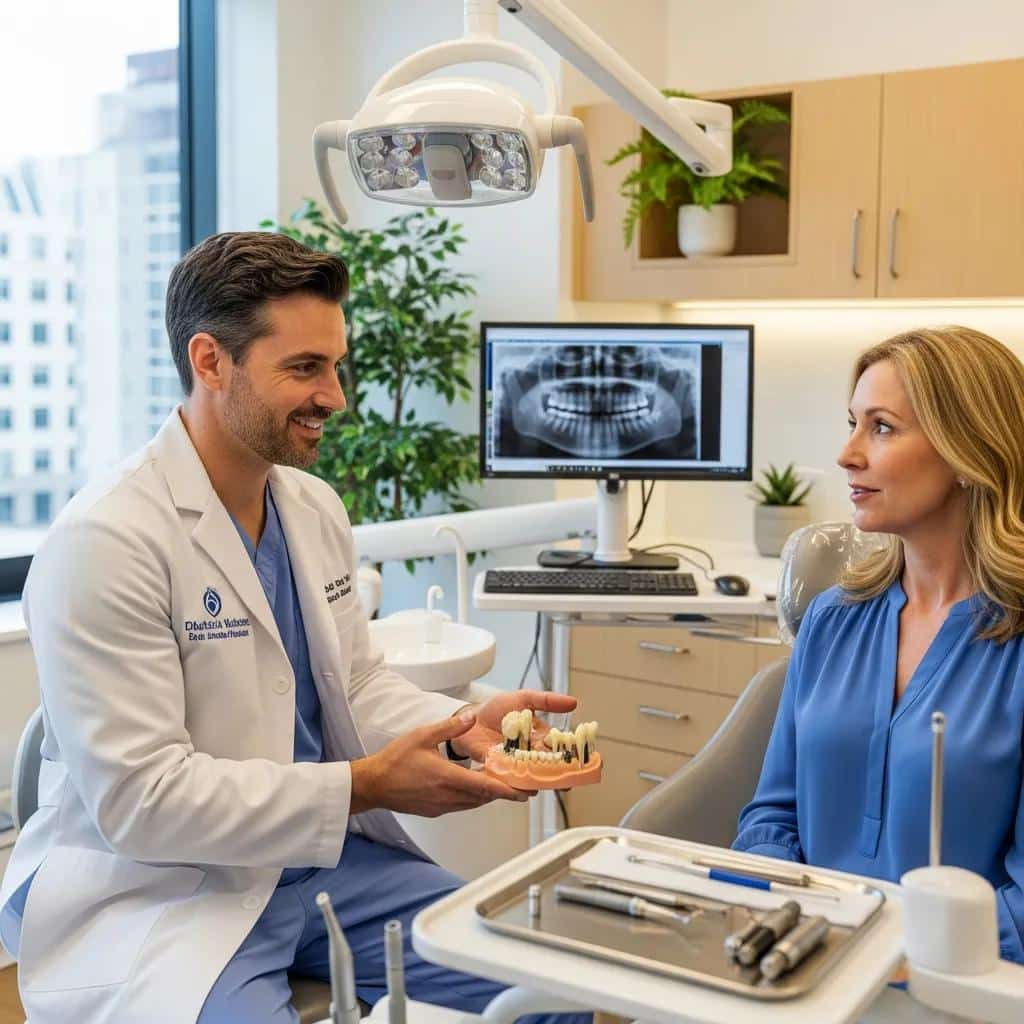
During a free dental implant consultation, patients can expect a comprehensive evaluation of their oral health, including X-rays and a discussion of treatment options. The dentist will explain the differences between mini and traditional implants, helping patients make informed decisions about their care.
How to schedule your appointment for mini or traditional implant consultation?
To schedule an appointment for a mini or traditional implant consultation, patients can contact Dental Office Provider Dental Implants and Dentures directly. The office staff will assist in finding a convenient time for the consultation, ensuring that patients receive the information and support they need to make the best choice for their dental health.
For those ready to take the next step, scheduling an appointment is easy and convenient. Contact us today to learn more about how we can help you achieve a healthy, confident smile.