Your Comprehensive Guide to Determining the Suitability of Dental Implants: How to Know If You Are a Good Candidate
Dental implants are fixed tooth replacements that restore chewing, speech, and appearance by anchoring a prosthetic tooth to the jawbone through a titanium or ceramic post. This guide explains how to determine whether implants are the right solution for your dental issues. In this article, you will learn dental implant candidacy requirements, how jawbone density and gum health affect success, what diagnostic imaging reveals, and practical pathways—such as bone grafting or periodontal therapy—to become eligible. Many patients in their 40s to 60s face missing teeth, bone loss, or chronic conditions and need clear, evidence-based steps to evaluate suitability; this guide provides those steps and shows how to move from assessment to a personalized treatment plan. You will also find clear comparisons of implants versus alternatives, realistic local cost ranges, long-term maintenance expectations, and answers to the most common questions people ask when considering implants. By the end, you will understand the clinical factors (jawbone integrity, systemic health, oral hygiene), the diagnostic process (clinical exam, X-rays, CBCT), and the practical next steps for pursuing implants or choosing alternatives that better fit anatomy, health, or budget.
What Are Dental Implants and Why Consider Them?
Dental implants are prosthetic tooth replacements consisting of a root-form post, an abutment, and a crown that together restore function and preserve jawbone structure by promoting osseointegration. Osseointegration is the biological fusion of bone to the implant surface, which stabilizes the restoration and prevents the alveolar ridge from resorbing after tooth loss. Choosing implants provides durable chewing ability, natural appearance, and long-term preservation of surrounding teeth and bone, benefits that make implants a strong option for patients seeking a permanent solution. Understanding these core components and outcomes explains why a careful suitability assessment is necessary before proceeding to surgery, because anatomy, systemic health, and lifestyle factors determine whether osseointegration and long-term success are likely.
What Is a Dental Implant and How Does It Work?
A dental implant typically involves three parts: the implant post (often titanium), the abutment that connects post to crown, and the crown that restores visible tooth structure; together they function as a single unit to replace a missing tooth. The implant post is inserted into the alveolar ridge where it serves as an artificial root and gradually fuses with surrounding bone through osseointegration, which provides mechanical stability and load transfer during chewing. This biological integration depends on bone quality and quantity, surgical technique, and postoperative care, and it usually requires a healing period measured in months before final restoration. Understanding this timeline and mechanism helps patients appreciate why diagnostic imaging and medical history checks precede any placement procedure.
What Are the Benefits of Choosing Dental Implants?
Dental implants deliver measurable clinical and lifestyle benefits including improved mastication, clearer speech, and enhanced aesthetics that contribute to confidence and nutrition. Implants maintain jawbone density through functional loading, which reduces long-term facial volume loss and preserves adjacent teeth that would otherwise be modified for a bridge. Implants also offer long-term cost-effectiveness for many patients because replacements and maintenance are less frequent compared with removable prostheses when good hygiene and follow-up care are maintained. These advantages make implants particularly attractive to patients who prioritize durability, oral health preservation, and quality of life.
Why Is Determining Suitability Important Before Getting Implants?
Determining suitability identifies medical, anatomical, and behavioral factors that could compromise implant success and allows targeted interventions—such as grafting or periodontal therapy—to reduce failure risk. Without assessment, implants placed into inadequate bone or in the presence of untreated infection or uncontrolled systemic disease are at significantly higher risk of complications like early failure or peri-implantitis. A candidacy evaluation enables tailored planning that sequences preparatory treatments, optimizes timing, and aligns patient expectations with realistic outcomes. Recognizing and addressing contraindications before surgery is therefore essential to achieve the functional and aesthetic benefits described above.
Who Qualifies for Dental Implants? Key Eligibility Criteria Explained
Qualification for dental implants depends on five core domains: adequate jawbone density and volume, healthy or treatable gums, overall systemic health that supports healing, committed oral hygiene and follow-up, and lifestyle factors that influence healing such as smoking. Clinicians assess these domains during clinical exams and with diagnostic imaging to determine whether immediate placement is appropriate or if preparatory therapy is required. The interplay among these factors—bone quality, periodontal condition, systemic disease control, and patient behavior—defines candidacy more than chronological age alone. The next subsections break down each eligibility factor and the diagnostic tools used to measure them.
How Does Jawbone Density Affect Dental Implant Eligibility?
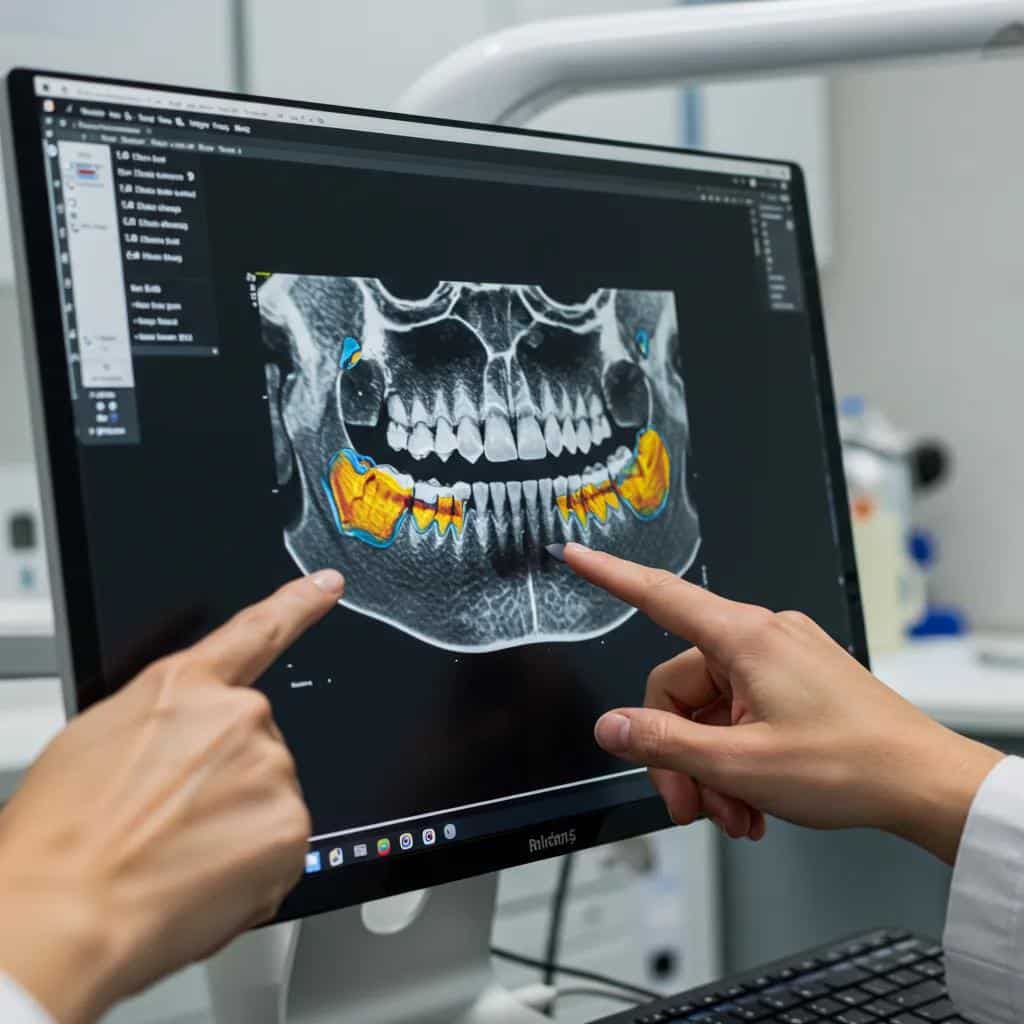
Jawbone density and volume are primary determinants of implant stability because sufficient alveolar ridge width and height allow the implant post to achieve primary mechanical stability and subsequent osseointegration. Low bone density or significant ridge resorption reduces available anchorage and often necessitates bone grafting or alternative implant designs to create a stable foundation. Diagnostic imaging such as CBCT provides three-dimensional measurements of bone volume and identifies proximity to vital structures like the inferior alveolar nerve or maxillary sinus, which directly informs grafting decisions and implant positioning. If CBCT shows borderline bone, staged grafting or modified implant protocols can often restore eligibility.
Before presenting the EAV table below, consider this diagnostic checklist that clinicians use to quantify bone readiness and guide treatment sequencing, which leads naturally into examining gum health as a parallel eligibility domain.
Different aspects of candidacy related to bone, gum health, general health, hygiene, and lifestyle can be summarized to give a quick eligibility snapshot:
Eligibility Factor
Diagnostic Attribute
What Clinicians Look For
Jawbone Density
Volume & quality on CBCT/X-ray
Adequate ridge for implant or feasible grafting
Gum Health
Clinical probing & inflammation status
No active periodontal infection; stable tissues
Overall Health
Medical history, labs if needed
Controlled systemic conditions that support healing
Hygiene & Commitment
Oral hygiene habits & follow-up
Daily care ability and willingness for maintenance
What Role Does Gum Health Play in Implant Success?
Healthy peri-implant soft tissue is essential because periodontal disease increases the risk of infection and peri-implantitis, which can jeopardize osseointegration and long-term implant survival. Active gum disease requires management—starting with scaling and root planing, antimicrobial therapy, and improved plaque control—before implant placement to reduce microbial load and stabilize tissues. When periodontal pockets and inflammation are resolved, clinicians re-evaluate tissue health and may proceed with implant planning or additional periodontal surgery if necessary. Proper gum management not only restores eligibility but also provides a long-term maintenance foundation for preventing future complications.
How Does Overall Health Influence Dental Implant Suitability?
Systemic conditions influence healing capacity: well-managed chronic diseases generally permit implant therapy while uncontrolled disease increases complication rates and may delay treatment. For example, controlled diabetes typically allows implant placement with additional monitoring, whereas uncontrolled diabetes poses higher infection and failure risks because impaired glycemic control affects wound healing. Medications such as certain immunosuppressants or bisphosphonates require careful review and coordination with medical providers to assess relative contraindications and timing. A collaborative approach with a patient’s physician often produces medical clearance and a safer treatment timeline.
How Do Lifestyle Factors Like Smoking Affect Implant Candidacy?
Smoking impairs blood flow, oxygenation, and wound healing, which statistically reduces osseointegration success and increases the risk of marginal bone loss and peri-implantitis; cessation prior to surgery improves outcomes. Even moderate tobacco use is associated with higher complication rates, so patients are advised to stop smoking several weeks before surgery and maintain abstinence during healing when possible. Alcohol misuse and poor oral hygiene further compound risks, so behavior modification and structured hygiene plans are integral parts of candidacy optimization. Clear cessation timelines and support resources help patients improve candidacy and long-term prognosis.
What Diagnostic Methods Are Used to Assess Eligibility?
Diagnosis combines clinical examination, conventional X-rays, CBCT 3D imaging, impressions or intraoral scanning, and a thorough medical and medication history to form a comprehensive eligibility picture. CBCT is particularly valuable for measuring bone volume, cortical thickness, and the spatial relationship to nerves and sinuses, while digital X-rays provide high-resolution views of adjacent teeth and bone levels. Medical history reveals systemic risks and medication interactions that affect healing; together these tools enable a precise treatment plan and staged interventions if required. This diagnostic synthesis then informs whether grafting, periodontal treatment, or medical optimization should precede implant placement.
How Are Common Suitability Concerns Addressed?
Common suitability concerns—such as insufficient bone, periodontal disease, and systemic conditions—are addressable through a series of corrective procedures, medical coordination, or by selecting alternative prosthetic solutions when implants remain unsuitable. Corrective pathways often begin with minimally invasive therapies and progress to surgical interventions (e.g., bone grafting, sinus lifts) only when indicated, always aiming to restore conditions that support osseointegration. This problem-solution approach preserves options and reduces the risk of placing implants in compromised environments. The following subsections describe when bone grafting is necessary, periodontal treatment steps, how controlled systemic conditions are managed, and when alternatives are preferable.
When Is Bone Grafting Necessary for Dental Implants?
Bone grafting is necessary when CBCT or clinical exam reveals insufficient ridge width or height, when sinus pneumatization limits vertical height in the posterior maxilla, or when ridge defects threaten implant stability; grafting restores the bony foundation to allow implant placement. Types of grafts vary from autograft (patient’s own bone) to allograft (donor bone), xenograft (animal-derived), and synthetic materials, each with different handling, healing timelines, and typical outcomes. Healing after grafting commonly ranges from a few months for particulate grafts to longer for large reconstructions, and staged implant placement may follow once graft integration is confirmed radiographically. Selecting the appropriate graft type depends on defect size, patient preference, and clinician judgment.
Before the table below, here is a concise explanation: clinicians choose graft materials based on availability, predictability, and the timeline needed before implant placement, which helps patients set realistic expectations about healing and treatment duration.
Bone Grafting for Dental Implants: Enhancing Stability and Success
Bone quality, volume, height and width all play a pivotal role in dental implant stability, success and survival. A lack of adequate bone can be overcome with various bone grafting procedures. Dependent on many factors, including the amount of bone required, the site of implant placement, patient preferences and clinician factors; the type of bone grafting material and procedure undertaken can vary. Supplemental bone can be sourced from a variety of sources, including autogenous, allogenous and xenograft bone. Dependent on the source of the bone, it will have different properties in aiding bone formation, as well as being presented in different formulations, such as bone particles or bone blocks.
Bone grafting techniques and materials for implant dentistry, S Khalid, 2023
Graft Type
Typical Healing Timeline
Expected Outcome / Notes
Autograft (patient bone)
3–6 months
High osteogenic potential; donor site required
Allograft (human donor)
4–6 months
Good scaffold; no donor site morbidity
Xenograft (bovine-derived)
6–9 months
Slow resorption; volume stability useful in sinus lifts
Synthetic (alloplast)
3–6 months
Predictable handling; choice for select defects
This comparison demonstrates that final pricing is individualized and that the first free consultation is the best way to obtain a personalized estimate reflecting materials and preparatory needs.
How Can Gum Disease Be Treated to Improve Implant Eligibility?
Treating gum disease to restore eligibility follows a stepped approach: initial non-surgical therapy (scaling and root planing), adjunctive antimicrobial or local delivery therapies, reassessment of pocket depths, and, if needed, periodontal surgery to create stable architecture for future implants. The goal is to reduce bacterial load, resolve inflammation, and establish plaque control that patients can maintain long-term through improved hygiene and professional maintenance. After periodontal stability is achieved—typically evidenced by reduced probing depths and absence of bleeding on probing—clinicians reassess implant candidacy and plan surgery if appropriate. Maintenance schedules and patient adherence remain critical after implants are placed to prevent recurrence.
Can Patients with Controlled Diabetes or Other Conditions Still Get Implants?
Yes—patients with medically controlled chronic diseases can often receive implants when appropriate medical collaboration and risk mitigation strategies are in place, but uncontrolled systemic issues increase complications. For example, patients with well-controlled diabetes who maintain target glycemic levels and follow perioperative infection-prevention protocols have acceptable implant success rates, provided the care team monitors healing closely. Medications or conditions that suppress immunity or bone metabolism may necessitate alternative sequencing or specialist input, yet many scenarios are manageable with tailored planning. Medical clearance and close follow-up optimize outcomes for patients with systemic conditions.
What Are the Alternatives If Dental Implants Are Not Suitable?
When implants are unsuitable or as interim solutions, fixed bridges, removable partial dentures, and full dentures provide functional and aesthetic restoration with varying trade-offs between invasiveness, maintenance, and long-term bone preservation. A bridge avoids surgery but requires preparation of adjacent teeth and does not preserve alveolar ridge the way implants do; removable dentures are less invasive and less costly upfront but may accelerate bone resorption and require relining. Implant-supported overdentures represent a middle ground when limited bone exists but stabilization is still possible; selection depends on anatomy, health, and budget. Choosing an alternative is therefore a decision matrix balancing clinical facts and patient priorities.
What Is the Dental Implant Process at Dentist in Denton?
This section outlines a practical consult-to-restoration workflow used by local practices, including initial evaluation, diagnostic imaging, treatment sequencing, surgery, healing, and long-term restoration. A structured process ensures candidacy is confirmed, preparatory treatments are completed when necessary, and patients understand timelines and expected outcomes. Emphasis on patient education, digital diagnostics, and staged planning reduces surprises and supports shared decision-making. The practice-level specifics below describe what patients typically experience during the free consultation and how advanced diagnostics and education-based care support clear choices.
What Happens During the Free Dental Implant Consultation?
During a comprehensive free dental implant consultation, patients receive a clinical exam, a review of medical and dental history, and targeted imaging as needed to assess eligibility and begin planning; the consult concludes with a discussion of options and next steps. The exam evaluates gum health, existing restorations, and bite relationships while imaging—if indicated—measures bone volume and critical anatomy for implant planning. The clinician explains candidacy findings, outlines potential preparatory procedures, estimates timelines, and discusses expected outcomes so the patient can make an informed choice. Patients are advised what to bring (medical history, medications list) and informed about typical timelines, which helps set expectations for any recommended staged treatments.
How Does Advanced Diagnostic Technology Support Suitability Evaluation?
Advanced diagnostics such as CBCT 3D imaging and digital X-rays translate anatomical data into actionable treatment plans by revealing bone volume, cortical thickness, sinus anatomy, and nerve positions that influence implant size and angulation. Digital planning software allows clinicians to simulate implant placement, select implant types (titanium or zirconia), and predict esthetic outcomes while minimizing risk to adjacent structures. This digital workflow improves accuracy, reduces intraoperative surprises, and supports patient education through visualizations that clarify why certain preparatory steps may be necessary. Understanding the role of imaging helps patients appreciate why a tailored approach reduces long-term complications.
How Does Education-Based Care Help Patients Understand Their Options?
Education-based care centers on clear explanations, visual aids, models, and collaborative planning so patients understand clinical rationale, risks, alternatives, and maintenance responsibilities before consenting to treatment. By aligning clinical facts with patient goals—function, appearance, timeline, and cost—education-based care promotes informed decisions and stronger adherence to pre- and post-operative instructions. Visual tools and software simulations reduce anxiety and help patients compare scenarios such as single-tooth implants, implant-supported bridges, or full-arch solutions. This shared decision-making model is particularly effective for patients weighing complex trade-offs between invasiveness and long-term outcomes.
What Makes Dentist in Denton’s Approach Unique?
Dentist in Denton – Dentures & Dental Implants emphasizes patient comfort, education, and accessible pathways to care by combining a welcoming environment with practical financial options and a one-stop shop philosophy for comprehensive restorative dentistry. The practice highlights a $79 FREE DENTAL CONSULTATION for new patients and a free implants consultation specifically for missing teeth, which encourages early evaluation and individualized planning. Education-based care, flexible financing, and a spa-like patient experience support patients through diagnostics, preparatory treatments, and restoration in a coordinated manner. These practice-level commitments aim to reduce barriers to assessment and help patients make choices that align with health and lifestyle goals.
Get Dental Patients to schedule a free consult — to begin eligibility assessment, patients are invited to contact the practice by phone or through the office’s online scheduling tools, provide a concise medical history, and attend the free consultation where imaging needs and next steps will be outlined. This call-to-action clarifies that evaluation is the necessary first step toward a personalized implant plan and potential preparatory care.
How Much Do Dental Implants Cost in Denton, TX?
Cost varies with the number of implants, the need for grafting or sinus lifts, implant materials, and the complexity of the prosthetic restoration, making personalized estimates essential. Transparent local price ranges help patients plan, but clinicians must evaluate individual anatomy and treatment sequencing to produce accurate quotes; variables such as additional surgeries or prosthetic complexity can affect the range. Financing options from in-office plans to third-party lenders increase affordability and should be discussed during initial consultations. The subsections below provide example price ranges, financing considerations, and a long-term cost comparison with alternatives.
What Are Typical Price Ranges for Single and Full-Arch Implants?
Typical local price ranges for single-tooth implants in Denton often cover costs for the implant post, abutment, and crown, while full-arch solutions require a package that accounts for multiple implants and a prefabricated or custom prosthesis; grafting and ancillary procedures increase total cost. For budgeting purposes, patients should expect single-tooth restorations to reflect cumulative material and laboratory fees, and full-arch packages to reflect higher complexity and prosthetic support requirements. Because individual clinical findings dictate exact pricing, the free consultation is the appropriate first step to receive a tailored estimate that includes any necessary grafting or staged procedures.
Below is a transparent example table presenting approximate local ranges; these ranges are illustrative of typical cost categories and clarify how variables influence pricing.
Treatment Category
Typical Price Range (Denton)
Notes (materials/grafting)
Single-tooth implant
Example range for budgeting
Includes implant post, abutment, crown; grafting adds to cost
Multiple implants / implant-supported bridge
Mid-range package estimate
Bridges reduce number of implants vs individual crowns
Full-arch implant solutions
Higher-range package estimate
Full-arch includes prosthesis and multiple posts; grafting likely
This cost table demonstrates that final pricing is individualized and that the first free consultation is the best way to obtain a personalized estimate reflecting materials and preparatory needs.
What Affordable Financing Options Are Available?
Affordable financing typically includes in-house payment plans, third-party dental lenders, and staggered payments that allow patients to spread costs over time while receiving treatment; practices often explain options during the consult. Flexible financing helps patients proceed with necessary preparatory work such as bone grafting or periodontal therapy that could otherwise delay implant candidacy. Ask about available plans and qualification steps during your consultation, since individualized financing estimates are produced after the clinical assessment. Get Dental Patients to schedule a free consult — discussing financing at the consult ensures you receive a realistic monthly estimate linked to the proposed treatment sequence.
How Does Cost Compare Between Implants and Alternatives?
Although implants often have a higher upfront cost than bridges or dentures, they can provide better long-term value through durability, lower maintenance for some patients, and preservation of the alveolar ridge that reduces future restorative needs. Bridges require adjacent tooth preparation and may need replacement over time; removable dentures have lower initial costs but typically require relining and replacement and may accelerate bone loss. A lifespan and maintenance comparison helps patients weigh immediate affordability against projected long-term costs and quality-of-life differences. Selecting the optimal option therefore integrates clinical suitability with financial planning and patient priorities.
What Are the Long-Term Care and Maintenance Requirements for Dental Implants?
Long-term success depends on daily oral hygiene, regular professional maintenance, and monitoring for early signs of complication; implants require the same preventive care discipline as natural teeth to minimize risks like peri-implantitis. Maintenance protocols usually combine brushing, interdental cleaning with floss or water irrigation, and professional cleanings at intervals determined by periodontal status. Monitoring includes radiographic checks and clinical exams to assess bone levels and soft tissue health, enabling early intervention if changes appear. The subsections explain practical hygiene routines, common risks and prevention, and recommended follow-up cadence.
How Should Patients Maintain Healthy Gums and Jawbone After Implants?
Patients maintain healthy peri-implant tissues by performing thorough daily cleaning with a soft-bristled brush, interdental brushes or floss around prostheses, and avoiding abrasive tools that could damage the restoration; these habits limit biofilm accumulation that drives inflammation. A professional maintenance schedule typically begins with more frequent cleanings in the first year and then transitions to regular recall intervals based on individual risk (commonly every 3–6 months for high-risk patients). Dietary habits that avoid excessive force on restorations and tobacco cessation further support bone and soft tissue health. Consistent home care and professional follow-up form a preventative partnership that preserves implant longevity.
What Are Common Risks and How Can They Be Minimised?
Common risks include infection, peri-implant mucositis and peri-implantitis, implant failure due to poor osseointegration, and prosthetic complications such as screw loosening; these risks are minimized through infection control, meticulous surgical technique, and ongoing maintenance. Early signs to watch for include redness, swelling, bleeding on probing, persistent discomfort, or mobility of the restoration; prompt evaluation enables conservative management before irreversible bone loss occurs. Preventive strategies include treating periodontal disease before placement, controlling systemic risk factors, ensuring precise implant placement through advanced diagnostics, and adhering to maintenance schedules. Understanding early warning signs empowers patients to seek timely care.
When Should Patients Schedule Follow-Up Visits?
Immediate post-operative checks usually occur within the first week, followed by additional reviews at key healing milestones (for example at 1–3 months and at implant loading) to confirm osseointegration and soft tissue healing. After restoration, routine follow-up often includes periodic clinical exams and radiographs—frequency tailored to periodontal risk, typically every 6–12 months for most patients and more frequently for high-risk individuals. Extra visits should be scheduled if patients notice mobility, persistent pain, or changes in soft tissue appearance to address complications early. A predictable follow-up cadence supports long-term success and allows clinicians to detect and manage issues proactively.
Frequently Asked Questions
What is the typical recovery time after dental implant surgery?
The recovery time after dental implant surgery can vary based on individual health factors and the complexity of the procedure. Generally, the initial healing period lasts about 1 to 2 weeks, during which swelling and discomfort may occur. However, complete osseointegration, where the implant fuses with the jawbone, can take several months—typically 3 to 6 months. Follow-up visits are essential to monitor healing and ensure the implant is stable before placing the final crown. Adhering to post-operative care instructions can help expedite recovery.
Are dental implants covered by insurance?
Dental insurance coverage for implants varies widely among plans. Some policies may cover a portion of the costs associated with the implant procedure, while others may not cover it at all, considering it an elective treatment. It’s essential to review your specific insurance policy and consult with your provider to understand what is covered. Additionally, many dental practices offer financing options to help manage out-of-pocket expenses, making implants more accessible for patients.
How long do dental implants last?
With proper care and maintenance, dental implants can last a lifetime. Studies show that the success rate of dental implants is around 95% after 10 years. Factors influencing longevity include oral hygiene practices, regular dental check-ups, and lifestyle choices such as smoking. Patients are encouraged to maintain good oral hygiene, including brushing and flossing, and to attend routine dental visits to monitor the health of the implant and surrounding tissues.
What are the risks associated with dental implants?
While dental implants are generally safe, there are potential risks and complications, including infection at the implant site, nerve damage, sinus issues, and implant failure due to poor osseointegration. Other factors, such as smoking, uncontrolled diabetes, and inadequate bone density, can increase these risks. It’s crucial to discuss any health concerns with your dentist during the consultation to develop a tailored treatment plan that minimizes risks and enhances the likelihood of success.
Can I have dental implants if I have gum disease?
Having gum disease does not automatically disqualify you from getting dental implants, but it must be treated before the procedure. Active gum disease can lead to complications such as infection and implant failure. A thorough periodontal evaluation and treatment plan, which may include scaling, root planing, or other therapies, is necessary to restore gum health. Once the gums are stable, you can proceed with the implant process, ensuring a better chance of success.
What should I do if I experience discomfort after getting implants?
Some discomfort after dental implant surgery is normal, but if you experience severe pain, swelling, or prolonged discomfort, it’s essential to contact your dentist immediately. These symptoms could indicate complications such as infection or implant failure. Your dentist may recommend pain management strategies, prescribe antibiotics, or schedule a follow-up appointment to assess the situation. Early intervention is key to addressing any issues and ensuring the long-term success of your implants.
Am I a Good Candidate for Dental Implants?
You are likely a good candidate if you have adequate jawbone or can undergo grafting, stable gum health or treated periodontal disease, controlled systemic health conditions, and a commitment to oral hygiene and follow-up care. Age alone rarely disqualifies candidates; rather, biological factors—bone quality and medical stability—determine suitability, and diagnostics such as CBCT provide the definitive assessment. If you have modifiable risk factors, such as active gum disease or tobacco use, addressing those issues often restores candidacy. Schedule a comprehensive assessment to receive a definitive evaluation tailored to your anatomy and health.
What Disqualifies Someone from Getting Dental Implants?
Absolute disqualifiers are rare but include active, untreated infection at the surgical site or certain uncontrolled systemic conditions that prevent healing; relative contraindications include smoking, poorly controlled diabetes, or medications that affect bone metabolism. Many relative issues are manageable through medical coordination, behavior modification, or staged treatment that mitigates risk and enables later implant placement. Distinguishing absolute from relative contraindications requires clinical and medical input so most patients benefit from professional evaluation rather than assuming disqualification. Targeted interventions often convert relative contraindications into acceptable treatment conditions.
Can I Get Dental Implants If I Have Bone Loss?
Yes—bone grafting and sinus lift procedures frequently restore sufficient bone to permit implant placement, making implants possible for many patients with previous bone loss. The specific approach depends on defect type (horizontal, vertical, or sinus-related), available donor options, and desired timeline; clinicians select autograft, allograft, xenograft, or synthetic materials accordingly. Imaging and clinical assessment determine the feasibility and expected healing time, which are critical to planning staged treatment. Consulting with a clinician who explains graft options and timelines provides realistic expectations for returning to implant candidacy.
Get Dental Patients to schedule a free consult — after answering these FAQs, patients who remain uncertain are encouraged to book the complimentary consultation so a clinician can evaluate bone levels, gum health, and systemic factors in person and outline personalized next steps. This direct invitation bridges information to action, ensuring patients receive a tailored plan rather than general guidance alone.
Is There an Age Limit for Dental Implants?
There is no strict upper age limit for implants; candidacy depends on overall health, bone quality, and healing capacity rather than chronological age. Older patients with healthy bone and controlled medical conditions have successfully received implants when clinical assessments support treatment safety. Age-related bone density changes are managed through diagnostics and, when necessary, grafting procedures that restore the alveolar ridge for stable implant placement. Discussing individual risk factors with a clinician provides a personalized assessment that emphasizes biology over age.
How Do Smoking and Diabetes Affect Implant Success?
Smoking reduces blood supply and impairs wound healing, increasing implant failure and peri-implantitis risk, so cessation before and after surgery improves outcomes; controlled diabetes, conversely, can be compatible with implants when glycemic control is optimized and monitoring is increased. Data indicate elevated risks with both factors, but tailored protocols—such as antibiotic prophylaxis, staged healing, and strict maintenance—can help mitigate complications for some patients. A care plan that includes behavior modification or medical optimization often improves candidacy and reduces long-term risks.
How to Schedule Your Free Dental Implant Consultation in Denton, TX
This section provides step-by-step booking instructions and practical preparation tips so patients can easily arrange the initial assessment that begins the pathway to implants or alternative restorations. Clear instructions reduce friction and help patients gather necessary documents, list medications, and prepare questions for the clinician. The subsections explain booking methods, what to expect at the first visit, and how the consultation leads to a personalized treatment plan.
How Can You Book Your Free Consultation with Dentist in Denton?
To book the free consultation, call the practice phone number and speak with the scheduling team, use the online appointment tool on the practice’s website, or request an appointment via the clinic’s Google Business Profile listing—choose the method most convenient for you. When booking, have your basic medical history and a list of current medications ready so staff can note any potential medical concerns prior to the visit. The practice advertises a $79 FREE DENTAL CONSULTATION for new patients and a free implants consultation specifically for missing teeth, and the scheduling staff will confirm what to bring and any imaging that may be needed at the visit. If you prefer in-person scheduling, the clinic’s physical location at the Denton address is available for walk-in inquiries as well.
What Should You Expect During Your First Visit?
Expect a comprehensive intake process that includes paperwork or a digital medical history, a clinical exam, and discussion of your goals; if indicated, imaging will be taken or scheduled to measure bone and soft tissue conditions. The clinician will review medical history, examine soft tissue and occlusion, and explain potential next steps—whether that is straightforward implant placement, preparatory therapies, or alternative restorations. The consult typically includes a conversation about estimated timelines and financing options so you can make an informed choice; this initial visit is primarily evaluative and educational. Clear documentation of findings and a follow-up plan are provided so patients leave with a realistic roadmap.
How Does the Consultation Lead to a Personalized Treatment Plan?
Diagnostics and patient goals combine to create a stepwise treatment plan that lists necessary preparatory procedures (if any), recommended implant timelines, and the proposed restorative solution with potential financing scenarios. The plan outlines clinical milestones—such as graft healing periods and implant loading dates—so patients understand the sequence and expected duration of care. Shared decision-making ensures alternatives and trade-offs are transparent, and a written estimate or treatment proposal helps patients evaluate options. With informed consent and financing arrangements finalized, patients proceed to scheduled stages of treatment in a coordinated manner.
Get Dental Patients to schedule a free consult — call +1 940-326-5935 or use the practice’s online booking options to arrange your complimentary implant eligibility evaluation; bring your medical history and any prior dental imaging to ensure the most efficient assessment possible. This step initiates the personalized pathway from evaluation through to restoration.
Conclusion
Understanding your candidacy for dental implants is crucial for achieving optimal oral health and restoring your smile. By evaluating factors such as jawbone density, gum health, and overall systemic conditions, you can make informed decisions about your dental care. Taking the first step with a comprehensive consultation can pave the way for personalized treatment options tailored to your needs. Schedule your free consultation today to explore how dental implants can enhance your quality of life.