By Dentist in Denton – Dentures and Dental Implants Editorial Team · Updated 2026-08-25
Dental implants preserve jawbone density by replacing tooth roots, preventing the rapid bone loss that follows missing teeth. Surgically placed by professionals such as an oral surgeon or periodontist, implants restore chewing function and support crowns, bridges, or dentures. Denton patients gain stable, natural-looking replacements that protect surrounding teeth and long-term oral structure.
Key Takeaways
Dental implants restore chewing ability and appearance by surgically anchoring artificial teeth into the jaw.
The implant process involves three key stages: surgical placement, healing time, and attachment of the final restoration.
Dental implants rank among the most requested restorative procedures by dentists for tooth replacement today.
Implants provide stable support for crowns, bridges, or dentures without relying on adjacent natural teeth.
Why Does Losing A Tooth Threaten Your Oral Health?
A missing tooth sets off a chain reaction inside the jaw. Bone loss accelerates rapidly, speech patterns shift, and chewing habits change in ways that cause lasting discomfort. What starts as a single gap often grows into a bigger problem for the entire mouth.
The scale of this issue surprises many people. Nearly 120 million Americans live with at least one missing tooth, according to figures from the American College of Prosthodontists. That number signals a widespread, often overlooked health concern rather than a rare inconvenience.
How Serious Is The Damage From One Missing Tooth?
Bone loss doesn’t wait. Without a tooth root stimulating the jawbone, that bone begins deteriorating quickly, weakening the structure that supports neighboring teeth. Over time, this shift can alter facial appearance, strain the jaw joint, and make eating a source of frustration instead of comfort.
The effects tend to compound:
Bone density declines in the area where the tooth once stood
Speech clarity suffers as air and tongue placement change
Chewing efficiency drops, often shifting pressure to other teeth
Neighboring teeth can drift out of position over time
Can Replacing A Missing Tooth Reverse These Problems?
Restoring the tooth addresses the root cause, not just the gap. Replacing a lost tooth with a dental implant meaningfully improves a patient’s quality of life. Overall health, supporting the jawbone and restoring normal function.
The provided sources do not mention a free exam and X-rays for new patients at the Denton practice. Early evaluation helps identify bone changes before they progress, making the path toward improved oral health with implants far more manageable.
What Oral Health Benefits Do Implants Provide?
Dental implants restore two things a missing tooth takes away: chewing strength and natural appearance. Left unaddressed, tooth loss reshapes the jawbone and shifts remaining teeth out of alignment. Implants stop that decline by functioning as a true anchor for the mouth, not just a cosmetic patch.
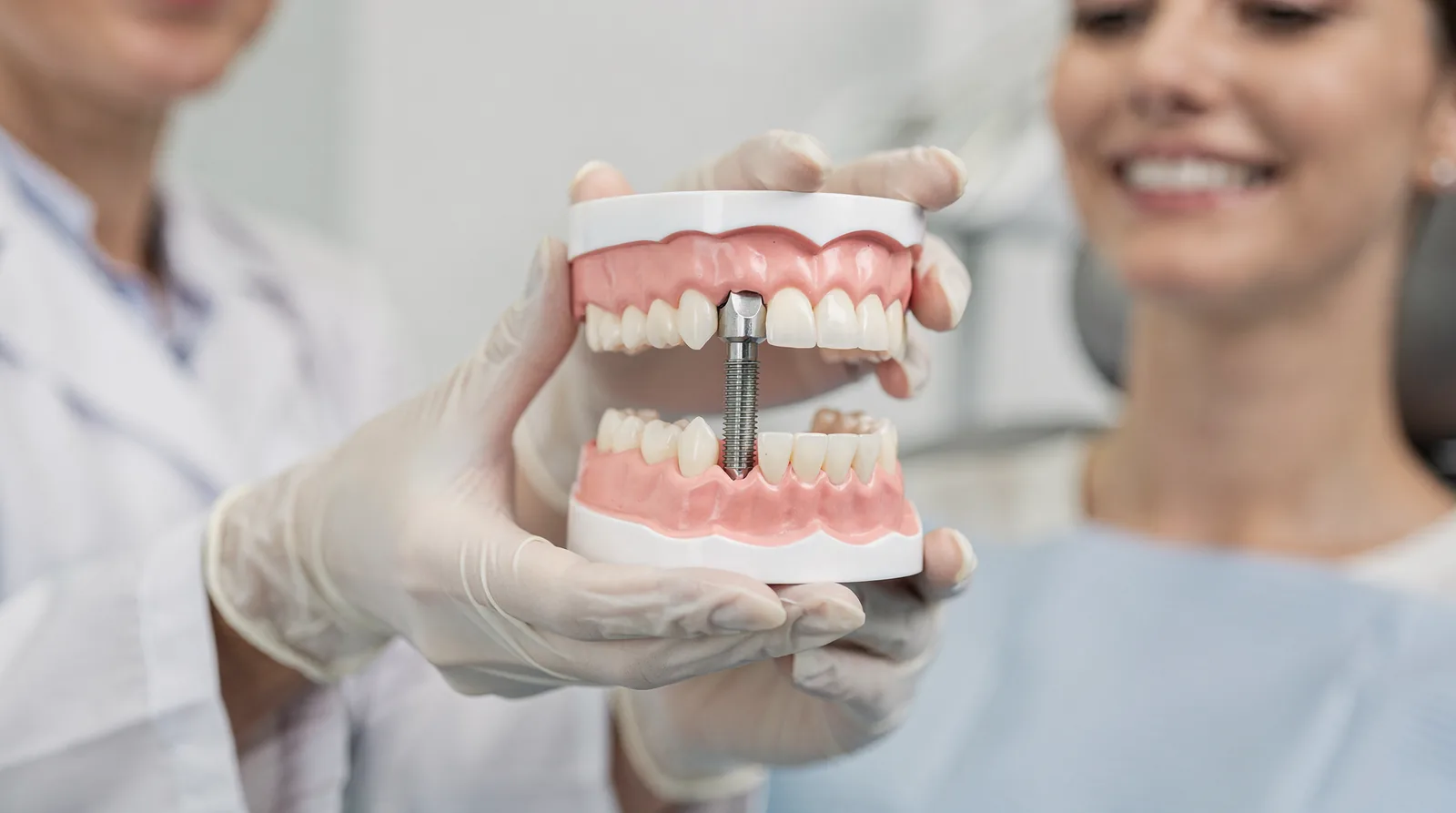
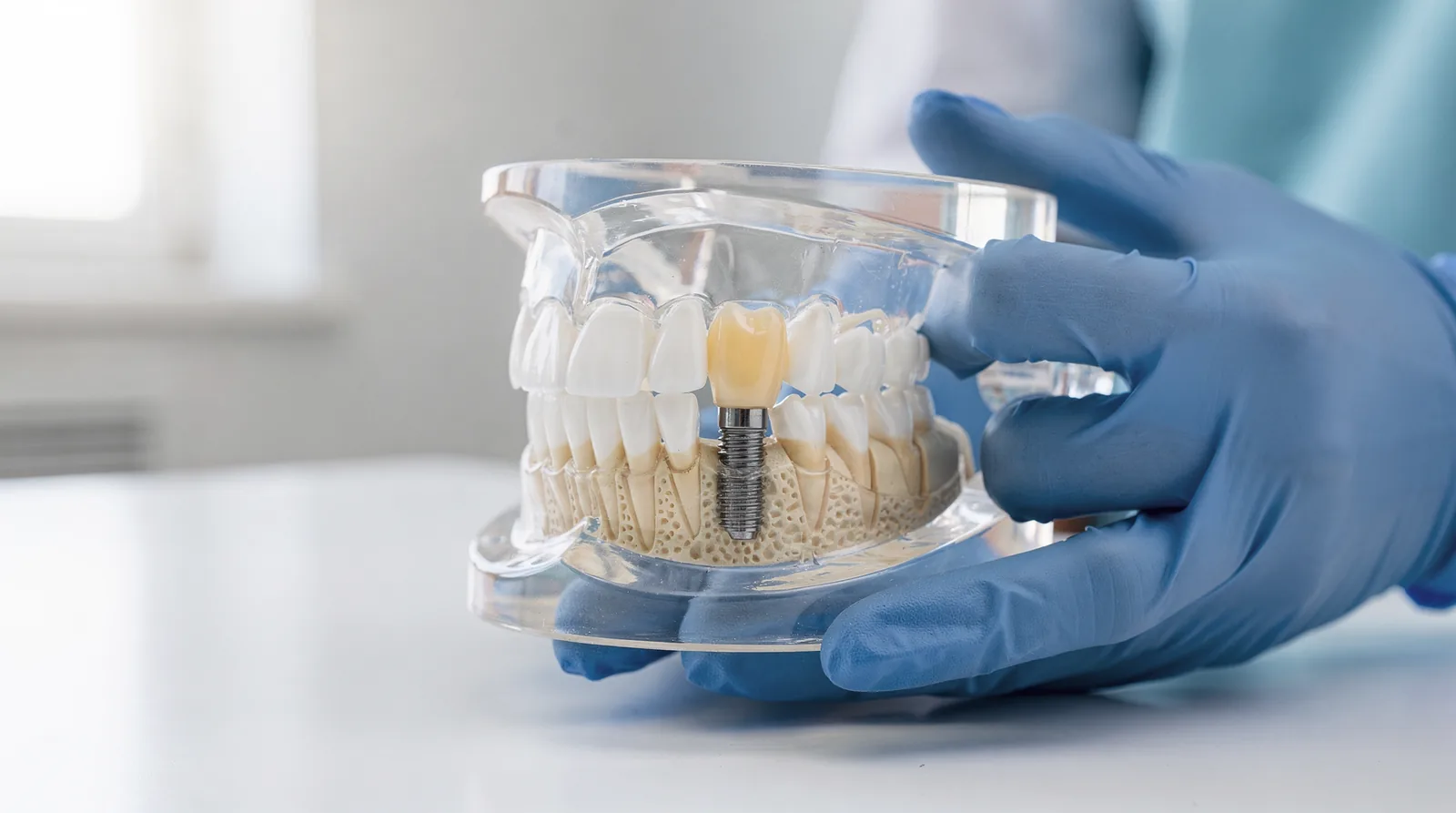
Classified as medical devices, implants get surgically placed into the jawbone itself. That placement matters. Rather than resting on top of the gums, an implant integrates with bone tissue, giving patients a foundation strong enough to restore normal biting and chewing patterns. And a smile that looks the part too.
How Do Implants Support Long-Term Oral Function?
An implant works as an artificial tooth root. Once placed, it becomes the support structure beneath a crown, bridge, or denture, holding the replacement tooth firmly in position. This root-level support is what separates implants from removable options that can shift or loosen over time.
For patients in Denton weighing tooth-replacement options, improved oral health with implants starts with this structural role. A stable root means more predictable results for whatever restoration sits on top, whether that’s a single crown or a full arch of replacement teeth.
Why Choose an Implant Over Other Replacement Options?
Durability and function are the deciding factors for many patients. The provided brand facts only state that Dentist in Denton. Dentures and Dental Implants is located in Denton, TX. The sources do not mention core services or an on-site lab for this specific brand.
Cost concerns should not stand in the way of treatment. The provided sources and brand facts do not contain information regarding accepted insurance plans or financing at the Denton office. Patients weighing long-term oral health against short-term expense have real, workable paths forward.
How Do Implants Protect Bone And Neighboring Teeth?
Fixed implants safeguard the jawbone and nearby teeth by restoring the root structure that missing teeth leave behind. Denton patients weighing tooth-replacement options gain measurable protection against the bone loss and tooth drift that untreated gaps often cause. Improved oral health with implants starts with this structural stability, not just cosmetics.
An implant looks and functions like a natural tooth, allowing normal chewing and flossing to resume. Because the restoration integrates into the jaw rather than sitting on top of the gum, patients treat it the way they’d treat any other tooth in daily hygiene routines. That familiarity matters for long-term maintenance; restorations patients can clean properly tend to stay healthier.
Do implants keep other teeth from shifting?
Yes. Unlike dentures or bridges, implants stay permanently fixed in the jaw instead of resting loosely against the gum line. That fixed position prevents neighboring teeth from drifting into the gap the way they sometimes do around removable devices, preserving bite alignment over time.
Why does treatment speed matter for bone health?
Faster turnaround on custom restorations reduces the time a socket sits untreated. The provided sources and brand facts do not mention an on-site dental lab at the Denton office.
Families throughout Denton County turn to this practice for that kind of restorative care:
Denton and Corinth households seeking timely tooth replacement
Lake Dallas and Krum residents needing bone-preserving solutions
Sanger and Argyle patients pursuing long-term dental stability
Consistent, well-fitted restorations protect both the jaw and the smile surrounding it.
What Happens During The Implant Treatment Process?
Three distinct phases define implant treatment: surgical placement, a healing period, and final restoration. Each stage builds toward one goal — a replacement tooth that functions like a natural one. Skipping steps or rushing the timeline risks a poorly fused implant, so understanding the sequence upfront prevents surprises later.
The process unfolds in order:
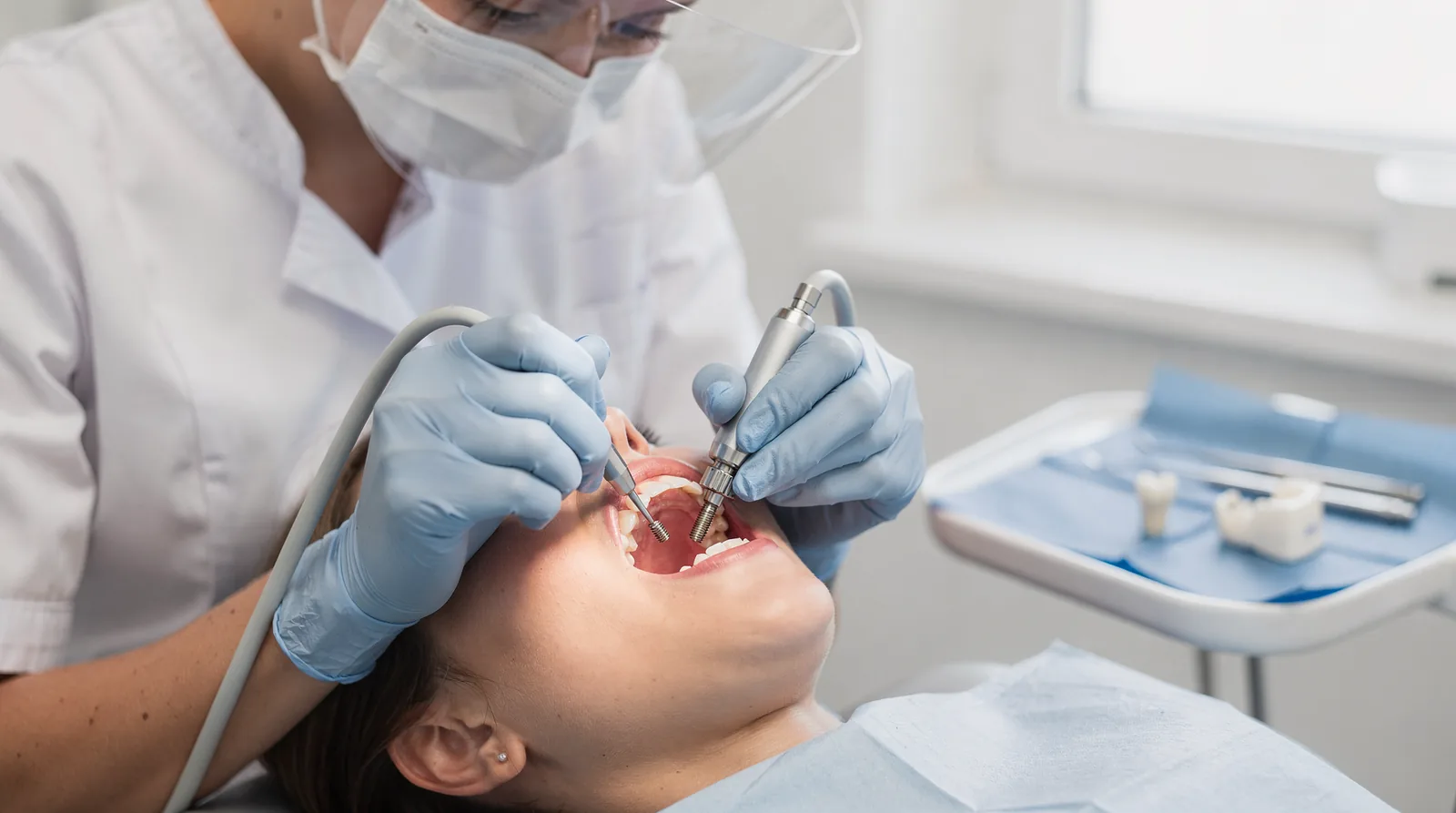
Surgical placement – the implant post is set into the jawbone.
Healing period – the bone integrates with the implant before any pressure is applied.
Final restoration – an abutment connects the crown, bridge, or denture to the implant, completing what dental professionals call improved oral health with implants, since a stable foundation supports better chewing and long-term jaw function.
Does Implant Surgery Hurt?
Anesthesia numbs the gums before any incision is made, so pain during the procedure is not expected. Patients who prefer additional comfort can typically discuss sedation options with the treatment team beforehand. Numbing takes effect quickly, and most people report pressure rather than sharp discomfort throughout.
How Many Dental Visits Does an Implant Require?
More visits than a simple extraction, and that’s by design. Because the jawbone needs time to heal around the implant before the crown attaches, treatment stretches across several appointments over an extended period rather than concluding in one sitting.
For patients balancing implant care with work or family schedules, the Denton office reduces friction where it can. Walk-ins are welcome, and same-day emergencies get accommodated, easing the multi-step nature of implant treatment. Dr. Charles Kim, DDS leads the team with accessible, convenient hours designed to keep each phase of care on track.
How Does Affordable Local Care Support Lasting Results?
Cost and convenience determine whether patients actually finish implant treatment. Dentist in Denton – Dentures and Dental Implants pairs an on-site lab with comprehensive, affordable care, so restorations move forward without the long waits that cause many patients to abandon treatment altogether. Delayed care often means continued bone loss and worsening oral function — outcomes implants are specifically designed to prevent.
Patient trust reflects those choices. The Denton practice holds a 4.9-star reputation, built from feedback left by numerous local patients over time. That kind of consistent rating signals real satisfaction, not a one-time marketing claim.
Is a consultation required before starting implant treatment?
Yes, and it costs nothing to start. Free consultations give patients room to ask questions, review imaging, and understand improved oral health with implants before signing off on any procedure. Nobody has to commit financially just to learn whether implants fit their situation.
What if a patient can’t pay for implants all at once?
Monthly payment options exist for exactly this reason. Spreading costs over time keeps a durable, natural-looking tooth replacement within reach for patients who might otherwise settle for a temporary fix. That flexibility matters most for anyone facing bone loss or chewing difficulty right now — problems that only get harder to treat the longer they wait.
Taken together, these pieces work as a system:
Free consultations remove the financial barrier to getting informed
Monthly payment plans make treatment achievable on a real budget
On-site lab access shortens the timeline from planning to placement
Verified patient reviews offer proof the process actually delivers
Local, affordable structure isn’t a side benefit. It’s what turns a good implant plan into a completed one.
FAQ
How do dental implants protect oral health?
Dental implants preserve jawbone density by replacing tooth roots and preventing rapid bone loss after tooth loss. They restore chewing function and support crowns, bridges, or dentures while protecting surrounding teeth and long-term oral structure.
Why is losing a tooth harmful to the mouth?
A missing tooth triggers accelerated bone loss, altered speech patterns, and changed chewing habits that cause lasting discomfort. Neighboring teeth drift out of position, and the jawbone structure weakens over time without intervention.
What makes implants different from other tooth replacement options?
Implants are surgically placed into the jawbone as medical devices, integrating with bone tissue instead of resting on the gums. This root-level support restores normal biting and chewing patterns without relying on adjacent natural teeth.
Conclusion
In closing, dental implants represent a transformative investment in your long-term oral health and quality of life. By restoring both function and appearance, implants enable you to eat, speak, and smile with confidence while protecting your jawbone and remaining teeth. If you’re considering this restorative option, the team at Dentist in Denton stands ready to guide you through a personalized treatment plan tailored to your unique needs and goals.