Dental implants are a reliable solution for replacing missing teeth, but they do best when you begin caring for them right away. Success doesn’t stop with the surgery; it comes from prevention and steady maintenance. This page gives a practical guide to how implants work, common causes of problems, simple home-care steps, and choices that affect implant health. You’ll also learn how professional care helps prevent issues and why choosing Affordable Dentist Near Me in Fort Worth helps protect your investment.
This guide is written for patients considering implants and for people who already have them. It shares actionable home-care steps, a preview of what your dental team will do at visits, and tips to spot early problems so they can be treated promptly.
What Are Dental Implants — and Why Early Prevention Matters?
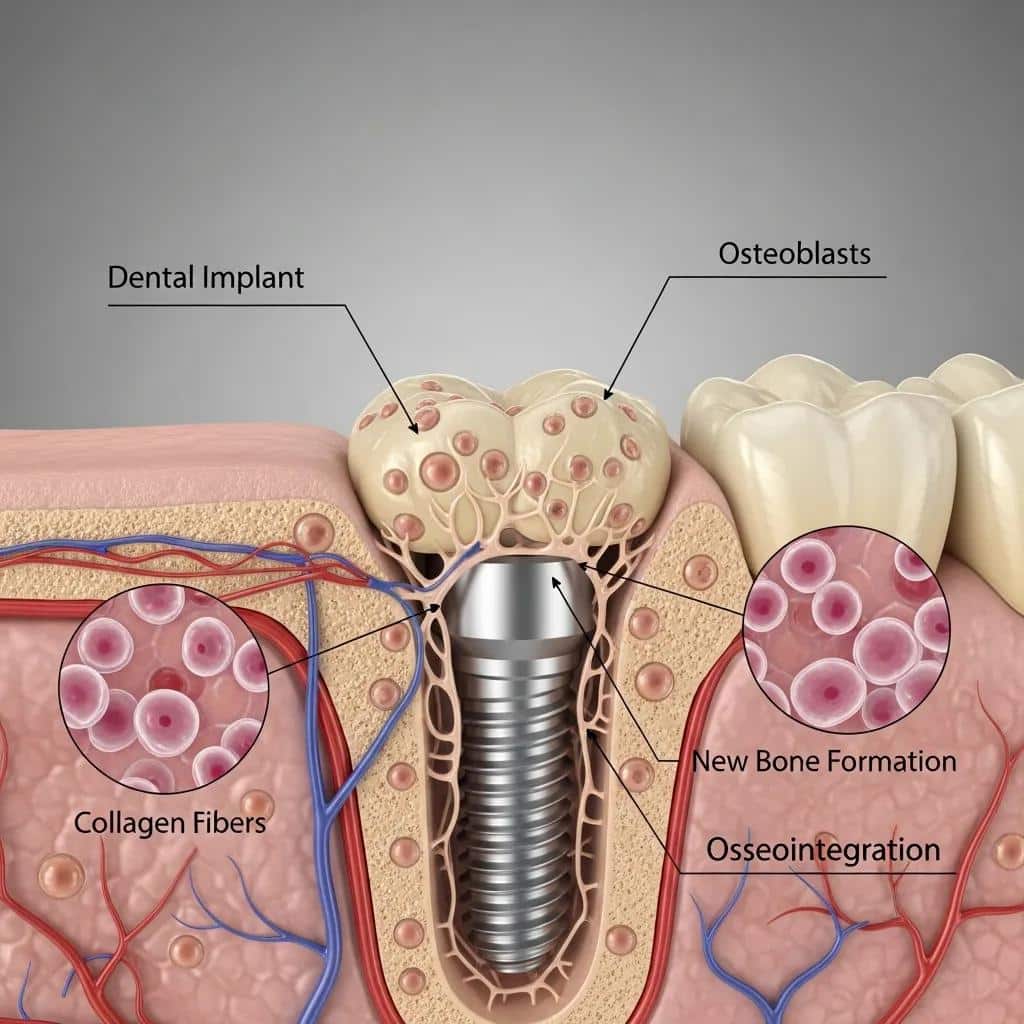
A dental implant replaces a missing toothroot — usually a titanium post placed in the jawbone that supports a crown or bridge. Long-term success depends on osseointegration, where bone attaches to the implant and holds it steady. Early prevention — consistent oral hygiene, routine checkups, and managing risk factors — supports osseointegration and reduces later problems.
Implants have three parts: the implant (the metal fixture in the bone), the abutment (the connector), and the crown or prosthesis (the visible tooth). Healthy gums, a clean abutment connection, and periodic checks of the crown are simple ways to protect these areas from plaque and mechanical strain.
How Do Dental Implants Work and What Is Osseointegration?
Osseointegration is the natural process by which bone cells grow onto the implant surface, forming a stable anchor. Bonding commonly takes about three to six months; when it succeeds the implant can handle normal chewing. Factors that affect osseointegration include bone quantity and quality, surgical technique, implant stability during healing, and the patient’s overall health.
Early prevention helps these factors: control conditions such as diabetes, support smoking cessation, and maintain nutrition and careful oral hygiene during healing.
Why Does Early Prevention Improve Implant Success Rates?
Patients who maintain good oral hygiene and attend routine dental visits show better implant outcomes — many studies report high survival rates for well-maintained implants. Skipping preventive care raises the risk of peri-implantitis and other complications. Early diagnosis and consistent maintenance are keys to protecting implants long-term.
Maximizing Dental Implant Longevity: Early Diagnosis & Maintenance
Catching inflammation early and treating it prevents complications and helps implants keep working. Clinicians improve outcomes by assessing patient risks and setting clear prevention and maintenance plans.
Dental implant management and maintenance: How to improve long-term implant success, L Levin, 2016
Additional research highlights the important role of regular maintenance in long-term implant success.
Importance of Dental Implant Maintenance for Long-Term Success
Regular assessment and maintenance of a dental implant are important to ensure its long-term function. At each maintenance visit clinicians evaluate clinical and preventive factors that support implant health.
Implant maintenance, 2006
What Causes Dental ImplantFailure — and What Are the Signs?
Although implants succeed most of the time, they can fail for biological (infection or inflammation), mechanical (overload or broken parts), or surgical/anatomical reasons (insufficient bone, nerve proximity, or poor placement). Patient habits and overall health — poor oral hygiene, smoking, uncontrolled medical conditions, and heavy grinding — also raise the risk.
What Is Peri-Implantitis and How Does It Affect Implants?
Peri-implantitis is inflammation of tissues around an implant that can cause swollen, red gums and gradual bone loss; if untreated it may lead to failure. It often begins as mucositis (soft-tissue inflammation) and can progress if not controlled. Early detection and cleaning plus professional care can stop progression.
Ongoing studies clarify peri-implantitis risk factors and effective clinical treatments.
Understanding contributors to peri-implantitis guides prevention and treatment choices.
Peri-Implantitis: Causes, Risks, and Implant Failure
Peri-implantitis is a biological complication that leads to bone loss around implants and can result in implant failure. A number of risk factors have been identified; a history of periodontitis is a strong indicator.
Prevalence and possible risk factors of peri-implantitis: a concept review, EM Junior, 2016
Peri-Implantitis: Risk Factors, Diagnosis, and Treatment
While implants are generally successful, peri-implantitis is the most common complication in implant dentistry. This review summarizes factors linked to peri-implant disease and available treatments, noting each option’s benefits and limits. Risk indicators include plaque, smoking, past gum disease, residual cement, certain implant angles, radiation therapy, limited keratinized tissue, implant time in function, sex, and diabetes.
Peri-implantitis update: risk indicators, diagnosis, and treatment, D Rokaya, 2020
This review offers a detailed look at risk factors, diagnosis, and treatments for peri-implantitis.
Despite the high success rates of dental implants, peri-implantitis remains a frequent complication. This review discusses multiple factors associated with peri-implantitis and the available treatments, highlighting their pros and cons. Identified risk indicators include plaque, smoking, history of periodontitis, surface roughness, residual cement, emergence angle >30 degrees, radiation therapy, keratinized tissue width, implant time in function, sex, and diabetes. Treatments range from nonsurgical (mechanical, antiseptic, antibiotics) to surface decontamination (chemical, laser) and surgical approaches (air powder abrasive, resective, regenerative).
Peri-implantitis update: risk indicators, diagnosis, and treatment, D Rokaya, 2020
Which Early Warning Signs Suggest Implant Trouble?
Watch for these early signals:
Persistent Pain: ongoing soreness may indicate infection or other complications.
Swellingand Inflammation: red, puffy gums near the implant can signal peri-implantitis.
Mobility: a loose-feeling implant can mean poor osseointegration or bone loss.
Other signs include a persistent bad taste or breath from the implant area, gum recession, bite changes, or difficulty chewing on that side. Regular self-checks and photos can help your dental team track changes between visits.
Peri-Implantitis: Common Complication & Risk Indicators
Peri-implantitis remains one of the most frequent complications despite high overall implant success. This review discusses contributing factors and treatment options, highlighting indicators like plaque, smoking, past gum disease, surface roughness, leftover cement, certain implant angles, radiation, keratinized tissue width, implant time in function, sex, and diabetes.
Peri-implantitis update: risk indicators, diagnosis, and treatment, D Rokaya, 2020
How to Lower the Risk of Implant Failure with Good Maintenance
Simple, consistent maintenance makes a big difference. Home care plus regular professional checkups help prevent problems and keep implants healthy for years. Small daily habits make professional visits more effective.
What Are the Best Home Care Habits for Implant Health?
Keep the implant area clean daily. Recommended habits include:
Brush twice daily with a soft-bristled brush and a non-abrasive toothpaste.
Floss or clean between teethdaily using implant-specific floss, interdental brushes, or a water flosser.
Use an antimicrobial rinse when advised to reduce bacteria and support gum health.
Check for trapped food after meals and gently remove debris. Use gentle, circular brushing around the crown and gum line and avoid aggressive scrubbing. Water flossers are helpful around bridges or fixed prostheses.
Clinician guidance and tailored maintenance plans improve long-term outcomes; your dental team can recommend the right interdental tool and frequency for your situation.
Dental Implant Hygiene & Maintenance Protocols
Proper care and maintenance grow more important as implants become a common tooth replacement option. This study examined how oral health practitioners train and use clinical routines to provide oral hygiene instruction and maintenance protocols.
Dental Implant Hygiene and Maintenance Protocols: A survey of oral health practitioners in Australia, MS Hopcraft, 2021
As implants become more common, proper care is increasingly important. This study surveyed oral health practitioners about their training and clinical practices for teaching oral hygiene and carrying out maintenance, helping clarify their role in peri-implant care.
Dental Implant Hygiene and Maintenance Protocols: A survey of oral health practitioners in Australia, MS Hopcraft, 2021
Studies emphasize the role of oral health practitioners in training patients and implementing effective maintenance protocols.
Dental Implant Hygiene & Maintenance Protocols
Dental implant care and maintenance are critical as implants grow in popularity as a tooth replacement option. This study investigated implant-related training and clinical practices of oral health practitioners (OHPs) in Australia regarding oral hygiene instruction (OHI) and maintenance protocols to better understand their role in providing peri-implant services.
Dental Implant Hygiene and Maintenance Protocols: A survey of oral health practitioners in Australia, MS Hopcraft, 2021
How Often Should You Have Professional Implant Checkups?
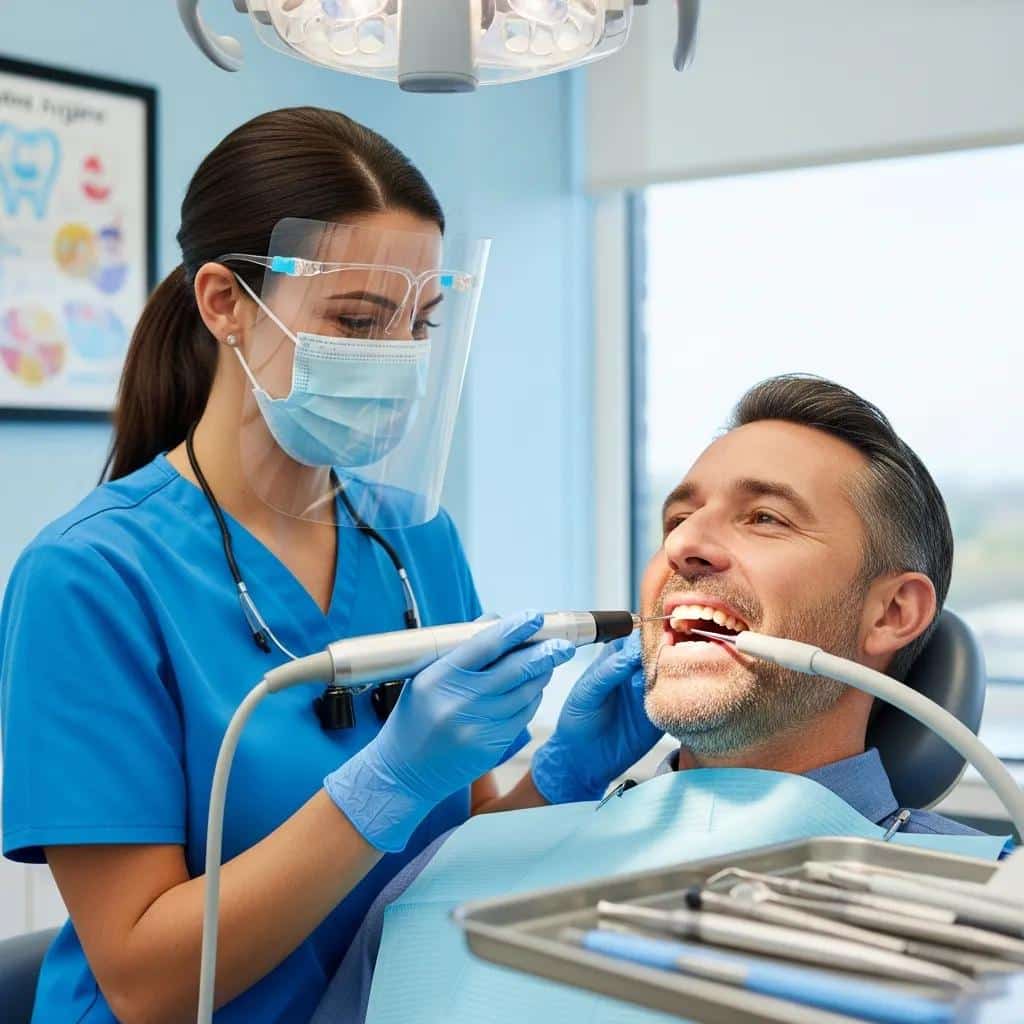
Regular visits let your dentist monitor tissue and bonehealth around an implant. Many patients benefit from cleanings and evaluations every three to six months, depending on individual risk. At a maintenance visit a clinician reviews your medical history, examines soft tissues, measures pocket depths, checks for mobility or loose components, and takes radiographs when needed.
Cleanings often use instruments that won’t scratch implant surfaces. If early signs of inflammation appear, your provider may recommend closer follow-up, topical antiseptics, or targeted therapy.
Dental implant care and maintenance are essential as implants become more widespread. This survey looked at how oral health practitioners are trained and how they provide oral hygiene instruction and maintenance, clarifying their role in peri-implant care.
Dental Implant Hygiene and Maintenance Protocols: A survey of oral health practitioners in Australia, MS Hopcraft, 2021
Which Lifestyle Choices Affect Long-Term Implant Health?
Your daily choices shape how well implants heal and last. Addressing modifiable risks makes a real difference.
How Do Smoking and Health Conditions Affect Implant Outcomes?
Smoking slows healing and reduces blood flow to the gums, increasing complicationrisk. Conditions like uncontrolled diabetes hinder recovery and raise infection risk. Tell your dentist about your medical history so they can plan safe care and monitoring.
If you smoke, ask about cessation options. Even reducing or pausing smoking around surgery and early healing can improve outcomes. Coordinate care with your medical team if you have chronic conditions.
Smoking’s Impact on Dental Implant Failure Rates
This study found that implant success varies by location in the mouth and that smoking is a significant factor in higher failure rates.
The association between the failure of dental implants and cigarette smoking., 1993
What Foods and Nutrients Support Implant Healing?
A balanced diet supports bone and gum health. Helpful choices include:
Calcium-rich foods: dairy, leafy greens, and fortified products.
Vitamin D: fatty fish, egg yolks, and fortified foods to help use calcium.
Antioxidant-rich fruits and vegetables: reduce inflammation and support healing.
Also ensure adequate protein and vitamin C for tissue repair. If you have dietary limits, ask your dentist or primary care provider for guidance.
What Professional Services Help Prevent Implant Problems?
Dental professionals are central to early prevention and ongoing implant care. Regular visits and timely treatment keep small issues from becoming major ones.
How Do Professional Cleanings Reduce Implant Risks?
Professional cleanings remove tartar and plaque in spots you can’t reach at home. Hygienists use implant-friendly scalers and polishing tips, teach better techniques, and recommend appropriate interdental tools. Routine care also checks prosthetic fit and fixes loose screws or worn crowns before they affect tissues.
What Advanced Treatments Are Used for Early Implant Issues?
When problems appear, treatments include:
Laser therapy to reduce inflammation and support healing.
Bonegrafting to rebuild lost bone.
Antibiotictherapy to treat infection when needed.
Localized pockets may respond to non-surgical cleaning, antiseptics, and short antibiotic courses; more advanced bone loss can require surgical regeneration or grafting. Your dental team will explain goals and recovery expectations for each option.
Why Choose Affordable Dentist Near Me in Fort Worth for Implant Care?
Choosing a dental team you trust makes a difference. Affordable Dentist Near Me in Fort Worth provides straightforward implant care with clear pricing and patient-focused service.
What Makes Our Implant Care Affordable and Reliable?
We offer implants, dentures, and emergency care at competitive prices, create personalized treatment plans, explain options clearly, and provide financing to help more patients get care. Our team emphasizes patient education, transparent follow-up, and maintenance schedules based on each patient’s risk profile.
How Can You Schedule a Free Dental Implant Consultation?
Scheduling a free dental implant consultation is easy — call or use our online form. At the consult we’ll review your needs, explain options, and answer questions so you can decide with confidence. Bring medications, medical history, and prior dental records or x-rays if available.
Frequently Asked Questions
What lifestyle changes can enhance the success of my dental implants?
Quit smoking if possible, eat a balanced diet with calcium and vitamin D, practice strict oral hygiene, attend regular checkups, and use a night guard if you grind your teeth.
How can I tell if my dental implant is healing properly?
Proper healing shows decreasing swelling and pain, no pus, and a stable-feeling implant. Report increased discomfort or any change in stability to your dentist promptly.
What are the risks of delaying maintenance for my dental implants?
Delaying maintenance increases the chance of peri-implantitis, bone loss, and possible implant failure. Routine checkups catch problems early and protect prosthetic parts.
What advanced treatments are available for early implant issues?
Treatments include laser therapy, bonegrafting, and antibiotics; your dentist recommends the best approach for your case.
How does nutrition influence the healing process after implant surgery?
Calcium, vitamin D, protein, and antioxidants support bone and soft-tissue healing. Stay hydrated and follow dietary guidance after surgery.
Can dental implants be replaced if they fail?
Often yes. Replacement usually involves removing the failed implant, allowing healing, addressing the cause (infection or low bone), and sometimes grafting before placing a new implant.
What role does professional cleaning play in maintaining dental implants?
Professional cleaning removes tartar and plaque in places home care can’t reach and lets clinicians spot early signs of trouble.
What are the signs that my dental implant is failing?
Persistent pain, noticeable swelling, redness, increased mobility, changes in bite, or a bad taste or discharge may indicate infection. Contact your dentist promptly.
How can I improve my oral hygiene routine for dental implants?
Brush twice daily with a soft brush and non-abrasive paste, clean between teeth daily with implant-specific floss or interdental brushes or a water flosser, and use an antimicrobial rinse if recommended.
What dietary changes can support the healing of dental implants?
Eat calcium- and vitamin D-rich foods, antioxidant-rich fruits and vegetables, adequate protein, and stay hydrated. Soft nutrient-dense foods are helpful immediately after surgery.
How does smoking affect dental implant success?
Smoking slows healing, reduces blood flow to gums, and increases infection and failurerisk. Discuss cessation options with your dentist.
What should I do if I experience discomfort after my dental implant procedure?
Follow post-op instructions, use recommended pain relievers, apply ice for swelling, and contact your dentist if pain worsens or signs of infection appear.
How often should I schedule follow-up appointments after getting dental implants?
Many patients benefit from follow-ups every three to six months depending on risk; your dentist will tailor the schedule to you.
Can I still get dental implants if I have a history of gum disease?
Yes — usually after gum disease is treated and controlled. Your dentist will stabilize tissues and create a maintenance plan before surgery.
What are the long-term effects of poor oral hygiene on dental implants?
Poor hygiene allows plaque buildup, increasing peri-implantitis risk and potential bone loss, which can lead to implant failure and the need for more invasive care.
How can I manage anxiety about dental implant procedures?
Talk with your dentist to understand steps and expectations, try relaxation techniques, and ask about sedation options if needed.
What should I expect during the recovery period after implant surgery?
Expect some swelling, mild bruising, and discomfort. Follow post-op diet and activity instructions and attend follow-ups to confirm healing.
Are there any specific activities I should avoid after getting implants?
Avoid heavy exercise, strenuous activity, heavy lifting, smoking, and alcohol for a few days post-op; follow your dentist’s guidance.
How can I tell if my dental implant is healing properly?
Decreasing swelling and pain, no pus or excess bleeding, and a stable-feeling implant are good signs—report concerns to your dentist.
What role does nutrition play in the healing process after implant surgery?
Nutrition supports recovery: calcium and vitamin D for bone, antioxidants to reduce inflammation, protein for tissue repair, and hydration to aid healing.
Can dental implants be replaced if they fail?
Yes — often after removing the failed implant, treating causes, allowing healing, and doing preparatory work like grafting when needed.
What should I do if I notice signs of implant failure?
Contact your dentist immediately. Early treatment such as deep cleaning, antibiotics, or other targeted care can often save the implant. If you can’t get an immediate appointment, avoid chewing on the side, keep the area gently clean, and rinse with warm saltwater.
Can dental implants be placed in patients with a history of gum disease?
Yes, after gum disease is treated and stabilized. Your dentist will reassess tissue health and create a maintenance plan to lower recurrence risk.
How does diet influence healing after implant surgery?
A balanced diet supports recovery: calcium and vitamin D for bone healing, antioxidants for inflammation, and soft nutritious foods immediately post-op. Gradually return to firmer foods as healing allows.
What are the risks of delaying implant maintenance?
Skipping maintenance increases peri-implantitis, bone loss, and possible implant failurerisk, and makes prosthetic repairs more costly and complex.
Are there specific products you recommend for cleaning implants?
Use a soft-bristled toothbrush, non-abrasive toothpaste, implant-specific floss, interdental brushes sized for your contacts, or a water flosser. Avoid metal tools and abrasive pastes that could scratch implant surfaces.
How can I find a qualified dentist for implants?
Ask for recommendations, read reviews, and look for experience with implants. A consultation lets you meet the team, check credentials, and learn about follow-up and maintenance plans.
What lifestyle changes can improve implant success?
Stop smoking, eat a nutrient-rich diet, maintain strict oral hygiene, attend regular dental visits, wear a night guard if you grind, and manage chronic conditions with your care team.
How Do You Maintain Dental Implants Long Term?
Long-term care means daily brushing and interdental cleaning, routine professional cleanings, and healthy habits like avoiding tobacco. Small, consistent actions and scheduled hygiene visits protect your implant investment.
What Are the Signs of Peri-Implantitis?
Look for swelling, redness, bleeding, persistent pain, discharge, increasing mobility, or a change in how the crown fits. Any of these signs warrants a prompt checkup.
Maintenance Practice
Frequency
Importance
Daily Brushing
Twice Daily
Prevents plaque buildup
Daily Flossing
Once Daily
Reduces risk of infection
Professional Cleanings
Every 3-6 Months
Monitors implant health
Lifestyle Factor
Impact on Implants
Recommendations
Smoking
Increases failure risk
Quit smoking for better healing
Diet
Supports bone health
Eat calcium and vitamin D-rich foods
Oral Hygiene
Prevents infections
Maintain daily cleaning routine
Early prevention, consistent maintenance, and healthy lifestyle choices work together to keep implants dependable and long-lasting.
Conclusion
Long-lasting dental implants begin with early prevention and consistent maintenance. Keep up good oral hygiene, attend regular checkups, and address risks such as smoking or uncontrolled health conditions to improve outcomes. Affordable Dentist Near Me in Fort Worth offers practical treatment plans and free consultations to help you get started.
If you already have implants, follow your maintenance plan and report changes promptly. If you’re considering implants, use the consultation to learn prevention steps that protect your investment from day one.
Conclusion
Conclusion
Long-lasting dental implants start with prevention and steady maintenance. Prioritize hygiene, follow-up visits, and risk management to support implant longevity. Our team in Fort Worth can guide you with tailored plans and support.
Conclusion
Long-lasting dental implants begin with early prevention and consistent maintenance. By prioritizing good oral hygiene, regular checkups, and addressing risks such as smoking or uncontrolled health conditions, you significantly enhance the likelihood of a successful outcome. Affordable Dentist Near Me in Fort Worth is here to provide clear guidance and practical treatment plans tailored to your needs. Schedule your visit today to take the next step in safeguarding your smile.