Maintaining Your Smile: Essential Care and Choosing Between Dental Implants, Bridges, and Dentures
Maintaining a healthy smile is crucial for overall well-being, and understanding the options available for tooth replacement is a key part of that process. This article will explore the differences between dental implants, bridges, and dentures, providing insights into their benefits, maintenance, and costs. Many individuals face challenges when it comes to tooth loss, which can impact both functionality and self-esteem. Fortunately, there are effective solutions available that can restore both appearance and function. We will delve into the specifics of each option, how to care for them, and how to choose the best fit for your lifestyle. Additionally, we will highlight the importance of consulting with dental professionals to ensure the best outcomes.
What Are the Key Differences Between Dental Implants, Bridges, and Dentures?
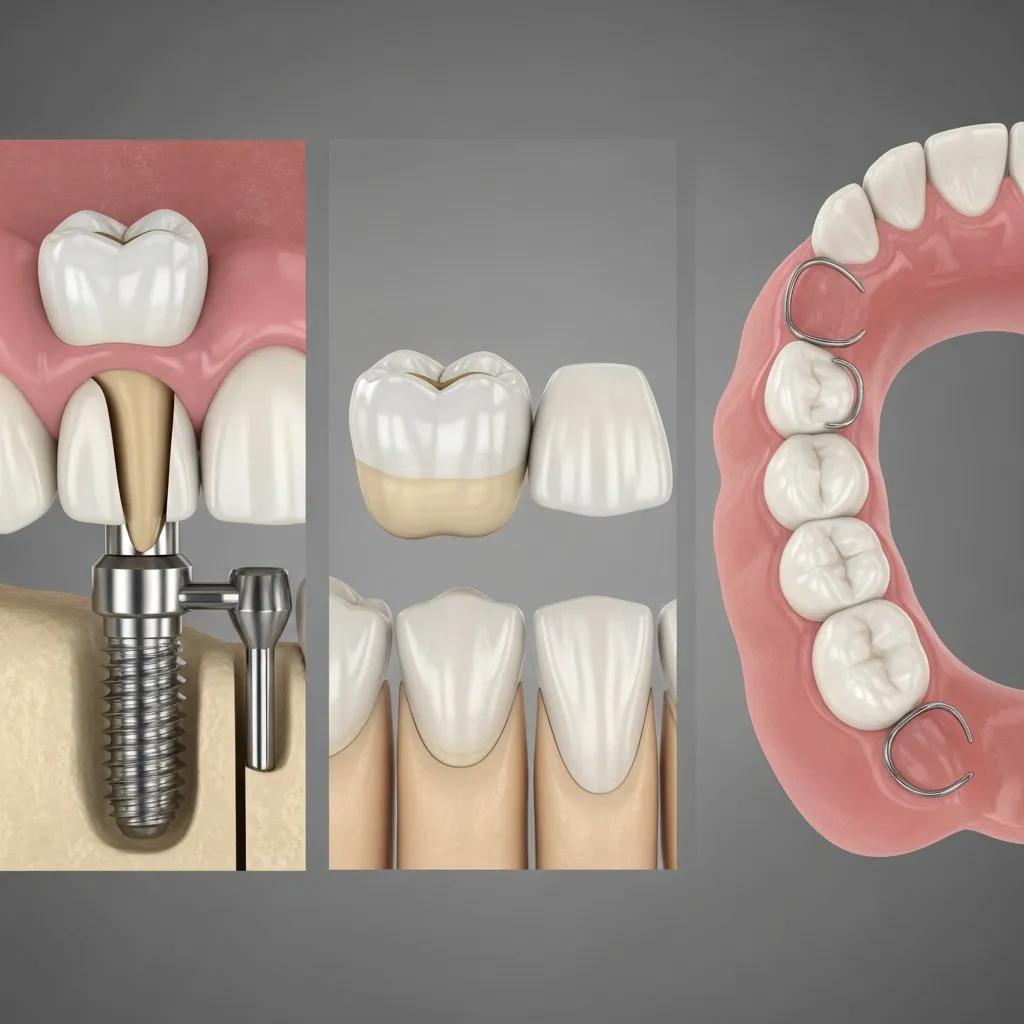
When considering tooth replacement options, it’s essential to understand the key differences between dental implants, bridges, and dentures. Each option has unique characteristics, benefits, and limitations that cater to different patient needs.
How Do Dental Implants Work and Who Are They Best For?
Dental implants are titanium posts surgically placed into the jawbone, serving as artificial tooth roots. They work by fusing with the bone through a process called osseointegration, providing a stable foundation for replacement teeth. Ideal candidates for dental implants are individuals with sufficient bone density and healthy gums. Success rates for implants are high, often around 90-95%, making them a reliable long-term solution for tooth loss.
What Are the Benefits and Limitations of Bridges?
Bridges are dental prosthetics that fill the gap created by one or more missing teeth. They are anchored to adjacent teeth, providing a fixed solution. The benefits of bridges include improved aesthetics, restored chewing function, and the prevention of remaining teeth from shifting. However, they require the alteration of adjacent teeth, which can be a limitation for some patients. Additionally, bridges may not last as long as implants, typically lasting between 5 to 15 years depending on care and materials.
How to Maintain Dental Implants for Long-Term Success?
Proper maintenance of dental implants is crucial for their longevity and success. Regular care and professional check-ups can help prevent complications and ensure optimal function.
Research further emphasizes the critical role of proper maintenance, highlighting that dental implants are widely recognized as the standard of care for tooth replacement.
Dental Implant Maintenance: Hygienist Practices & Standard of Care
Dental implants are now considered the standard of care for supporting dental restorations in edentulous areas. The purpose of this study was to explore the attitudes and practices of dental hygienists in the United States regarding dental implant assessment and maintenance care.
Dental hygienists’ knowledge regarding dental implant maintenance care: A national survey, 2020
What Are the Daily Cleaning Steps for Dental Implant Hygiene?
Daily cleaning of dental implants involves brushing twice a day with a soft-bristled toothbrush and non-abrasive toothpaste. Flossing is also essential to remove plaque and food particles around the implant. Using an antibacterial mouthwash can further enhance oral hygiene by reducing bacteria in the mouth.
How Often Should You Schedule Professional Implant Check-Ups?
Professional check-ups for dental implants should be scheduled at least once or twice a year. During these visits, dentists will assess the health of the gums and the stability of the implant. Signs that may indicate the need for more frequent visits include swelling, pain, or any changes in the implant’s position.
What Are Effective Bridge Care Practices and Longevity Factors?
Maintaining dental bridges requires specific care practices to ensure their longevity and functionality. Understanding these practices can help patients maximize the lifespan of their bridges.
How Does Bridge Care Differ From Implant Maintenance?
Bridge care differs from implant maintenance primarily in the cleaning techniques used. While implants require careful brushing and flossing around the implant site, bridges necessitate cleaning under the false tooth and around the supporting teeth. Special cleaning devices, such as floss threaders or interdental brushes, can be beneficial for maintaining bridges.
What Influences the Lifespan of Dental Bridges?
Several factors influence the lifespan of dental bridges, including the quality of materials used, the patient’s oral hygiene habits, and regular dental visits. High-quality materials can enhance durability, while poor oral hygiene can lead to decay in the supporting teeth, ultimately affecting the bridge’s longevity.
How Should You Clean and Store Dentures to Prevent Oral Infections?
Cleaning and storing dentures properly is vital to prevent oral infections and maintain overall oral health.
What Are the Recommended Daily Denture Cleaning Methods?
Daily cleaning of dentures involves rinsing them after meals and brushing them with a soft-bristled brush and denture cleaner. Soaking dentures in a cleaning solution overnight can help remove stains and bacteria. It’s important to avoid using regular toothpaste, as it can be abrasive and damage the denture material.
How Does Proper Denture Storage Affect Oral Health?
Proper storage of dentures is essential to prevent damage and maintain hygiene. Dentures should be kept in a clean container when not in use, preferably submerged in water or a denture solution to prevent them from drying out. This practice helps maintain their shape and prevents bacterial growth.
What Are the Cost Differences Between Dental Implants, Bridges, and Dentures?
Understanding the cost differences between dental implants, bridges, and dentures is crucial for making an informed decision about tooth replacement options.
How Does Insurance Typically Cover Each Tooth Replacement Option?
Insurance coverage for dental implants, bridges, and dentures varies significantly. Many plans may cover a portion of the costs for bridges and dentures, while implants may be considered a cosmetic procedure and receive limited coverage. It’s essential to check with your insurance provider to understand specific coverage details.
What Are the Long-Term Care Costs for Each Prosthetic Type?
Long-term care costs can differ based on the type of prosthetic chosen. Dental implants may have higher initial costs but often require less maintenance over time. Bridges may need replacement every 5 to 15 years, leading to additional costs. Dentures also require regular adjustments and replacements, contributing to ongoing expenses.
Studies have further explored the financial implications, suggesting that despite potentially higher initial costs, dental implants can offer a more favorable cost-effectiveness over time compared to alternatives like fixed partial dentures.
Cost-Effectiveness of Dental Implants vs. Fixed Partial Dentures
These four treatment alternatives were compared from the perspective of cost-effectiveness, including whether a tooth should be extracted and replaced with an implant. The implant reconstruction demonstrated a more favorable cost/effectiveness.
Cost-effectiveness of endodontic molar retreatment compared with fixed partial dentures and single-tooth implant alternatives, SG Kim, 2011
How to Choose the Right Tooth Replacement Based on Your Lifestyle and Needs?
Choosing the right tooth replacement option involves considering various factors, including lifestyle, budget, and personal preferences.
What Patient Factors Influence Suitability for Implants, Bridges, or Dentures?
Factors influencing the suitability for implants, bridges, or dentures include the patient’s overall health, bone density, and personal preferences regarding maintenance and aesthetics. Patients with good oral health and sufficient bone structure are typically ideal candidates for implants, while those seeking a less invasive option may prefer bridges or dentures.
Research into patient experiences further reveals that satisfaction levels vary significantly among different prosthetic options, with implants often leading to higher satisfaction in terms of function, aesthetics, and speech efficiency, while choice is influenced by factors like cost and awareness.
Patient Satisfaction & Choice Factors for Implants, Bridges, and Dentures
The highest satisfaction percentage among groups studied was recorded for dental implants then FPD groups, while the least percentage were in both the control and RPD groups, for all aspects of function, esthetic and speech efficiency. The final choice between FPD, RPD and implant depended on several factors which affected the decision making; among these is cost and patients’ awareness of the different treatment options.
Single-tooth replacement: factors affecting different prosthetic treatment modalities, FA Al-Quran, 2011
How Can a Free Dental Consultation Help You Decide?
Scheduling a free dental consultation can provide valuable insights into the best tooth replacement option for your needs. During the consultation, dental professionals can assess your oral health, discuss your preferences, and outline the pros and cons of each option. This personalized approach ensures that you make an informed decision tailored to your unique situation.
What Are Common Questions About Dental Prosthetic Care?
Addressing common questions about dental prosthetic care can help patients feel more confident in their choices and maintenance routines.
How Often Should I Clean Dental Implants?
Dental implants should be cleaned daily, similar to natural teeth. Regular brushing and flossing are essential to prevent plaque buildup and maintain gum health. Patients should also schedule professional cleanings at least once or twice a year.
Are Bridges Easier to Maintain Than Implants?
Bridges may be perceived as easier to maintain since they do not require the same surgical care as implants. However, they still require diligent cleaning to prevent decay in the supporting teeth. Implants, while requiring specific care, can be easier in the long run due to their durability and stability.
Can Dentures Cause Oral Infections If Not Cleaned Properly?
Yes, improper cleaning and storage of dentures can lead to oral infections. Bacteria can accumulate on dentures, leading to conditions such as denture stomatitis. Regular cleaning and proper storage are essential to prevent these issues.
Where to Find Affordable Dental Care and Schedule Your Free Consultation in Waco?
Finding affordable dental care is crucial for maintaining oral health, especially when considering tooth replacement options.
How to Book Your Free Dental Implant Maintenance Consultation Online?
Booking a free dental implant maintenance consultation is simple. Visit the website of Affordable Dentist Near Me in Waco, where you can easily schedule an appointment online. This consultation will provide you with personalized advice and treatment options tailored to your needs.
What Makes Affordable Dentist Near Me in Waco a Trusted Choice?
Affordable Dentist Near Me in Waco is a local dental practice focused on providing affordable, accessible dental care solutions, including dental implants, bridges, and dentures. Their commitment to personalized consultations and treatment plans ensures that patients receive the best care possible, making them a trusted choice for dental needs.
To further assist you, scheduling a consultation can help determine the best course of action for your specific dental needs.