Patient Stories on Dental Implant Satisfaction in Mansfield
Dental Implant Patient Reviews and Satisfaction: Exploring Real Testimonials for Mansfield Patients
Patient testimonials offer a direct line into how dental implants perform in everyday life, particularly for local communities weighing restorative options. This article assembles and analyzes Mansfield-specific patient stories and satisfaction signals to help prospective patients decide whether dental implants match their functional and aesthetic goals. Readers will find detailed coverage of how testimonials build trust, real-world comments on comfort and function, aesthetic transformations, long-term durability insights, the role of a free dental implant consultation, clinician profiles, and comparisons to national trends. The focus is local: Dental Implants in Mansfield and Mansfield dental implant success stories appear throughout to keep recommendations relevant to residents. By synthesizing patient-reported outcomes, practical maintenance advice, and clinic-level features that influence satisfaction, this piece helps you set realistic expectations and moves toward an informed next step if you are considering a consult or implant treatment.
Why Are Dental Implant Patient Testimonials Important for Mansfield Residents?
Patient testimonials matter because they translate clinical processes into lived outcomes, showing how Dental Implants in Mansfield change daily life and reduce uncertainty for local patients. Testimonials explain mechanisms—how implant posts anchor prosthetics and restore chewing—while highlighting benefits like comfort, aesthetics, and confidence in a form prospective patients can relate to. For Mansfield residents who face choices about restorative dentistry, local reviews reduce perceived risk by connecting outcomes to the specific clinic, staff, and community circumstances. Testimonials also reveal practical patterns such as recovery timelines and common maintenance practices, which help people set realistic expectations before treatment. These real voices therefore act as both validation and roadmap: they demonstrate plausible results and the steps other patients took to get there.
How Do Patient Reviews Build Trust in Mansfield Dental Implant Services?
Reviews build trust by naming consistent positive elements—clear communication, transparent pricing, and friendly staff—so readers infer reliability from repeated patterns rather than isolated praise. Mansfield patient reviews frequently reference staff demeanor and the clarity of explanations during the consult, which reduces anxiety about oral surgery and post-operative care. Visual cues in reviews, such as before-and-after image captions, function as corroborating evidence that supports written claims about aesthetic improvement and function. Trust is further reinforced when reviews mention concrete process details like treatment timelines, use of modern technology, or follow-up care, because specificity signals firsthand experience. These credibility-building elements help prospective patients move from curiosity to a belief that similar results are achievable for them.
What Common Themes Emerge from Mansfield Dental Implant Testimonials?
When testimonials are aggregated, a handful of recurring themes appear and directly inform decision-making for future patients. Many Mansfield patients emphasize restored chewing ability and improved confidence as primary outcomes, underscoring both functional and psychosocial benefits of implants. Comments about clear, transparent pricing and affordable payment plans appear repeatedly, indicating that financial clarity strongly influences satisfaction and treatment acceptance. Recovery experiences are often framed by the level of pre-op and post-op communication from the clinical team, which means clinician responsiveness is a pivotal satisfaction driver. These themes—function, aesthetics, cost transparency, and staff support—form a local evidence cluster that prospective patients can use to evaluate providers and set expectations before committing to surgery.
Key testimonial themes for Mansfield include restored chewing, improved confidence, transparent pricing, and supportive staff.
Testimonials often highlight before-and-after photos and clear timelines as especially persuasive details.
Financial clarity and available payment plans are frequently mentioned as decisive factors in moving forward with treatment.
These recurring themes provide actionable signals: prioritize clinics that demonstrate transparent pricing, document transformations visually, and communicate a clear recovery plan before scheduling treatment.
What Do Mansfield Patients Say About Dental Implant Comfort and Functionality?
Dental implants are commonly described in patient reports as restoring basic functions—chewing, speaking, and the tactile comfort associated with fixed teeth—because osseointegration anchors the prosthetic to the jawbone and stabilizes occlusion. Patients explain that when an implant post integrates with bone and is fitted with an abutment and crown, the result often feels more like a natural tooth in everyday tasks. Comfort and functionality improvements typically appear within weeks of healing, with many patients noting progressive gains as swelling subsides and adaptation occurs. Patient-reported outcomes focus on measurable daily improvements such as fewer dietary restrictions, more confident speech, and reduced irritation compared with removable dentures. These functional narratives help readers understand what to expect during the transition from missing or failing teeth to a stable implant-supported solution.
The functional and esthetic requirements for dental implants are a critical consideration for patient satisfaction.
Functional and Esthetic Requirements for Dental Implants
The functional and esthetic requirements for dental implants are discussed. The ability to restore implants esthetically has been fraught with challenges, and this review covers surgical considerations for cosmetic implant dentistry and esthetic demands posed by dental implant-supported restorations.
A review of the functional and esthetic requirements for dental implants, 2007
How Do Dental Implants Restore Chewing and Speaking Abilities?
Implants restore chewing and speaking by creating a fixed support for crowns or dentures that replicates the mechanics of natural teeth, which improves force distribution and bite stability. Patients often report being able to reintroduce firmer foods they previously avoided and experiencing more predictable speech patterns because the prosthetic no longer shifts during talking or eating. The mechanical explanation—implant post plus abutment plus crown—translates into practical gains: increased bite strength and reduced slippage compared with removable dentures or compromised natural teeth. Adaptation varies by individual, but many Mansfield patients cite a short period of adjustment followed by clear functional improvement. Understanding these mechanics helps prospective patients set expectations for dietary changes and speech adaptation after implant placement.
Before/after function comparison from aggregated patient feedback:
Functional Area
Typical Condition Before Implants
Patient-Reported Outcome After Implants
Chewing ability
Avoidance of hard or chewy foods
Marked improvement; reintroduction of varied diet
Speaking clarity
Occasional slippage or lisping
Restored clarity; reduced prosthetic movement
Oral stability
Removable prosthesis movement
Fixed support; increased confidence while eating
This comparison highlights how implants convert mechanical stability into everyday functional improvement, a core reason many patients choose implant therapy.
What Are Patients’ Experiences with Pain and Recovery After Implant Surgery?
Patients commonly describe the surgical and recovery experience as manageable when clinicians provide clear expectations, pain-management instructions, and timely follow-up. Short-term discomfort is frequently reported around the surgical site, typically controlled with prescribed or over-the-counter analgesics and ice therapy, and most patients notice meaningful reduction in pain within the first week. Post-operative satisfaction correlates strongly with the quality of pre-op education and post-op access to the clinical team—patients who feel informed and supported tend to rate their recovery more positively. Typical recovery milestones mentioned in testimonials include initial discomfort days 1–3, improved function by weeks 2–4, and ongoing tissue maturation over several months. These patient narratives emphasize that realistic preparation and clinician communication are as important to satisfaction as the surgical technique itself.
How Do Dental Implants Enhance Aesthetics and Confidence According to Patient Stories?
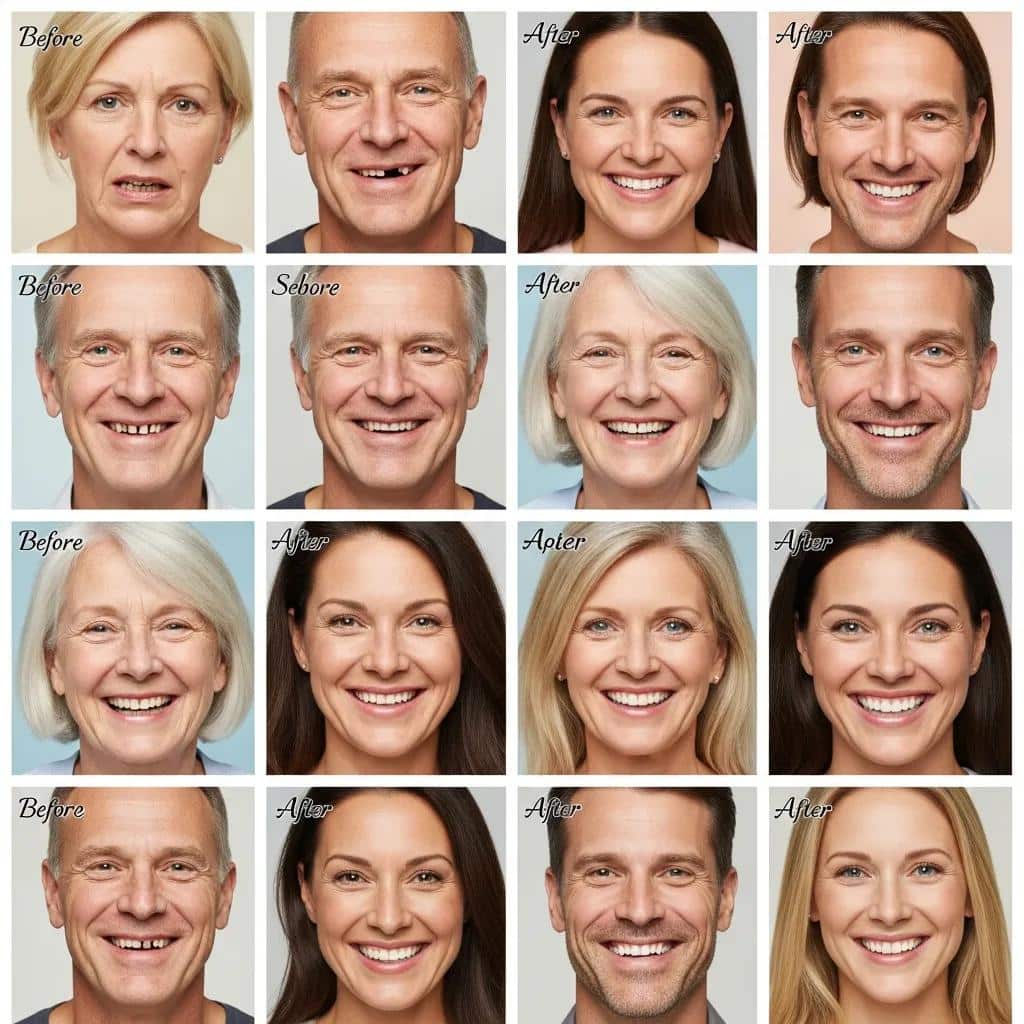
Aesthetic outcomes are central in many testimonial narratives because a restored smile often triggers measurable psychosocial improvements like smiling more, social ease, and heightened self-image. Patients describe cosmetic transformations ranging from closing visible gaps to replacing worn crowns with natural-looking prosthetics, with results frequently framed in emotional terms. The visual nature of smile changes makes before-and-after imagery especially persuasive; captions that describe color matching, tooth proportions, and alignment help readers see the specific aesthetic benefits. Beyond appearance, patient stories emphasize the link between aesthetics and social confidence: a natural-looking implant-supported tooth can reduce self-conscious behaviors and encourage more open social interaction. Understanding how aesthetics and emotional outcomes intertwine helps prospective patients weigh the personal value of implant treatment.
The pursuit of aesthetic excellence is a significant driver for patients seeking dental implants.
Dental Implants and Aesthetics: A Systematic Review
This systematic review aims to analyze the literature on dental implant and aesthetics. The review focuses on aesthetic excellence before and after the rehabilitation of former regions’ use of dental implants, including the peri-implant phenotype in the context of peri-implant health.
Dental implant and aesthetics: A systematic review, 2023
What Before and After Transformations Do Mansfield Patients Report?
Mansfield patients commonly report transformations such as restored tooth proportions, improved color matching, and elimination of visible gaps that previously impacted their smile aesthetics. These visual improvements are often accompanied by functional upgrades—when crowns fit seamlessly, they also support better bite distribution and reduced soft-tissue irritation. Representative stories highlight changes like a fuller smile, better facial support after replacing missing posterior teeth, and a more youthful appearance when anterior teeth are restored. Captions that accompany before-and-after photos typically call out specific changes—shade selection, alignment corrections, and natural contours—which helps readers understand the craftsmanship behind aesthetic results. These combined visual and functional improvements frequently translate into enhanced self-confidence and daily comfort for patients.
How Do Dental Implants Boost Self-Confidence and Quality of Life?
Patients regularly link implant outcomes to broad quality-of-life gains, reporting increased willingness to engage in social events, improved workplace confidence, and more enjoyable dining experiences. Testimonial narratives often highlight everyday moments—laughing without holding a hand over the mouth, accepting close-up photos, or eating freely—that indicate meaningful psychosocial shifts. These changes stem from both aesthetic restoration and improved oral stability; when people trust their teeth, they take fewer social precautions and report higher life satisfaction. Testimonials also indicate that implant success can catalyze further dental care, such as completing a smile makeover, which amplifies the initial gains. Overall, patient stories show that dental implants can produce durable improvements in social participation and self-perception.
Patients report three primary quality-of-life benefits from implants:
Increased social confidence and willingness to smile.
Greater dietary freedom and enjoyment of meals.
Reduced daily self-monitoring and anxiety about prosthetic movement.
These insights connect the cosmetic outcomes directly to measurable lifestyle improvements, underscoring why many patients prioritize implants over other restorative options.
What Are the Long-Term Satisfaction and Durability Insights from Mansfield Dental Implant Patients?
Long-term satisfaction with dental implants centers on durability, predictable maintenance, and the distinction between fixture longevity and prosthetic replacement. Patient accounts commonly describe years of trouble-free function for the implant fixture itself while noting that crowns or prosthetic components may need repair or replacement over time. Satisfaction is tightly linked to ongoing hygiene habits and scheduled professional checkups—patients who adhere to maintenance routines report fewer complications and higher perceived value. Testimonials also emphasize the importance of initial planning, such as bone assessment and treatment sequencing, because thorough planning reduces surprises and contributes to durable outcomes. These long-term narratives help prospective patients weigh the investment in implants against expected lifespan and maintenance needs.
How Long Do Dental Implants Last According to Real Patient Feedback?
Patients typically report multi-year periods of successful, trouble-free function for implant fixtures, with many describing a sense that the implant behaves like a permanent tooth once integration and prosthetic restoration are complete. While prosthetic elements such as crowns and attachment components may require adjustment or replacement over time, the underlying implant post is often perceived as long-lasting. Patient stories frequently note that consistent home care and routine professional exams play a pivotal role in extending the functional life of both fixture and prosthetic. These anecdotal timelines, combined with documented maintenance patterns, form a patient-centered view of implant longevity that helps set pragmatic expectations for future care.
Implant Type
Patient-Reported Longevity
Recommended Maintenance
Single-tooth dental implant
Years of stable function with occasional crown maintenance
Daily hygiene; periodic dental exams and crown checks
All-On-4 implants
Long-term base stability; prosthetic relines or repairs over time
Meticulous hygiene; scheduled professional cleanings and adjustments
Implant-supported denture
Improved stability vs removable dentures; periodic attachment replacements
Regular maintenance of attachments; denture relines; hygiene vigilance
This table clarifies how type of restoration shapes both perceived longevity and necessary care, helping patients plan for realistic upkeep demands.
What Maintenance Practices Support Long-Term Implant Success?
Patients and clinicians consistently recommend a maintenance routine that combines daily oral hygiene, lifestyle management, and scheduled professional assessments to maximize implant longevity. Daily practices include meticulous brushing around the implant crown, flossing or interdental cleaning at the abutment interface, and avoiding habits that strain restorations, such as biting very hard objects. Professional maintenance usually consists of periodic examinations, hygiene visits with attention to implant sites, and timely prosthetic adjustments when wear is observed. Lifestyle factors like smoking cessation and management of bruxism are commonly cited in testimonials as influential to long-term outcomes; patients who address these factors report fewer complications. A straightforward checklist from patient experiences helps convert these narratives into actionable routines.
Essential maintenance checklist for implant longevity:
Brush twice daily and clean interdentally around implants.
Attend regular professional checkups and hygiene appointments.
Address lifestyle risks (stop smoking, obtain bruxism management if needed).
Adopting these practices converts patient lessons into a clear plan that supports durable implant satisfaction.
How Does the Free Dental Implant Consultation Influence Patient Satisfaction in Mansfield?
Yes — the free dental implant consultation makes a measurable difference by reducing uncertainty, clarifying treatment options, and linking patient expectations to realistic outcomes. During a consult, clinicians assess oral health, discuss restorative choices, review financing options like affordable payment plans, and outline a treatment timeline, which together lower perceived risk and increase commitment to follow-through. Testimonials often single out the consult as a turning point: patients who felt listened to and given clear next steps reported higher satisfaction after treatment than those who felt rushed. The consult also functions as an opportunity to preview facility features—modern technology and a welcoming staff—which further reassures patients about the quality of care and logistical expectations. Overall, the consult can be a decisive factor in both uptake and long-term satisfaction.
The consultation process is crucial for aligning patient expectations with the realities of implant dentistry.
Managing Patient Expectations in Implant Dentistry
Implant dentistry has evolved significantly over the past decades, transitioning from pioneering procedures to a routine offering in modern dental practices. This evolution, coupled with the pervasive influence of digital media, has transformed patient expectations, often creating a disconnect between perceived outcomes and biological reality. This article explores the dynamics of managing expectations in implant dentistry, emphasising the critical role of informed consent and patient education.
Patient expectations in implant and aesthetic dentistry: Patient expectations in implant and aesthetic dentistry, 2025
What Do Patients Say About Their Free Implant Consultations?
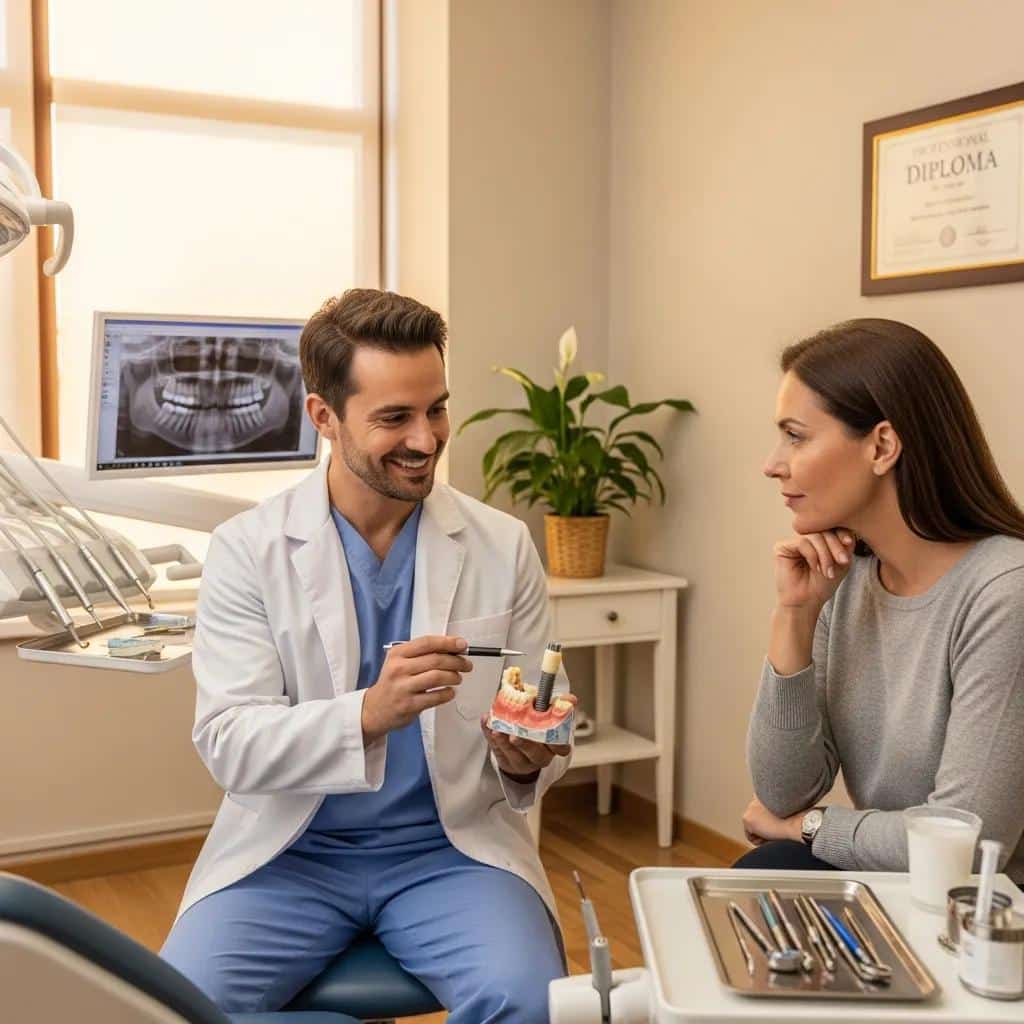
Patients describe the free consult as an informational and relational experience that established trust through clear explanations, visual aids, and treatment roadmaps. Common positive impressions include being shown imaging or models to explain bone condition and restoration options, receiving transparent discussions about pricing and payment plans, and meeting staff who explain logistics and aftercare. Testimonials indicate that consults that include a review of expected recovery, follow-up visits, and potential complications tend to produce higher post-treatment satisfaction because expectations are calibrated from the start. Patients value the consult most when it results in a personalized treatment plan rather than a generic pitch, which is why specificity during the visit correlates with better long-term perceptions.
Consult features table: what patients learn and benefits
Consult Feature
What Patient Learns
Outcome / Benefit
Clinical assessment
Bone condition, soft-tissue health, suitability for implants
Steps from consult to placement and follow-up schedule
Sets expectations; reduces surprises during recovery
How Can Scheduling a Free Consult Improve Your Dental Implant Journey?
Scheduling a free consult streamlines the pathway from uncertainty to action by providing a personalized evaluation, financial clarity, and a clear sequence of next steps that reduce anxiety and speed decision-making. The consult often includes discussion of diagnostic imaging, assessment of denture versus fixed options (including hyponyms such as All-On-4 implants or implant-supported dentures), and explanation of maintenance needs, which helps patients choose a plan that fits their lifestyle and budget. Patients who take advantage of the consult also report feeling more confident about the recovery process because clinicians preview pain management and follow-up care. A simple three-step roadmap commonly emerges from patient narratives: assessment, personalized plan with financing, then staged treatment—each step reducing friction and fostering higher satisfaction when completed.
Three-step roadmap from consult to completed implant care:
Clinical assessment and diagnostic planning during the free consult.
Agreement on a personalized treatment plan and affordable payment plan.
Staged treatment and ongoing follow-up to ensure successful integration and maintenance.
By following this roadmap, prospective patients convert testimonial insights into a practical path forward that maximizes the likelihood of a positive outcome.
Who Are the Mansfield Dental Implant Specialists Behind These Patient Success Stories?
Local clinician presence and the clinic environment appear frequently in testimonial narratives as critical trust signals that influence both the decision to proceed and satisfaction after treatment. In Mansfield, patients note the importance of meeting a knowledgeable clinician who can clearly explain options and coordinate care with modern technology. Clinic features cited in reviews—state-of-the-art facility, friendly and welcoming staff, transparent pricing, and active collection of patient reviews—combine to create a patient experience that supports positive outcomes. These local elements provide context for why many Mansfield patients report high satisfaction and help prospective patients identify providers who demonstrate similar commitments to communication and technology.
What Expertise Does Dr. Mike Tri Pham, DDS Bring to Dental Implant Care?
Dr. Mike Tri Pham, DDS is named in local materials as a clinician associated with implant and denture services, and patient stories often link clinician interaction to overall satisfaction. Testimonials emphasize that clinician explanation of procedure steps and attentive follow-up are major contributors to positive recovery narratives. After an introduction to the clinician’s role and interaction style, many patients find the consult and treatment path clearer and more reassuring, which correlates with improved reported outcomes.
Trying to schedule a free consult
This direct intent statement highlights the importance of the clinician’s role in building patient confidence.
Managing Patient Expectations in Implant Dentistry
Implant dentistry has evolved significantly over the past decades, transitioning from pioneering procedures to a routine offering in modern dental practices. This evolution, coupled with the pervasive influence of digital media, has transformed patient expectations, often creating a disconnect between perceived outcomes and biological reality. This article explores the dynamics of managing expectations in implant dentistry, emphasising the critical role of informed consent and patient education.
Patient expectations in implant and aesthetic dentistry: Patient expectations in implant and aesthetic dentistry, 2025
How Does the Clinic Environment Enhance Patient Comfort and Satisfaction?
The clinic environment—described in local reviews as modern, well-equipped, and staffed by welcoming personnel—plays a central role in converting clinical competence into patient comfort. Testimonials often praise features such as up-to-date imaging and treatment planning tools that allow clinicians to explain complex procedures visually, which demystifies the process for patients. Friendly staff who provide transparent pricing and explain payment plans contribute decisively to satisfaction because financial clarity removes a common source of stress. Regular collection and showcasing of patient reviews further reinforces trust, as prospective patients can validate claims through local stories. Together, these environmental factors support higher patient-reported satisfaction by aligning clinical quality with a supportive patient experience.
What Are the Most Frequently Asked Questions About Dental Implant Satisfaction in Mansfield?
Answering frequent questions directly helps capture quick featured-snippet responses and addresses common decision points for prospective patients evaluating dental implants in Mansfield. This section condenses testimonial evidence into concise, actionable answers that point readers to in-depth sections above for more detail. The format below follows a rapid Q&A style designed for clarity and immediate value, reflecting the PAA-style queries patients raise when researching implants locally. Short answers focus on what testimonials emphasize most: value, pain and recovery, longevity, and financial considerations.
Are Dental Implants Worth It According to Mansfield Patients?
Most Mansfield patient stories express that dental implants are worth the investment when long-term function, aesthetics, and quality-of-life gains are prioritized over upfront cost concerns. Testimonials consistently highlight restored eating ability and improved self-confidence as primary reasons that the long-term benefits justify the expense. Patients also caution that maintenance and adherence to follow-ups are important to preserve value, indicating that implants require ongoing care to remain a worthwhile investment. Overall, the majority sentiment in local narratives favors implants for those seeking durable, natural-feeling restorative solutions that align with lifestyle and aesthetic goals.
How Painful Is Dental Implant Surgery Based on Patient Experiences?
Patients commonly report that pain is manageable and concentrated in the immediate post-operative period when clinicians provide clear pain-management plans and prompt follow-up care. Analgesia, rest, and adherence to post-op instructions tend to reduce discomfort within days, and most testimonials describe a rapid decline in pain after the first week. Patient satisfaction with pain outcomes is strongly linked to pre-operative counseling: patients who were prepared for expected sensations and post-op milestones report higher satisfaction. Short-term soreness and swelling are normal, but comprehensive clinician communication and accessible post-op support make the experience more tolerable and satisfactory, according to local stories.
Trying to schedule a free consult
How Do Mansfield Dental Implant Success Stories Compare to National and Industry Trends?
Placing Mansfield patient narratives in the context of broader trends helps validate local outcomes and demonstrates whether local experiences align with established success patterns in restorative dentistry. National and industry observations emphasize high patient satisfaction when implants restore function and aesthetics, and Mansfield testimonials reflect those same priorities—function, appearance, and clear communication. Local stories often echo market movements such as increased adoption of implant-supported solutions and greater patient expectations for cosmetic and functional outcomes. Mapping local testimonials onto these broader patterns shows that Mansfield outcomes are consistent with contemporary practice trends, reinforcing the local relevance of national success narratives.
What Do Recent Studies Reveal About Patient Satisfaction and Implant Success Rates?
Recent industry literature and practice-level reports indicate that patient satisfaction with implants is strongly driven by restored functionality and aesthetics, and that meticulous treatment planning plus maintenance protocols correlate with higher success rates. Mansfield patient narratives align with these findings by attributing satisfaction to clear planning, attentive clinician communication, and consistent maintenance. While individual case details vary, the thematic coherence between local testimonials and broader studies provides convergent validity: both sources emphasize the same drivers of success and satisfaction. This alignment reassures prospective local patients that testimonial evidence reflects wider clinical experience and is not an outlier.
How Do Mansfield Patient Outcomes Reflect Broader Dental Implant Market Growth?
As implant adoption grows nationally, local patient stories in Mansfield reflect increasing comfort with implant solutions and greater demand for aesthetic and functional restoration. Testimonials show that more patients are choosing fixed options like single-tooth implants, implant-supported dentures, and All-On-4 approaches, mirroring market trends toward permanent, stable restorations. Increased patient familiarity, combined with transparent pricing options and available payment plans, appears to facilitate uptake at the local level. Mansfield success stories therefore not only mirror but also illustrate market forces: clearer financing, modern clinical technology, and accessible consult options contribute to broader adoption and positive patient outcomes.
Market-aligned observations from Mansfield testimonials:
Rising acceptance of implant-supported fixed restorations.
Greater emphasis on aesthetics alongside function.
Financial transparency and payment plans supporting increased uptake.
These local signals suggest that Mansfield patient experiences are consistent with industry evolution and provide a practical gauge for prospective patients assessing local options.
Comparative Dimension
Mansfield Patient Signal
Industry Trend
Adoption of fixed restorations
Increasing mentions of implant-supported options
Growing national preference for permanent restorations
Role of financing
Transparent pricing and payment plans cited in reviews