How Often Should You Visit for Dental Implant Check-Ups? Complete Guide to Maintenance Frequency and Care
Regular dental implant check-ups are scheduled visits where a clinician evaluates implant stability, peri-implant tissue health, and the integrity of prosthetic components to prevent complications and preserve long-term function. Most patients benefit from a predictable maintenance rhythm because early detection of inflammation or mechanical issues reduces the risk of peri-implantitis and implant failure. This guide explains recommended visit frequencies, what occurs during follow-ups, and how personalized schedules change after surgery or for higher-risk profiles. Readers will learn step-by-step exam components, practical at-home maintenance routines, red flags that require prompt attention, and how an affordable consult can establish a tailored plan. The article covers clinical assessment techniques, safe implant cleaning methods, prevention strategies for peri-implant disease, expected implant lifespan with proper care, and a FAQ section to answer common patient questions. Throughout, target concepts such as dental implant maintenance frequency, peri-implantitis prevention, and dental implant aftercare in Mansfield will be integrated to help patients make informed choices and prepare for visits with their clinician.
Why Are Regular Dental Implant Check-Ups Important?
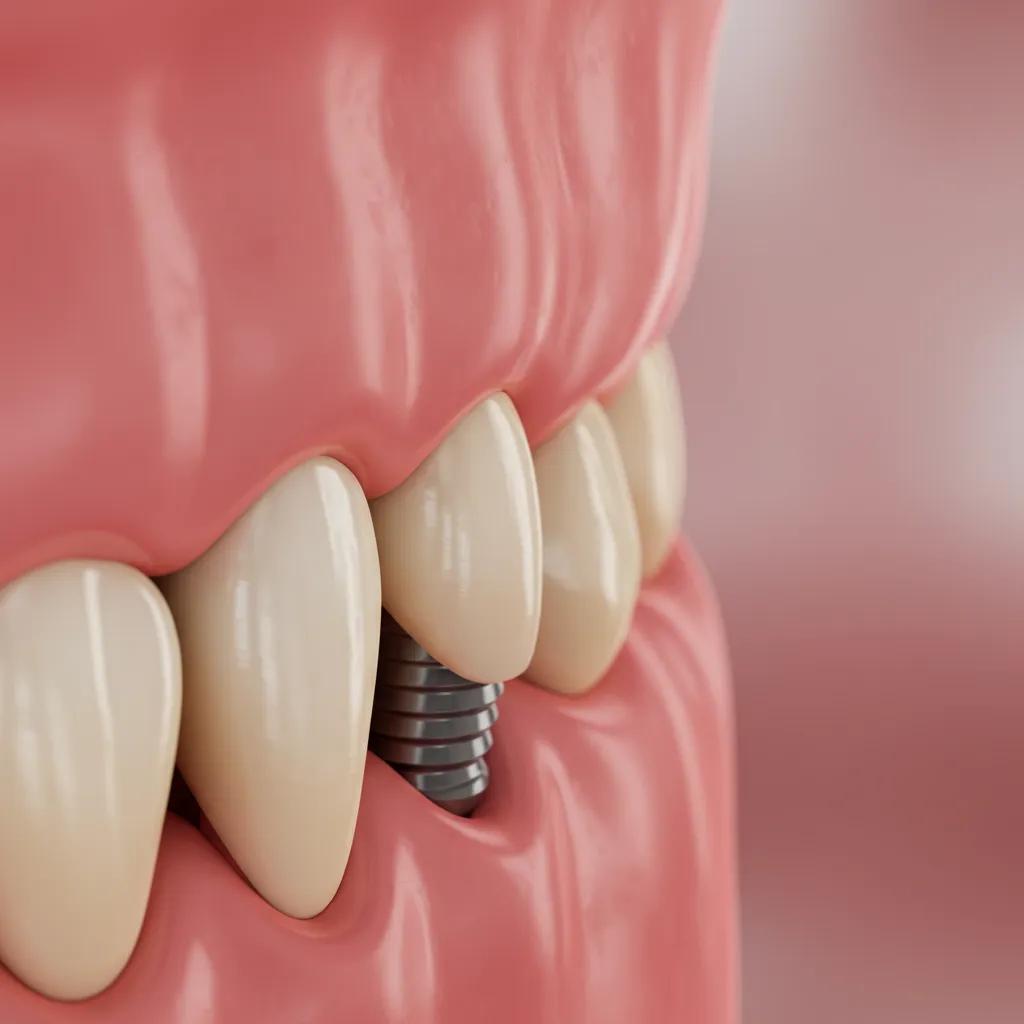
Regular dental implant check-ups are clinical visits that monitor the health of the implant fixture and surrounding tissues to catch problems early, maintain prosthetic function, and protect overall oral health. These appointments work by combining visual inspection, targeted probing, radiographic comparison, and professional debridement to remove biofilm and detect mechanical or biological changes before they progress. The primary benefit is prevention: early intervention reduces bone loss, addresses mucosal inflammation, and preserves chewing function, which supports nutrition and quality of life. Routine monitoring also ensures the prosthetic crown, abutment, or implant-retained denture remains well-fitting and that occlusal forces are balanced to reduce wear. Understanding these roles clarifies why patients should follow a maintenance schedule and prepares them for the specific checks clinicians perform at each visit.
How Do Check-Ups Extend the Longevity of Dental Implants?
Check-ups extend implant longevity by combining biological care with mechanical adjustments that minimize progressive damage and infection. Clinicians remove accumulated biofilm and calculus around the abutment and prosthetic crown, which prevents mucosal inflammation that can lead to irreversible bone loss. They also assess and adjust occlusion or prosthetic fit to reduce concentrated forces that could loosen screws or damage restorations, thereby averting mechanical failure. Documenting pocket depths and radiographic bone levels creates a trend record that enables early interventions when changes are detected. These maintenance steps, performed consistently, translate directly into fewer complications and better long-term implant survival.
What Role Do Check-Ups Play in Preventing Peri-Implantitis?
Check-ups play a central role in peri-implantitis prevention by identifying early mucosal inflammation (peri-implant mucositis) and reversing it before bone loss occurs through professional debridement and targeted care. Screening tools include careful visual inspection, gentle probing to detect bleeding on probing, and periodic radiographs to compare crestal bone levels over time. When signs of progression appear, clinicians can apply local antimicrobial strategies, reinforce home-care techniques, and modify risk factors such as smoking or uncontrolled systemic disease. By prioritizing surveillance and early treatment, check-ups interrupt the cascade from inflammation to bone-destroying peri-implantitis and preserve the implant’s osseointegration.
Peri-implantitis: Diagnosis, Prevention, and Treatment Strategies
Specific continuous check-ups with evaluation and elimination of risk factors (e.g. smoking, systemic diseases and periodontitis) are effective precautions. In addition to aspects of osseointegration, type and structure of the implant surface are of importance. For the treatment of peri-implant disease various conservative and surgical approaches are available. Mucositis and moderate forms of peri-implantitis can obviously be treated effectively using conservative methods. These include the utilization of different manual ablations, laser-supported systems as well as photodynamic therapy, which may be extended by local or systemic antibiotics. It is possible to regain osseointegration. In cases with advanced peri-implantitis surgical therapies are more effective than conservative approaches. Depending on the configuration of the defects, resective surgery can be carried out for elimination of peri-implant lesions, whereas regenerative therapies may be applicable for defect filling. The cumulative interceptive supportive therapy (CIST) protocol serves as guidance for the treatment of the peri-implantitis. The aim of this review is to provide an overview about current data and to give advices regarding diagnosis, prevention and treatment of peri-implant disease for practitioners.
Definition, etiology, prevention and treatment of peri-implantitis–a review, O Jung, 2014
How Do Dental Implant Check-Ups Support Overall Oral Health?
Dental implant check-ups support overall oral health by protecting adjacent teeth, maintaining proper bite mechanics, and preserving jawbone architecture that prevents facial collapse and functional decline. A healthy implant contributes to efficient chewing and balanced occlusion, which reduces compensatory wear on natural teeth and supports good nutrition. Regular visits allow clinicians to coordinate care for prosthetic hygiene, address periodontal issues in remaining dentition, and integrate implant maintenance into the patient’s comprehensive oral health plan. This holistic approach ensures implants function alongside natural teeth and that oral-systemic connections—such as inflammation’s effect on systemic health—are monitored and managed.
What Is the Recommended Frequency for Dental Implant Check-Ups?
Most patients should schedule dental implant check-ups every six months; post-operative and higher-risk patients often require more frequent review, commonly every three to four months, to monitor healing and prevent complications. This recommendation balances the need for professional cleaning and surveillance with practical patient scheduling. Frequency adjustments depend on factors like recent surgery, history of periodontal disease, smoking, diabetes, and the type of prosthesis (single-tooth implant, implant-supported crown, implant-retained denture). Establishing a baseline with initial post-op visits followed by a personalized maintenance plan helps clinicians detect subtle trends and intervene early. Below is a concise comparison of common patient types and recommended schedules to illustrate typical adjustments.
Patient Type
Recommended Check-Up Frequency
Rationale
Routine, stable implants
Every 6 months
Regular prophylaxis and surveillance of peri-implant tissues to prevent biofilm accumulation
Recent post-op (first year)
Every 3 months initially
Monitor osseointegration, wound healing, and early prosthetic adjustments
History of periodontitis
Every 3-4 months
Increased risk of peri-implant disease requires closer monitoring and professional debridement
Smokers
Every 3-4 months
Elevated biological risk for inflammation and delayed healing necessitates more frequent checks
Immunocompromised or uncontrolled systemic disease
Every 3 months or individualized
Systemic conditions can impair healing and increase infection risk; schedule based on clinician assessment
This table clarifies typical follow-up rhythms and why clinicians alter intervals for certain profiles. Patients who fall into higher-risk categories benefit from closer surveillance so that professional cleaning and intervention occur before irreversible bone loss develops.
After explaining general and personalized check-up schedules, many patients appreciate a low-risk way to begin a maintenance program. For new patients in Mansfield who want a personalized check-up plan, Dentist In Mansfield- Dentures and Dental Implants offers a limited-time entry point called “$79 FREE DENTAL CONSULTATION *New Patients Only” that encourages an initial evaluation and tailored recommendations. This consult can provide a baseline for scheduling and help determine whether a three-month or six-month cadence is most appropriate. Establishing a clear plan early improves adherence and reduces the likelihood of missed warning signs.
How Often Should You Schedule Routine Dental Implant Maintenance?
For stable implants without complicating risk factors, routine maintenance typically involves visits every six months that include professional cleaning, examination of peri-implant tissues, and prosthetic assessment. Routine maintenance visits focus on removing biofilm from the prosthetic margins and abutment interfaces using implant-safe instruments, assessing pocket depths, and verifying occlusion to prevent mechanical overload. Scheduling systems, reminders, and combining implant checks with regular dental cleanings make adherence easier for many patients. Maintaining semi-annual appointments creates a predictable care rhythm that supports long-term stability and helps patients integrate implant maintenance into their broader oral hygiene plan.
How Does Check-Up Frequency Change After Implant Surgery?
After implant surgery, follow-up frequency increases to monitor immediate healing and osseointegration with visits typically at one week, two to four weeks, three months, six months, and one year before transitioning to routine maintenance. Early post-op checks focus on wound integrity, soft tissue healing, and absence of infection, while later visits assess radiographic bone integration and prosthetic fit as the implant transitions from healing to function. Clinicians look for signs of delayed healing, excessive inflammation, or mechanical instability, and they adjust the timeline if complications arise. Understanding the post-op timeline reassures patients that increased visits early on are preventive steps that support long-term success.
When Should Individual Needs Adjust Your Dental Implant Check-Up Schedule?
Individual needs adjust the schedule when risk factors such as smoking, prior periodontitis, bruxism, diabetes, or certain medications are present, prompting clinicians to shorten intervals and apply targeted therapies. For example, smokers and patients with a history of periodontal disease commonly move to three- or four-month visits that permit more frequent professional debridement and reinforcement of home care. Patients reporting symptoms—bleeding, persistent swelling, or new mobility—should contact their clinician for an earlier appointment because those signs may indicate active disease. Personalized scheduling based on risk stratification ensures resources focus where they prevent progression and preserve implant stability.
What Happens During a Dental Implant Check-Up? Step-by-Step Overview
A dental implant check-up is a structured clinical encounter that combines visual inspection, gentle probing, radiographic assessment when indicated, and professional implant-safe cleaning to evaluate and maintain implant health. Each component assesses different attributes—soft tissue condition, pocket depths, radiographic bone levels, and prosthetic integrity—so clinicians can form a complete picture of implant status. The following numbered steps explain typical exam components and why each matters for early detection and prevention of complications. Understanding the exam sequence helps patients know what to expect and why certain diagnostic or therapeutic choices are made during the visit.
Visual and tactile inspection: Clinicians examine soft tissues, prosthetic margins, and the implant site for redness, recession, or mechanical defects.
Probing and measurement: Gentle probing around the implant assesses bleeding on probing and pocket depth trends without disrupting the seal, guiding diagnosis.
Radiographic assessment: Periapical or comparative radiographs (or CBCT when indicated) evaluate crestal bone levels and detect early bone changes.
Professional cleaning: Implant-safe instruments—plastic or titanium-coated scalers, glycine powder polishing, or specialized brushes—remove biofilm without damaging the prosthetic surface.
Occlusion and prosthetic check: Assessment of bite forces and the fit of crowns, abutments, or implant-retained dentures prevents mechanical complications.
Documentation and plan: Measurements and images are recorded to track trends and determine whether additional therapy, maintenance interval changes, or referral are necessary.
This stepwise overview captures the main actions clinicians perform and why each action reduces risk; the next subsections explain the techniques and tools used for those assessments.
How Are Dental Implants Examined and Assessed?
Implant examination combines careful visual inspection with calibrated probing and selective imaging to evaluate tissue health and mechanical stability. Clinicians look for swelling, erythema, mucosal recession, and prosthetic signs such as looseness or wear, then use gentle, standardized probing to record bleeding on probing and pocket depths that may indicate mucositis or peri-implantitis. Periapical radiographs, and occasionally CBCT, are used to compare crestal bone levels over time and to assess osseointegration without invasive testing. The clinician synthesizes these findings into a trend analysis that informs whether non-surgical cleaning is sufficient or whether antimicrobial or surgical interventions are needed. Clear documentation of baseline measures creates an objective record for future comparison.
What Cleaning and Maintenance Are Performed at Check-Ups?
Professional implant cleaning uses tools and techniques that remove biofilm while protecting prosthetic materials and the implant-abutment interface to prevent scratching and roughening that can harbor bacteria. Common approaches include non-metallic scalers or plastic-coated instruments for tactile debridement, air-polishing with glycine powder to remove biofilm gently, and polishing to eliminate local irritants. When indicated, clinicians may apply antiseptic rinses or localized antimicrobial therapy to reduce bacterial load. Polishing and adjustment of prosthetic components ensure smooth transitions at margins, which reduces plaque retention. These maintenance actions limit inflammatory stimuli and support the implant’s soft tissue seal.
Check-Up Step
Attribute Assessed
Typical Actions/Tools
Visual inspection
Soft tissue color, swelling, prosthetic fit
Direct visualization, intraoral mirror, photographs
Probing and measurement
Bleeding on probing, pocket depth
Gentle periodontal probe, calibrated charting
Radiographic assessment
Crestal bone levels, osseointegration
Periapical radiographs, comparison with prior images
These coordinated exam steps ensure clinicians evaluate biological and mechanical attributes that determine implant health; together they enable early detection and targeted maintenance to prevent progression to peri-implant disease and mechanical failure. Understanding the tools and rationale for each step prepares patients for the visit and highlights why professional maintenance differs from home care.
How Is Gum Health and Bone Integration Evaluated?
Gum health and bone integration are evaluated through clinical signs (bleeding on probing, pocket depths) and radiographic comparison of crestal bone levels against established baselines to detect changes over time. Probing data indicate soft tissue inflammation and the presence of deeper peri-implant pockets, while radiographs reveal bone remodeling or bone loss that may not be apparent clinically. Criteria for diagnosing peri-implant mucositis versus peri-implantitis hinge on these combined measures: mucositis presents with inflammation without bone loss, whereas peri-implantitis includes progressive bone loss. Early detection of either condition prompts non-surgical therapies, antimicrobial measures, or referral for surgical management when indicated.
How Should You Maintain Your Dental Implants Between Check-Ups?
Maintaining dental implants between check-ups requires daily, consistent home-care routines that remove plaque, protect soft tissues, and minimize mechanical stress on prosthetics to reduce the likelihood of biological and mechanical complications. Effective home care complements professional maintenance by controlling biofilm at critical interfaces—prosthetic margins and interproximal spaces—where plaque accumulates and inflammation begins. Recommended practices include gentle brushing with an appropriate brush, interdental cleaning using brushes or floss designed for implants, and consideration of adjunctive antiseptic rinses when indicated by the clinician. Habit modification—avoiding hard or sticky foods and addressing bruxism—further reduces stress on implants and prosthetics.
Before presenting lists, this paragraph links to practical routines patients can adopt and the specific tools commonly recommended to maintain implant health at home.
Daily aftercare and recommended tools are summarized below in an actionable list.
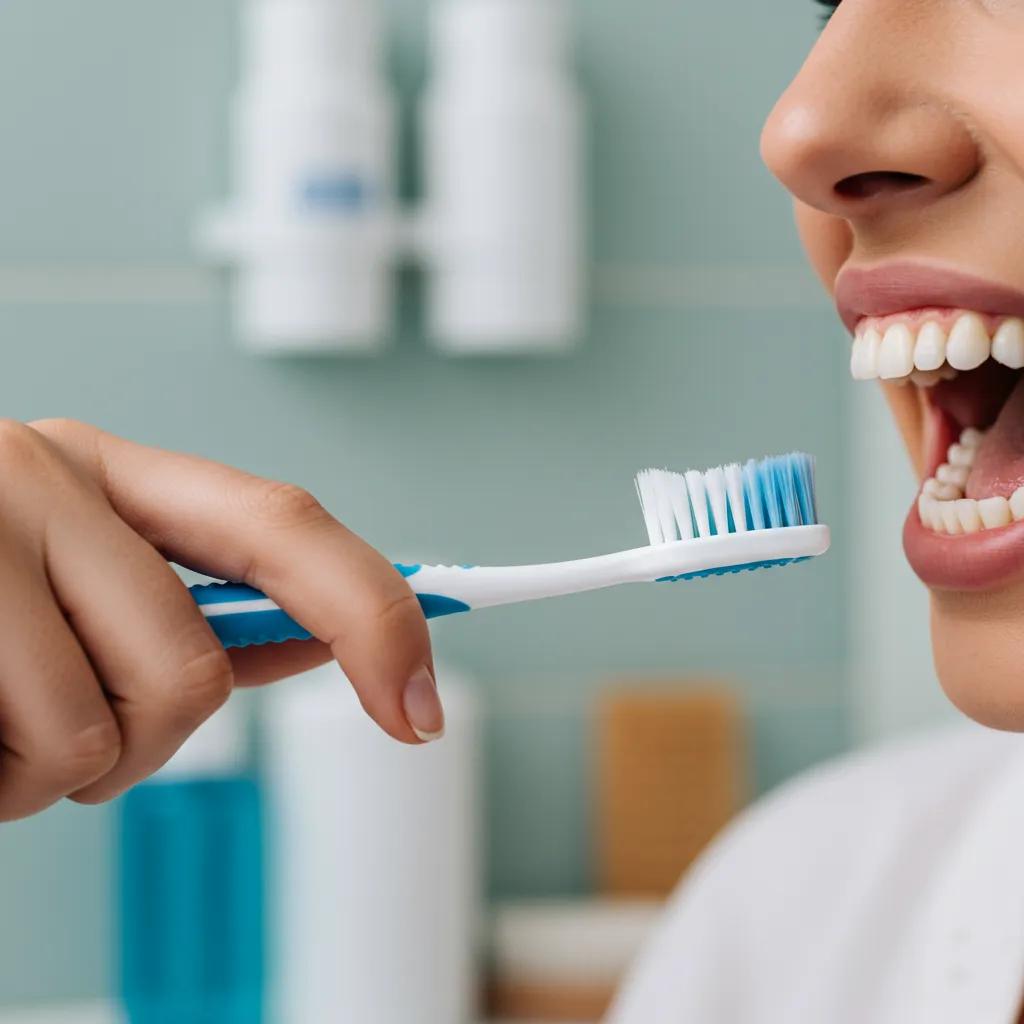
Brush twice daily with a soft-bristled brush using gentle, short strokes along the prosthetic margins and natural teeth.
Clean interdental spaces daily using appropriately sized interdental brushes or specialized floss for implants to remove plaque around abutments.
Use an antiseptic mouth rinse when advised by your clinician to reduce bacterial load and support mucosal health.
These daily steps reduce biofilm accumulation and complement professional cleanings; the next section describes preventing damage and other behavioral strategies that protect implants long-term.
What Is the Best Dental Implant Aftercare Routine at Home?
The best aftercare routine is consistent, focused on plaque control around the prosthetic interface, and adjusted to the patient’s prosthesis type and personal dexterity. A practical routine includes morning and evening brushing with a soft-bristled brush, daily interdental cleaning using an appropriately sized interdental brush or implant floss, and periodic use of a clinician-recommended antiseptic rinse. Patients with limited manual dexterity may benefit from adjuncts like water flossers for irrigating peri-implant spaces, though technique and device settings should be reviewed with the clinician. Establishing a reliable routine reduces the bacterial challenge between visits and supports long-term peri-implant tissue health.
Developing Essential Dental Implant Maintenance Protocols for Patient-Centered Care
As increasing number of dental implants are being placed in the general population, the need to develop a maintenance protocol that caters to the needs of the patients has become essential. Historically, dental implants were predominantly placed in the early edentulous population; however, the shift of placements to the wider population means that a patient-focused approach to peri-implant maintenance therapy (PIMT) and the effect this has on biological complications and implant survival need to be considered. This has been considered in the new periodontal classification (2017), which includes peri-implant diseases and conditions for the first time. Lang et al. [7] discussed Cumulative Interceptive Therapy (CIST), which suggested that the prevention of implant disease was better than the management of the disease itself. However, it is crucial to acknowledge that implant disease does not arise purely from microbes and the body’s inflammatory response to them. As stated by Albrektsson and his colleagues, there are numerous additional factors that contribute to implant failure and disease, encompassing various clinical and patient-related factors. Clearly, it is imperative that we educate our implant patients on how to clean their implant superstructures and abutments; however, as clinicians, we need to be cognizant of the fact that the pellicle that develops on titanium, either the implant surface itself or the implant abutment, differs from that which develops on enamel and cementum. In 1996, Edgerton demonstrated that a high-weight proline-rich glycoprotein pellicle forms on the dental implants, and this may contribute to the difference in the adhesion rates of the pellicles and also the type of specific bacteria found in implant crevices and surfaces.
Implant Maintenance and Aftercare, 2024
How Can You Prevent Damage and Complications Through Daily Care?
Preventing damage requires avoiding habits that place excessive mechanical load on prosthetics and addressing parafunctional behaviors that stress implants. Patients should avoid biting extremely hard foods directly on implant-supported crowns and be cautious with sticky or abrasive items that can dislodge or wear prosthetic materials. For those with bruxism, a clinician may recommend a protective night guard to distribute occlusal forces and prevent screw loosening or prosthetic fracture. Smoking cessation and management of systemic conditions like diabetes are also critical because behavioral and systemic factors directly influence healing and susceptibility to infection. These habit modifications reduce the combined biological and mechanical risks to implants.
Which Oral Hygiene Practices Are Recommended for Implant Longevity?
Specific hygiene practices that support implant longevity focus on cleaning the abutment-prosthetic interface, preserving soft tissue health, and minimizing plaque-retentive roughness on restorations. Recommended tools include soft-bristled toothbrushes, implant-specific interdental brushes sized to the patient’s embrasures, and water flossers as adjuncts for irrigating peri-implant areas. Antiseptic rinses or topical agents can be used selectively under clinician guidance when inflammation or elevated bacterial load is present. Maintaining consistent professional appointments complements these home practices; together they form a preventive system that sustains osseointegration and prosthetic function.
What Are the Signs of Dental Implant Complications to Watch For?
Recognizing early signs of implant complications enables timely triage and prevents escalation to severe peri-implantitis or implant failure. Key warning signs include bleeding on probing, persistent swelling or redness, increasing pocket depths, suppuration (drainage), changes in bite or prosthetic fit, unexpected mobility, and unexplained radiographic bone loss. Differentiating minor, transient symptoms from urgent red flags helps patients decide whether to seek immediate care or schedule a prompt evaluation. Regular check-ups and baseline records make it easier to detect subtle changes; knowing which symptoms require urgent attention improves outcomes.
Seek immediate evaluation if you experience severe pain, swelling, fever, or discharge from the implant site.
Schedule an urgent appointment if you notice new mobility, sudden changes in bite, or persistent bleeding that does not resolve after 24 hours.
Book a prompt check-up for milder concerns such as intermittent tenderness, slight swelling, or gradual changes in soft tissue appearance.
Following this list, readers understand basic triage rules and why timely clinician assessment matters for preventing bone loss and preserving implants.
How Can You Recognize Symptoms of Peri-Implantitis?
Peri-implantitis often begins with symptoms similar to mucositis—redness, swelling, and bleeding on probing—but progresses to include increasing pocket depths, suppuration, and radiographic bone loss over time. Early recognition focuses on consistent bleeding on probing with a trend of increasing depth compared to baseline measures, and any purulent drainage should be treated as a red flag. Radiographs that show progressive crestal bone loss relative to previous images confirm a diagnosis of peri-implantitis. Prompt clinical assessment and trend documentation are essential because early-stage intervention can arrest disease progression and restore peri-implant health.
When Should You See a Dentist for Possible Implant Issues?
Patients should seek immediate care for severe pain, swelling with systemic symptoms, or purulent drainage; they should arrange an urgent appointment for new mobility, acute bite changes, or unresolved bleeding. For milder symptoms—such as minor bleeding on brushing, slight irritation, or a new roughness at a prosthetic margin—patients should schedule a timely check-up within days to weeks depending on the symptom’s persistence. Timely evaluation allows clinicians to compare current findings to baseline charts and imaging, determine whether non-surgical management is appropriate, and adjust maintenance intervals or escalate care when necessary. Acting early often prevents more invasive treatments.
How Do Regular Check-Ups Help Prevent Bone Loss and Loose Implants?
Regular check-ups prevent bone loss and loose implants by enabling early removal of biofilm, adjustment of prosthetic fit, and application of local therapies that halt inflammatory progression before structural support is lost. When small pockets or bleeding are identified, clinicians perform debridement, reinforce home care, and may use localized antimicrobial therapy to reduce bacterial load. Mechanical interventions—such as correcting occlusion or tightening prosthetic screws—address forces that could accelerate bone remodeling. For progressive bone loss unresponsive to conservative measures, timely referral to a specialist for surgical management can preserve surrounding tissues; thus, regular surveillance is the cornerstone of prevention.
How Does Scheduling a Free Dental Implant Consultation Help Your Check-Up Routine?
Scheduling a targeted consultation creates a personalized roadmap for implant maintenance by establishing baseline measurements, documenting prosthetic condition, and identifying risk factors that shape follow-up frequency and home-care priorities. An initial consult clarifies whether a patient is in the routine, post-op, or high-risk category and sets expectations for cleaning frequency, imaging intervals, and behavioral modifications. For new patients, an affordable entry-point reduces friction to seek care and obtain a clinician-directed plan that integrates professional maintenance with home routines. The consultation also enables clinicians to demonstrate safe cleaning techniques and recommend specific interdental tools that match the patient’s prosthesis.
What Are the Benefits of a $79 Free Dental Consultation for New Patients?
The “$79 FREE DENTAL CONSULTATION *New Patients Only” offer provides a low-barrier initial visit that typically includes a focused evaluation of implant status, review of medical and dental history, and personalized guidance on maintenance frequency. This consult lowers the upfront cost of establishing a baseline and helps patients understand whether they need more frequent professional maintenance due to risk factors like prior periodontitis or smoking. It also creates an opportunity to discuss prosthetic-related concerns and determine whether additional imaging or treatment planning is warranted. For patients uncertain about their implant care needs, the consult offers affordable clarity and a clear next step.
How Can Dr. Elvis Le’s Expertise Improve Your Implant Care?
Dr. Elvis Le and the clinical team at Dentist In Mansfield- Dentures and Dental Implants apply an education-based care model that emphasizes patient understanding of maintenance procedures, risk management, and tailored follow-up plans. Clinician-led assessment ensures baseline documentation and personalized schedules that reflect each patient’s biological and mechanical risk profile, improving early detection of potential issues. Continuity of care under a single clinician also streamlines monitoring and allows timely adjustment of cleaning intervals or therapeutic measures. This clinician-centered approach strengthens preventive strategies and helps patients maintain implant health over time.
How to Schedule Your Free Dental Implant Check-Up in Mansfield, TX?
To arrange a new patient consult at the Mansfield-area practice, patients should reference the “$79 FREE DENTAL CONSULTATION *New Patients Only” offer and prepare relevant information such as medical history and any prior imaging or treatment records for the visit. Bring documentation of dental history and a list of medications, and be ready to discuss prior periodontal disease, smoking status, and any symptoms you have noticed. The offer is intended for new patients and provides an accessible starting point to create a personalized maintenance schedule that aligns with clinical findings. Scheduling details and office location are provided by the practice for patients seeking an initial evaluation in Mansfield, TX.
How Long Do Dental Implants Last With Proper Check-Up Frequency and Care?
With consistent professional maintenance and diligent home care, dental implants can last decades, and many studies report high long-term success rates when implants are regularly monitored and peri-implant hygiene is maintained. Proper check-up frequency allows early intervention for mechanical or biological issues that, left unchecked, would shorten implant lifespan. Factors that influence longevity include smoking, systemic disease, prosthetic design, and adherence to maintenance intervals; managing these factors through personalized schedules and targeted therapies maximizes survival. Realistic expectations recognize that implants require ongoing care—much like natural teeth—to preserve function and aesthetics over the long term.
Factor
Attribute
Impact on Implant Lifespan
Regular maintenance
Professional cleanings and monitoring
Substantially increases survival by preventing disease progression
Smoking
Biological impairment of healing
Decreases survival; higher complication rates
Systemic disease (e.g., diabetes)
Impaired immune response and healing
Can reduce longevity if uncontrolled
Home care adherence
Daily plaque control and interdental cleaning
Directly supports soft tissue health and prevents inflammation
Prosthetic design
Margin fit and occlusal distribution
Poor design increases mechanical failure risk
What Do Studies Say About Dental Implant Success Rates?
Current research indicates that implants have high survival rates when placed and maintained appropriately, with many studies reporting survival rates in the mid-90s percentage range over 10 years for well-maintained cases. Success metrics often depend on definitions—survival versus complication-free function—and outcomes vary by patient risk profile and prosthetic type. The consistent finding across studies is that regular follow-up, professional hygiene, and management of risk factors correlate with better long-term results. Emphasizing surveillance in the maintenance phase aligns clinical practice with evidence showing improved outcomes for patients who adhere to recommended schedules.
How Does Regular Maintenance Impact Implant Lifespan?
Regular maintenance reduces incidence of peri-implant disease and mechanical issues through early detection and removal of biofilm, occlusal adjustments, and timely prosthetic repairs, which together preserve bone support and prosthetic integrity. Interventions initiated at the first sign of mucosal inflammation often reverse disease before bone is lost, while mechanical adjustments prevent screw loosening and stress-induced complications. Over time, this consistent attention translates into fewer surgical revisions and longer periods of functional, complication-free use. Therefore, maintenance is not merely episodic care but a cumulative protective strategy that extends implant life.
What Are Patient Experiences With Long-Term Implant Care?
Patients with long-term implants commonly report improved chewing function, increased confidence, and satisfaction with aesthetics when maintenance is consistent and accessible locally. Many patients also acknowledge the responsibility of ongoing care—daily hygiene and periodic professional visits—as part of preserving the investment in their oral health. Accessibility to a trusted clinician for routine checks and clear guidance on home care supports adherence and reduces anxiety about complications. These experiential themes underscore the practical benefits of establishing a predictable maintenance schedule and a local care relationship.
Frequently Asked Questions About Dental Implant Check-Up Frequency
This FAQ-style section provides concise answers to common patient questions about cleaning frequency, disease risk, missed visits, and tailoring schedules—each response written for quick comprehension and action. Direct answers help capture patient intent and provide immediate guidance that patients can use when planning appointments or recognizing symptoms. These short items also support schema-ready formatting for search features and make it easier for readers to find straightforward advice.
How Often Should I Get My Dental Implants Cleaned?
You should typically have your dental implants professionally cleaned every three to six months depending on your risk profile; most stable patients fall on a six-month rhythm, while higher-risk individuals may require three- to four-month intervals. Professional cleanings use implant-safe tools and focus on removing biofilm at prosthetic margins, which complements daily home care. A clinician will recommend the appropriate interval based on your history of periodontal disease, smoking, systemic health, and previous implant outcomes.
Can Dental Implants Get Gum Disease?
Yes, implants can develop peri-implant mucositis and peri-implantitis—conditions analogous to gum disease around natural teeth—caused by bacterial biofilm and exacerbated by risk factors like smoking and poor oral hygiene. Mucositis is inflammation confined to soft tissues and is reversible with professional and home care, while peri-implantitis includes progressive bone loss and requires more intensive intervention. Prevention focuses on plaque control, regular check-ups, and risk-factor management.
What Happens If I Miss a Dental Implant Check-Up?
If you miss a check-up, the primary risk is that low-grade inflammation or mechanical wear goes undetected, potentially progressing to bone loss or prosthetic failure; catching up promptly with a baseline assessment and imaging helps recalibrate your maintenance plan. The clinician may perform a more comprehensive evaluation to detect any progression and adjust the cleaning frequency as needed. Timely rescheduling and adherence moving forward mitigate most increased risks from a single missed appointment.
Are Semi-Annual Visits Necessary for All Patients?
Semi-annual visits are a sensible default for many patients, but they are not universal; clinicians tailor intervals based on individual risk factors, prosthesis type, and healing history, moving higher-risk patients to more frequent reviews and lower-risk, highly adherent patients to longer intervals if clinically appropriate. Decision criteria include prior periodontitis, smoking status, systemic conditions, and observed trends in pocket depths and radiographic bone levels. Personalized scheduling ensures resources focus where they most effectively prevent problems.
For immediate attention or personalized scheduling, new patients in Mansfield can use the “$79 FREE DENTAL CONSULTATION *New Patients Only” to establish a baseline plan and discuss individualized follow-up.
When preparing for a consult, gather medical history and any previous dental records to streamline assessment and enable precise schedule recommendations.
These final guidance points summarize action steps and reiterate the low-friction consult option for new patients seeking a clear maintenance plan with a local clinician.