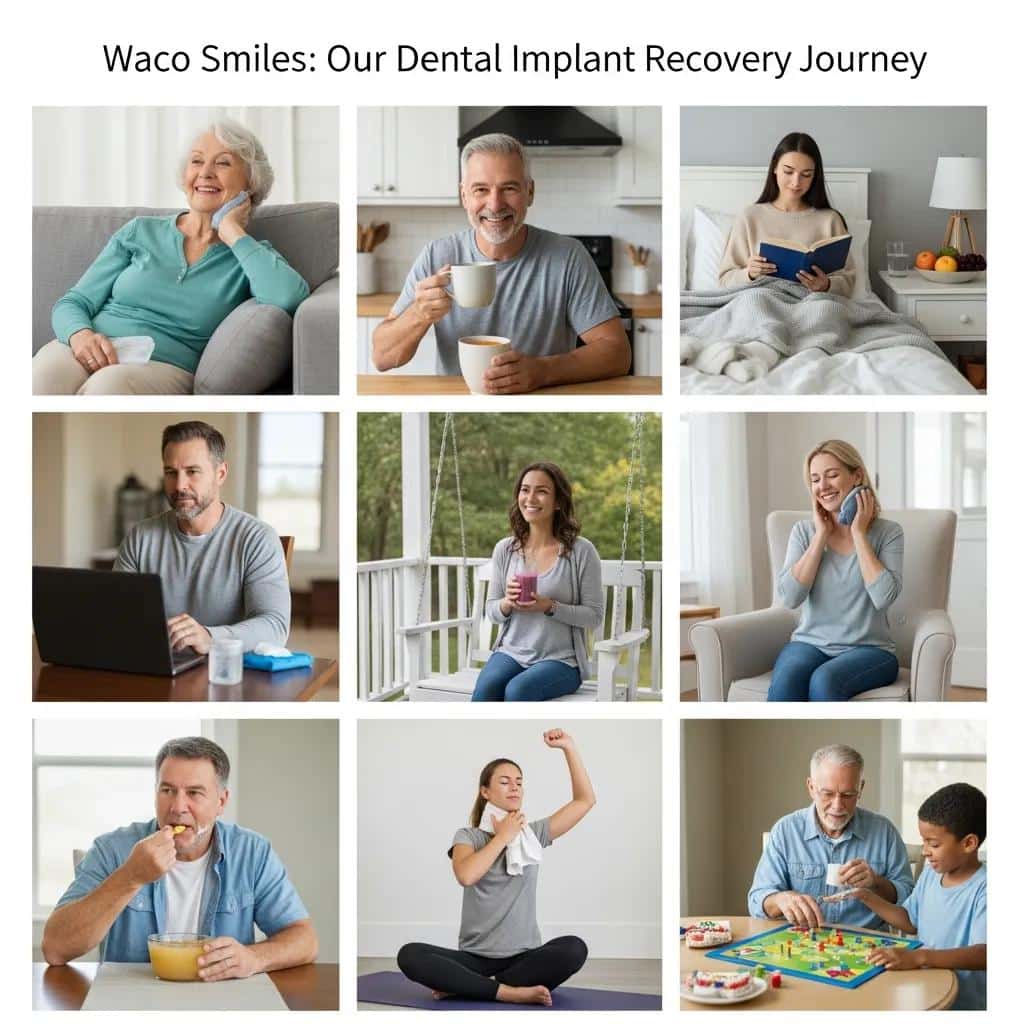
Real Patients Share Their Pain Journeys with Dental Implants
Navigating Dental Implant Pain Relief in Waco: Patients Share Their Personal Stories and Recovery Insights
Post-operative pain after dental implants is a common and often manageable part of restorative dentistry, but distinguishing normal healing from complications is crucial for a smooth recovery. This guide explains why dental implant pain occurs, how long different kinds of discomfort typically last, and what real Waco patients report about their pain trajectories and emotional responses. Readers will learn clear red-flag signs that require urgent attention, step-by-step self-care tactics for the first 72 hours, longer-term benchmarks for when to expect improvement, and evidence-informed pain management strategies that include medications, home remedies, and professional interventions. The article also shares anonymized patient experiences from Waco to illustrate variability in recovery and offers practical advice on prevention, lifestyle, and follow-up care. Finally, where appropriate, the guide explains how local resources in Waco can support urgent implant pain needs and when scheduling a free consultation is a sensible next step.
What Causes Pain After Dental Implants and How Can You Recognize It?
Post-implant pain arises from several distinct physiological causes ranging from normal surgical inflammation to infection, nerve impingement, sinus involvement, or bone graft-related soreness. Each cause produces a characteristic pattern of symptoms and timing: inflammation and swelling peak early, infections often present after a few days with systemic signs, nerve issues create tingling or numbness immediately or persistently, and sinus-related discomfort can occur with upper-jaw implants. Understanding these mechanisms helps patients recognize which sensations are expected and which require clinical assessment. Below we summarize common causes with clinical cues and present a comparison table to help you map symptoms to likely causes quickly.
What Are the Common Causes of Post-Dental Implant Pain?
Normal surgical inflammation and tissue trauma are the most frequent sources of early post-implant discomfort, producing localized swelling, a dull aching sensation, and mild bleeding for the first 48–72 hours. Infection after dental implant placement—often called peri-implant infection or peri-implantitis when later—tends to appear with increasing pain, redness, drainage, and sometimes fever several days to weeks post-op. Nerve-related pain or paresthesia manifests as sharp, shooting pain, persistent numbness, or pins-and-needles sensations when an implant impinges on or irritates a nerve branch, which may be immediate or develop after swelling subsides. Sinus involvement for upper arch implants can create pressure-like pain, referred maxillary pain, or nasal symptoms if the implant encroaches on the sinus floor, and bone graft sites often produce prolonged soreness as new bone remodels over weeks to months.
Intro to causes comparison table: the table below maps each primary cause to its most common clinical cue and typical onset timeframe to support faster recognition and triage.
Cause
Key Symptoms
Typical Onset / Timeframe
Normal post-op inflammation
Localized swelling, dull ache, mild bleeding
Immediate to 72 hours, then improving
Surgical-site infection
Increasing pain, redness, pus, fever
3–10 days post-op, may be later
Nerve impingement or injury
Numbness, tingling, sharp shooting pain
Immediate to early, may persist
Sinus-related pain
Facial pressure, referred upper jaw pain, congestion
Early to several weeks after upper implants
Bone graft-related discomfort
Deep soreness at graft site, stiffness
Days to weeks; can last months during remodeling
Understanding the mechanisms of pain and potential complications is crucial for effective management.
Dental Implant Post-Operative Pain Management: A Guide
Although dental implant placements have high success rates and a low incidence of morbidity, post-operative pain and complications with the healing process have been reported. There is little guidance available regarding optimal pre- and post-operative management of dental implant placement. This first paper discusses the mechanisms of pain associated with dental implant placement and offers guidance to clinicians on optimal pre- and post-operative pain management regimes. The second paper aims to discuss pre- and post-operative means of reducing the risk of early healing complications.
Pre-and post-operative management of dental implant placement. Part 1: management of post-operative pain, 2014
How to Differentiate Normal Discomfort from Warning Signs After Implants?
Normal implant recovery typically follows a trajectory of peak discomfort in the first 48–72 hours with progressive improvement thereafter; pain that is mild-to-moderate, responsive to over-the-counter analgesics, and accompanied by predictable swelling usually reflects healthy healing. Warning signs include worsening pain after the initial 72-hour window, expanding redness or swelling, drainage of pus, systemic symptoms such as fever, new or increasing numbness, uncontrolled bleeding, and difficulty breathing or swallowing. A practical checklist helps patients decide when to call for help: note pain intensity trends, check for fever, observe for spreading swelling, and monitor bleeding that does not respond to basic pressure. If any red-flag symptoms appear, early clinical assessment significantly increases the chance of resolving infection or managing complications without implant loss.
Common red flags after dental implant surgery include increasing pain after 72 hours, fever, spreading swelling, or drainage.
New or worsening numbness, persistent bleeding, and difficulty breathing require immediate evaluation.
If pain is controlled with simple analgesics and steadily improving, routine follow-up is usually sufficient.
How Long Does Dental Implant Pain Last? Real Patient Experiences from Waco
A practical recovery timeline frames expectations: most patients experience peak pain and swelling in the first 48–72 hours, noticeable improvement by one to two weeks, and residual sensitivity or mild pressure for several weeks to months as the implant integrates with bone. Complexity matters: a single uncomplicated implant heals faster than full-arch restorations or cases requiring bone grafts, where discomfort and sensitivity can extend into the multi-month integration period. Waco patients report a range of experiences—some feeling markedly better within a week, others noting intermittent soreness for three months—so individual variability is normal. The timeline table below summarizes common recovery stages, typical pain levels, and patient-reported actions that helped them cope.
Recovery Stage
Typical Pain Level & Duration
Patient-Reported Experience & Recommended Actions
Immediate (0–72 hours)
Moderate-to-severe peak discomfort, swelling
Patients emphasize rest, cold packs, and scheduled analgesics; expect peak pain then steady decline
Early healing (1–2 weeks)
Mild-to-moderate soreness with decreased swelling
Many report rapid improvement; keep soft diet, maintain hygiene, and attend suture removal if scheduled
Mid recovery (1–3 months)
Occasional tenderness or sensitivity during function
Patients with bone grafts report longer soreness; follow-up visits and protective habits ease symptoms
Late/persistent (>3 months)
Persistent or worsening pain signals possible complication
Patients sought timely evaluation when discomfort interfered with sleep or eating; early imaging and exams resolved many issues
What Is the Typical Recovery Timeline for Dental Implant Pain?
Most patients experience the most intense pain within the first 48–72 hours after implant placement, a phase characterized by inflammatory pain, swelling, and mild bleeding that usually responds to icing and scheduled analgesics. By days 4–7 many patients report marked improvement in pain intensity while swelling and stiffness continue to abate, and by one to two weeks routine activities and light chewing are often tolerable with care. Between one and three months sensitivity may persist as the implant integrates with bone; this period sometimes includes intermittent pressure sensitivity or mild discomfort that resolves as osseointegration completes. Recognizing this timeline helps patients plan for time off work, arrange support for the immediate post-op days, and avoid panic when low-level soreness lingers during later healing.
When Does Pain Indicate a Complication? Patient Stories Highlighting Duration and Severity
Complications are typically signaled by deviation from the expected trajectory—pain that worsens after initial improvement, spreading swelling, draining pus, systemic fever, or new neurologic symptoms such as persistent numbness. One anonymized Waco vignette describes a patient whose pain intensified on day five with increasing swelling and a low-grade fever; prompt evaluation revealed an early infection that resolved quickly with antibiotics and local care after the implant site was cleaned. Another local case involved a patient with persistent numbness and atypical sharp pains after immediate implant placement; expedited referral to a specialist and modification of the prosthetic components reduced irritation and improved sensory recovery. These stories underline that early intervention—prompt assessment and diagnostics—often prevents minor complications from becoming reasons to remove an implant.
Research indicates that the risk of moderate-to-severe post-operative pain can be influenced by various factors, and managing it effectively can lead to better patient outcomes.
Risk Factors for Severe Post-Operative Dental Implant Pain
The risk of moderate‐to‐severe post‐operative pain following the placement of dental implants. lead to better patient outcomes compared with usual post-operative pain management.
The risk of moderate‐to‐severe post‐operative pain following the placement of dental implants, J Li, 2019
How Do Waco Patients Describe Their Dental Implant Pain Journeys?
Waco patients frequently describe a mix of anxiety before surgery, acute discomfort immediately after, and relief or increased confidence as healing progresses and function returns. Emotionally, many report initial fear about potential long-term pain or nerve damage, followed by relief when predictable improvements occur and when clinicians provide clear post-op instructions. Physically, patients use everyday descriptors—aching, throbbing, pressure, sharp twinges, or numbness—to convey their experience, and they emphasize that timelines vary with the complexity of the procedure and whether bone grafting was required. Synthesizing these narratives highlights common coping themes: education, proactive self-care, and timely follow-up appointments correlate strongly with better pain control and greater patient satisfaction.
What Are Common Emotional and Physical Experiences Shared by Patients?
Across Waco patient stories, anxiety about implant surgery and fear about prolonged pain are common emotional responses before treatment, often eased by detailed pre-op explanations and expectation-setting. Physically, patients report an early phase of dull aching and swelling, sometimes accompanied by brief sharp twinges during chewing or temperature changes; numbness or altered sensation is less common but particularly distressing when it occurs. Many patients also describe an emotional lift when they notice functional improvements—reduced sensitivity, the return to normal eating, and reassurance from follow-up visits—highlighting the psychological interplay with physical healing. Clinician communication and supportive aftercare strongly influence how patients interpret pain and adhere to recovery instructions.
How Have Patients Successfully Managed and Overcome Implant Pain?
Successful patient strategies combine appropriate medications, disciplined home-care routines, and timely clinical follow-up. Common examples include using prescribed analgesics on a scheduled basis rather than waiting for pain to peak, consistent application of cold packs in the first 48 hours, gentle saltwater rinses starting 24 hours post-op to keep the site clean, and adherence to a soft-food diet until chewing is comfortable. Several patients also reported that early communication with their dental team—promptly reporting increasing pain or drainage—led to rapid treatments (such as antibiotics or minor adjustments) that prevented escalation. Where anxiety complicated recovery, patients who used sedation options for subsequent appointments found it easier to complete necessary follow-ups, which improved outcomes and reduced perceived pain.
What Are the Most Effective Pain Management Strategies After Dental Implants?
Effective pain management after dental implants uses a layered approach: scheduled analgesics to control baseline pain, adjunctive home-care measures to reduce inflammation and protect the surgical site, and professional interventions when infection or complications arise. Over-the-counter analgesics often suffice for routine post-op discomfort, while prescription medications and antibiotics become necessary for severe pain or confirmed infections. Sedation dentistry serves both as an intra-procedural anxiety reducer and as an adjunct for patients who struggle with pain tolerance during restorative steps, improving cooperation and recovery adherence. The table below compares common treatments by strength, typical duration of effect, and when each option is indicated to help choose the right combination.
Treatment
Strength / Duration / When Indicated
Practical Guidance
OTC analgesics (e.g., ibuprofen)
Mild-to-moderate relief; 4–8 hours; first-line for inflammation
Use scheduled dosing as directed and combine with cold therapy for best results
Prescription analgesics
Stronger, shorter-term relief; indicated for severe acute pain
Use only as prescribed and follow clinician instructions on duration
Antibiotics
Targeted for infection; course typically several days
Complete full course when prescribed and report any side effects
Sedation dentistry
Reduces anxiety and perceived pain during procedures
Consider for anxious patients or complex procedures to improve tolerance
Local professional care (debridement, adjustments)
Addresses mechanical or infectious causes directly
Early assessment and targeted interventions can prevent implant failure
Which Medications and Home Remedies Provide Relief for Post-Implant Discomfort?
Over-the-counter anti-inflammatory medications, such as nonsteroidal anti-inflammatory drugs, are typically first-line for post-implant inflammation and provide both analgesia and reduced swelling when taken on a schedule recommended by your clinician. When pain is severe or not controlled by OTC options, short courses of prescribed analgesics can provide stronger relief; these are time-limited and guided by clinical assessment. Home remedies that consistently help include cold compresses during the first 48 hours to limit swelling, saltwater rinses after 24 hours to reduce bacterial load, head elevation to decrease edema during sleep, and a soft diet to minimize mechanical irritation to the surgical site. It’s important to follow clinician directions regarding medication interactions and to report any lack of pain control or new systemic symptoms promptly.
Systematic reviews and meta-analyses of randomized controlled trials confirm that analgesic medications are effective in managing post-operative pain following dental implant surgery.
Post-Operative Dental Implant Pain: Efficacy of Analgesics
To evaluate the clinical efficacy of various analgesic medications in mitigating orofacial pain following dental implant surgery. A systematic search was conducted to identify randomized controlled clinical trials (RCTs). The primary outcomes examined were post-operative pain (POP) and consumption of rescue analgesics following implant placement; secondary outcomes included adverse effects, post-operative inflammation, infection, swelling, bleeding, patient satisfaction, and quality of life. Random effects meta-analysis was conducted for risk ratios of dichotomous data. Within the limitations of this review, POP following implant surgery may be effectively treated with the short-term use of analgesic medications.
Post-operative pain management in dental implant surgery: a systematic review and meta-analysis of randomized clinical trials, I Khouly, 2021
How Does Sedation Dentistry Help Manage Pain and Anxiety During Recovery?
Sedation dentistry reduces anxiety and the memory of perioperative discomfort, which can lower perceived pain and improve patient cooperation during complex restorative steps or follow-up interventions. Conceptually, sedation ranges from mild anxiolysis to moderate sedation; the primary benefit is facilitating treatment completion for anxious or sensitive patients who might otherwise avoid necessary care. Candidates for sedation commonly include those with high dental anxiety, low pain tolerance, or the need for lengthy or multiple procedures, and clinicians use it to ensure accurate and timely management that supports optimal healing. When sedation reduces intra-procedural stress, patients often follow post-op instructions more closely and therefore experience smoother recoveries with better pain control.
When Should You Contact Your Waco Dentist for Emergency Dental Implant Pain?
Yes—call your dentist promptly if you experience red-flag symptoms after an implant; no—routine mild pain that follows the expected recovery timeline is managed with scheduled care and scheduled follow-up. Critical symptoms that require immediate professional attention include uncontrolled bleeding, high or persistent fever, rapidly spreading facial swelling, severe throbbing pain that escalates despite medication, and any signs of airway compromise. Immediate steps before professional care include applying gentle pressure for bleeding, icing to limit swelling, avoiding disturbing the site, and refraining from taking unadvised home remedies that could worsen infection. Below is a concise, prioritized checklist of critical symptoms and actions optimized for quick decision-making.
What Are the Critical Symptoms That Require Immediate Professional Attention?
Call for immediate professional attention if you notice uncontrolled bleeding that soaks through dressings, signs of airway compromise such as difficulty breathing or swallowing, a high fever with shaking chills, rapidly spreading facial swelling, or severe pain that worsens despite taking prescribed or recommended analgesics. These symptoms can indicate serious infection, expanding edema, or vascular or neural complications that need urgent evaluation. If airway compromise is present, seek emergency medical services right away; otherwise, contact your dental provider for urgent triage and same-day assessment. Prompt action in these scenarios significantly improves the likelihood of resolving the problem without long-term harm.
How Does Affordable Dentist Near Me of Waco Support Emergency Implant Pain Cases?
Affordable Dentist Near Me of Waco provides emergency dental care pathways for patients in Waco who experience significant post-implant pain, helping triage urgent situations and arranging prompt clinical assessment when needed. The practice offers sedation dentistry to assist anxious patients and facilitate necessary urgent procedures, and for qualified restorative candidates it provides a 48-hour permanent-teeth option that can be considered in urgent restorative planning when clinically appropriate. Patients with concerning symptoms are encouraged to schedule the clinic’s free consultation for rapid triage and assessment, which helps identify infections, mechanical issues, or other complications and plan timely next steps. This local emergency support aims to reduce delays in care and connect patients with appropriate interventions to control pain and protect implant outcomes.
How Can You Prevent and Minimize Pain During Dental Implant Recovery?
Preventing and minimizing pain begins in the pre-operative phase with careful planning and continues through disciplined post-operative care that protects the surgical site and supports bone healing. Best practices include following pre-op instructions regarding medications and smoking cessation when applicable, arranging post-op rest and head elevation for the first 48 hours, using cold therapy early then gentle warm compresses as appropriate, and taking analgesics on a schedule to prevent pain peaks. Nutrition and lifestyle choices also play a role: adequate protein, vitamin C, and zinc support wound healing, while smoking and poor glycemic control impair osseointegration and increase complication risk. The numbered list below outlines clear, actionable steps patients can take immediately and during the first two weeks to reduce discomfort and support favorable healing.
Follow your clinician’s pre-op and post-op instructions exactly to minimize avoidable risks.
Use cold packs in the first 48 hours and keep your head elevated while resting to reduce swelling.
Maintain a soft diet and avoid chewing directly on the implant site until cleared by your dentist.
What Are the Best Practices for Post-Operative Care to Reduce Discomfort?
Immediately after surgery, scheduled analgesia, cold therapy, rest, and gentle oral hygiene practices are the mainstays of reducing pain and preventing complications. Patients should avoid vigorous rinsing or spitting for the first 24 hours, begin gentle saltwater rinses after that period to keep the site clean, and return for follow-up visits so clinicians can monitor healing and address any early concerns. Activity modification—limiting strenuous exercise for several days—helps reduce bleeding and swelling, and adherence to prescribed antibiotics (if given) prevents post-operative infections that can cause escalating pain. Regular communication with your dental team about any concerning symptoms ensures early intervention and better long-term outcomes.
How Can Lifestyle and Diet Impact Your Implant Healing Process?
Nutrition supplies the building blocks for soft-tissue repair and bone remodeling: adequate protein supports collagen formation, vitamin C assists wound healing, and zinc participates in immune function, all of which can reduce the risk of prolonged pain from delayed healing. Smoking constricts blood vessels and compromises oxygen delivery to healing tissues, increasing the likelihood of complications and persistent discomfort, while poorly controlled blood sugar similarly impairs healing and elevates infection risk. Practical dietary suggestions for the early recovery phase include protein-rich smoothies, soft-cooked vegetables, and foods high in vitamin C that are easy to chew and swallow, while avoiding hard, crunchy, or spicy items that can irritate the surgical site. Small, consistent lifestyle changes during the healing window materially reduce pain and improve implant success rates.
What Do Waco Patients Say About Affordable Dentist Near Me’s Dental Implant Pain Relief?
Waco patients who experienced implant-related pain often note the value of timely clinician response, clear post-op instructions, affordable care options, and access to sedation when anxiety complicates recovery. Affordable Dentist Near Me of Waco is cited by patients for offering free consultations that lower the barrier to early triage, affordable pricing plans that ease financial stress, and an expedited 48-hour permanent-teeth option for qualified patients needing fast restorative solutions. Testimonials emphasize outcomes such as faster access to assessment, effective management of post-op infections when identified early, and reduced anxiety in subsequent appointments when sedation dentistry was offered. Below are anonymized testimonial summaries that focus specifically on pain navigation and recovery pathways to illustrate how clinic services translate into patient-centered outcomes.
Which Patient Testimonials Highlight Successful Pain Navigation and Recovery?
Patients report several recurring themes in testimonials: prompt attention to worsening symptoms prevented escalation, clear medication schedules reduced pain peaks, and access to sedation facilitated necessary follow-up interventions for anxious patients. One anonymized example describes a patient who noticed increasing pain and drainage within a week and received a rapid assessment during a free consultation that led to a short antibiotic course and local care, resolving symptoms without implant loss. Another patient who required full-arch restoration appreciated the clinic’s coordinated plan that included temporary solutions while long-term healing proceeded, which minimized functional pain and improved comfort. These succinct accounts show how early communication and tailored interventions address pain effectively.
How Does the Free Consultation Help Patients Address Their Pain Concerns Early?
A free consultation serves as a triage visit that lets clinicians evaluate pain quality, timing, and associated symptoms to determine whether imaging, medications, or urgent interventions are needed. During this consultation, clinicians can distinguish normal post-op recovery from signs of infection or mechanical problems, recommend immediate steps (such as starting antibiotics or adjusting prosthetic components), and plan follow-up care that reduces the risk of prolonged pain. For many Waco patients, the free consultation removes hesitation about calling for help and speeds access to treatments that prevent complications. If you are experiencing concerning pain after an implant, scheduling a free consult provides a low-cost, prompt path to diagnosis and a clear plan for relief.
What Are the Most Frequently Asked Questions About Dental Implant Pain in Waco?
Patients commonly ask how long pain normally lasts, what to do for throbbing or severe pain, whether numbness indicates permanent nerve damage, and when to seek emergency care. Concise, actionable answers help patients make rapid decisions and reduce unnecessary anxiety: expect peak pain in the first 48–72 hours, use scheduled analgesics and cold therapy, and call your dentist if pain worsens after initial improvement or if red-flag symptoms appear. The short Q&A below targets common search queries and voice-search phrasing so patients can find quick guidance when they need it.
How Long Does Dental Implant Pain Usually Last?
Typical short-term implant pain peaks in the first 48–72 hours and decreases substantially over the first one to two weeks, with intermittent mild sensitivity possible for one to three months as osseointegration continues. Complexity such as bone grafting or full-arch work can extend the soreness period, and individual factors—smoking, diabetes, or infection—can prolong discomfort. If pain is worsening after the first week, accompanied by fever or drainage, or associated with new numbness, seek clinical evaluation promptly to rule out complications. In most uncomplicated cases, pain trends downward with conservative care and routine follow-up.
What Should I Do If I Experience Throbbing or Severe Pain After My Implant?
If you experience throbbing or severe pain after your implant, begin with immediate home-care steps: apply cold packs to reduce swelling, keep the head elevated, take recommended over-the-counter analgesics on schedule unless contraindicated, and avoid disturbing the surgical site. If severe pain persists or increases despite these measures, or if you experience systemic symptoms like fever or spreading swelling, contact your dental provider for urgent assessment and possible antibiotic therapy or procedural intervention. Use the clinic’s emergency care pathways where available for same-day triage, and if airway compromise occurs, seek emergency medical services without delay.
Affordable Dentist Near Me of Waco offers local support for patients who need evaluation of post-implant pain and encourages scheduling a free consultation to triage symptoms and plan next steps. For Waco residents, the practice is located at 4573 Lake Shore Drive, Waco, TX 76710, and clinical staff are available by phone at +1-855-500-2201 to arrange timely assessment. The clinic’s emergency dental care services, sedation dentistry options, affordable pricing plans, and the 48-hour permanent-teeth solution for qualified candidates are intended to help patients access rapid relief and restorative continuity when necessary. Scheduling a free consultation is a practical early step if you have concerning or persistent implant-related pain.
If you have severe or worsening pain, use immediate home measures and call for urgent clinical triage.
If you have uncontrolled bleeding, difficulty breathing, or signs of airway compromise, seek emergency medical care immediately.
For non-emergent but concerning symptoms, arrange a prompt free consultation to get personalized recommendations and avoid delays.
This final set of action items helps patients prioritize steps and reach local resources when implant pain deviates from expected recovery patterns.