Signs of Dental Implant Failure You Must Know: Symptoms, Causes, and Treatment Options
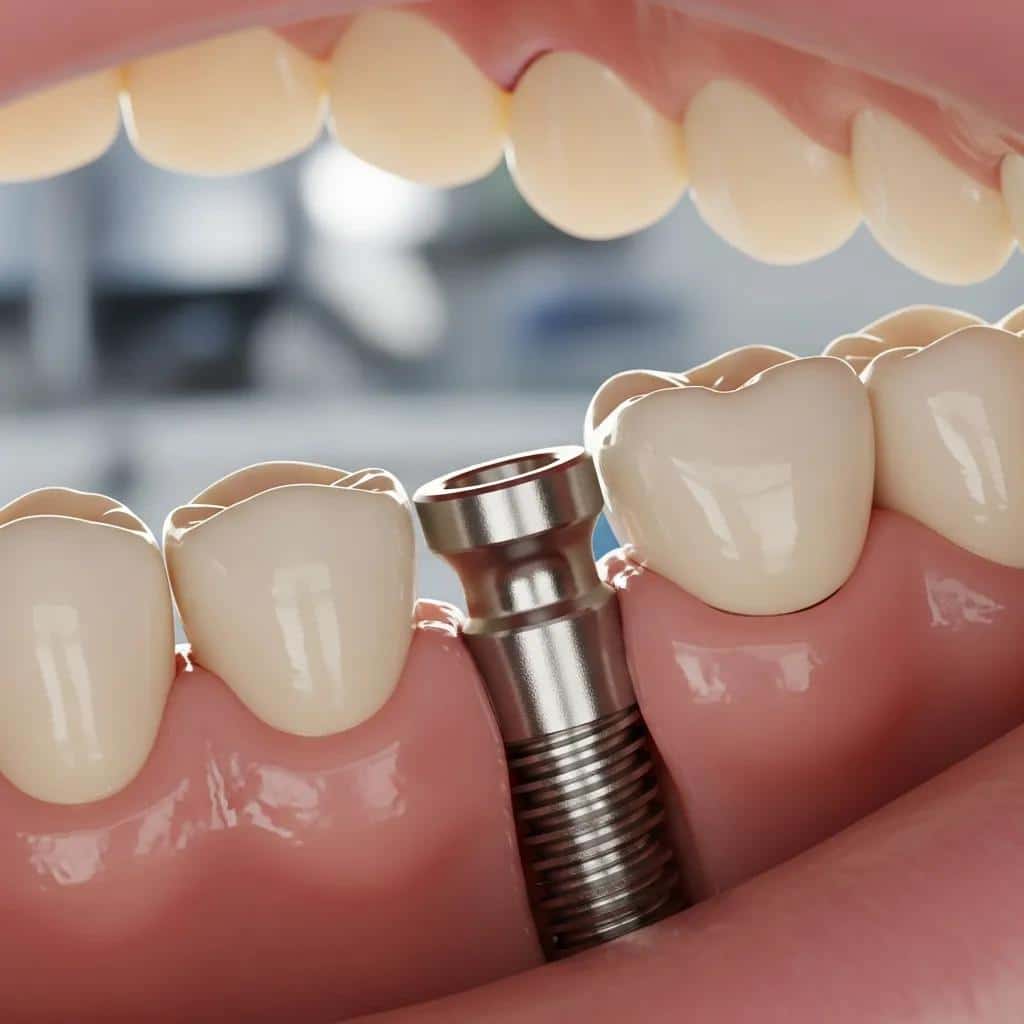
Dental implants are a popular solution for replacing missing teeth, offering a permanent and natural-looking alternative. However, like any medical procedure, they come with risks, and understanding the signs of dental implant failure is crucial for maintaining oral health. This article will explore the symptoms, causes, and treatment options associated with dental implant failure, providing you with the knowledge to recognize potential issues early. By identifying these signs, you can take proactive steps to address any problems and ensure the longevity of your dental implants. We will cover common symptoms, how to identify a loose implant, signs of infection, causes of failure, prevention strategies, and what to do if you suspect your implant is failing.
What Are the Most Common Symptoms of Dental Implant Failure?
Recognizing the symptoms of dental implant failure is essential for timely intervention. Common symptoms include persistent pain, swelling, and inflammation around the implant site. These signs can indicate underlying issues that may compromise the stability and health of the implant. Early detection of these symptoms can lead to more effective treatment options and better outcomes for patients.
How Does Persistent Pain Indicate Implant Problems?
Persistent pain around a dental implant can be a significant indicator of failure. This discomfort may manifest as a dull ache or sharp pain, often worsening with pressure or chewing. The pain can result from various factors, including infection, improper placement, or bone loss around the implant. If you experience ongoing pain, it is crucial to consult a dental professional to assess the situation and determine the appropriate course of action.
What Does Swelling, Redness, and Inflammation Reveal?
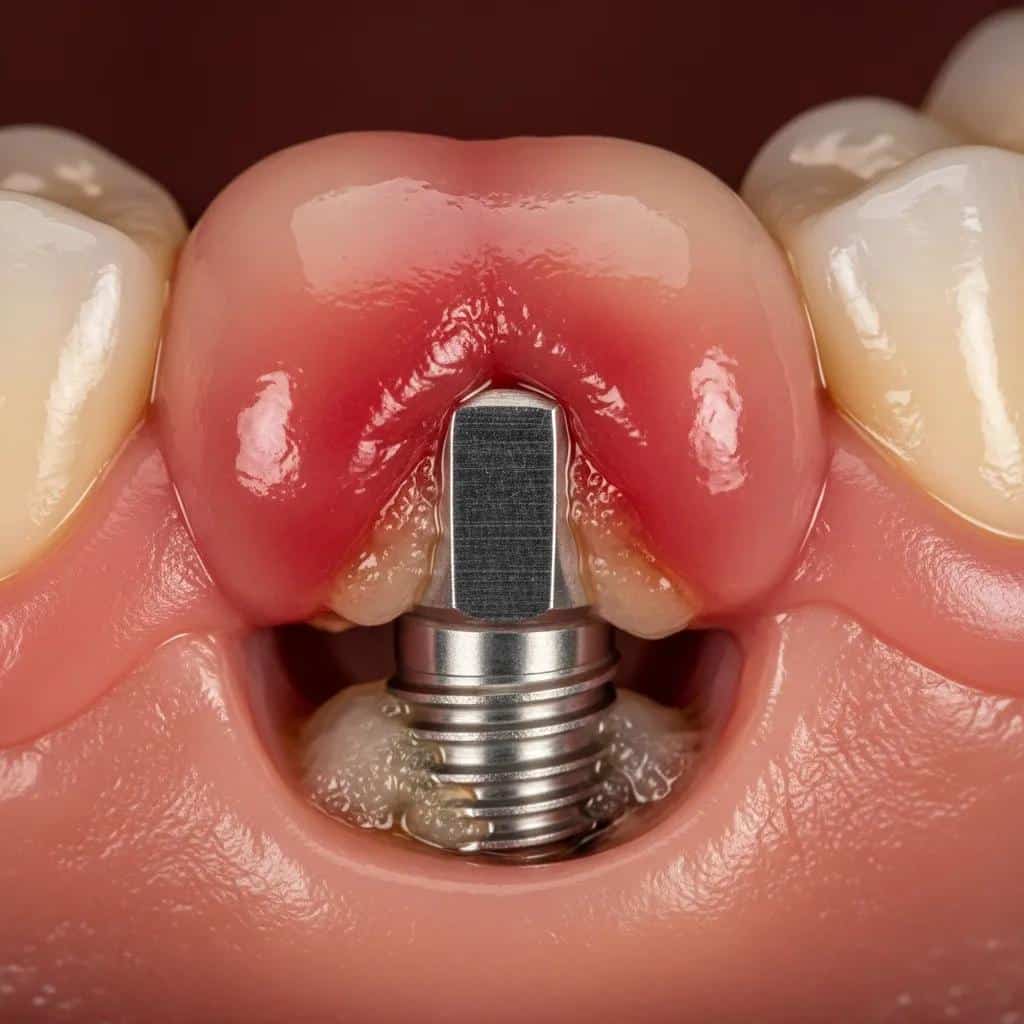
Swelling, redness, and inflammation around a dental implant are critical signs that should not be ignored. These symptoms often indicate an infection or peri-implantitis, a condition characterized by inflammation of the gum tissue and bone loss surrounding the implant. If left untreated, these issues can lead to further complications, including implant failure. Timely intervention is essential to address these symptoms and prevent more severe problems.
How Can You Identify a Loose or Mobile Dental Implant?
A loose or mobile dental implant can compromise its effectiveness and lead to failure. Identifying the signs of a loose implant is crucial for maintaining oral health and ensuring the longevity of your dental restoration.
What Are the Signs of Gum Recession and Exposed Implants?
Gum recession is a common issue that can expose the base of a dental implant, leading to instability. Signs of gum recession include visible changes in the gum line, increased sensitivity, and the appearance of the implant itself. If you notice any of these signs, it is essential to seek professional evaluation to determine the best course of action.
How Does Difficulty Chewing Signal Implant Issues?
Difficulty chewing can be a significant indicator of problems with a dental implant. If you experience discomfort or pain while chewing, it may suggest that the implant is loose or that there is an underlying issue with the surrounding bone or gum tissue. Addressing these concerns promptly can help prevent further complications and ensure the success of your dental restoration.
What Are the Key Signs of an Infected Dental Implant?
Infection is one of the most serious complications associated with dental implants. Recognizing the signs of infection early can help prevent implant failure and other health issues.
How to Recognize Pus, Bad Taste, or Odor Around Implants?
The presence of pus, a bad taste, or an unpleasant odor around a dental implant is a clear indication of infection. These symptoms often accompany swelling and pain, signaling the need for immediate dental attention. If you notice any of these signs, it is crucial to consult your dentist to address the infection and prevent further complications.
What Are the Symptoms of Peri-Implantitis?
Peri-implantitis is an inflammatory condition affecting the tissues surrounding a dental implant, including both the gums and the supporting bone. Symptoms include redness, swelling, bleeding of the gums, and potential bone loss around the implant. Early detection and treatment are vital to managing peri-implantitis and preserving the integrity of the implant.
The importance of early and accurate diagnosis for peri-implant diseases and potential implant failure is further highlighted by ongoing research into diagnostic methods.
Early Diagnosis of Peri-Implant Disease & Failure
The diagnosis of peri-implantar and periodontal relies mainly on a set of clinical measures and the evaluation of radiographic images. However, these clinical settings alone are not sufficient to determine, much less predict, periimplant bone loss or future implant failure. Early diagnosis of periimplant diseases and its rate of progress may be possible through biomarkers assessment.
Peri-implant diseases diagnosis, prognosis and dental implant monitoring: a narrative review of novel strategies and clinical impact, A Correia, 2023
What Causes Dental Implant Failure and Who Is at Risk?
Understanding the causes of dental implant failure is essential for prevention and management. Several factors can contribute to implant failure, including infection, poor bone quality, and underlying health conditions.
How Do Peri-Implantitis and Failed Osseointegration Contribute?
Peri-implantitis and failed osseointegration are two primary causes of dental implant failure. Peri-implantitis involves inflammation and infection of the tissues surrounding the implant, including bone loss, while failed osseointegration refers to the inability of the bone to properly integrate with the implant. Both conditions can lead to implant instability and eventual failure if not addressed promptly.
Which Health Conditions and Habits Increase Failure Risk?
Certain health conditions and lifestyle habits can increase the risk of dental implant failure. Conditions such as uncontrolled diabetes, autoimmune diseases, and smoking can negatively impact healing and bone integration. It is essential to discuss your medical history and lifestyle with your dentist to assess your risk factors and develop a suitable treatment plan.
Specifically, the impact of systemic conditions like diabetes on the crucial process of osseointegration has been a significant area of study.
Diabetes Impact on Dental Implant Osseointegration
The present paper reviews the bibliography linking the effect of diabetes on the osseointegration of implants, which is a reduced level of bone-implant contact.
Effects of diabetes on the osseointegration of dental implants, 2007
Risk Factor
Description
Impact Level
Diabetes
Impairs healing and increases infection risk, especially if uncontrolled
High
Smoking
Reduces blood flow and healing capacity
High
Poor Oral Hygiene
Increases risk of infection and peri-implantitis
Medium
How Can You Prevent Dental Implant Failure and Maintain Implant Health?
Preventing dental implant failure involves adopting good oral hygiene practices and regular dental check-ups. By taking proactive measures, you can significantly reduce the risk of complications and ensure the longevity of your implants.
What Oral Hygiene Practices Are Essential?
Maintaining excellent oral hygiene is crucial for the success of dental implants. Essential practices include:
Regular Brushing: Brush your teeth at least twice a day with a soft-bristled toothbrush to remove plaque and food particles.
Flossing: Floss daily to clean between teeth and around the implant, preventing gum disease.
Antimicrobial Rinses: Use an antimicrobial mouthwash to reduce bacteria and promote gum health.
How Do Regular Dental Check-Ups Help Prevention?
Regular dental check-ups are vital for monitoring the health of your dental implants. During these visits, your dentist can assess the condition of your implants, check for signs of infection or peri-implantitis, and provide professional cleanings to remove plaque buildup. Early detection of potential issues can lead to timely intervention and better outcomes.
What Should You Do If You Suspect Your Dental Implant Is Failing?
If you suspect that your dental implant is failing, it is crucial to take immediate action. Recognizing the signs early can help prevent further complications and preserve your oral health.
When Is It Time to See a Dentist in Crowley, TX?
If you experience persistent pain, swelling, or any signs of infection around your dental implant, it is time to consult a dentist. In Crowley, TX, the Affordable Dentist Near Me offers comprehensive dental services, including evaluations for dental implant issues. Early intervention is key to addressing potential problems and ensuring the longevity of your implants.
What Treatment Options Are Available for Failed Implants?
Treatment options for failed dental implants vary depending on the underlying cause. Common approaches include:
Antibiotics: Prescribed to treat infections and reduce inflammation.
Surgical Intervention: In some cases, surgical procedures may be necessary to address bone loss, clean infected tissue, or reposition the implant.
Implant Removal and Replacement: If the implant cannot be salvaged, it may be removed, and after proper healing, a new implant can be placed.
Further research emphasizes the importance of understanding the full scope of diagnosing and treating dental implant failures, including considerations for removal and re-implantation.
Diagnosing & Treating Failed Dental Implants
In this article, we address various aspects of ailing and failed dental implants: implant survival, diagnosis, criteria for initiating implant removal, and survival of reimplantations.
Failed dental implants: diagnosis, removal and survival of reimplantations, 2014
In conclusion, understanding the signs of dental implant failure is essential for maintaining oral health and ensuring the longevity of your dental restoration. By recognizing symptoms early and seeking professional help, you can address potential issues and preserve your smile for years to come.