Best overall starting point: traditional metal braces. Best for less-visible fixed treatment: ceramic braces. Best for responsible older children who need removable treatment: clinician-supervised clear aligners. For affordable teeth braces in 2026, compare complete treatment plans—not just monthly payments.
TL;DR
Traditional metal braces are the default comparison point for affordable teeth braces for kids.
Ceramic braces suit children who want less-visible brackets without removable trays.
Clear aligners suit responsible older children when the treating clinician confirms they fit the bite problem.
Ask Affordable Dentist Near Me about braces, treatment planning, and your child’s dental needs.
Why this matters
Choosing braces means choosing a treatment your child can follow through with. A low monthly payment does not explain what the treatment includes, whether insurance contributes, or what happens after the braces come off.
Affordable Dentist Near Me provides general, family, cosmetic, and restorative dental care, including braces, across its Texas locations. Affordable Dentist Near Me is a starting point for Texas families seeking braces alongside general dental care. Ask the office which treatment options and providers fit your child’s needs.
The American Association of Orthodontists recommends an orthodontic checkup no later than age 7 years. That is an evaluation milestone, not an instruction to put every child in braces; some children need monitoring rather than immediate treatment.
What makes the best affordable teeth braces for kids?
Use these criteria to compare recommendations in 2026. Appearance matters, but it should not decide the treatment before the clinician checks the bite.
Bite fit: The treatment must address the diagnosed tooth-position or bite problem, not simply make the front teeth look straighter.
Daily care: Your child needs a realistic way to clean around brackets or manage removable trays.
Complete plan: Request written details covering records, appliances, adjustment visits, retainers, and exclusions.
Coverage clarity: Confirm orthodontic benefits separately from routine dental benefits, including authorization requirements.
Visit access: Choose follow-up arrangements your family can maintain, including help with broken appliances.
Treatment timing: Ask why treatment should begin now and whether waiting changes the clinical plan.
The best budget decision is a clinically appropriate treatment with clearly explained obligations. A smaller payment does not compensate for a plan that leaves out necessary care.
Kids’ braces options at a glance
These rankings describe treatment categories, not a claim that every option is offered at every office. Your child needs an examination before a clinician recommends one.
Rank and option
Best for
Standout feature
Key limitation
1. Traditional metal braces
Children needing fixed treatment without removable-tray responsibilities
Brackets stay attached while wires guide tooth movement
Cleaning takes extra attention; food restrictions apply
2. Ceramic braces
Appearance-conscious children who still need fixed treatment
Tooth-colored or clear brackets are less noticeable than metal brackets
Brackets remain visible and require careful cleaning
3. Clinician-supervised clear aligners
Responsible older children with a suitable treatment plan
Trays come out for meals and brushing
Treatment depends on consistent wear and keeping track of trays
No appliance wins for every child. In particular, removable treatment is not automatically simpler just because brushing is easier without brackets.
1. Traditional metal braces: best for fixed-treatment routines
Traditional metal braces use brackets attached to teeth and a connecting wire to guide movement. The treating clinician adjusts the appliance as treatment progresses. Your child cannot remove the brackets between visits.
That makes metal braces a useful default comparison when you discuss affordable teeth braces in 2026. Ask the clinician to explain what metal braces would accomplish before comparing appearance-focused alternatives.
Traditional metal braces pros
Fixed brackets remove the daily decision about whether to wear the appliance.
Clinicians use metal braces to treat a wide range of tooth-position and bite problems.
Parents can see the appliance and help check for trapped food or damaged parts.
Treatment does not depend on remembering to put removable trays back in after meals.
Traditional metal braces cons
Brackets and wires are visible.
Your child must clean carefully around the appliance and follow food instructions.
Loose brackets or irritating wires require advice from the treating office.
Best for: Children who need fixed treatment and would struggle to manage removable trays.
Before agreeing, ask how the office handles appliance repairs, missed visits, and retainers. Also ask whether your child needs help learning to brush around brackets; ordinary brushing habits need adjustment once braces are attached.
Verdict: Buy into a metal-braces plan only after the clinician confirms the treatment need and explains the complete agreement. Start here when you want a practical comparison point rather than an appearance-first decision.
2. Ceramic braces: best for less-visible fixed treatment
Ceramic braces use tooth-colored or clear brackets to make fixed treatment less noticeable. They still use an attached appliance, so your child does not remove the braces to eat or brush.
This option fits a different priority from metal braces: appearance during treatment. Ask whether ceramic brackets are appropriate for your child’s bite and whether the proposed plan uses them on all treated teeth or only selected teeth.
Ceramic braces pros
Brackets blend with teeth more than traditional metal brackets.
Fixed treatment does not require your child to manage removable trays.
Children concerned about visible braces have an alternative to an all-metal appearance.
Ceramic braces cons
Ceramic braces are less noticeable, not invisible.
Brackets and wires still make cleaning more involved.
Your child still needs appliance-specific food and care instructions.
Best for: Appearance-conscious children who need fixed treatment and can maintain careful cleaning habits.
For a 2026 comparison, ask the clinician to separate the clinical recommendation from the appearance preference. If both metal and ceramic braces can address the same problem, compare the complete written agreements and your child’s willingness to care for each appliance.
Do not choose ceramic braces simply because your child dislikes photographs with metal brackets. Have an honest conversation about the daily cleaning responsibilities first.
Verdict: Hold until you understand what ceramic brackets change—and what they do not change—in your child’s treatment plan.
3. Clear aligners: best for responsible older children
Clinician-supervised clear aligners use a sequence of removable trays to move teeth. Your child removes the trays for eating and cleaning, then wears them according to the treating clinician’s instructions.
Clear aligners are not the right choice for every bite problem or every child. Dental development, treatment goals, and the ability to follow wear instructions all affect suitability.
Clear aligners pros
Trays come out for brushing and flossing.
Clear material makes the appliance less noticeable during wear.
Meals do not require eating around attached brackets.
Clear aligners cons
Inconsistent wear interferes with the treatment plan.
Children need a routine for storing trays rather than wrapping them in napkins or leaving them behind.
Not every tooth movement or bite problem is suited to an aligner-only approach.
Best for: Responsible older children whose clinician confirms that aligners fit the diagnosis and daily routine.
Ask your child to describe what happens to the trays at lunch, during sports, and when sleeping away from home. A concrete answer tells you more about readiness than enthusiasm for a less-visible appliance.
For 2026 treatment planning, confirm who monitors progress and what happens if trays stop fitting. Do not treat removable orthodontic treatment as a purchase that replaces examinations and follow-up.
Verdict: Buy into clinician-supervised aligners only when both the bite assessment and your child’s daily habits support the plan. Otherwise, skip this option.
How these braces options are ranked
This guide ranks treatment categories by bite suitability, daily responsibilities, appearance, and the clarity of the treatment agreement. It does not rank individual offices or claim that one appliance produces better results for every child.
Metal braces are the default starting point because they provide fixed treatment without removable-tray responsibilities. Ceramic braces take the appearance-focused slot, while clear aligners take the removable-treatment slot for suitable, responsible older children.
The clinician’s diagnosis comes before this ranking. A child who needs monitoring rather than immediate treatment should not begin braces simply because an option ranks first.
How to compare the complete treatment agreement
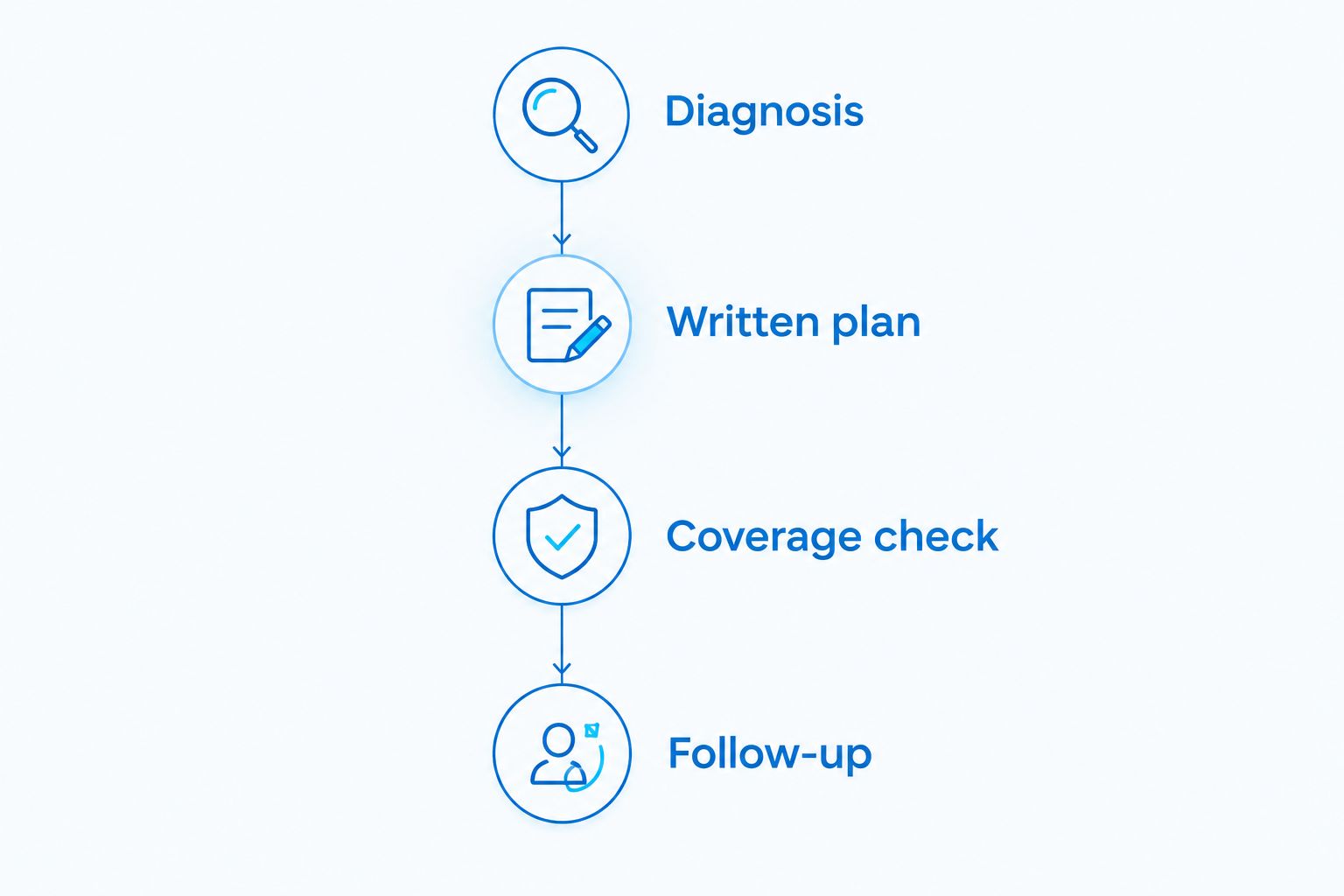
Bring the same checklist to each consultation. Matching the scope of the plans helps you compare like with like instead of comparing a monthly installment with a full treatment commitment.
Diagnosis
Ask which teeth or bite relationships need correction and why treatment should begin now. If early treatment is recommended, ask what it addresses and whether another course of treatment is expected later.
Written plan
Request a written description of the appliance, planned care, follow-up, and retainers. Identify anything handled separately, including extra dental treatment, appliance replacement, or changes to the original plan.
Coverage check
Ask your insurer whether your child has orthodontic benefits, which providers qualify, and whether approval is required before treatment. Routine dental coverage does not automatically establish braces coverage.
Follow-up
Confirm where your child will attend adjustment visits and whom to contact about a broken bracket or lost tray. Ask how the office coordinates routine cleanings during orthodontic treatment.
Compare the complete treatment process before choosing an appliance.
If you are considering Affordable Dentist Near Me for braces, bring this checklist and ask which office and treating provider will manage your child’s care. Confirm appliance choices and financial arrangements directly with the office.
Discuss your child’s braces needs
Ask about treatment assessment, follow-up visits, and what a written braces plan includes.
Braces straighten teeth, but they do not prevent cavities or gum problems. Your child still needs routine dental care, cleaning at home, and help following the treating clinician’s instructions.
The American Dental Association recommends brushing for 2 minutes, 2 times daily, with fluoride toothpaste and cleaning between teeth 1 time daily. With brackets, ask the dental team to demonstrate how to reach around the appliance and between teeth.
Use these habits throughout treatment:
Help younger children check for food left around brackets.
Follow instructions about foods that damage fixed appliances.
Keep removable trays in their designated case when not worn.
Attend recommended dental and orthodontic visits.
Report broken appliances rather than trying to adjust wires yourself.
The pediatric dental care guide explains the broader care needs to discuss alongside braces. Straightening teeth and keeping them healthy belong in the same plan.
Which braces option should you choose?
Start with a metal-braces assessment, then compare alternatives only when they solve a specific need. Ceramic braces address concerns about visible brackets; clear aligners address a preference for removable treatment when the child and diagnosis are suitable.
For your 2026 decision, prioritize the clinical explanation, a workable home-care routine, and a complete written agreement. Choose the treatment your child can maintain—not simply the one that looks easiest in a photograph.
If the recommendation is unclear, ask for clarification or another clinical opinion before committing. A parent should understand why treatment is needed and what it is intended to change.
FAQ
What are the best affordable teeth braces for kids?
Traditional metal braces are the best starting point for comparing affordable teeth braces for kids who need fixed treatment. The right choice still depends on the bite diagnosis, daily cleaning needs, and complete treatment agreement.
At what age should my child have a braces evaluation?
The American Association of Orthodontists recommends an orthodontic checkup no later than age 7 years. An evaluation does not mean your child needs braces immediately; the clinician can recommend monitoring when appropriate.
Are clear aligners better than metal braces for children?
Clear aligners are not automatically better than metal braces for children. They suit selected treatment needs and require consistent wear, while fixed braces remove the responsibility of taking trays out and putting them back in.
Does dental insurance cover braces for kids?
Some dental plans include orthodontic benefits for children, but coverage depends on the specific policy. Verify eligibility, provider requirements, benefit limits, and any approval requirements before treatment begins.
Does Texas Medicaid cover braces for children?
Texas Medicaid orthodontic coverage for children depends on medical necessity and program requirements. Cosmetic concerns alone do not establish eligibility; confirm the current authorization rules with the child’s plan and treating provider.
How do I compare braces payment plans for my child?
Compare the complete financial agreement and treatment scope rather than the monthly payment alone. Ask about financing terms, retainers, repairs, replacement appliances, and what happens if treatment changes.
Can my child wait until all permanent teeth come in?
Do not assume your child must wait until all permanent teeth come in before an evaluation. Some developing bite problems need earlier attention, while other children benefit from monitoring; the examination determines the timing.
One last thing
Ask about retainers before you agree to braces. Teeth can shift after active treatment, so the American Association of Orthodontists emphasizes following the prescribed retainer routine to maintain the result.
At Affordable Dentist Near Me, ask how the proposed braces plan addresses the transition to retention. Your decision should cover keeping the result, not just reaching the day the appliance comes off.