Signs of Dental Implant Failure You Must Know: Identifying Symptoms and Causes for Early Detection
Dental implants are a popular solution for tooth replacement, offering a durable and aesthetically pleasing option for those with missing teeth. However, like any medical procedure, they come with risks, including the potential for failure. Understanding the signs of dental implant failure is crucial for early detection and intervention. This article will explore the common symptoms, causes, and treatment options associated with dental implant failure, ensuring that you are well-informed about maintaining your oral health. We will also discuss how to recognize specific issues such as implant loosening and infection, and the importance of timely diagnosis and care.
What Are the Common Symptoms Indicating Dental Implant Failure?
Recognizing the symptoms of dental implant failure is essential for timely intervention. Common symptoms include pain, swelling, and mobility of the implant. These signs can indicate underlying issues that may compromise the stability and function of the implant. Early detection of these symptoms can significantly improve treatment outcomes and prevent further complications.
For those in Tyler seeking specialized care, local resources offer consultations to assess any concerns regarding dental implants.
How to Recognize Implant Loosening and Mobility Symptoms
Implant loosening is a critical sign of potential failure. Symptoms of loosening include noticeable movement of the implant when pressure is applied. This mobility can indicate underlying issues such as bone loss or infection. It is vital to seek professional evaluation if you notice any signs of movement, as early intervention can help preserve the implant and surrounding structures.
What Signs Indicate Implant Infection and Peri-implantitis?
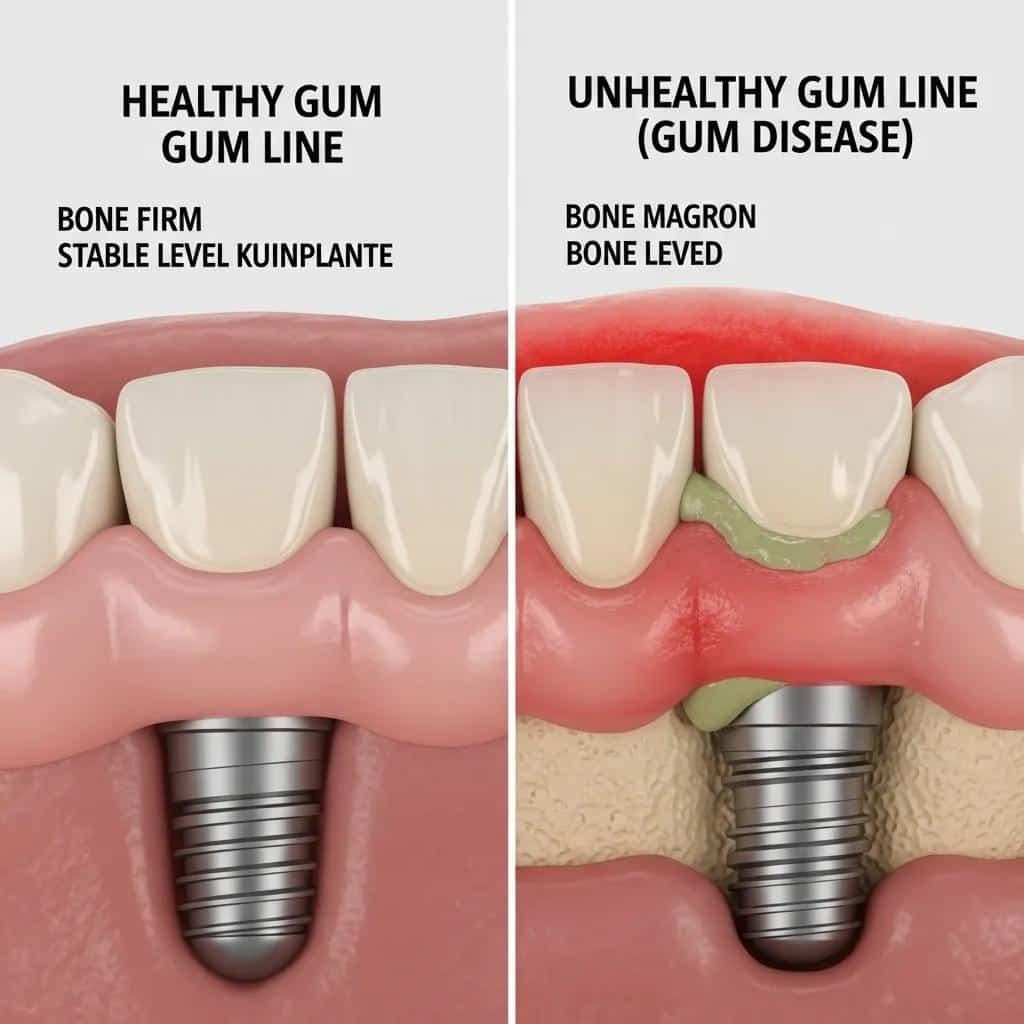
Infection around the implant site, known as peri-implantitis, can lead to severe complications if not addressed promptly. Symptoms of infection include redness, swelling, and discharge from the implant area. Peri-implantitis can also result in bone loss, which jeopardizes the stability of the implant. Immediate dental attention is necessary to manage these symptoms effectively and prevent further deterioration.
What Causes Dental Implant Failure and Related Complications?
Several factors can contribute to dental implant failure, including infection, bone loss, and improper placement. Understanding these risk factors is crucial for both patients and dental professionals. Preventive measures, such as maintaining good oral hygiene and regular dental check-ups, can significantly reduce the risk of complications associated with dental implants.
Which Factors Lead to Gum Disease Around Implants?
Gum disease is a significant concern for individuals with dental implants. Poor oral hygiene can lead to the development of gum disease, which can compromise the health of the implant. Regular dental check-ups are essential to monitor gum health and ensure the longevity of the implant. The connection between gum health and implant success cannot be overstated, as healthy gums provide the necessary support for dental implants.
How Do Infection and Bone Loss Contribute to Implant Failure?
Infection and bone loss are two critical factors that can lead to dental implant failure. Infection can cause inflammation and damage to the surrounding bone, leading to instability. Bone loss affects the implant’s ability to integrate with the jawbone, which is essential for its long-term success. Addressing infections promptly is vital to maintaining the health of the implant and surrounding structures.
How Can Dental Implant Failure Be Diagnosed Effectively?
Effective diagnosis of dental implant failure involves a thorough clinical evaluation and imaging techniques. Clinical signs such as mobility, pain, and swelling are crucial indicators. Imaging techniques, such as X-rays, can reveal underlying issues that may not be visible during a physical examination. Regular monitoring of dental implants is essential for early detection of potential problems.
What Clinical Signs and Tests Confirm Implant Failure?
Several clinical signs and tests can confirm dental implant failure. Specific tests, including mobility assessments and imaging studies, are essential for accurate diagnosis. Clinical signs such as pain and swelling should not be overlooked, as they can indicate significant underlying issues. A thorough evaluation by a dental professional is crucial for confirming implant failure and determining the appropriate course of action.
How Does Geographic Location Affect Diagnosis and Care?
Geographic location can significantly impact access to specialized dental care. Access to dental specialists varies by location, which can affect the quality of care received. Local resources, such as dental clinics and specialists, can aid in the diagnosis and treatment of dental implant issues. Understanding regional differences in care is essential for patients seeking specialized treatment.
What Treatment Options Are Available for Dental Implant Failure?
When dental implant failure occurs, several treatment options are available depending on the severity of the issue. Common treatments include surgical interventions and antibiotics to manage infections. Consulting with a specialist is recommended to determine the best course of action tailored to the individual’s needs.
Treatment Option
Description
Effectiveness
Surgical Intervention
May involve removing the implant and addressing underlying issues
High for severe cases
Antibiotics
Used to manage infections around the implant
Moderate, depending on infection severity
Bone Grafting
Can restore lost bone to support a new implant
High for improving stability
This table illustrates the various treatment options available for dental implant failure, highlighting their effectiveness based on the severity of the condition.
How Are Surgical Interventions and Antibiotics Used?
Surgical interventions may be necessary for severe cases of dental implant failure. These procedures can address underlying issues such as bone loss or infection. Antibiotics play a crucial role in managing infections, helping to reduce inflammation and promote healing. Following prescribed treatment plans is essential for successful recovery and implant preservation.
Can Dental Implants Be Saved After Failure?
In some cases, dental implants can be salvaged with proper care and intervention. Early intervention increases the chances of saving the implant, making it crucial to consult with a dental professional at the first sign of trouble. Understanding the potential for recovery can provide hope for patients facing implant failure.
How to Prevent Dental Implant Failure and Maintain Implant Health?
Preventing dental implant failure involves several proactive strategies. Regular dental check-ups are essential for monitoring implant health and addressing any concerns early. Good oral hygiene practices, including brushing and flossing, can prevent infections and gum disease. Understanding risk factors associated with dental implants is key to maintaining their longevity.
What Are the Best Practices for Implant Maintenance?
Maintaining dental implants requires consistent care and attention. Routine cleaning and regular check-ups are vital for ensuring the health of the implant and surrounding tissues. Avoiding certain foods that can damage the implant and educating oneself on proper implant care are also important practices for long-term success.
How Does Early Symptom Recognition Improve Outcomes?
Recognizing symptoms of dental implant failure early can lead to better outcomes. Early detection allows for timely intervention, which can prevent further complications and preserve the implant. Understanding the signs and symptoms is crucial for patients to take proactive steps in maintaining their oral health.
Where to Find Specialized Dental Implant Care in Tyler?
For those seeking specialized dental implant care in Tyler, local resources can provide valuable support. It is essential to choose qualified professionals who have experience in managing dental implants. Access to care can vary by location, making it important to research available options.
To ensure you receive the best possible care, it’s important to schedule a consultation with a trusted dental professional in Tyler.
How to Schedule a Dental Implant Consultation in Tyler?
Scheduling a dental implant consultation in Tyler is a straightforward process. Patients should reach out to local dental clinics to inquire about appointment availability. Timely consultations can clarify treatment options and address any concerns regarding dental implants.
What Local Resources Support Implant Failure Treatment?
Local clinics and specialists play a crucial role in supporting the treatment of dental implant failure. Community resources may provide additional support and information for patients facing challenges with their implants. Understanding the available options is essential for effective treatment and recovery.
If you’re looking for affordable dentist options in Tyler, be sure to explore the available clinics and specialists to find the best fit for your needs.