Comprehensive Guide to Dental Implants for Missing Teeth: Implant Tooth Replacement and Recovery
Dental implants have revolutionized the way we approach tooth replacement, offering a durable and aesthetically pleasing solution for individuals with missing teeth. This comprehensive guide will delve into the intricacies of dental implants, including their types, the surgical procedure, recovery timelines, and associated costs. Many people face challenges with traditional dentures or bridges, which can be uncomfortable and less stable. Dental implants provide a more permanent solution, enhancing both functionality and appearance. Throughout this article, we will explore the various aspects of dental implants, including the materials used, the surgical process, and the recovery journey, ensuring you have a well-rounded understanding of this dental procedure.
What Are Dental Implants and How Do They Replace Missing Teeth?
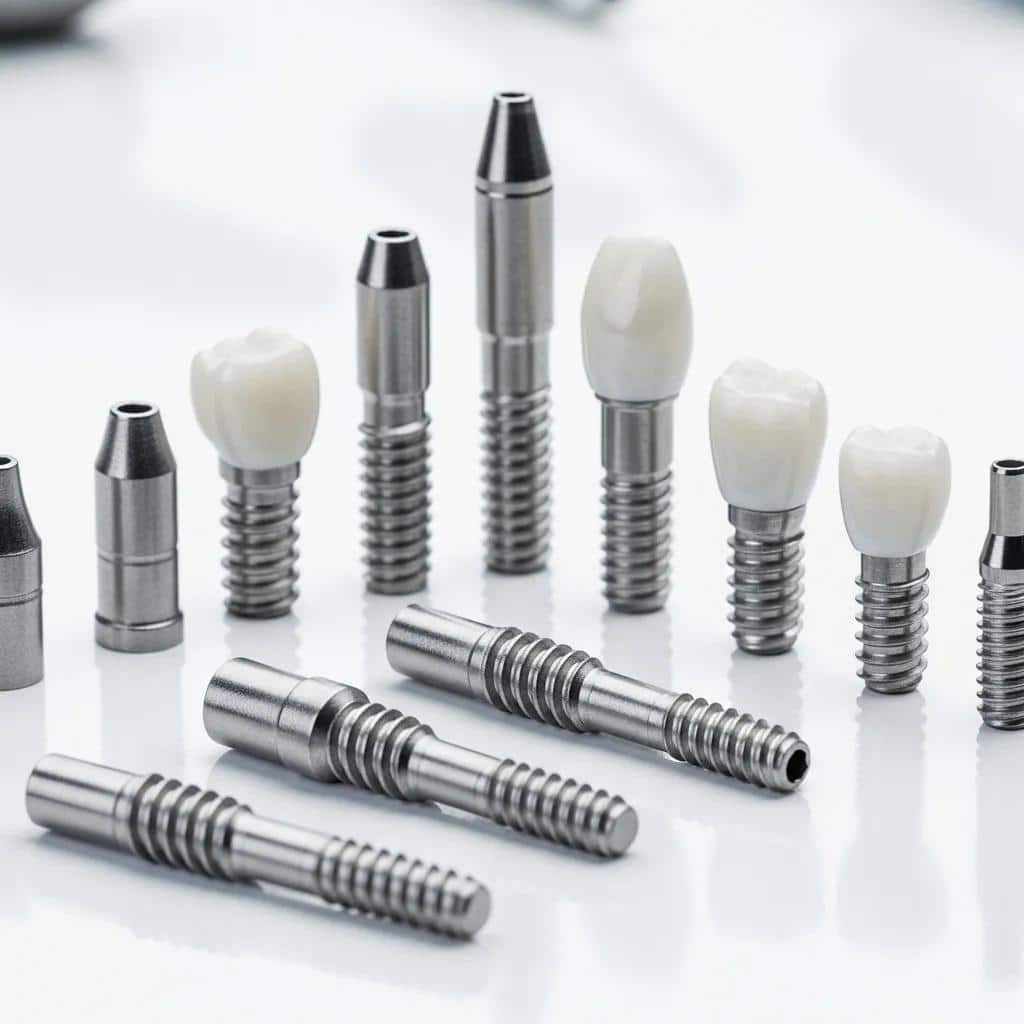
Dental implants are artificial tooth roots, typically made from titanium, that are surgically placed into the jawbone to support replacement teeth or bridges. They function by fusing with the bone through a process called osseointegration, providing a stable and durable foundation for artificial teeth. The primary benefit of dental implants is their ability to restore both the appearance and function of natural teeth, allowing individuals to eat, speak, and smile with confidence.
Understanding Implant Tooth Replacement: Materials and Types
Dental implants come in various materials and types, each offering unique advantages. The most common material used is titanium, known for its biocompatibility and strength. Other options include zirconia, which is a ceramic material that provides a tooth-colored alternative. The types of implants include endosteal implants, which are placed directly into the jawbone, and subperiosteal implants, which are placed under the gum but above the jawbone. Each type is designed to meet specific patient needs, ensuring optimal results.
How Implant-Supported Dentures Differ from Traditional Dentures
Implant-supported dentures offer significant advantages over traditional dentures. Unlike conventional dentures, which can slip and cause discomfort, implant-supported dentures are anchored securely to the jawbone, providing enhanced stability and comfort. This stability allows for better chewing efficiency and eliminates the need for messy adhesives. Additionally, implant-supported dentures can help preserve jawbone health by preventing bone loss that often occurs with missing teeth.
Studies consistently highlight the superior quality of life experienced by patients with implant-supported dentures compared to those with traditional complete prostheses.
Dental Implants vs. Dentures: Quality of Life
This work aims to confirm if implant-supported overdentures are a good treatment option for edentulous patients and offer an improvement in quality of life compared with traditional complete prostheses (dentures).
Oral health-related quality of life of implant-supported overdentures versus conventional complete prostheses: retrospective study of a cohort of edentulous patients, L Fernandez-Estevan, 2015
What Does the Tooth Implant Procedure Involve?
The dental implant procedure is a multi-step process that typically begins with a thorough examination and treatment planning. This ensures that the patient is a suitable candidate for implants and that any necessary preparatory work, such as bone grafting, is completed.
Step-by-Step Overview of Dental Implant Surgery
The dental implant surgery involves several key steps:
Initial Consultation: The dentist evaluates the patient’s oral health and discusses treatment options.
Implant Placement: The titanium implant is surgically inserted into the jawbone.
Healing Period: A healing period of several months allows the implant to fuse with the bone.
Abutment Placement: Once healed, an abutment is attached to the implant to hold the crown.
Crown Placement: Finally, a custom-made crown is placed on the abutment, completing the restoration.
When Is Bone Grafting Necessary for Implants?
Bone grafting may be necessary when the jawbone lacks sufficient density or volume to support an implant. This procedure involves adding bone material to the jaw to create a stable foundation for the implant. Factors that may necessitate bone grafting include previous tooth loss, periodontal disease, or trauma. The grafting process can take several months to heal, but it is crucial for ensuring the long-term success of the implant.
Further research emphasizes the critical role of bone grafting in achieving successful osseointegration for dental implants.
Bone Grafting for Dental Implant Healing
The indications of bone substitutes are discussed as to their specific applications in implant dentistry. The healing of dental implants with a direct bone contact has been described as an osseointegration.
Bone-grafting materials in implant dentistry, 1993
How Long Is Dental Implant Surgery Recovery and What Does It Entail?
Recovery from dental implant surgery varies by individual but generally involves a few key phases. Understanding the recovery timeline can help patients prepare for their post-operative care.
Typical Recovery Timeline After Implant Surgery
After the implant surgery, patients can expect a recovery timeline that typically spans several weeks to months. Initial healing usually occurs within 1-2 weeks, during which swelling and discomfort may be present. Full osseointegration, where the implant fuses with the bone, can take anywhere from 3 to 6 months, depending on individual healing rates and the complexity of the case.
Tips for Care and Maintenance During Recovery
Proper care during recovery is essential for the success of dental implants. Patients should follow these tips:
Maintain Oral Hygiene: Gently brush and floss around the implant site to prevent infection.
Follow Dietary Recommendations: Stick to soft foods and avoid hard or sticky items that could disrupt healing.
Attend Follow-Up Appointments: Regular check-ups with the dentist ensure that the healing process is on track.
What Is the Cost of Dental Implants and Financing Options in Tyler?
The cost of dental implants can vary significantly based on several factors, including the type of implant, the complexity of the procedure, and the dentist’s experience. Understanding these factors can help patients make informed decisions about their dental care.
Factors Influencing the Price of Dental Implants
Several key factors influence the overall cost of dental implants:
Material Costs: The type of implant material used can affect the price.
Surgical Fees: The complexity of the surgery and the dentist’s expertise contribute to the overall cost.
Location Factors: Prices may vary based on geographic location and local market conditions.
How to Schedule a Consultation for Affordable Dental Implant Services Near Me
To find affordable dental implant services, patients should consider the following steps:
Research Local Providers: Look for dental practices that specialize in implants and offer transparent pricing.
Schedule Consultations: Meet with multiple dentists to discuss options and obtain cost estimates.
Inquire About Financing: Many dental offices offer financing plans or payment options to make implants more accessible.
Why Choose the Best Dental Implants Near Me in Tyler?
Selecting the right dental implant provider is crucial for achieving optimal results. Local specialists often offer unique advantages that can enhance the patient experience.
Benefits of Selecting Local Implant Specialists
Choosing local implant specialists provides several benefits:
Convenience: Proximity to the dental office makes it easier to attend appointments and follow-ups.
Personalized Care: Local providers often build relationships with their patients, leading to tailored treatment plans.
Community Trust: Local specialists may have established reputations within the community, providing peace of mind.
Patient Testimonials and Success Rates Above 95 Percent
Many studies report dental implant success rates generally between 90% and 95%, depending on factors such as implant location and patient health. Success rates above 95% are achievable in ideal cases with proper care. Testimonials often highlight the improved quality of life and confidence that comes with having a complete smile. These positive outcomes underscore the effectiveness of dental implants as a long-term solution for missing teeth.
To schedule a consultation and explore your options, consider scheduling an appointment with a trusted local dentist.
For those seeking more information or ready to take the next step, new patient information is readily available to help you get started.