What is TMJ and Why Does Stress Affect It?
TMJ, or temporomandibular joint dysfunction, is a condition affecting the jaw joint and surrounding muscles, causing pain and discomfort. Stress can lead to physical manifestations such as jaw clenching and teeth grinding, which exacerbate TMJ symptoms. Understanding the connection between stress and TMJ is crucial for effective treatment and preventive measures.
When individuals are under stress, they may unconsciously hold tension in their jaws, leading to inflammation and pain in the TMJ. This can create a cycle of discomfort, where the pain causes more stress, further worsening the condition. Addressing the underlying stress through relaxation techniques can be beneficial in managing TMJ symptoms and improving overall dental health.
The Importance of Regular Dental Check-ups for Bridges
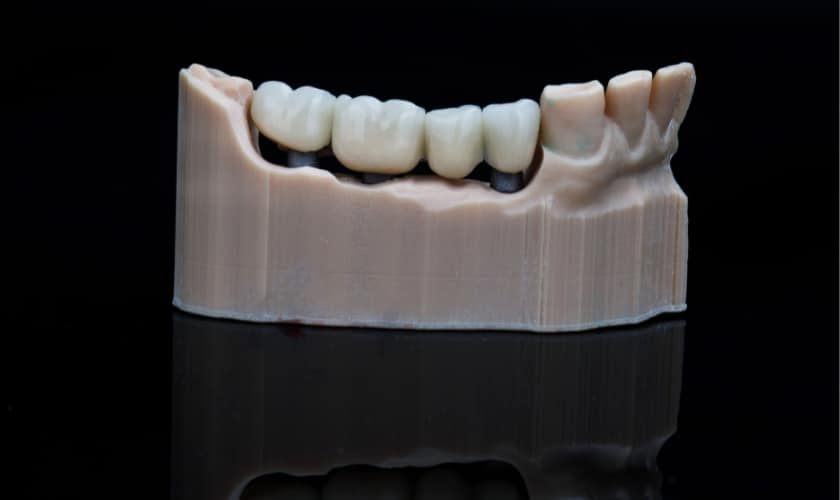
Regular dental check-ups play a critical role in the longevity of dental bridges. These appointments allow dentists to assess the condition of the bridge and its supporting teeth, ensuring everything is functioning correctly. Early detection of potential issues can prevent complications that may necessitate repairs or replacements of the bridge.
During these check-ups, dentists can also provide guidance on proper care and maintenance for dental bridges. This includes advice on oral hygiene practices and dietary choices that can affect the integrity of the bridge. Regular visits not only help preserve your dental work but also contribute to overall oral health and well-being.
Benefits of Dental Sealants Beyond Cavity Prevention
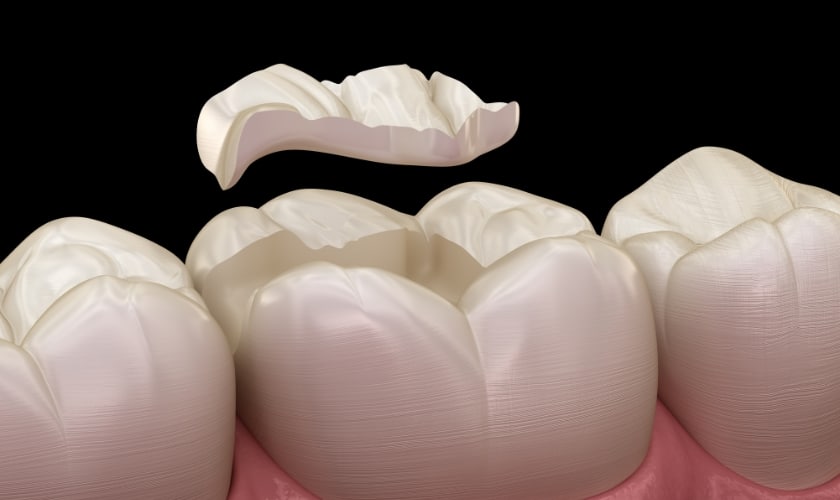
While dental sealants are primarily known for their cavity-preventing abilities, their benefits extend beyond that. They create a smooth surface on the teeth, making it more challenging for food particles and plaque to accumulate. This ease of cleaning encourages better oral hygiene practices, leading to healthier teeth and gums.
Moreover, dental sealants can be particularly beneficial for children and teenagers whose permanent teeth are still developing. By protecting the grooves and pits of their molars during these crucial years, sealants can significantly reduce the likelihood of cavities and associated dental treatments. This proactive approach to dental health sets the foundation for a lifetime of healthy smiles.
Best Practices for Maintaining Dental Crowns
After receiving a dental crown, adopting best practices for maintenance is essential to ensure its longevity and functionality. Regular brushing and flossing are crucial, but being mindful of the materials used in crowns is equally important. It's recommended to use a soft-bristled toothbrush and non-abrasive toothpaste to prevent damage to the crown's surface.
In addition to good oral hygiene, it's wise to avoid sticky foods and hard candies that could dislodge or damage the crown. Patients should also maintain regular dental appointments for professional cleanings and assessments of the crown's condition. These practices can greatly extend the life of dental crowns, keeping smiles bright and functional for years to come.
How Nutrition Influences Dental Health
Nutrition plays a fundamental role in dental health, affecting not just the appearance of your smile but also its overall strength. A diet rich in calcium, phosphorus, and vitamins A, C, and D can significantly bolster tooth integrity and health. Foods like dairy, leafy greens, and fruits not only provide essential nutrients but also help reduce the risk of decay and gum disease.
Conversely, excessive sugar and acidic foods can have detrimental effects on your dental health, leading to cavities and enamel erosion. It's vital to strike a balance in your diet, making informed choices that promote oral hygiene. Adopting a nutritious eating plan not only benefits your teeth but enhances your overall well-being, promoting a vibrant and healthy life.
Understanding the Impact of Dentures on Facial Structure
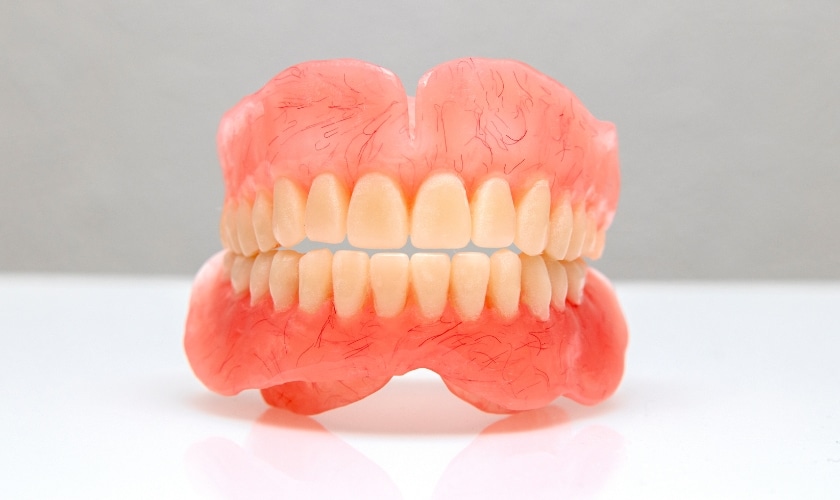
Dentures do more than restore smiles; they can significantly enhance facial appearance by supporting the structure of the mouth. When teeth are missing, the jawbone can begin to deteriorate, leading to changes in face shape and sagging skin. Dentures help fill out the face, preserving its natural contours and restoring a youthful appearance.
Furthermore, well-fitted dentures can improve a person's confidence and self-esteem, allowing them to engage socially without feeling self-conscious about their smile. This positive impact on mental well-being is just as important as the physical benefits, showcasing the multifaceted advantages of wearing dentures as a solution for missing teeth.
Essential Tips for New Denture Wearers
For new denture wearers, the transition can be both exciting and challenging. One of the most important tips is to allow plenty of time to adjust to the feel of dentures. Initial discomfort can be expected, and getting used to speaking and eating with dentures may take practice. Gradually introducing different foods can help ease this adjustment period.
Another vital tip is to maintain a proper cleaning routine for your dentures. Daily care is necessary to prevent staining and unpleasant odors. Soaking dentures in a cleaning solution, along with gentle brushing, can keep them looking new and ensure their longevity. Following these tips will make the denture experience more comfortable and enjoyable.
Preventing Progression of Gum Disease
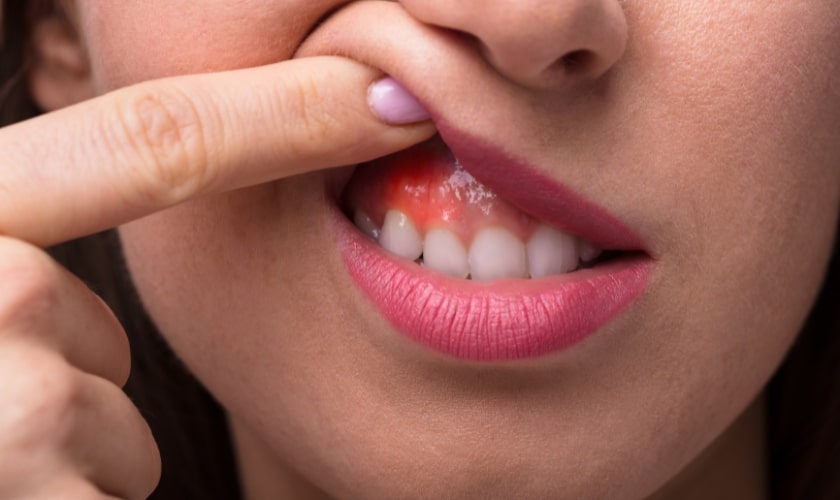
Gum disease is a common dental issue that can have serious repercussions if left untreated. Recognizing the warning signs early, such as swollen gums and bleeding, is crucial for preventing its progression. Regular dental visits and maintaining a rigorous oral hygiene routine are essential steps in reversing early stages of gum disease.
Incorporating specific treatments, such as professional cleanings or antimicrobial therapies, can also be effective in managing and reversing gum disease. Lifestyle changes, including quitting smoking and improving dietary habits, further contribute to gum health. Being proactive about these aspects can safeguard not just your gums, but your overall oral health for the long term.
Importance of Cleaning Orthodontic Braces
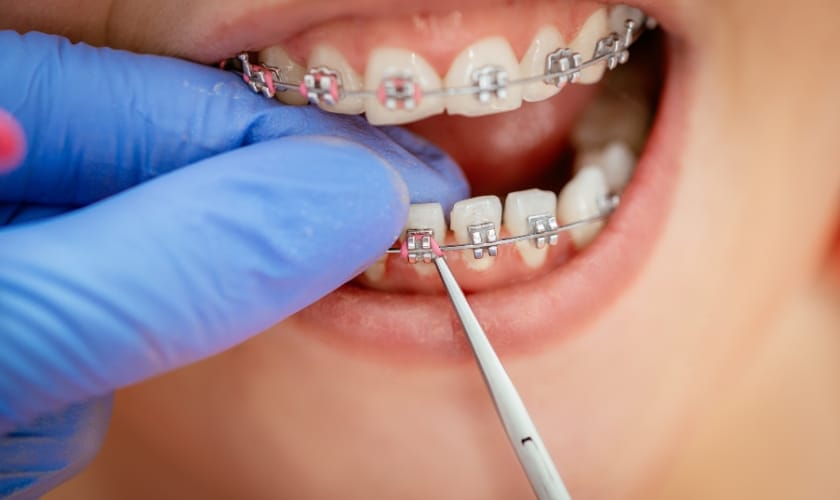
Cleaning orthodontic braces is imperative for maintaining oral hygiene while undergoing treatment. Braces create additional surfaces that can trap food debris and plaque, increasing the risk of cavities and gum disease. Therefore, brushing after every meal and using specialized cleaning tools, such as interdental brushes, can help prevent accumulation around brackets and wires.
Additionally, regular flossing is essential, although it may be more challenging with braces in place. Using floss threaders or orthodontic flossers can simplify this process, ensuring that all areas between teeth are clean. Proper care not only enhances the overall effectiveness of braces but also protects oral health throughout the duration of treatment.