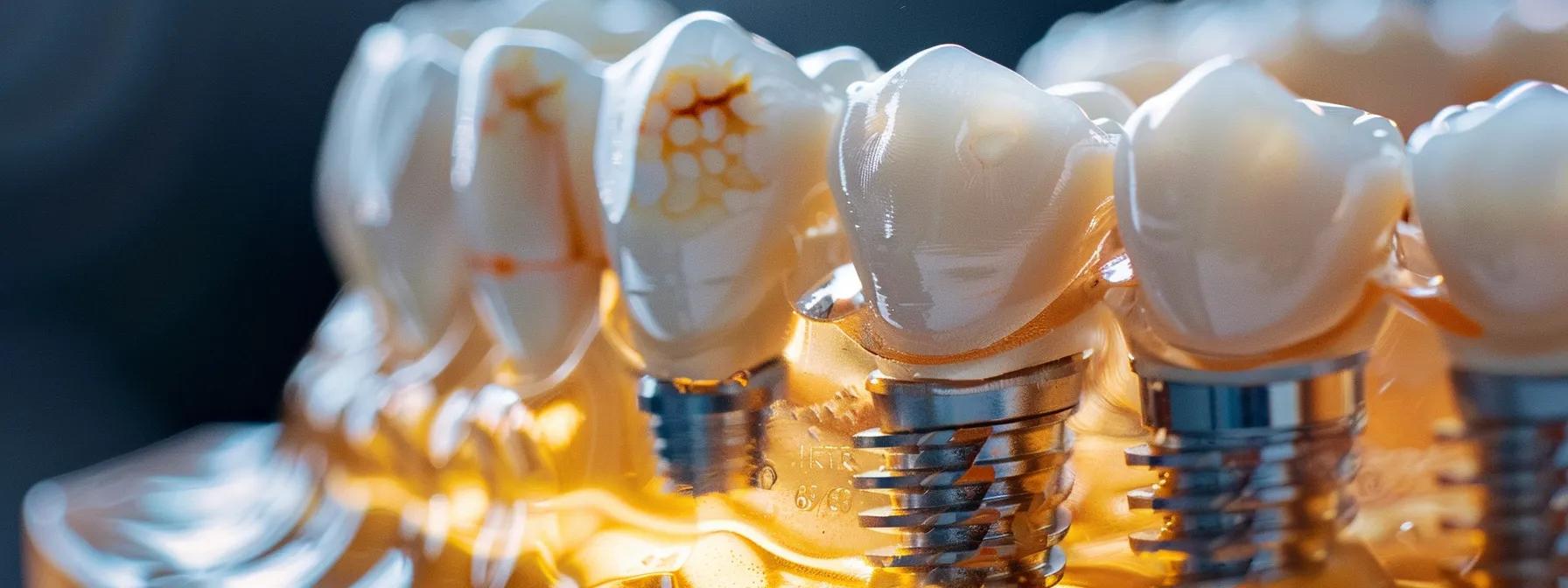
Dental implants not only restore a person’s smile and chewing function but also rely on the successful integration of gum tissue to ensure long-term health. When gums form a secure bond with an implant, they protect the underlying bone and provide a natural barrier against infection and inflammation. For many patients considering dental implants, understanding how gum tissue attaches and heals around the implant is crucial. This bond—often called the mucosal or perimucosal seal—is essential for implant longevity, improved comfort, and aesthetics that mimic natural teeth.
In dental practice, successful gum adhesion also means a decrease in complications like peri-implantitis and gum recession. The process starts from the moment the implant is placed and continues through various stages of healing and remodeling. Patients with proper oral hygiene and regular dental follow-ups tend to experience better gum integration. This article will explore the biological mechanics of gum bonding to an implant, stages of healing, factors influencing this process, and how to recognize both success and potential challenges. Ultimately, understanding these processes helps patients make informed decisions about their dental care and promotes confidence in seeking a free consultation at a dental office specializing in implants.
Moreover, advanced dental techniques, along with improved implant materials, contribute to better outcomes in terms of gum healing. From the cellular interactions at the implant surface to the significance of proper surgical technique and patient oral care, every step plays a pivotal role. Read on to explore these components and learn how your gums can bond successfully with your dental implant, ensuring that your new smile remains strong and healthy for years to come.
Key Takeaways
The success of dental implants depends greatly on how well the gum tissue bonds to the implant, ensuring protection and stability.
Healing occurs in multiple stages, starting from inflammation to new tissue formation and final maturation.
Critical factors such as implant material, surgical technique, and patient oral hygiene significantly affect gum integration.
Recognizing signs of healthy gum tissue and addressing early inflammation can prevent complications and ensure longevity.
Maintaining optimal gum health through proper at-home care and regular professional monitoring is essential for dental implant success.
The Biological Mechanics of Gum Adhesion to Dental Implants
Understanding how gums attach to dental implants is critical for ensuring long-term stability and health. The biological process begins with the integration of soft tissue around the implant fixture. This integration is a dynamic event that involves multiple cellular interactions and the formation of a protective barrier. Initially, following implant placement, blood clot formation occurs, which creates a scaffold for the migration of gum cells. These cells, primarily fibroblasts and epithelial cells, begin to bridge the contact between the gum and the implant surface.
Understanding Soft Tissue Integration Around Dental Implant Fixtures
Gum tissue integration is driven by the body’s inflammatory response and natural wound healing. After the implant is surgically inserted, a cascade of biological events is triggered. Platelets release growth factors that promote cell proliferation and differentiation. Within a few days, fibroblasts migrate to the area, initiating the repair process by synthesizing connective tissue matrix proteins like collagen. This repair process is similar to wound healing seen in other soft tissues and is vital to create a robust seal against bacteria and debris. The initial connection between the soft tissue and the implant sets the stage for long-term stability, reinforcing both the aesthetic and functional outcomes.
How Gum Cells Form a Seal With the Implant Surface
Gum cells are capable of adhering to implant surfaces through adhesion proteins that bind to the titanium or zirconia materials commonly used in implants. This bond, although not as strong as the connection between natural tooth roots and bone, is sufficiently robust to create a barrier against external contaminants. Specialized proteins, such as fibronectin and laminin, play a major role in mediating the attachment of epithelial cells to the implant surface. The formation of this adhesive interface is critical because it mimics the natural periodontal ligament attachment seen in healthy teeth, thus offering both mechanical and immunological benefits.
The Role of the Perimucosal Seal in Dental Implant Success
The perimucosal seal, also known as the soft tissue attachment, is a defensive barrier that prevents bacteria from migrating along the implant-abutment junction. When this seal is intact, it helps protect the underlying bone and implant structure from infection and inflammatory reactions. Researchers have noted that a well-formed perimucosal seal can significantly reduce the incidence of peri-implantitis, a common complication that can lead to implant failure. This seal is maintained through a process of continuous remodeling, where the cells periodically renew and strengthen the bond at the interface.
Differences in Gum Attachment Between Natural Teeth and Dental Implants
While natural teeth have a periodontal ligament that offers shock absorption and rearranges the forces of chewing, dental implants rely solely on osseointegration and soft tissue adhesion for stability. The absence of a periodontal ligament means that the soft tissue bond must be particularly strong and resilient to withstand the mechanical forces inherent in daily activities like chewing. Additionally, the implant surface is engineered to promote cellular adhesion through specific surface treatments and modifications, which differ from the organic surfaces of natural teeth. Ultimately, while both natural teeth and implants achieve a type of protective seal, the mechanisms and structures involved are distinct, with implants demanding a more engineered approach to mimic natural conditions.
Stages of Gum Healing and Growth Following Dental Implant Placement
After a dental implant is placed, the body embarks on a complex healing journey that can be broken down into distinct stages. Each stage is critical in establishing a secure bond between the gum tissue and the implant surface, and any interruption or complication in one stage can affect the final outcome.
Initial Inflammatory Response and Blood Clot Formation
Immediately after implant placement, the body’s defense mechanisms are activated, and an inflammatory response ensues. This initial stage is crucial, as the inflammation attracts white blood cells and platelets to the site, leading to the formation of a stable blood clot around the implant. This clot serves as a temporary matrix that supports early cell migration and provides a localized release of growth factors. Clinically, this stage typically lasts for the first few days post-surgery. Effective management of inflammation—for instance, through the administration of appropriate medications and careful post-operative care—is essential to ensure that the blood clot remains intact and effectively transitions into the next phase of healing.
Proliferation of Cells and New Tissue Generation Around Implants
Following the initial inflammatory phase, the focus shifts to cell proliferation and tissue regeneration. Fibroblasts and epithelial cells migrate into the clot and begin synthesizing new extracellular matrix components, such as collagen. These cells lay down the foundations of a new connective tissue matrix that gradually replaces the initial blood clot. During this phase, which typically spans one to three weeks after surgery, the quality and speed of tissue generation are influenced by both the patient’s overall health and the precision of the surgical technique. The smooth integration of new tissue is pivotal for developing a tight and stable interface between the implant and the overlying gum.
Gum Tissue Maturation and Remodeling for Dental Implants
Once the proliferative phase has advanced, the newly generated tissue enters a maturation state. During this period, the soft tissue gradually remodels, becoming more organized and resilient. The collagen fibers align in response to functional stresses, and the overall architecture of the gum becomes more similar to that of natural tissue. This remodeling phase can extend over several months, during which the perimucosal seal continually strengthens as the tissue adapts to its new role. Successful remodeling not only reinforces the aesthetic outcome of the implant by supporting a natural gum contour but also contributes significantly to the long-term functional stability of the implant.
Typical Timeline for Complete Gum Integration With Dental Implants
Clinically, the entire healing process—from the initial inflammatory response to full tissue maturation—typically takes between three to six months. The timeline can vary based on several factors including surgical technique, the patient’s systemic health, and adherence to post-operative care instructions. While initial healing occurs within a few weeks, practitioners often recommend a cautious period before the final restoration is placed, allowing the gum tissue to fully integrate and the bone to achieve optimal osseointegration with the implant. In summary, understanding this timeline helps set realistic expectations and reinforces the importance of following post-operative guidelines to ensure the best possible outcome.
Critical Factors Influencing Gum Bonding to Dental Implants
The strength and durability of gum adhesion to dental implants are influenced by multiple factors, ranging from the material properties of the implant to the patient’s overall oral health. Recognizing and managing these factors is essential to maximize the success of dental implants.
The Impact of Dental Implant Material and Surface Characteristics
The choice of implant material plays a pivotal role in gum bonding. Modern implants are primarily made from titanium or zirconia, both of which offer excellent biocompatibility. Titanium, for instance, is widely used due to its innate ability to osseointegrate and support soft tissue attachment. Surface modifications, such as sandblasting and acid etching, create a micro-rough texture that enhances the adhesion of cells. This textured surface increases the surface area and encourages the deposition of proteins vital for the attachment of fibroblasts. Studies have shown that implants with such modified surfaces exhibit a higher degree of soft tissue integration compared to their smooth counterparts.
Surgical Technique and Its Effect on Gum Healing for Dental Implants
The precision of the surgical procedure is another critical element. A gentle surgical technique that minimizes trauma to the surrounding tissues promotes faster and more predictable healing. Excessive manipulation or overheating during drilling can lead to tissue necrosis, impairing the attachment process. Surgeons who follow minimally invasive protocols tend to achieve better soft tissue outcomes, ensuring that the gum not only adheres well but also maintains its aesthetic contour. Using proper instruments and maintaining a sterile field also help reduce post-surgical complications, such as infection or excessive inflammation, which can compromise gum integration.
Patient Oral Hygiene and Its Contribution to Gum Health Around Implants
Patient adherence to good oral hygiene practices cannot be overstated. After implant placement, maintaining a clean oral environment facilitates better tissue healing and reduces the risk of biofilm formation on the implant surface. This, in turn, mitigates the risk of peri-implant diseases. Regular brushing, the use of interdental brushes, and professional dental cleanings are all part of a comprehensive regimen that supports tissue health. Patients are routinely advised to avoid irritants such as tobacco and to adhere strictly to any post-operative care protocols prescribed by the dentist. Such measures not only aid in the initial healing phases but also contribute to long-term stability and aesthetics of the implant.
Systemic Health Considerations for Gum Growth With Dental Implants
Systemic factors, including nutrition, chronic diseases, and medications, also significantly influence gum growth. For example, patients with diabetes or those who are immunocompromised might experience delayed healing. Adequate nutritional support—with proper vitamins and minerals—can enhance the body’s natural healing processes. In some cases, managing systemic inflammation through medical interventions or lifestyle changes may be necessary to create an optimal environment for gum adhesion. Each patient’s medical history is taken into account during treatment planning to mitigate any potential systemic barriers to successful tissue integration.
The Significance of Adequate Bone Support for Gum Stability
Bone support underpins the entire implant system. Without sufficient bone volume and density, even a well-adhered gum tissue may eventually fail due to the lack of a stable foundation. When planning for dental implants, clinicians carefully evaluate the bone structure using imaging technologies and may recommend bone grafting or other augmentative procedures if necessary. Adequate bone support ensures that the implant is securely anchored, which indirectly influences the quality and stability of the adjacent gum tissue. In essence, both bone and gum must work in tandem to create a resilient and functional dental prosthesis.
Identifying Successful Gum Integration With Your Dental Implants
Recognizing the hallmarks of successful gum integration is essential both for clinicians and patients. Successful soft tissue integration not only ensures a natural appearance but also provides the necessary protection to the underlying bone. Several clinical signs and diagnostic tools help assess the health of the gum tissue surrounding dental implants.
Visual Signs of Healthy Gum Tissue Surrounding Implant Teeth
A critical indicator of successful gum integration is the visual appearance of the tissue. Healthy gum tissue typically presents as a firm, coral-pink band that closely adapts to the contours of the implant. There should be a consistent margin around the implant with no signs of recession or inflammation. The absence of redness or ulcerations suggests that the tissue is stable and free of infection. In routine clinical examinations, dentists often visually inspect the peri-implant mucosa for uniformity. When the soft tissue appears both aesthetically pleasing and functionally secure, it is a strong indicator that the integration process has been successful.
Absence of Pain, Swelling, or Bleeding Indicates Good Gum Bonding
Clinically, patient-reported symptoms are among the most reliable signs of healthy gum integration. The lack of discomfort, swelling, or bleeding in the weeks following implant surgery generally indicates that the healing process is progressing well. Pain, when present, should be minimal and short-lived, often managed effectively with over-the-counter medications. Persistent pain or occasional bleeding may signal underlying issues such as mucositis or early signs of peri-implantitis. By contrast, when patients report that the implant area feels comfortable and stable, it strongly suggests that the gum tissue is properly bonded to the implant, thereby offering both protection and functional stability.
Probing Depths and Their Meaning for Gum Health With Dental Implants
Dental professionals use a periodontal probe to measure the depth of the gingival sulcus—the space between the gum and the implant. Optimal probing depths for dental implants typically range from 1 to 3 millimeters. Deeper pockets may indicate the presence of inflammation or even the beginning of bone loss. Regular monitoring through probing is a preventive measure; it allows clinicians to detect early changes in tissue conditions that might jeopardize the implant’s stability. When the probing depths remain within the ideal range, it is a positive sign that the gum integration is robust and that the peri-implant tissue is healthy.
How Radiographs Show Healthy Bone and Gum Levels for Dental Implants
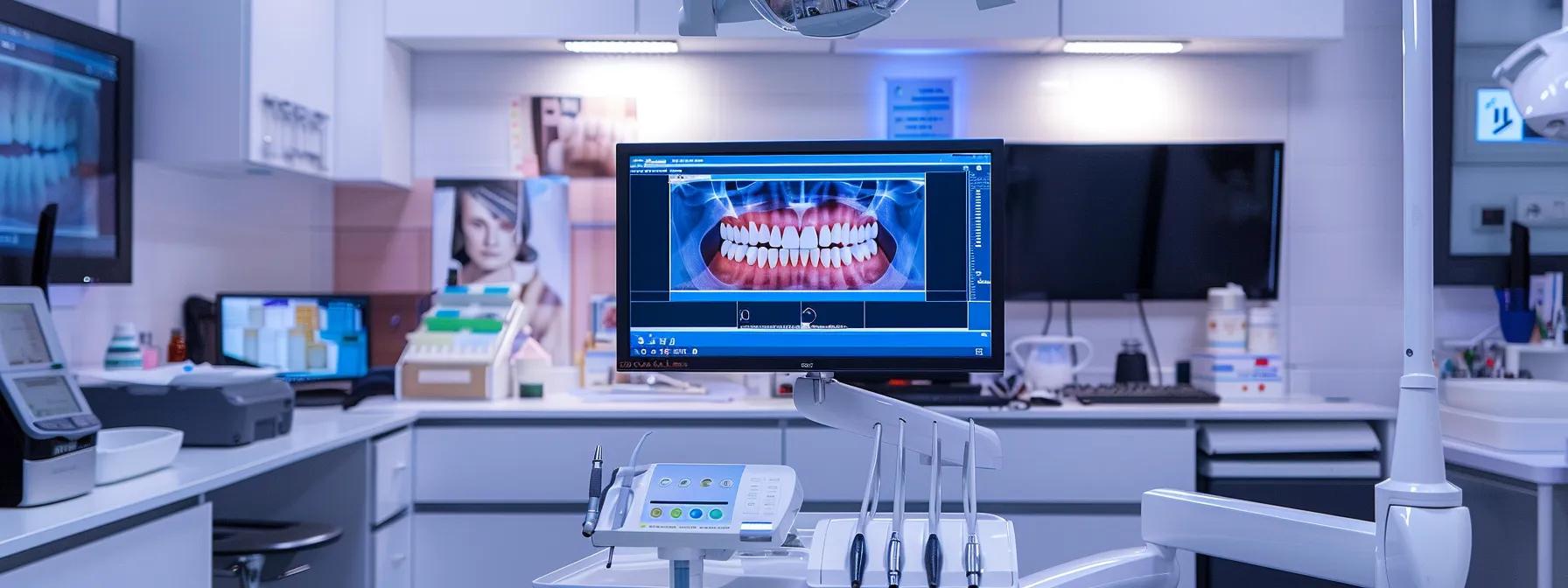
Radiographic examinations offer an invaluable diagnostic tool for assessing both soft tissue and bone conditions around implants. X-rays and cone-beam computed tomography (CBCT) scans allow dentists to evaluate the levels of bone support surrounding the implant and to monitor any changes over time. Ideally, radiographs should show a uniform bone level adjacent to the implant with no signs of resorption or irregularities. When combined with clinical observations such as the absence of inflammation and optimal probing depths, radiographic data provide a comprehensive picture of the implant’s overall health. This multi-faceted approach ensures that both the gum and bone provide a stable environment for long-term implant success.
Potential Challenges to Gums Bonding With Dental Implants
Despite the advancements in dental implant technology and surgical techniques, there are potential challenges that can hinder gum bonding. Early identification of these issues allows for timely intervention and the prevention of further complications. Understanding these challenges is crucial for both clinicians and patients.
Recognizing Early Signs of Gum Inflammation or Mucositis
One of the first issues that may arise is gum inflammation, known as mucositis. Early signs include slight redness, tenderness, or minor swelling of the gum tissue around the implant. Such inflammation is often a response to bacterial activity or mechanical irritation. When recognized early, interventions such as improved oral hygiene, local antimicrobial treatments, or modifications in brushing technique can help resolve the issue before it progresses. Educating patients on the importance of daily care and regular professional cleanings plays a vital role in preventing the escalation of these early symptoms into more serious conditions.
Understanding Peri-Implantitis and Its Threat to Dental Implants
If inflammation is left unmanaged, it can evolve into peri-implantitis—a more severe condition characterized by infection, bone loss, and gum recession around the implant. Peri-implantitis is a major cause of implant failure and typically presents with a combination of symptoms such as persistent swelling, bleeding during probing, and discomfort during mastication. Clinically, peri-implantitis is diagnosed through a combination of visual inspection, probing depth measurements, and radiographic analysis. Early intervention in the form of mechanical debridement, antibiotic therapy, and in some cases surgical intervention is necessary to halt the progression of the disease and preserve both the implant and surrounding tissues.
Causes of Gum Recession Around Dental Implants
Gum recession is another challenge that can compromise the long-term success of dental implants. Recession may be caused by several factors, including poor surgical technique, aggressive brushing, chronic inflammation, or even systemic issues like inadequate bone support. When the gum tissue recedes, it not only affects the aesthetic appearance of the implant but also exposes the underlying abutment and increases the risk of bacterial infiltration. Preventative measures include using proper oral hygiene techniques, regular professional monitoring, and occasionally, surgical grafting to restore lost tissue.
Addressing Poor Gum Adhesion to Implant Teeth
Poor adhesion between the gum and the implant can stem from an unstable implant surface, contamination during surgery, or insufficient bone and tissue quality. When adhesion is suboptimal, the protective perimucosal seal becomes compromised, potentially leading to infection and implant failure. Dental professionals may need to employ corrective measures such as chemical decontamination of the implant surface, revision of the soft tissue management during surgery, or the application of barrier membranes to stimulate tissue regeneration. Early diagnosis and prompt treatment are critical to restore a secure adhesive interface between the gum and the implant, ensuring long-term implant stability and function.
Maintaining Optimal Gum Health for Dental Implants in Mansfield
For patients in Mansfield considering or already owning dental implants, maintaining optimal gum health is a continuous process that demands both at-home care and professional oversight. The effectiveness of dental implants largely hinges on the health of the surrounding gum tissue, which acts as a protective barrier and contributes heavily to the overall aesthetic outcome.
Effective at-Home Oral Care for Gums and Dental Implants
Daily oral hygiene routines are the cornerstone of sustaining healthy gums around implants. Patients should be advised to brush thoroughly twice a day using a soft-bristled brush and non-abrasive toothpaste. Flossing or using interdental brushes helps remove plaque from areas that are difficult to reach with a standard toothbrush. Additionally, specialized oral rinses with antimicrobial properties can further reduce bacterial load around the implant site. Consistency in these practices not only prevents inflammation and gum disease but also supports the longevity of the implant bond. Patients are often encouraged to schedule regular self-checks, keeping an eye out for any signs of redness or swelling, so that any issues are addressed promptly.
Professional Dental Cleanings for Dental Implants in Mansfield
Regular professional cleanings play an integral role in maintaining the health of dental implants. Unlike natural teeth, implants do not have the same natural defenses; hence, professional maintenance is vital. Dental hygienists use specialized instruments to clean around the implant without damaging it. These cleanings are particularly important for patients who may be more prone to gum inflammation or who have a history of periodontal issues. In Mansfield, many dental practices offer advanced cleaning techniques tailored specifically for implants, ensuring that both the soft tissue and underlying bone remain healthy and stable.
Regular Monitoring of Gum Tissue by Your Mansfield Dental Implant Specialist
Ongoing monitoring by a dental implant specialist in Mansfield can help detect early signs of complications such as mucositis or peri-implantitis. During regular check-ups, the specialist will measure probing depths, assess the color and texture of the gum tissue, and review radiographs to ensure that both the soft tissue and bone levels are within healthy limits. This proactive approach not only prevents more serious complications but also provides patients peace of mind, knowing that their dental implants are being closely managed by professionals committed to their long-term oral health.
Lifestyle Adjustments to Support Long-Term Gum and Dental Implant Well-Being
Beyond daily hygiene and professional care, lifestyle adjustments can contribute significantly to the overall health of dental implants. Avoiding tobacco and moderating alcohol consumption are crucial, as these habits can impede healing and compromise gum integrity. A balanced diet rich in vitamins and minerals further promotes tissue repair and regeneration. In addition, managing stress through exercise or relaxation techniques can indirectly benefit oral health by reducing systemic inflammation. Dental patients in Mansfield are encouraged to adopt these healthy habits to ensure that both their gums and implants remain strong and vibrant over the long term.
Table: Factors Affecting Gum Bonding to Dental Implants
Before moving deeper into the topic, consider the following table summarizing key factors that influence gum adhesion to implants.
Provides a stable foundation for implant and tissue
Pre-implant imaging ensures adequate bone volume
The table above illustrates how each factor—from the implant material to the patient’s overall health—plays a role in the successful bonding of gum tissue to dental implants.
Frequently Asked Questions
Q: How long does it typically take for gums to fully bond with a dental implant? A: The complete gum integration process usually takes between three to six months. While initial healing occurs within the first few weeks, full maturation and stabilization of the gum tissue require a longer period to ensure a robust perimucosal seal that protects the implant and underlying bone.
Q: What are the early signs that my gums are not bonding well with my dental implant? A: Early signs include persistent redness, swelling, and occasional bleeding around the implant. Discomfort during brushing or probing depths that exceed 3 millimeters may also indicate poor adhesion or the onset of mucositis. Prompt consultation with your dental specialist is advised if these symptoms are observed.
Q: How does proper oral hygiene affect gum bonding with dental implants? A: Proper oral hygiene is critical because it limits bacterial plaque accumulation, reduces the risk of inflammation, and supports the natural healing process. Effective daily care—including brushing, flossing, and regular professional cleanings—helps maintain a healthy environment for the peri-implant tissue, thereby enhancing the adhesive bond between the gums and the implant.
Q: Can lifestyle changes improve the success of gum bonding to dental implants? A: Yes, lifestyle factors such as smoking cessation, a balanced diet rich in essential vitamins, and stress management can significantly improve healing outcomes. These adjustments reduce systemic inflammation and promote better tissue regeneration, contributing to stronger and longer-lasting gum adhesion around dental implants.
Q: What should I do if I notice signs of peri-implantitis? A: If you suspect peri-implantitis—indicated by increasing pain, swelling, or gum recession—it is important to seek immediate dental care. Early intervention through professional cleaning, possibly coupled with localized antibiotic therapy or surgical intervention, can prevent further damage and improve the long-term success of your implant.
Q: Does the type of dental implant affect gum bonding? A: Yes, the implant’s material and surface modifications play a significant role in promoting soft tissue adhesion. Implants made from titanium with a roughened surface tend to facilitate better cellular attachment and integration compared to smoother surfaces. Discussing the options with your dental implant specialist can help ensure that you receive the most biocompatible implant for optimal gum bonding.
Final Thoughts
Dental implants provide a transformative solution for restoring smiles, but their long-term success relies heavily on how well the gum tissue bonds to the implant. Successful gum adhesion not only protects the underlying bone but also enhances both the function and appearance of the implant. By understanding the biological mechanics, carefully managing the healing process, and addressing potential challenges early, patients can ensure optimal integration. Maintaining excellent oral hygiene and making thoughtful lifestyle choices further support the stability of the implant. For anyone considering dental implants, remember that a free consultation can help personalize care and maximize your chances for a long-lasting, healthy smile.