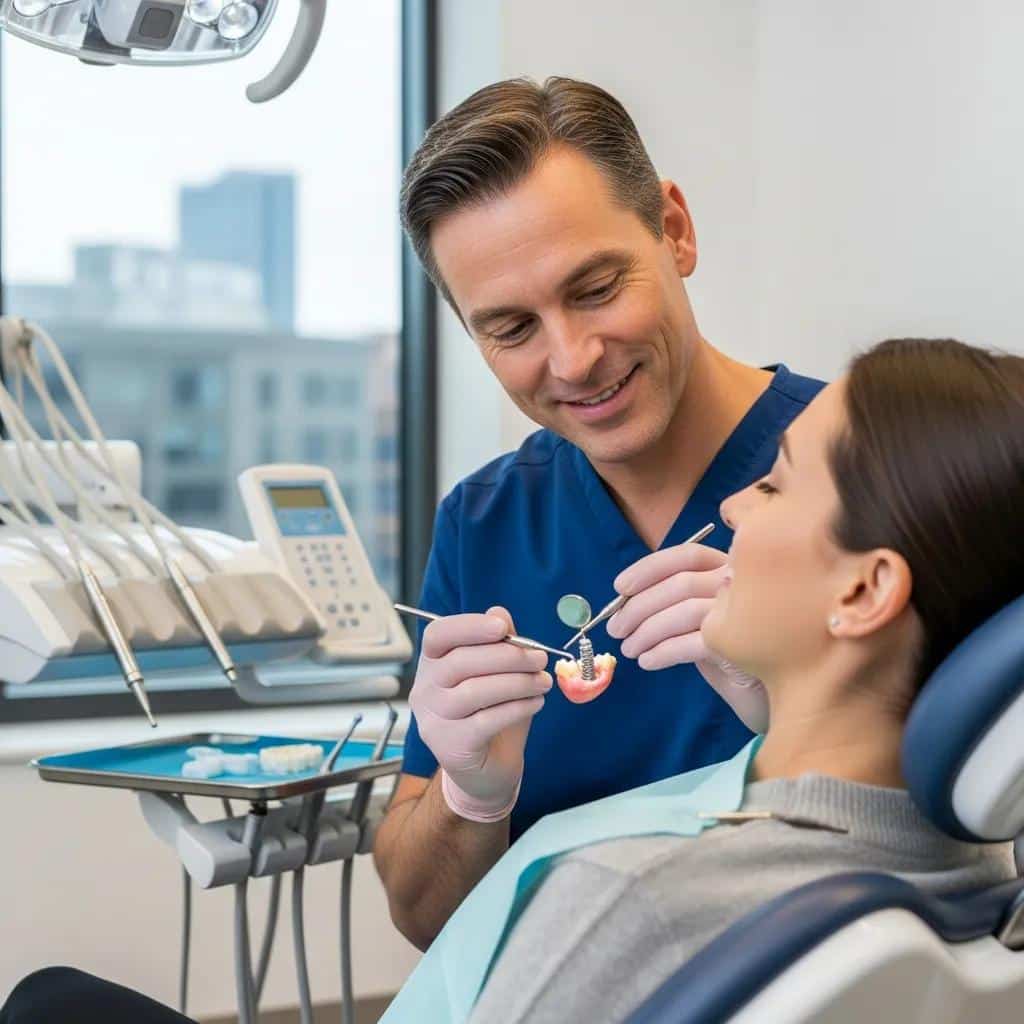
The Truth About Dental Implant Longevity: Essential Care Tips to Ensure They Last
Dental implants are a popular solution for tooth replacement, offering a durable and aesthetically pleasing option for those seeking to restore their smiles. Understanding the longevity of dental implants is crucial for patients, as it directly impacts their investment in oral health. This article will explore the factors that influence the lifespan of dental implants, essential care tips to ensure they last, and the importance of professional maintenance. By the end of this guide, readers will have a comprehensive understanding of how to maximize the longevity of their dental implants and the role of professional care in this process.
How Long Do Dental Implants Typically Last? Understanding Implant Lifespan
Dental implants are designed to be a long-term solution for missing teeth, with an average lifespan of 15 to 25 years, and many lasting even longer with proper care. The longevity of dental implants depends on several factors, including the quality of the implant materials, the skill of the dental professional, and the patient’s oral hygiene practices. Understanding these factors can help patients make informed decisions about their dental health.
What Is the Expected Lifespan of Dental Implant Posts and Crowns?
The expected lifespan of dental implant posts and crowns varies based on the materials used and the patient’s oral health. Titanium posts, commonly used in implants, can last 20 years or more, often for a lifetime, while crowns typically need replacement every 10 to 15 years due to wear and tear. Regular check-ups and maintenance can significantly extend the life of both components.
Which Materials Affect the Durability of Dental Implants?
The materials used in dental implants play a crucial role in their durability. Titanium is the most widely used material due to its biocompatibility and strength, allowing for effective osseointegration. Zirconia is another option, known for its aesthetic appeal and resistance to corrosion. The choice of material can impact the success rate and longevity of the implant, making it essential for patients to discuss options with their dental provider.
What Daily Oral Hygiene Practices Extend Dental Implant Life?
Maintaining a rigorous oral hygiene routine is vital for the longevity of dental implants. Proper care helps prevent complications such as peri-implantitis, which can lead to implant failure. Patients should adopt specific practices tailored to their implants to ensure optimal health.
How Should You Brush and Floss Around Dental Implants?
Brushing and flossing around dental implants require special techniques to avoid damaging the surrounding gum tissue. Patients should use a soft-bristle toothbrush and non-abrasive toothpaste to clean the implant area gently. Flossing should be done with a waxed dental floss or an interdental brush to effectively remove plaque without harming the implant.
Which Mouthwashes Are Recommended for Implant Care?
Using an alcohol-free mouthwash can be beneficial for patients with dental implants. These mouthwashes help reduce plaque buildup and maintain gum health without causing irritation. Antimicrobial mouthwashes can also be effective in preventing infections around the implant site.
Which Lifestyle Factors Impact Dental Implant Durability?
Lifestyle choices significantly influence the longevity of dental implants. Factors such as smoking, diet, and overall health can affect the success of the implant and its surrounding tissues.
How Does Smoking Affect Dental Implant Success?
Smoking has been shown to increase the risk of implant failure due to its negative impact on blood flow and healing. Studies indicate that smokers are more likely to experience complications, making it crucial for patients to consider quitting or reducing their smoking habits before and after implant surgery.
Beyond smoking, various other factors, including certain medical conditions, have been identified as significant contributors to the risk of dental implant failure.
Risk Factors for Dental Implant Failure
We undertook a meta-analysis to evaluate the association between smoking, radiotherapy, diabetes and osteoporosis and the risk of dental implant failure.
Smoking, radiotherapy, diabetes and osteoporosis as risk factors for dental implant failure: a meta-analysis, H Chen, 2013
What Foods Should You Avoid or Eat to Protect Implants?
Diet plays a vital role in maintaining dental implant health. Patients should avoid very hard foods that can put excessive pressure on the implants, such as hard candies and ice. Instead, a balanced diet rich in vitamins and minerals can promote healing and support gum health, contributing to the longevity of the implants.
Why Is Professional Dental Implant Maintenance Crucial for Longevity?
Regular professional maintenance is essential for ensuring the longevity of dental implants. Dental professionals can identify potential issues early and provide necessary treatments to prevent complications.
Indeed, research consistently highlights the critical role of ongoing professional care in the long-term success of dental implants.
Lifelong Professional Maintenance for Implant Success
Health maintenance A systematic review revealed that it is necessary for lifelong professional maintenance from dental professionals for patients with implant restorations.
Dental implant management and maintenance: How to improve long-term implant success, L Levin, 2016
What Happens During a Dental Implant Checkup?
During a dental implant checkup, the dentist will examine the implant site for signs of infection or bone loss. They may also take X-rays to assess the condition of the implant and surrounding bone. This proactive approach helps catch any problems early, ensuring the longevity of the implant.
How Can Regular Visits Prevent Peri-implantitis and Implant Failure?
Regular dental visits are crucial for preventing peri-implantitis, an inflammatory condition that can lead to implant failure. Professional cleanings remove plaque and tartar buildup that regular brushing may miss, helping to maintain the health of the gums and surrounding tissues.
Systematic reviews further underscore the effectiveness of consistent supportive therapies in safeguarding implant health and preventing complications like peri-implantitis.
Efficacy of Supportive Therapies for Implant Longevity
ABSTRACTObjectivesTo study the efficacy of supportive peri-implant therapies in preventing clinical and radiological signs of peri-implantitis and implant loss.Material and MethodsLongitudinal human studies, published between January 1, 2006, and February 1, 2016, were included based on an electronic search using MEDLINE and EMBASE databases and complemented by a manual search. Articles were included only if 1) they comprised a group of patients involved in/adhering to regular supportive peri-implant therapies (SPTs) and a control group without such therapies or with poor adherence to them, 2) the protocol of the SPTs was clearly described and 3) the outcome was indicated by means of clinical/radiological changes or implant loss.
The efficacy of supportive peri-implant therapies in preventing peri-implantitis and implant loss: a systematic review of the literature, A Ramanauskaite, 2016
What Are the Common Signs of Dental Implant Problems to Watch For?
Being aware of the signs of potential dental implant problems can help patients seek timely care and avoid complications.
How Can You Detect Early Symptoms of Implant Failure?
Early symptoms of implant failure may include persistent pain, swelling, or mobility of the implant. Patients should monitor their implants closely and report any unusual symptoms to their dentist immediately.
When Should You Seek Professional Help for Implant Issues?
Patients should seek professional help if they experience any signs of infection, such as fever or pus around the implant site, or if they notice any changes in the stability of the implant. Prompt attention can prevent further complications and ensure the longevity of the implant.
How Do Medical Conditions Influence Dental Implant Longevity?
Certain medical conditions can impact the success and longevity of dental implants. Understanding these factors is essential for patients considering implants.
What Is the Impact of Diabetes and Osteoporosis on Implants?
Diabetes can affect healing and increase the risk of infection, while osteoporosis can lead to bone loss around the implant. Patients with these conditions should work closely with their healthcare providers to manage their health and ensure the best outcomes for their implants.
How Can Patients Manage Health Conditions to Protect Implants?
Patients can manage their health conditions by maintaining a healthy lifestyle, adhering to prescribed medications, and attending regular check-ups. This proactive approach can help mitigate risks associated with dental implants.
Why Choose Dentist In Mansfield for Your Dental Implant Care?
Choosing the right dental provider is crucial for ensuring the longevity of dental implants. Dentist In Mansfield specializes in restorative procedures, including dental implants and dentures, providing comprehensive care tailored to each patient’s needs.
What Expertise Does Dr. Mike Tri Pham Bring to Implant Longevity?
Dr. Mike Tri Pham brings extensive experience in dental implantology, ensuring that patients receive the highest quality care. His expertise in the latest techniques and materials contributes to successful outcomes and long-lasting implants.
How Does the Free Dental Implant Consult Support Your Treatment Journey?
The free dental implant consultation offered by Dentist In Mansfield allows patients to discuss their options and receive personalized recommendations. This initial meeting is an excellent opportunity to address any concerns and understand the process, setting the stage for successful treatment.
What Do Dental Implant Longevity Statistics Reveal About Success Rates?
Statistics on dental implant longevity provide valuable insights into their effectiveness and reliability as a tooth replacement option.
How Do Recent Studies Support Long-Term Implant Durability?
Recent studies indicate that dental implants have a success rate of over 95% after ten years, highlighting their durability when properly cared for. These statistics reinforce the importance of following recommended care practices and maintaining regular dental visits.
What Factors Contribute to the 95%+ Success Rate Over 10 Years?
Several factors contribute to the high success rate of dental implants, including the quality of materials used, the skill of the dental professional, and the patient’s commitment to oral hygiene. Understanding these factors can help patients make informed decisions about their dental health.
Different oral hygiene practices can significantly impact the longevity of dental implants. The following table compares various practices and their effectiveness in maintaining implant health.
Practice
Description
Effectiveness
Brushing
Use a soft-bristle toothbrush and non-abrasive toothpaste
High
Flossing
Employ waxed dental floss or interdental brushes
High
Mouthwash
Use alcohol-free, antimicrobial mouthwash
Medium
In summary, maintaining dental implants requires a combination of proper oral hygiene, lifestyle choices, and regular professional care. By understanding the factors that influence implant longevity and following recommended practices, patients can enjoy the benefits of their dental implants for many years to come.