Understanding Bone Grafting Compared to Dental Implants: A Guide to Procedures, Recovery, and Costs
Bone grafting and dental implants are two significant procedures in modern dentistry, each serving unique purposes in restoring oral health. Bone grafting is a surgical procedure that involves transplanting bone tissue to enhance the jawbone’s structure, often necessary for patients who have lost bone density due to tooth loss or other factors. This procedure prepares the jawbone for dental implants, which are artificial tooth roots placed into the jaw to support replacement teeth. Understanding the differences between these two procedures is crucial for patients considering their options for dental restoration. This article will explore the procedures, recovery expectations, and costs associated with bone grafting and dental implants, providing a comprehensive overview for those seeking to improve their oral health.
What Is the Dental Bone Graft Procedure and Why Is It Needed?
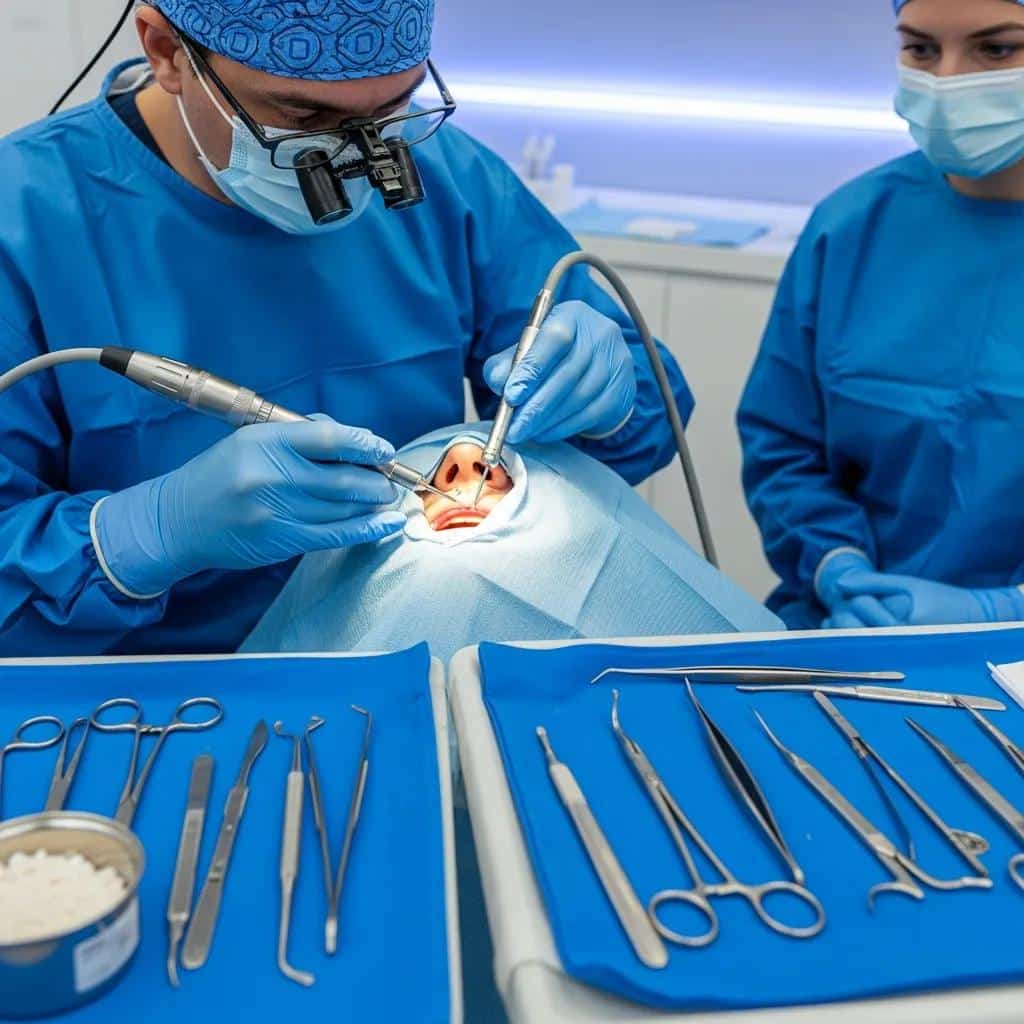
The dental bone graft procedure involves the transplantation of bone tissue to restore the jawbone’s structure and density. This procedure is often necessary for patients who have experienced bone loss due to periodontal disease, trauma, or tooth extraction. Bone grafting is essential because it creates a stable foundation for dental implants, ensuring their success and longevity. By augmenting the jawbone, patients can achieve better functional and aesthetic outcomes in their dental restoration journey.
Research consistently highlights the effectiveness of autologous bone grafts in preparing the jawbone for successful dental implant placement.
Autologous Bone Graft: Gold Standard for Dental Implant Preparation
Dental implants are established alternatives for replacing missing teeth. In case of alveolar bone resorption, implant placement may be prevented unless the volume of hard tissues is increased before or during implantation. Autologous bone graft is still regarded as the “gold standard” in alveolar reconstruction.
Local intraoral autologous bone harvesting for dental implant treatment: alternative sources and criteria of choice, C Leone, 2009
How Does Bone Grafting Prepare the Jawbone for Dental Implants?
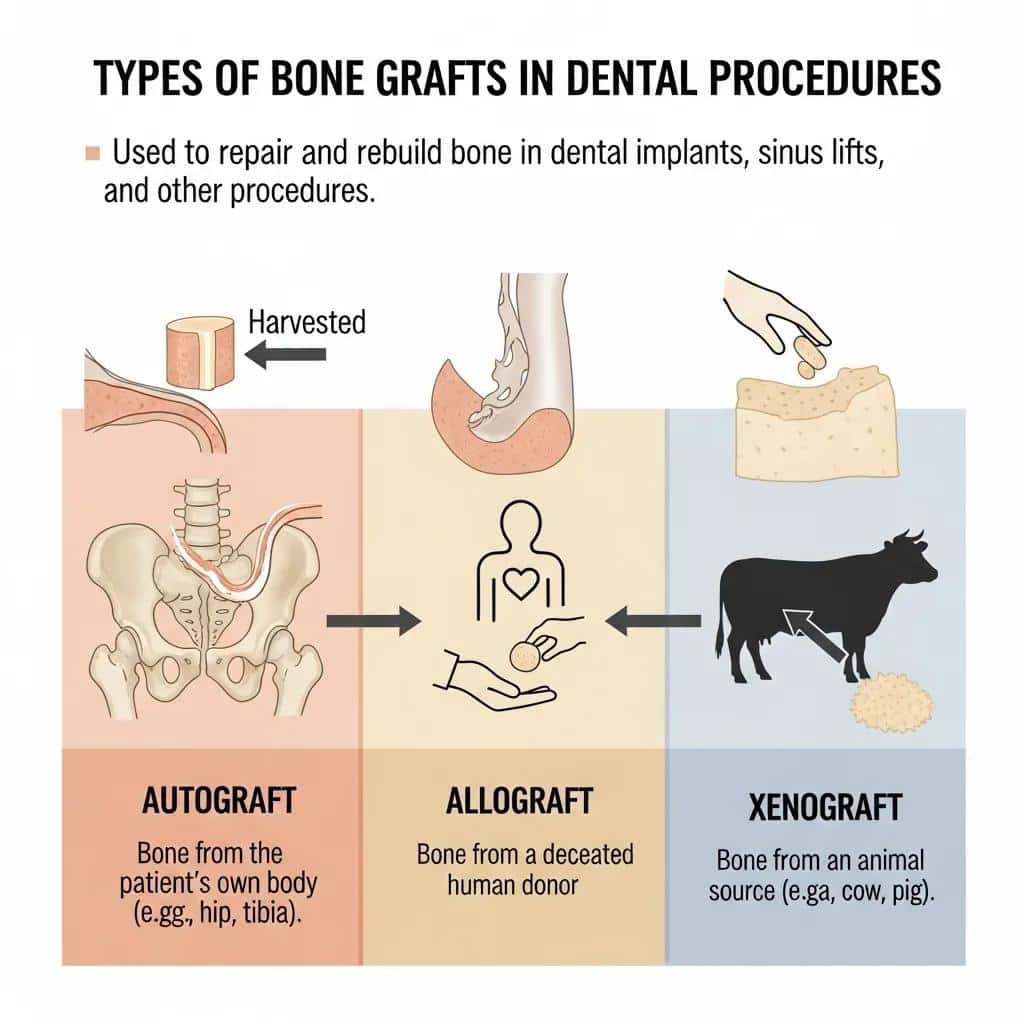
Bone grafting prepares the jawbone for dental implants by increasing its density and volume, which is crucial for the stability of the implants. When the jawbone lacks sufficient density, the implants may not integrate properly, leading to complications. The grafting process involves placing bone material—either from the patient (autograft), a donor (allograft), or synthetic materials (xenograft)—into the jawbone. This material stimulates new bone growth, allowing the jawbone to regain its strength and support the dental implants effectively.
What Are the Main Types of Bone Grafts for Implants?
There are three main types of bone grafts used in dental procedures:
Autograft: This type involves harvesting bone from the patient’s own body, typically from the hip, chin, or the back of the jaw. It offers the highest success rate due to the compatibility of the tissue.
Allograft: This graft uses bone from a deceased donor, which is processed and sterilized to ensure safety. It is a common choice for patients who prefer not to undergo a second surgical site.
Xenograft: This type involves using bone from another species, usually bovine or porcine. It serves as a scaffold for new bone growth and is often used when other options are not viable.
When considering autologous bone grafts, the choice of donor site is a critical factor influencing the long-term stability of dental implants.
Autologous Bone Graft Sources & Dental Implant Stability
Jaw bone and iliac bone are the most frequently used autologous bone sources for dental implant placement in patients with atrophic alveolar ridges. However, the comparative long-term stability of these two autologous bone grafts have not yet been investigated. The aim of this study was to compare the stability of simultaneously placed dental implants with autologous bone grafts harvested from either the iliac crest or the intraoral jaw bone for severely atrophic alveolar ridges.
Stability of simultaneously placed dental implants with autologous bone grafts harvested from the iliac crest or intraoral jaw bone, YH Kang, 2015
Further research also compares the efficacy of xenograft and allograft materials in achieving stable outcomes for dental implant preparation.
Xenograft vs. Allograft for Dental Implant Stability
xenograft materials in terms of bone formation, implant stability, marginal bone level, graft integration, and osseointegration, both of which were effective in different clinical situations.
Comparison of xenograft and allograft bone graft for oral and maxillofacial surgical preparation prior to dental implantation: A systematic review, N Alim, 2025
How Do Dental Implants Compare to Bone Grafting Procedures?
Dental implants and bone grafting are interconnected but serve different purposes in dental restoration. While bone grafting is a preparatory procedure, dental implants are the final solution for replacing missing teeth. Understanding the differences between these procedures can help patients make informed decisions about their oral health.
What Are the Differences Between Bone Graft and Sinus Lift Procedures?
Bone grafting and sinus lift procedures are both aimed at enhancing the jawbone’s structure, but they target different areas. A sinus lift is specifically designed to increase the bone height in the upper jaw by lifting the sinus membrane and adding bone material. This procedure is often necessary when there is insufficient bone in the upper jaw to support dental implants. In contrast, bone grafting can be performed in various areas of the jaw and is not limited to the sinus region.
How Do Implant-Supported Dentures Differ from Conventional Dentures?
Implant-supported dentures differ significantly from conventional dentures in terms of stability and comfort. While conventional dentures rest on the gums and can shift during eating or speaking, implant-supported dentures are anchored securely to dental implants embedded in the jawbone. This provides greater stability, allowing patients to enjoy a more natural feel and improved functionality. Additionally, implant-supported dentures help preserve jawbone density, preventing the bone loss often associated with conventional dentures.
What Should Patients Expect During Dental Implant Recovery?
Recovery from dental implant surgery varies depending on individual circumstances, but patients can generally expect a healing period of several weeks. During this time, the implants will integrate with the jawbone, a process known as osseointegration. Proper aftercare is essential to ensure a smooth recovery and the success of the implants.
What Is the Typical Recovery Time After Bone Grafting and Implant Placement?
The typical recovery time after bone grafting and implant placement can range from 3 to 6 months for bone integration, but initial healing can occur within 1 to 2 weeks. Patients may experience swelling, discomfort, and minor bleeding during the initial recovery phase. Following the dentist’s aftercare instructions, including maintaining oral hygiene and attending follow-up appointments, is crucial for a successful recovery.
What Are the Common Risks and Aftercare Tips for Bone Grafting?
Common risks associated with bone grafting include infection, graft failure, and complications related to anesthesia. To minimize these risks, patients should follow aftercare tips such as:
Maintain Oral Hygiene: Keeping the surgical site clean is vital to prevent infection.
Follow Dietary Recommendations: Soft foods are recommended during the initial recovery phase to avoid stressing the surgical site.
Attend Follow-Up Appointments: Regular check-ups allow the dentist to monitor healing and address any concerns promptly.
How Much Does Bone Grafting Cost and What Are Financing Options in Mansfield, TX?
The cost of bone grafting can vary significantly based on several factors, including the type of graft used, the complexity of the procedure, the geographical area, and the dentist’s experience. On average, patients can expect to pay between $300 to $3,000 for bone grafting procedures. Understanding financing options is essential for patients considering this treatment.
What Factors Influence the Cost of Bone Grafting and Dental Implants?
Several factors influence the cost of bone grafting and dental implants, including:
Type of Graft Used: Autografts tend to be more expensive due to the additional surgical site required.
Location of the Procedure: Costs may vary based on geographic location and the dental practice’s overhead.
Surgeon’s Experience: Highly experienced surgeons may charge more for their expertise.
To learn more about dental implants and related procedures, visit Dentist in Mansfield.
How Can Patients Schedule an Affordable Consultation in Mansfield?
Patients interested in bone grafting or dental implants can schedule an affordable consultation at Affordable Dentist near Me – Mansfield. During the consultation, patients can discuss their specific needs, explore financing options, and receive personalized care tailored to their dental health goals. This approach ensures that patients are well-informed and comfortable with their treatment decisions.
For those seeking to schedule a consultation, you can schedule a consultation to discuss your dental health goals.