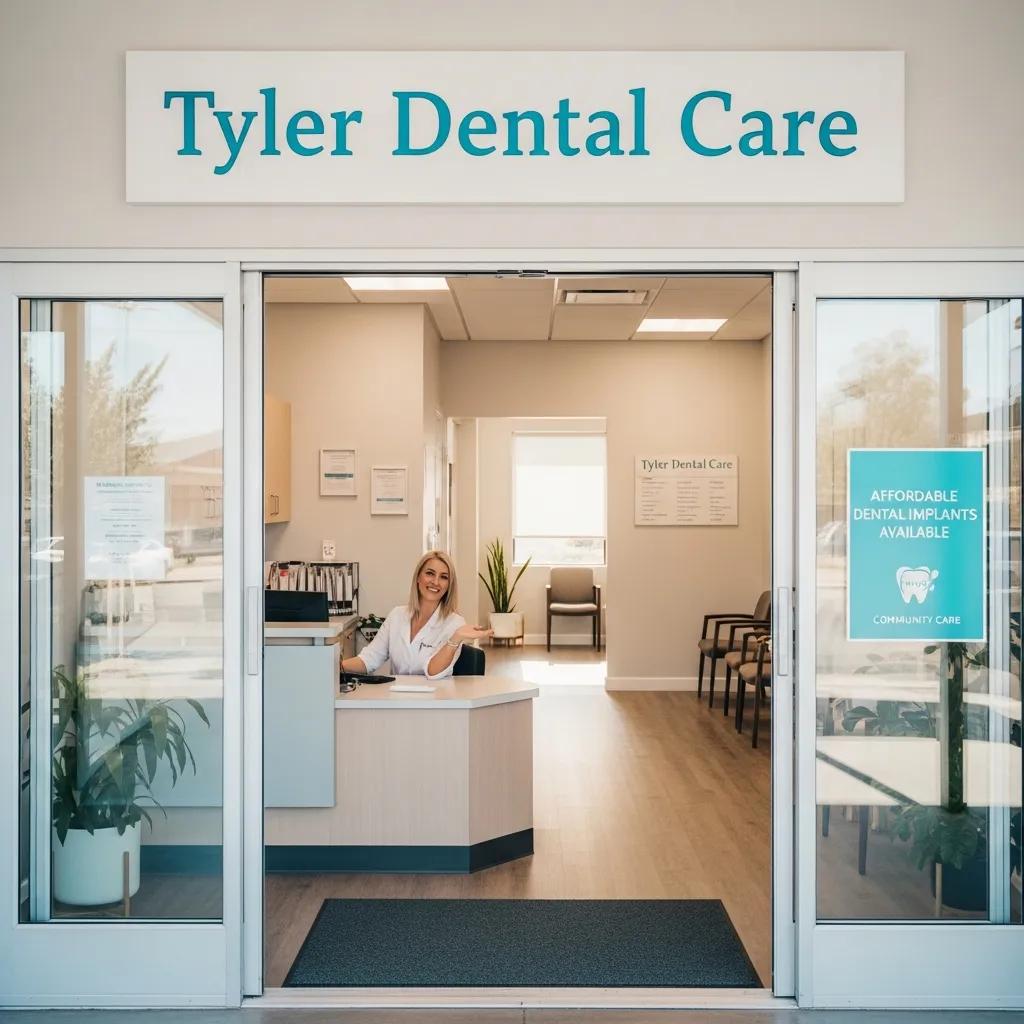
Understanding Dental Implant Costs and Financing Options: A Comprehensive Guide
Dental implants are a popular solution for individuals seeking to replace missing teeth, offering a durable and aesthetically pleasing option. However, understanding the costs associated with dental implants and the various financing choices available can be overwhelming. This comprehensive guide aims to clarify the key factors influencing dental implant costs, the components of the procedure, and the financing options that can make these dental solutions more accessible. Many patients find themselves grappling with the financial implications of dental implants, which can lead to stress and uncertainty. By exploring the costs and financing options, patients can make informed decisions that align with their financial situations. This article will cover the key factors influencing costs, the components of the procedure, available financing options, and how to find affordable dental implants in your area.
Given the significant financial implications, understanding the decision-making process for both patients and dentists regarding high-cost dental implant treatments is crucial.
Patient & Dentist Decisions on High-Cost Dental Implants
Dental implant treatment is an effective treatment for missing teeth, but is only available via the NHS in some specific clinical circumstances. The majority of people who receive this treatment therefore pay privately, often at substantial cost to themselves. People are used to paying towards dental treatment costs. However, dental implant treatment is much more expensive than existing treatments – such as removable dentures. We know very little about how dentists make decisions about whether to offer such treatments, or what patients consider when deciding whether or not to pay for them.
Paying for treatments?
Influences on negotiating clinical need and decision-making for dental implant treatment, CE Exley, 2009
What Are the Key Factors Influencing Dental Implant Costs?
Several factors influence the overall cost of dental implants, making it essential for patients to understand these elements before proceeding. The primary factors include the quality of materials used, the complexity of the procedure, and the experience of the dental provider. High-quality materials, such as titanium implants, tend to be more expensive but offer better longevity and success rates. Additionally, the complexity of the procedure, which may involve bone grafting or sinus lifts, can significantly increase costs. Lastly, the experience and reputation of the dental provider can also affect pricing, as more experienced professionals may charge higher fees for their expertise.
Factor
Description
Impact on Cost
Material Quality
Higher quality materials lead to better outcomes
Increases overall cost
Procedure Complexity
Additional procedures like bone grafting add to costs
Significantly increases total
Provider Experience
Experienced providers may charge more for their services
Higher fees for expertise
Understanding these factors can help patients anticipate the financial commitment required for dental implants.
Economic evaluations consistently highlight that while dental implants often yield superior outcomes, this improvement typically comes at a greater financial cost, necessitating a careful assessment of the value of enhanced oral health.
Economic & Cost-Benefit Evaluation of Dental Implants
The growing evidence of the efficacy and effectiveness of dental implants calls for economic evaluations to determine the economic efficiency of this technology for different indications. Such studies must be integrated with the clinical evaluations in order to produce the relevant data. In most cases, dental implants will produce a better outcome than the best alternative technology, but this improvement will only come at greater cost. Cost–benefit evaluations of dental implants must therefore address the difficult task of assessing the value of the improvement in oral health.
Cost–Benefit Evaluation of Dental Implants, 1990
How Do Procedure Components Affect Pricing?
The dental implant procedure consists of several components, each contributing to the overall cost. The main components include the surgical procedure, the implant itself, and any necessary follow-up care. Surgical costs can vary based on the complexity of the case and the type of anesthesia used. The implant itself, which is the titanium post inserted into the jawbone, also varies in price depending on the brand and quality. Follow-up care, including check-ups and potential adjustments, should also be factored into the total cost.
Surgical Costs
Surgical costs can vary widely based on the complexity of the procedure. Simple cases may require less time and fewer resources, while more complex cases involving bone grafting or multiple implants will incur higher surgical fees.
Implant Materials
The type of implant material used can significantly affect the price. Titanium implants are the most common and are known for their durability and biocompatibility, but they can be more expensive than other materials.
Follow-Up Care
Patients should also consider the costs associated with follow-up care, which may include additional visits for adjustments or monitoring the healing process. These costs can add up, so it’s essential to discuss them with the dental provider upfront.
What Role Does Geographic Location Play in Cost Variation?
Geographic location plays a significant role in the variation of dental implant costs. Urban areas typically have higher living costs, which can translate to higher dental fees. Conversely, rural areas may offer more competitive pricing due to lower overhead costs and less demand. Additionally, local market competition can influence pricing; areas with many dental providers may see lower prices due to competition, while regions with fewer providers may have higher costs.
Which Financing Options Are Available for Dental Implants?
Financing options for dental implants can help patients manage the costs associated with this procedure. Various options include payment plans, credit options, and insurance coverage. Many dental practices offer in-house financing plans that allow patients to pay for their implants over time, making the procedure more affordable. Additionally, some patients may qualify for medical credit cards that can be used for dental expenses, providing a flexible payment solution.
For those considering financing, it’s essential to review the terms and conditions carefully. Interest rates, payment durations, and any potential fees should be understood before committing to a financing option.
Information Hub offers various financing options to help patients manage their dental implant costs effectively.
What Dental Implant Payment Plans Can Patients Consider?
Patients looking to finance their dental implants have several payment plan options to consider. These plans can vary significantly in terms of interest rates, payment durations, and overall affordability. Here are some common payment plans:
Monthly Payment Plans: Many dental practices offer monthly payment plans that allow patients to spread the cost of their implants over several months or years. This option can make the financial burden more manageable.
Interest-Free Financing: Some providers offer interest-free financing for a limited time, allowing patients to pay off their implants without incurring additional costs.
Extended Payment Plans: For those who need more time to pay, extended payment plans can provide longer repayment periods, though they may come with higher interest rates.
Understanding these options can help patients choose a plan that best fits their financial situation.
How Do Insurance Policies Cover Dental Implant Procedures?
Insurance coverage for dental implants can vary widely depending on the policy. Some insurance plans may cover a portion of the costs, while others may not cover implants at all. It’s crucial for patients to review their insurance policies to understand what is covered. Common aspects of coverage include:
Types of Coverage: Some plans may cover the surgical procedure but not the implant itself, while others may provide partial coverage for both.
Exclusions: Many insurance policies have specific exclusions related to dental implants, so it’s essential to be aware of these limitations.
Claim Processes: Understanding the claim process can help patients navigate their insurance benefits more effectively.
Patients should consult with their insurance providers to clarify coverage details and ensure they maximize their benefits.
Where Can You Find Affordable Dental Implants Near Me?
Finding affordable dental implants requires some research and consideration of various factors. Patients can start by looking for local dental providers who specialize in implants and offer competitive pricing. Online reviews and community recommendations can also provide valuable insights into the quality and affordability of services.
Local Directories
Utilizing local directories can help patients identify dental practices in their area that offer implants. Many directories provide information on pricing, services, and patient reviews.
Online Reviews
Reading online reviews can give patients a sense of the experiences others have had with specific dental providers. This information can be crucial in making an informed decision.
Community Recommendations
Asking friends, family, or coworkers for recommendations can also lead to finding affordable dental implant providers. Personal experiences can often provide the best insights into quality and cost.
How to Locate Affordable Dental Implant Providers in Tyler?
For residents of Tyler, finding affordable dental implant providers can be achieved through several strategies. Here are some effective methods:
Local Search Engines: Using local search engines can help identify dental practices that specialize in implants and offer competitive pricing.
Patient Testimonials: Reading testimonials from previous patients can provide insights into the quality of care and affordability of services.
Consultation Offers: Many dental providers offer free consultations, allowing patients to discuss their needs and get a sense of pricing before committing.
By utilizing these strategies, patients in Tyler can find affordable dental implant options that meet their needs.
What Are the Benefits of Choosing Local Dental Providers?
Choosing local dental providers for dental implants offers several advantages. These benefits include:
Convenience: Local providers are often more accessible, making it easier for patients to attend appointments and follow-up visits.
Community Trust: Local providers may have established reputations within the community, providing patients with confidence in their care.
Personalized Care: Smaller, local practices may offer more personalized care, allowing for better communication and tailored treatment plans.
These benefits can enhance the overall experience for patients seeking dental implants.
How Can Patients Evaluate and Compare Dental Implant Costs?
Evaluating and comparing dental implant costs is essential for making informed decisions. Patients can consider the following factors:
Cost Breakdowns: Requesting detailed cost breakdowns from dental providers can help patients understand what they are paying for and identify any hidden fees.
Provider Comparisons: Comparing multiple providers can reveal significant differences in pricing and services offered.
Patient Reviews: Reading patient reviews can provide insights into the quality of care and overall satisfaction with the dental provider.
By taking these steps, patients can make more informed choices regarding their dental implant options.
When considering the replacement of a missing tooth, patients often engage in a cost-utility analysis, carefully weighing their financial resources against the desired effectiveness of various treatment interventions.
When dealing with the replacement of one missing tooth, the patient has the option of choosing between different types of treatment interventions. Several important factors play a role in his decision-making process, including his limited financial means and his efforts to solve the problem of missing teeth as effectively as possible. The main goal of the study is the economic-clinical evaluation of implant treatment, as a surgical-prosthetic method in dentistry, in case of replacement of one missing tooth of the molar area.
Cost-utility analysis of an implant treatment in dentistry, 2021
What Tools Help Calculate Dental Implant Expenses?
Several tools can assist patients in calculating the expenses associated with dental implants. These tools can provide valuable insights into potential costs and help patients budget effectively. Some useful tools include:
Cost Calculators: Online cost calculators can provide estimates based on specific procedures and geographic locations.
Budgeting Apps: Financial planning apps can help patients track their expenses and manage their budgets effectively.
Financial Planning Tools: Consulting with financial advisors or using financial planning tools can help patients understand their options and make informed decisions.
These tools can empower patients to take control of their dental implant expenses.
How Do Patient Testimonials Inform Cost and Financing Decisions?
Patient testimonials play a crucial role in informing cost and financing decisions for dental implants. By sharing their experiences, patients can provide valuable insights into the financial aspects of the procedure. Key insights from testimonials include:
Real Experiences: Testimonials often highlight the actual costs incurred by patients, providing a realistic view of what to expect.
Cost Insights: Patients may share information about financing options they utilized, helping others understand their choices.
Financing Feedback: Feedback on financing experiences can guide potential patients in selecting the best options for their needs.
By considering patient testimonials, individuals can make more informed decisions regarding their dental implant financing.
What Are the Steps to Schedule a Dental Implant Consultation?
Scheduling a dental implant consultation involves several straightforward steps. Patients can follow these steps to ensure a smooth process:
Initial Contact: Reach out to the dental provider to express interest in a consultation and inquire about availability.
Consultation Preparation: Prepare any necessary documentation, such as insurance information and medical history, to bring to the appointment.
Follow-Up Steps: After the consultation, follow up with the provider to discuss any additional questions or concerns.
By following these steps, patients can effectively schedule their consultations and begin their journey toward dental implants.
How to Prepare for Your Appointment with Affordable Dentists in Tyler?
Preparing for an appointment with affordable dentists in Tyler can help ensure a productive visit. Patients should consider the following tips:
Documentation Needed: Bring any necessary documentation, including insurance cards and medical history, to facilitate the appointment.
Questions to Ask: Prepare a list of questions regarding costs, financing options, and the procedure itself to ensure all concerns are addressed.
What to Expect: Familiarize yourself with the typical process and timeline for dental implants to set realistic expectations.
By preparing adequately, patients can maximize the benefits of their appointments and make informed decisions about their dental care.
What Questions Should You Ask About Costs and Financing?
When discussing costs and financing with dental providers, patients should consider asking the following questions:
Cost Transparency: What is included in the quoted price for dental implants?
Financing Options: What financing options are available, and what are the terms?
Insurance Coverage: How does my insurance policy apply to the costs of dental implants?
For individuals seeking affordable dentists in Tyler, it’s essential to consider several factors to ensure they receive quality care at a reasonable price.