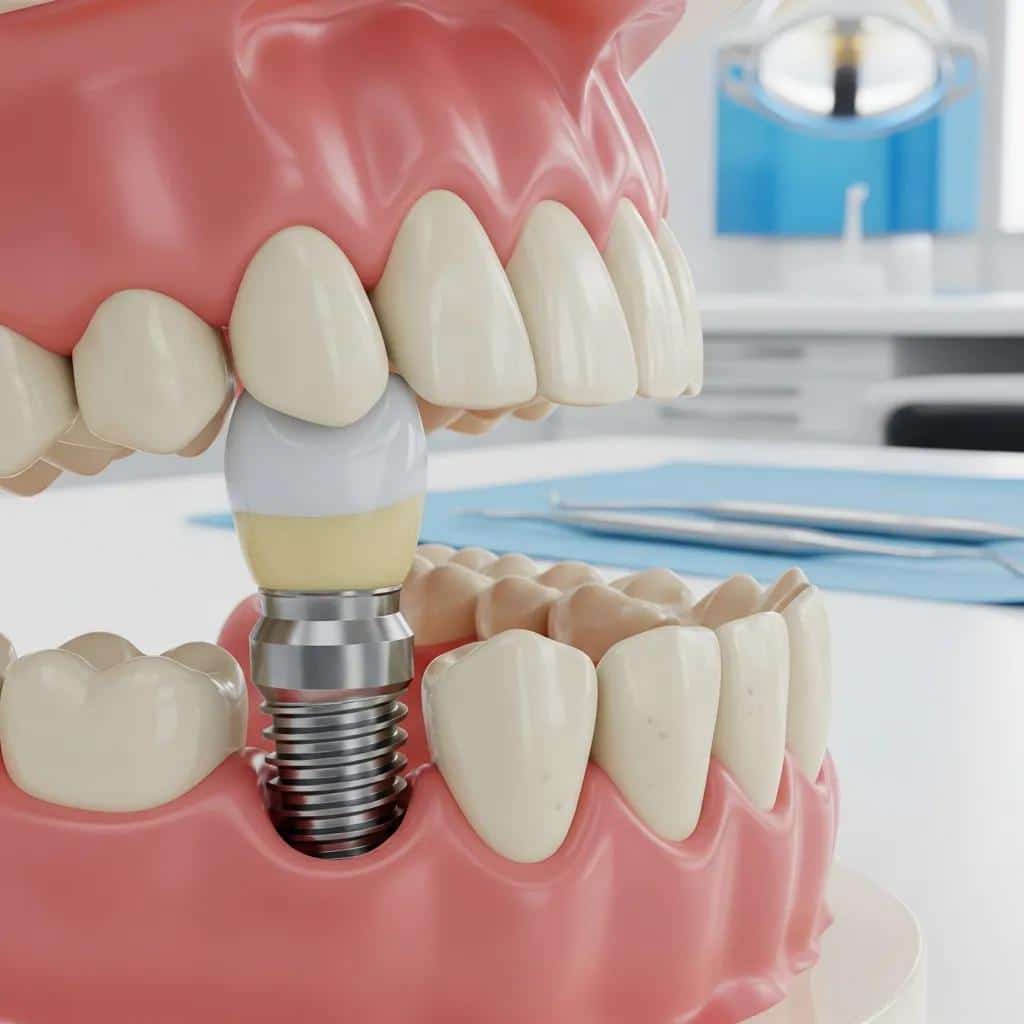
Understanding the True Value of Dental Implants: Affordable Pricing, Benefits, and Patient Experiences
Dental implants represent a revolutionary solution for individuals seeking to restore their smiles and improve their oral health. These artificial tooth roots provide a strong foundation for fixed or removable replacement teeth that are made to match your natural teeth. This article delves into the true value of dental implants, exploring their pricing, benefits, and patient experiences. Many people face challenges with missing teeth, which can lead to difficulties in eating, speaking, and self-esteem. Dental implants offer a long-term solution that not only enhances functionality but also boosts confidence. We will cover various aspects, including how dental implant pricing compares across providers, the key advantages of dental implants, the healing process after surgery, and common complications associated with the procedure.
How Does Dental Implant Pricing Compare Across Providers?
When considering dental implants, understanding the pricing landscape is crucial. The cost of dental implants can vary significantly based on several factors, including the provider’s location, the materials used, and the complexity of the procedure.
What Factors Influence the Cost of Dental Implants?
Several key factors influence the cost of dental implants:
Material Quality: The type of materials used for the implant and crown can affect the overall price. High-quality titanium implants tend to be more expensive but offer better durability and integration with the jawbone.
Geographical Location: Prices can vary based on the region and the cost of living in that area. Urban centers may have higher prices compared to rural locations.
Surgeon’s Expertise: The experience and reputation of the dental surgeon can also impact the cost. Highly skilled professionals may charge more for their services.
Understanding these factors can help patients make informed decisions about their dental care.
Which Affordable Payment Plans and Insurance Options Are Available?
Many dental practices offer various payment plans and insurance options to make dental implants more accessible. Here are some common options:
Payment Plans: Many providers offer flexible payment plans that allow patients to spread the cost of their implants over several months.
Insurance Coverage: Some dental insurance plans may cover a portion of the cost of dental implants, especially if they are deemed medically necessary.
Financial Assistance: Certain practices may provide financial assistance programs or work with third-party financing companies to help patients manage their expenses.
These options can significantly reduce the financial burden associated with dental implants.
What Are the Key Advantages of Dental Implants?
Dental implants offer numerous advantages that make them a preferred choice for tooth replacement.
Advantage
Description
Impact Level
Improved Oral Health
Dental implants help preserve jawbone density and prevent bone loss.
High
Enhanced Functionality
They function like natural teeth, allowing for better chewing and speaking.
High
Long-Term Cost-Effectiveness
While the initial investment may be higher, implants can last many years with proper care, reducing the need for future dental work.
High
These benefits highlight why dental implants are often considered the gold standard in tooth replacement.
How Do Dental Implants Improve Oral Health and Function?
Dental implants play a crucial role in improving oral health and function. They help prevent bone loss by stimulating the jawbone, which is essential for maintaining facial structure. Additionally, implants restore the ability to chew food effectively, enhancing overall nutrition and quality of life. Patients often report improved confidence and satisfaction with their appearance, as implants look and feel like natural teeth.
What Are the Long-Term Outcomes and Benefits of Implants?
The long-term outcomes of dental implants are generally positive. Studies indicate that dental implants have a success rate of up to 95% when properly cared for. Patients can expect:
Durability: With proper maintenance, dental implants can last a lifetime, making them a cost-effective solution in the long run.
Cost Savings: Over time, the need for additional dental work decreases, leading to overall savings.
High Patient Satisfaction: Many patients report high levels of satisfaction with their implants, citing improved quality of life and self-esteem.
Further research supports the efficacy and high success rates of dental implants as a preferred treatment option.
ABSTRACT: Aim: Dental implants are the preferred treatment modality in the present edentulous era. Selective serotonin reuptake inhibitors (SSRIs) have detrimental effect on bone density. The present study was conducted to determine the effect of SSRIs on the success rate of dental implants.
Prognostic implication of selective serotonin reuptake inhibitors in osseointegration of dental implants: a 5-year retrospective study, 2018
Understanding and validating these patient experiences is crucial for refining personalized implant therapy.
Validating Patient Experience in Dental Implant Therapy
Despite increasing interest in patient-reported outcomes in implant dentistry, there is a lack of consensus on tool selection and outcome prioritization to assess patient-reported outcomes in implant dentistry. This study validates an instrument designed to support clinicians in evaluating patient experience and knowledge for personalized implant therapy.
The implant treatment experience and knowledge scale: reliability and validity of a patient-reported outcome measure for dental implant therapy, E Ozgur, 2026
These long-term benefits make dental implants a worthwhile investment for many individuals.
What Is the Typical Healing Process After Dental Implant Surgery?
Understanding the healing process after dental implant surgery is essential for patients to ensure successful outcomes.
What Is the Expected Recovery Timeline and Care Steps?
The recovery timeline for dental implant surgery typically spans several weeks. Patients can expect:
Initial Recovery: The first few days post-surgery involve swelling and discomfort, which can be managed with prescribed pain relief.
Osseointegration: This process, where the implant fuses with the jawbone, usually takes 3-6 months. During this time, patients should follow their dentist’s care instructions closely.
Follow-Up Care: Regular follow-up appointments are crucial to monitor healing and ensure the implant is integrating properly.
Following these steps can significantly enhance the chances of a successful implant.