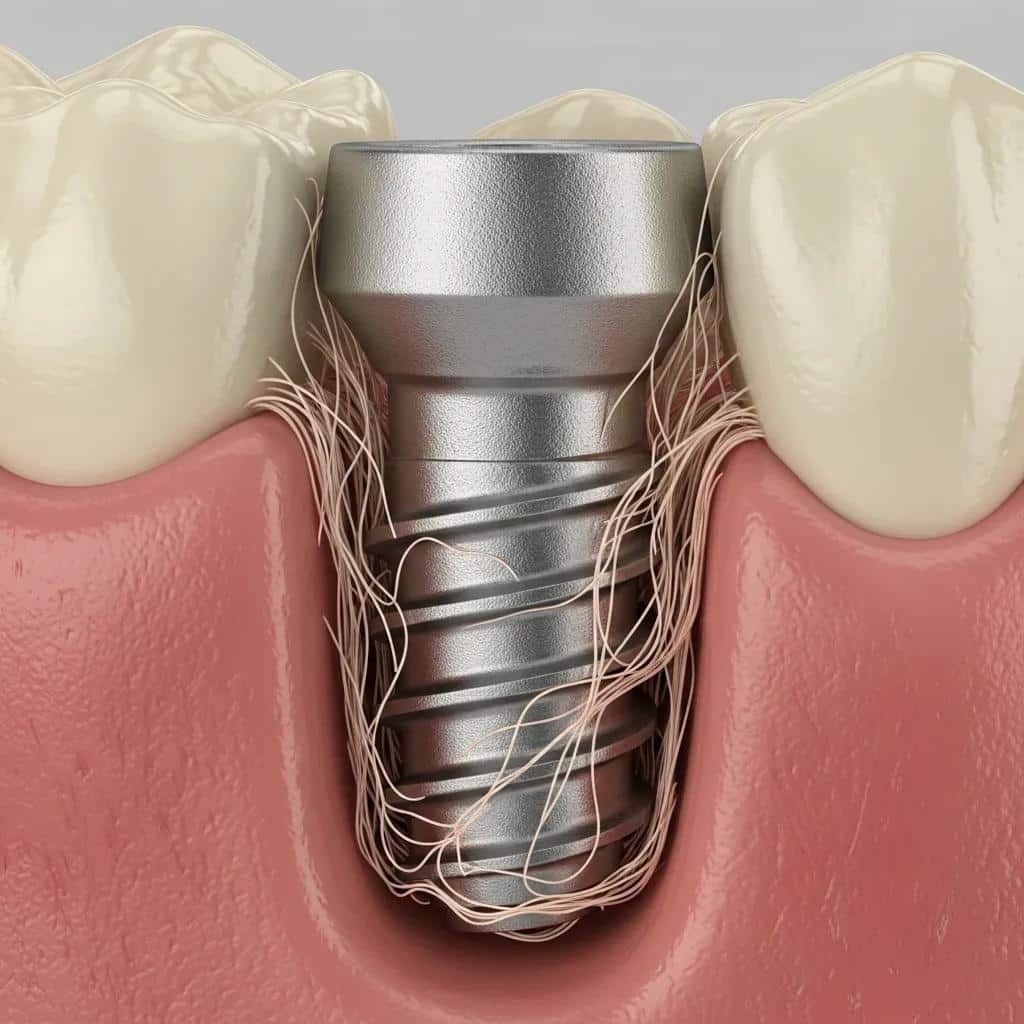
Dental implants are a reliable option for replacing missing teeth: they look and feel like natural teeth, restore support for chewing and speaking, and with routine care can last many years. This guide summarizes how safe implants are, answers common patient questions, and highlights the main factors that affect success—materials, provider experience, and modern technology—to help you make a confident decision.
If you’re preparing for a consultation, bring this article as a reference and a short list of priorities and questions (for example, how many similar cases the provider has treated, expected timelines for staged treatment, and what to expect for temporary restorations and daily care during healing).
Why dental implants are generally considered safe and effective
Dentists recommend implants because they provide durable, long-term results when planned and maintained properly. Success rates for healthy patients are commonly reported in the 90–98% range, owing to proven surgical techniques, careful planning, and osseointegration (bone bonding to the implant).
Titanium is the most common implant material because it is biocompatible and seldom rejected; some clinics offer ceramic implants for patients who prefer a metal-free option. Equally important is clinician skill: experienced providers use precise methods and modern tools to place implants predictably and safely.
Individualized planning—evaluating bone volume, gum health, bite forces, and aesthetic goals—lets the clinician select implant size, position, and prosthetic design to reduce complications and improve function and appearance. Implant location and local bite forces also influence healing and long-term outcomes, so your dentist may recommend different implant widths or crown materials depending on anatomy.
What success rates and lifespan can you expect from dental implants?
For otherwise healthy patients, success rates are high—typically between 90% and 98%—and outcomes depend on overall health, bone quality, and adherence to aftercare. With good home care and regular dental visits, implants commonly last 10–30 years or longer.
What patients control (hygiene, smoking cessation, chronic disease management, and scheduled maintenance) and what clinicians control (accurate placement, implant selection, and prosthetic design) both contribute to long-term success.
Dental Implant Success Rates & Safety — Overview
Dental implants are widely accepted for replacing missing teeth in many cases. Long-term follow-up studies report outcomes such as around 82.9% success after 16 years. When clinicians account for clinical indications, anatomical limits, and individual patient factors, implant placement is considered a safe option with appropriate care.
Definition, etiology, prevention and treatment of peri-implantitis–a review, O Jung, 2014
How materials like titanium contribute to implant safety
Titanium bonds well with bone and has a long clinical history; implant shape and surface texture are chosen to encourage bone growth and stability during healing. Ceramic implants are an alternative in select cases for patients with metal concerns, and your dentist can advise which material best fits your anatomy and goals.
Abutment and crown materials also affect polish, translucency, and wear—factors your clinician balances when recommending a restoration. True allergic reactions to implant materials are uncommon, but mention known allergies at your consultation so alternatives can be considered.
What are the common risks and possible complications with implants?
Like any surgery, implants carry risks, but many problems are manageable when caught early. Minor infections often respond to cleaning and medication; careful surgical planning reduces the chance of damaging nearby structures. Your dentist will explain risks specific to your anatomy and medical history so you can give informed consent.
Setting realistic expectations about recovery and maintenance—knowing normal healing signs and when to contact your dental team—helps you spot problems early and reduces risk.
How peri-implantitis and infections can affect implants
Peri-implantitis—an inflammatory condition that can lead to bone loss—is a serious concern when plaque control and maintenance lapse. Prevention focuses on consistent plaque removal, routine professional cleanings, and treating gum disease before placement. Early signs such as redness, swelling, or bleeding should prompt prompt evaluation.
When inflammation is detected early, options include focused cleaning, improved home care, and topical or systemic medications. Advanced cases may require debridement or surgical treatment; baseline images and periodontal charts help clinicians select the least invasive effective approach.
Peri-implant inflammation is a serious condition after dental implant treatment, affecting both hard and soft tissues. With reported prevalence rates up to 56%, peri-implantitis can lead to implant loss without comprehensive prevention and therapy. Regular check-ups that evaluate and address risk factors (for example, smoking, systemic diseases, and periodontitis) are effective precautions. Implant surface type and structure also influence risk. Treatment options range from conservative therapies to surgical approaches.
Definition, etiology, prevention and treatment of peri-implantitis–a review, O Jung, 2014
What about nerve injury or sinus problems?
Nerve injury and sinus complications are uncommon but possible, especially in the upper jaw. Careful imaging and planning—often with CBCT or other 3D scans—help clinicians avoid nerves and the sinus cavity. If nerve symptoms occur after surgery many improve over weeks to months, though persistent changes merit prompt evaluation and possible specialist referral.
When a sinus lift or augmentation is needed, the surgeon will explain the additional steps and healing involved. If you experience sudden numbness, persistent tingling, or altered sensation after surgery, contact your dental team right away for assessment and follow-up.
Who makes a good candidate for dental implants, including older adults?
Candidate suitability depends on overall health, bone volume, and gum condition. Many older adults are excellent candidates when chronic conditions are controlled and there’s adequate bone. A comprehensive evaluation—medical history, imaging, and occasionally medical clearance—lets the team plan a safe sequence of care.
People with controlled chronic conditions (for example, well-managed diabetes or stable heart disease) are often suitable when coordinated with their physicians. Certain medications can affect bone healing; your dentist will review your medication history and may request a medical consult to optimize timing and reduce risk.
Age alone is rarely a disqualifier; many older patients prefer staged treatment to allow predictable healing between procedures.
How medical conditions like diabetes and smoking affect outcomes
Uncontrolled diabetes can slow healing and increase infection risk, and smoking reduces blood flow and hinders recovery. Improving glycemic control, nutrition, and quitting smoking before and after surgery noticeably improve outcomes. Many clinics ask patients to stop smoking for a period around surgery and can offer support resources.
What bone and gum conditions are required for safe placement?
Strong bone and healthy gums provide the best foundation. If bone is thin, bone grafting (ridge augmentation, sinus lift, or other techniques) is commonly used to build volume and allow implant placement. Treating gum disease before implants is important; your dentist will outline timelines, graft sources (autograft, allograft, or synthetic), and expected healing milestones so you can plan accordingly.
Ask for an illustrated or digital timeline if you prefer visual planning—many practices provide step-by-step charts showing each stage and recovery checkpoints.
How do advanced tools and experienced care improve implant safety?
Better imaging, digital planning, and skilled teams make implant care safer and more predictable. Digital workflows improve communication between clinician, surgical team, and dental lab so the final restoration fits and functions as intended.
How 3D scans and surgical guides reduce procedural risk
3D imaging reveals jaw shape and bone density, allowing precise planning and, when appropriate, fabrication of a surgical guide to translate virtual plans into accurate placement. Guided approaches can reduce tissue trauma and procedure time and support predictable results.
When guided workflows aren’t available, experienced clinicians use careful clinical assessment and conventional imaging to plan safe placement. Digital impressions and CAD/CAM restorations can reduce appointments and improve fit, lowering the risk of adjustments that stress the implant-restoration interface.
Guided vs. Conventional Implant Surgery Effectiveness
Today implant placement protocols are used worldwide. Available literature only partially analyzes potential benefits for clinicians and patients, often focusing on aspects like accuracy. This review compares computer-guided implant placement with conventional treatment protocols.
Clinical applications and effectiveness of guided implant surgery: a critical review based on randomized controlled trials, 2017
CAD/CAM Surgical Guide Accuracy for Dental Implants
This study measured how accurately dental implants can be placed using a simulated CAD/CAM-assisted workflow. Researchers compared planned implant lengths and insertion angles with placed implants to assess precision.
Accuracy of implant placement using a CAD/CAM surgical guide: an in vitro study., S Nokar, 2011
Reviews summarize benefits and limitations of CAD/CAM surgical guides and guided surgery; when available, ask your provider how that technology applies to your case.
CAD/CAM Surgical Guides: Advantages & Limitations
This review surveys studies on implant surgery using computer-aided design and manufacturing (CAD/CAM) surgical guides and discusses the technique’s advantages and possible limitations.
Advantages and limitations of implant surgery with CAD/
CAM surgical guides: A literature review, I Turkyilmaz, 2020
Enhancing Implant Safety with Guided Surgery
Combining 3D imaging with computer-guided workflows gives reliable options for preoperative planning. Translating virtual plans into clinical care with surgical guides is a major advance in modern implantology. Guided placement can reduce tissue trauma, shorten procedure time, and improve patient comfort.
Interactive design of dental implant placements through CAD-CAM technologies: from 3
D imaging to additive manufacturing, S Barone, 2016
CAD/CAM for Guided Dental Implant Surgery
In oral rehabilitation, combining 3D imaging with computer-guided approaches creates reliable tools for preoperative assessment of implant placement. Accurately transferring virtual plans into the operating field through surgical guides is a key challenge in modern implantology. Guided positioning allows surgical and prosthetic work with minimal trauma, reduced treatment time, and less patient discomfort. This paper outlines a CAD/CAM framework for accurate planning of flapless implant surgery.
Interactive design of dental implant placements through CAD-CAM technologies: from 3
D imaging to additive manufacturing, S Barone, 2016
Why experienced dental staff matter for safe implant care
Training and experience affect case selection, surgical technique, and complication management. Teams that include restorative dentists, surgeons, and hygienists provide coordinated care—especially for complex cases—so ask about training, case volume, and complication rates during consultation.
What does a safe, step-by-step implant process look like?
Understanding the usual steps helps set expectations. A typical sequence includes consultation and imaging, any preparatory treatments (extractions or grafts), implant placement, a monitored healing period for osseointegration, final restoration, and ongoing maintenance.
Consultation and planning: medical history, imaging, treatment options, and informed consent.
Preparatory care: extractions, gum therapy, or grafting if needed.
Implant placement: surgical placement with local anesthesia and temporary restoration if appropriate.
Healing and osseointegration: monitored bonding with bone over several months.
Final restoration: abutment and crown placement with fit and bite adjustments.
Maintenance: regular hygiene visits and home care to protect the implant long term.
Timelines vary by case complexity; a staged approach often balances predictable healing and aesthetics. Your dental team will provide a personalized schedule and temporary solutions to maintain comfort and function during treatment.
What happens at the consultation and planning visit?
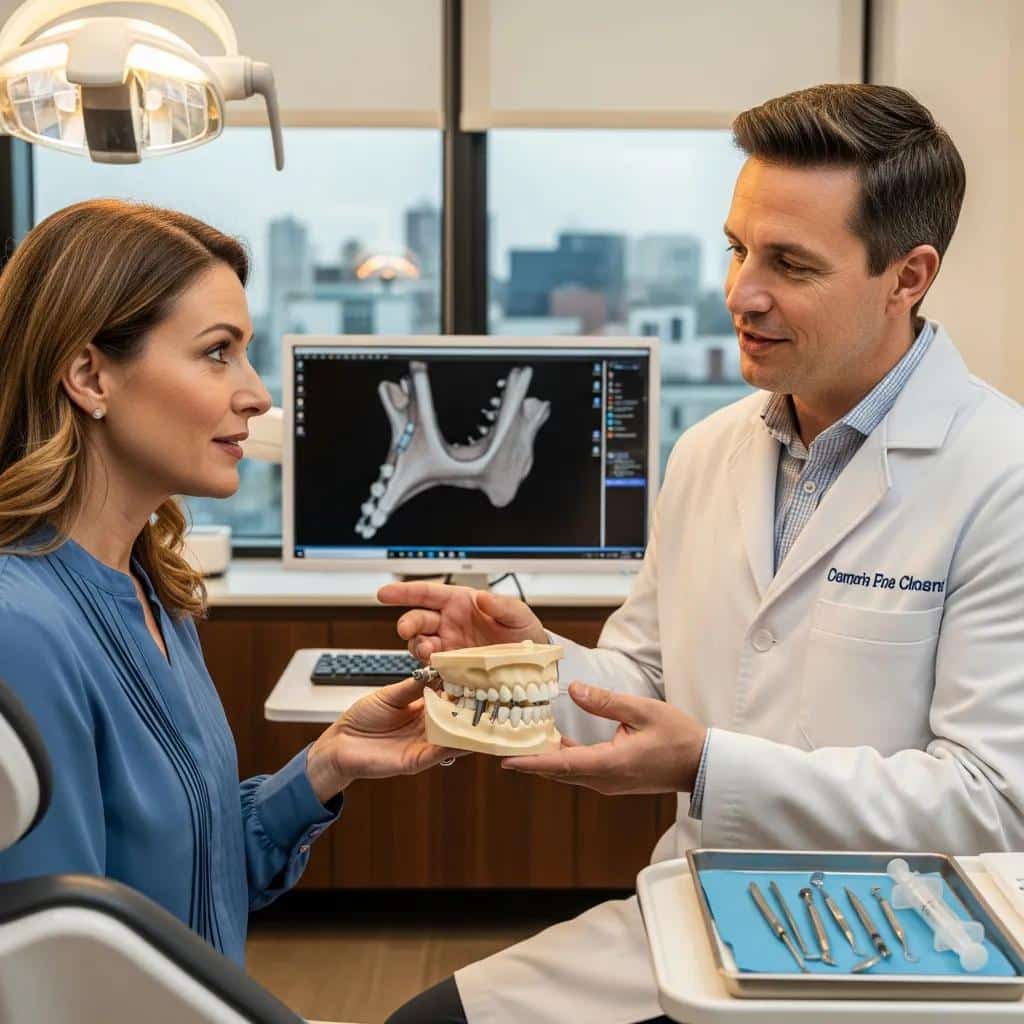
At your consultation, the dentist reviews your medical history, examines your mouth, and takes images to assess bone and gum health. Expect questions about medications and past dental work; bring a list of medicines and relevant records to help planning. The team will discuss treatment options, timelines, and aesthetic choices so the final restoration matches your goals.
Sample questions: How many similar cases have you treated? What is the expected timeline and number of visits? What temporary solutions will I have during healing? Who performs each stage of care?
How is post-operative care handled to support healing?
After surgery you’ll get written instructions covering site care, foods to avoid, and when to return. Early recovery often involves ice packs, pain relief, gentle rinses, and modified oral hygiene. Avoid straws and vigorous rinsing while soft tissues heal; your dentist will say when to resume normal brushing and any adjunctive rinses.
Practical first-48–72-hour tips: soft foods, transport arranged if sedation was used, and your clinic’s emergency contact handy. A simple daily checklist—morning and evening gentle rinses, soft meals, cold compresses for swelling, and prescribed medications—helps recovery and flags issues to report at follow-up.
Managing Post-Operative Pain & Complications in Dental Implants
Although implant procedures generally have high success and low complication rates, post-operative pain and early healing issues can occur. There is limited consensus on optimal pre- and post-op management. Studies review pain mechanisms after implant placement and offer recommendations for pain control and ways to reduce early healing problems.
Pre-and post-operative management of dental implant placement. Part 1: management of post-operative pain, 2014
How can patients reduce long-term complications and keep implants healthy?
Daily care and regular checkups are essential. Brush with a soft-bristled brush, floss or use interdental brushes once daily, and consider a water flosser if appropriate. Your hygienist can recommend products and techniques tailored to your restoration.
What oral hygiene habits support implant longevity?
Brush and floss daily with non-abrasive products and attend routine professional cleanings. Hygienists trained in implant care use instruments and techniques that clean effectively while protecting implant surfaces. Scheduled maintenance focused on plaque removal and tissue checks helps detect early changes.
A practical routine: soft-bristled brushing twice daily, interdental cleaning once daily, and an antimicrobial rinse if recommended—along with regular professional maintenance.
How can you spot early signs of problems like peri-implantitis?
Watch for swelling, redness, bleeding, persistent discomfort, changes in bite, unusual discharge, or any looseness. Report these signs promptly—early treatment is usually simpler and more effective than late-stage interventions.
Frequently Asked Questions
What are the different types of dental implants available?
Endosteal implants (most common) are placed into the jawbone and are usually titanium; subperiosteal implants sit under the gum but above the bone and may be used when bone height is limited.
How does smoking affect dental implant success?
Smoking reduces blood flow, slows healing, and raises the risk of complications; quitting or reducing before and after surgery improves success rates.
What should I do if I have a dental emergency after getting implants?
Contact your dentist immediately for severe pain, swelling, or signs of infection. Early intervention is key; keep your provider’s emergency contact available.
Can I have dental implants if I have a history of gum disease?
A history of gum disease doesn’t automatically rule out implants, but periodontal disease should be treated first to improve the chance of long-term success.
What role does bone density play in dental implant success?
Bone density provides the foundation for osseointegration; low density may require grafting to build volume and improve stability.
How can I manage anxiety about getting dental implants?
Discuss fears with your dental team; many clinics offer sedation or relaxation options. Practical techniques like deep breathing and visualization also help.
What follow-up care is necessary after dental implant surgery?
Typical check-ins are at one week, one month, then periodically during the first year. Your dentist will schedule follow-ups to monitor healing and tissue health.
What is the cost of dental implants, and does insurance cover them?
Costs vary by number of implants, complexity, and materials; a single implant often ranges widely depending on location and materials. Some insurance plans offer partial coverage; many clinics provide financing—check your policy and ask your provider about payment options.
How can I ensure the longevity of my dental implants?
Practice excellent oral hygiene, avoid tobacco, manage chronic health conditions, attend regular check-ups, and follow your dentist’s aftercare instructions. Address concerns promptly to preserve options.
What should I do if I experience discomfort after getting dental implants?
Minor discomfort is common; follow post-op instructions and use recommended pain relief. If pain worsens or is accompanied by swelling, discharge, or changes in gum color, contact your dentist promptly.
Can dental implants be placed in patients with osteoporosis?
Many people with osteoporosis can receive implants with careful evaluation; your dentist may coordinate with your physician and consider treatments to improve bone health before placement.
What are the signs of implant failure, and how can they be addressed?
Signs include persistent pain, swelling, mobility of the implant, or changes in gum color. Early assessment can often save the implant through cleaning, medication, or surgical treatment if needed.
How does the healing process differ for dental implants compared to other dental procedures?
Implant healing includes soft-tissue closure followed by osseointegration, which can take several months—longer than most fillings or crowns—so follow care instructions and attend check-ups during this period.
What lifestyle changes can enhance the success of dental implants?
Quit smoking, eat a balanced diet, stay hydrated, manage chronic conditions, get good sleep, and maintain regular dental visits to support healing and long-term health.
What are the benefits of choosing dental implants over other tooth replacement options?
Implants are anchored in bone, preserve adjacent teeth, help prevent bone loss, and often feel and function more like natural teeth—making them a durable long-term solution when properly maintained.
How do I know if I need a bone graft before getting implants?
Your dentist will assess bone with imaging; grafting is recommended when volume or density is insufficient to support predictable osseointegration.
What should I expect during the dental implant consultation?
The consultation includes exam, medical history review, and imaging; the dentist explains treatment options, timelines, and preparatory steps so you can make an informed decision.
Can I get dental implants if I have gum disease?
Gum disease typically needs to be treated before implant placement to ensure a healthy tissue environment.
What lifestyle factors can negatively impact the success of dental implants?
Smoking, poor oral hygiene, heavy alcohol use, poor nutrition, and uncontrolled chronic conditions increase risk; discuss habits with your dentist to create a plan that improves outcomes.
How often should I have my dental implants checked by a dentist?
Early follow-ups every three to six months in the first year are common; after that, your dentist will recommend a schedule—often annual—based on your oral health.
What should I do if my dental implant feels loose?
Contact your dentist immediately—looseness can indicate infection, bone loss, or failed osseointegration and requires prompt assessment and imaging.
What is the typical recovery timeline after dental implant surgery?
Initial soft-tissue healing usually takes one to two weeks; osseointegration commonly takes three to six months. Additional procedures like grafting can extend timelines as recommended by your clinician.
How can I manage pain and discomfort after dental implant surgery?
Follow your dentist’s pain-relief recommendations, use ice packs for swelling, eat soft foods during early recovery, and contact your dental team if pain worsens or persists beyond expected patterns.
Are there any specific dental products recommended for implant care?
Use a soft-bristled toothbrush, non-abrasive toothpaste, appropriate interdental brushes or water flosser, and specialized floss or picks as demonstrated by your hygienist.
What should I do if I experience unusual symptoms after getting implants?
Report persistent pain, swelling, discharge, gum color changes, or sudden numbness to your dentist immediately so they can evaluate and treat issues early.
Can dental implants affect my speech or eating habits?
Temporary restorations may feel different at first, but most patients adjust quickly. If problems persist, your dentist can adjust the prosthesis to improve comfort and function.
What factors influence the success of dental implants?
Key factors include overall health, bone quality and quantity, gum condition, lifestyle habits, and the dental team’s experience and use of appropriate technology.
How do I prepare for dental implant surgery?
Review your medical history and medications with your dentist, follow pre-op instructions, avoid smoking and limit alcohol, arrange transport if sedation is used, and plan soft meals for recovery days.
What should I expect during the dental implant procedure?
The procedure is usually performed with local anesthesia; duration varies with complexity. After placement a healing period supports osseointegration, and a temporary restoration may be provided so you aren’t without a tooth.
Are there any dietary restrictions after getting dental implants?
Stick to soft foods immediately after surgery and avoid hard, crunchy, or sticky items until your dentist clears you to resume normal chewing.
How often should I have follow-up appointments after getting implants?
Typical follow-ups occur at one week, one month, then periodically during the first year; after that, frequency depends on your oral health and clinician recommendations.
What are the signs that my dental implant may be failing?
Persistent pain, swelling, mobility, gum color changes, bleeding, or discharge are warning signs—contact your dentist promptly for evaluation.
Are dental implants safe for seniors and patients with health concerns?
Yes: many seniors and patients with medical conditions can safely receive implants when health issues are assessed and managed in coordination with their medical team. Stepwise treatment is often preferred for predictable results.
Can dental implants cause systemic health problems?
Current evidence does not support implants causing systemic illnesses when placed and cared for properly. If you have autoimmune disease or take medications affecting bone or immune response, your dentist will coordinate with your physician to ensure a safe plan.
Conclusion
Dental implants are a dependable way to replace missing teeth, restoring function and appearance when planned and maintained correctly. Discuss risks and options with a qualified dental professional to build a personalized treatment plan.
If you’re looking for a provider in the Grand Prairie area, explore local options to find a team that matches your needs and priorities.
Write down health concerns, medications, and questions before your consultation so your dental team can develop a safe, effective plan with realistic expectations for recovery and results.
Conclusion
Dental implants offer a durable solution for tooth replacement. Choosing an experienced team and following recommended care are key steps toward successful, long-lasting results.
Conclusion
Consider implants as a long-term option that preserves function and prevents bone loss; consult a qualified clinician to determine whether they fit your health and goals.
Conclusion
With careful planning, consistent aftercare, and appropriate medical coordination, implants can be a predictable way to restore both comfort and confidence in your smile.
Conclusion
Dental implants provide a dependable solution for replacing missing teeth. Review options with a qualified provider and prepare a plan that matches your priorities to begin your journey toward a stronger, more confident smile.