What Causes Dental Implants to Fail: Understanding Failure Causes and Signs
Dental implants are a popular solution for tooth replacement, offering a durable and aesthetically pleasing option for those with missing teeth. However, like any medical procedure, dental implants can fail due to various factors. Understanding the causes of dental implant failure is crucial for patients considering this option, as it can help them make informed decisions and take preventive measures. This article will explore the primary causes of dental implant failure, including infection, bone loss, and patient risk factors. Additionally, we will discuss the signs and symptoms of failure, treatment options, and preventive strategies to ensure the longevity of dental implants.
What Are the Primary Causes of Dental Implant Failure?
Dental implant failure can occur for several reasons, with the most common being infection, bone loss, and patient-related factors. Infection, particularly peri-implantitis, is a significant concern as it can lead to inflammation and the eventual loss of the implant. Bone loss, whether due to pre-existing conditions or inadequate bone density, can compromise the stability of the implant. Furthermore, certain patient risk factors, such as smoking and diabetes, can increase the likelihood of failure. Understanding these causes is essential for both patients and dental professionals to mitigate risks and enhance the success rate of dental implants.
How Does Infection and Peri-Implantitis Lead to Implant Failure?
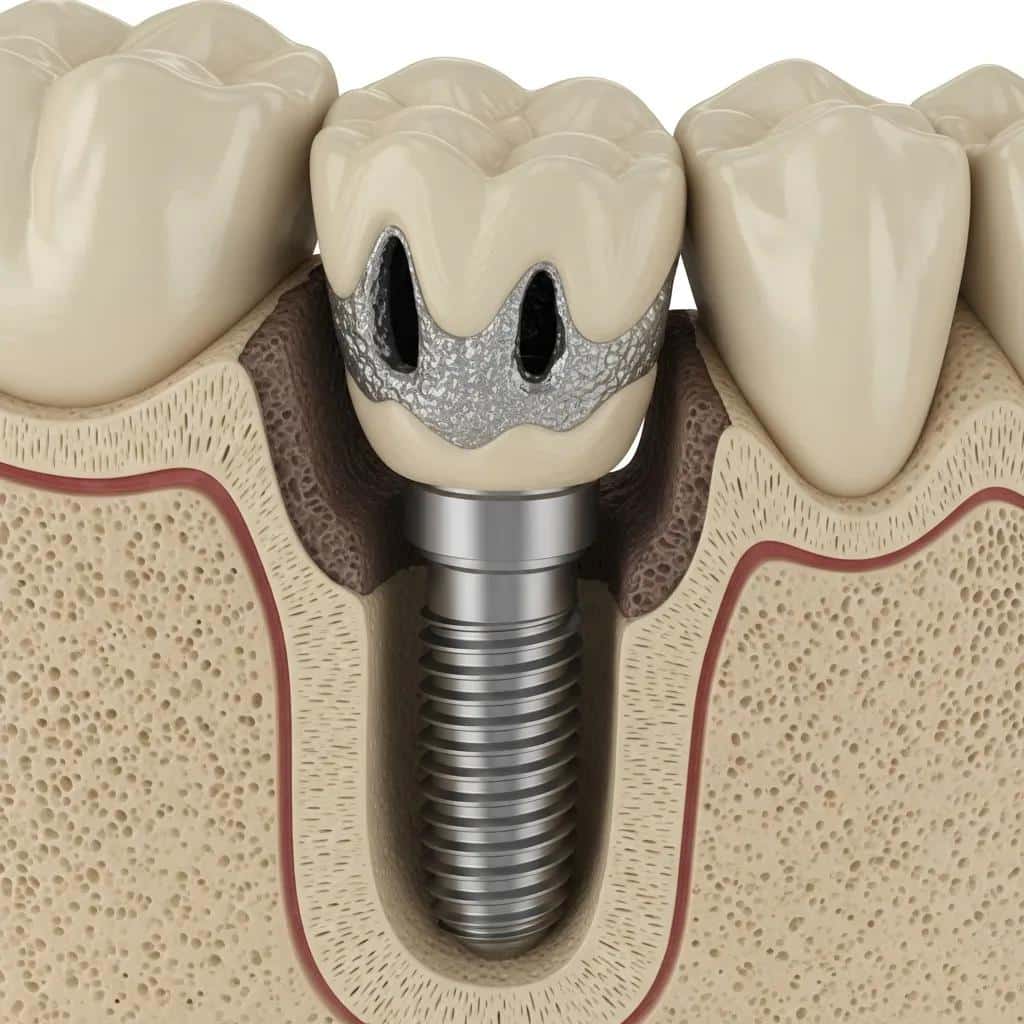
Infection is a leading cause of dental implant failure, primarily manifested as peri-implantitis. This condition involves inflammation of the tissues surrounding the implant, often caused by bacterial infection. The presence of bacteria can lead to the destruction of bone and soft tissue, ultimately resulting in implant failure. Early detection and treatment of peri-implantitis are crucial to prevent irreversible damage. Treatment options may include professional cleaning, antibiotics, and in severe cases, surgical intervention to restore health to the affected area.
What Role Does Bone Loss Play in Implant Stability?
Bone loss significantly impacts the stability of dental implants. Adequate bone density is essential for the successful integration of the implant into the jawbone. When bone loss occurs, whether due to periodontal disease or other factors, the implant may not have sufficient support, leading to potential failure. Preventive measures, such as bone grafting or the use of bone-stimulating techniques, can help maintain bone density and improve the chances of successful implant placement.
Which Patient Risk Factors Increase the Likelihood of Implant Failure?
Several patient-related factors can increase the risk of dental implant failure. These include:
Smoking: Tobacco use can impair healing and increase the risk of infection, making it a significant risk factor for implant failure.
Diabetes: Uncontrolled diabetes can affect blood flow and healing, leading to complications with dental implants.
Other Health Conditions: Conditions such as autoimmune diseases and chronic illnesses can also impact the success of dental implants.
Understanding these risk factors allows patients to take proactive steps, such as quitting smoking or managing their health conditions, to improve their chances of a successful implant.
How Do Smoking and Diabetes Affect Dental Implant Success?
Smoking and diabetes are two critical factors that can adversely affect dental implant success. Smoking reduces blood flow to the gums, hindering healing and increasing the risk of infection. Studies have shown that smokers are more likely to experience implant failure compared to non-smokers. Similarly, diabetes, particularly when poorly controlled, can lead to delayed healing and increased susceptibility to infections. Patients with these risk factors should discuss their concerns with their dental professionals to explore potential solutions and strategies for improving their outcomes.
What Other Health Conditions Contribute to Implant Rejection?
In addition to smoking and diabetes, several other health conditions can contribute to implant rejection. Autoimmune diseases, such as rheumatoid arthritis and lupus, can affect the body’s ability to heal and respond to implants. Chronic conditions, including heart disease and osteoporosis, may also pose risks. Furthermore, certain medications, particularly those that affect bone metabolism, can impact the success of dental implants. It is essential for patients to disclose their complete medical history to their dental professionals to ensure a comprehensive evaluation and tailored treatment plan.
What Are the Common Signs and Symptoms of Dental Implant Failure?
Recognizing the signs and symptoms of dental implant failure is crucial for timely intervention. Common indicators include:
Pain: Persistent pain around the implant site may signal complications.
Swelling: Inflammation or swelling of the gums can indicate infection.
Loosening: A noticeable loosening of the implant may suggest failure.
Patients experiencing any of these symptoms should seek immediate dental evaluation to determine the cause and appropriate treatment.
How Can Patients Recognize Early Symptoms of Implant Infection?
Early recognition of implant infection symptoms is vital for preventing further complications. Patients should be vigilant for signs such as:
Redness: Increased redness around the implant site.
Discharge: Any unusual discharge or pus from the gums.
Sensitivity: Heightened sensitivity or discomfort when pressure is applied.
Promptly addressing these symptoms with a dental professional can lead to more effective treatment and a better prognosis.
What Are the Indicators of Implant Loosening or Rejection?
Implant loosening or rejection can manifest through several indicators, including:
Mobility: The implant feels loose or shifts when touched.
Gum Recession: Noticeable gum recession around the implant.
Persistent Discomfort: Ongoing discomfort that does not improve over time.
Recognizing these signs early can help patients seek timely intervention, potentially saving the implant.
How Is Peri-Implantitis Treated to Prevent Implant Failure?
Treating peri-implantitis is essential for preventing implant failure. The treatment typically involves:
Professional Cleaning: Thorough cleaning of the implant and surrounding tissues to remove plaque and bacteria.
Antibiotics: Prescribing antibiotics to combat infection.
Surgical Intervention: In severe cases, surgical procedures may be necessary to restore health to the affected area.
Early diagnosis and treatment are crucial for improving outcomes and preserving the implant.
What Are the Standard Medical Treatments for Peri-Implantitis?
Standard medical treatments for peri-implantitis include:
Non-Surgical Therapy: Scaling and root planing to remove plaque and calculus.
Antibiotic Therapy: Systemic or local antibiotics to control infection.
Surgical Options: Flap surgery or bone grafting to restore lost tissue.
These treatments aim to eliminate infection and promote healing, ultimately enhancing the longevity of the implant.
How Does Early Diagnosis Improve Treatment Outcomes?
Early diagnosis of dental implant complications significantly improves treatment outcomes. When issues are identified promptly, interventions can be implemented before extensive damage occurs. This proactive approach not only preserves the implant but also reduces the need for more invasive procedures. Regular dental check-ups and open communication with dental professionals are essential for maintaining implant health and addressing any concerns as they arise.
What Prevention and Maintenance Strategies Reduce Implant Failure Risk?
Implementing effective prevention and maintenance strategies can significantly reduce the risk of dental implant failure. Key strategies include:
Regular Dental Check-ups: Routine visits to the dentist for monitoring and maintenance.
Good Oral Hygiene: Maintaining excellent oral hygiene practices, including brushing and flossing.
Healthy Lifestyle Choices: Avoiding smoking and managing chronic health conditions.
These strategies empower patients to take an active role in their dental health, enhancing the longevity of their implants.
Which Daily Care Practices Support Implant Longevity?
Daily care practices play a crucial role in supporting the longevity of dental implants. Essential practices include:
Brushing: Regular brushing with a soft-bristled toothbrush to remove plaque.
Flossing: Daily flossing to clean between teeth and around the implant.
Mouthwash: Using an antimicrobial mouthwash to reduce bacteria.
By incorporating these practices into their daily routine, patients can help ensure the success of their dental implants.
How Does Regular Dental Monitoring Help Prevent Failure?
Regular dental monitoring is vital for preventing dental implant failure. Routine check-ups allow dental professionals to assess the health of the implant and surrounding tissues, identifying any potential issues early. This proactive approach enables timely interventions, reducing the risk of complications. Patients should prioritize regular visits to their dental provider to maintain optimal implant health.
Where Can Patients Find Localized Dental Implant Care in Tyler?
Patients seeking dental implant care in Tyler can explore various local clinics that specialize in implant dentistry. These clinics typically offer comprehensive services, including consultations, implant placement, and follow-up care. It is advisable for patients to research and choose a clinic that aligns with their specific needs and preferences.
What Services Do Tyler Dental Clinics Offer for Implant Care?
Tyler dental clinics provide a range of services for implant care, including:
Consultation Services: Initial assessments to determine candidacy for implants.
Implant Placement: Surgical placement of dental implants.
Follow-up Care: Ongoing monitoring and maintenance to ensure implant success.
These services are designed to support patients throughout their implant journey, from initial consultation to long-term care.
How to Schedule a Dental Implant Consultation in Tyler?
Scheduling a dental implant consultation in Tyler is a straightforward process. Patients can typically contact their chosen dental clinic directly to set up an appointment. It is essential to prepare for the consultation by gathering relevant medical history and discussing any concerns with the dental professional. This preparation ensures a productive visit and helps establish a clear treatment plan moving forward.
For those seeking to schedule an appointment, many clinics offer convenient online booking options.
If you’re looking for dental implant care in Tyler, it’s important to consider several factors to ensure you receive the best possible treatment.