What Causes Root Canal Infections: Understanding Root Canal Causes and Symptoms in Dallas
Root canal infections can be a source of significant discomfort and concern for many individuals. Understanding the causes and symptoms of these infections is crucial for timely intervention and treatment. This article will delve into the primary factors that lead to root canal infections, including deep tooth decay, dental trauma, and repeated dental procedures. Additionally, we will explore the symptoms that indicate the need for a root canal, the treatment process, and the costs associated with this dental procedure in Dallas. By the end of this guide, readers will have a comprehensive understanding of root canal infections and the importance of seeking professional dental care.
What Are the Main Causes of Root Canal Infection?
Root canal infections primarily arise from a few key factors that compromise the health of the dental pulp. Understanding these causes is essential for prevention and early intervention.
Research consistently highlights the critical role of bacterial presence in the development of pulpal diseases.
Bacterial Infection: Primary Cause of Pulpal Disease
pulp biology research has provided a deeper insight into the basic mechanisms that govern pulpal disease. These mechanisms implicate bacterial infection as a most important factor in pulpal disease pathogenesis.
Pathogenic mechanisms in pulpal disease, G Bergenholtz, 1990
How Does Deep Tooth Decay Lead to Root Canal Infection?
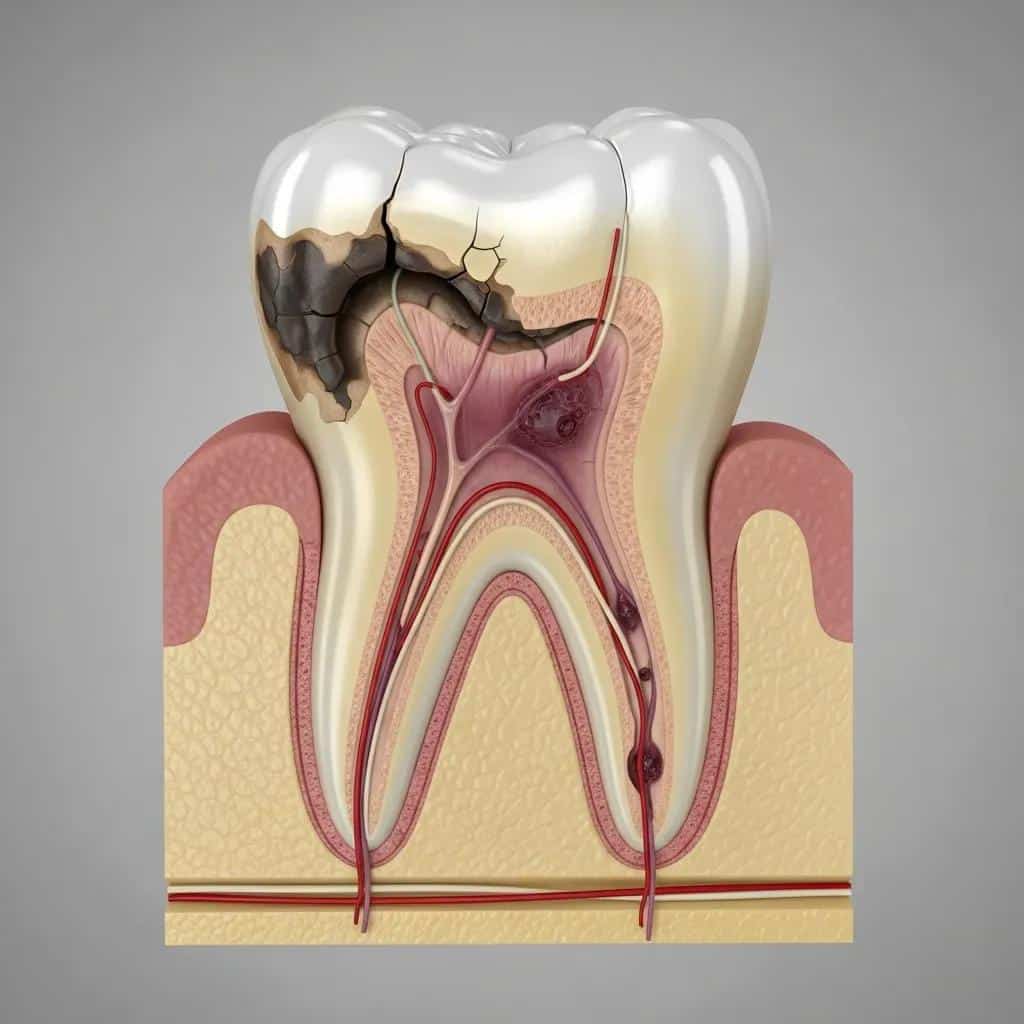
Deep tooth decay is one of the most common causes of root canal infections. When bacteria penetrate the tooth enamel and reach the dental pulp, they can cause inflammation and infection. This process typically begins with untreated cavities that progressively worsen. If left untreated, the decay can lead to severe pain, swelling, and ultimately, the need for a root canal. The consequences of ignoring deep tooth decay can be serious, as the infection may spread to surrounding tissues, leading to more complex dental issues.
Further research emphasizes how deep decay can initiate a complex inflammatory response within the dental pulp, leading to serious conditions like apical periodontitis.
Deep Dentine Caries & Pulp Infection Causes Apical Periodontitis
Apical periodontitis is caused by an infection of the dental pulp that extends to the root pulp. In irreversible inflammation of the human dental pulp following deep dentine caries, a complex interplay of host defense mechanisms and microbial virulence factors determines the disease progression.
Inflammatory response mechanisms of the dentine–pulp complex and the periapical tissues, M Widbiller, 2021
Can Cracked or Chipped Teeth Cause Root Canal Problems?
Yes, cracked or chipped teeth can also lead to root canal problems. When a tooth is fractured, it creates an entry point for bacteria to invade the dental pulp. Different types of cracks, such as vertical fractures or those that extend below the gum line, can significantly increase the risk of infection. If a crack is not addressed promptly, it can result in severe pain and necessitate root canal treatment to remove the infected pulp and save the tooth.
What Role Does Dental Trauma and Repeated Procedures Play in Root Canal Necessity?
Dental trauma and repeated dental procedures can significantly impact the health of the dental pulp, increasing the likelihood of requiring a root canal.
How Can Dental Injuries Affect the Dental Pulp?
Dental injuries, such as those caused by sports accidents or falls, can damage the dental pulp directly. These injuries may lead to inflammation or infection, which can manifest as pain or sensitivity. In some cases, the damage may not be immediately apparent, but it can lead to long-term complications if not treated. Understanding the potential effects of dental trauma is crucial for maintaining oral health and preventing the need for invasive procedures like root canals.
Studies confirm that dental trauma can create direct pathways for bacteria, often resulting in pulp necrosis and subsequent infection.
Dental Trauma Leads to Pulp Necrosis & Bacterial Infection
The tissues involved following dental trauma are the pulp, periradicular and soft tissues. The most common consequences of these injuries are pulp necrosis and infection, as trauma can open up a pathway for bacterial penetration into the dental pulp.
Responses of the pulp, periradicular and soft tissues following trauma to the permanent teeth, PV Abbott, 2016
Do Multiple Dental Treatments Increase Root Canal Risk?
Yes, multiple dental treatments can increase the risk of requiring a root canal. Each procedure, whether it be fillings, crowns, or other interventions, can potentially stress the tooth and its surrounding structures. Over time, this cumulative effect may lead to pulp damage or infection. Patients should be aware of the risks associated with repeated dental work and discuss any concerns with their dentist to mitigate potential complications.
What Are the Key Symptoms Indicating You Need a Root Canal?
Recognizing the symptoms that indicate the need for a root canal is vital for timely treatment.
Which Types of Tooth Pain Signal Root Canal Infection?
Persistent tooth pain is a primary symptom of a root canal infection. This pain may be sharp, throbbing, or constant, often worsening when pressure is applied to the affected tooth. Additionally, pain may radiate to the jaw or other areas of the face. If you experience such discomfort, it is essential to consult a dentist promptly to determine the underlying cause and appropriate treatment.
How Do Sensitivity and Gum Swelling Indicate Infection?
Sensitivity to hot or cold temperatures, along with swelling of the gums, can also indicate a root canal infection. When the dental pulp becomes inflamed, it can lead to heightened sensitivity, making it uncomfortable to consume hot or cold foods and beverages. Gum swelling may accompany this sensitivity, signaling an infection that requires immediate dental attention. Recognizing these symptoms early can help prevent further complications and the need for more extensive treatment.
What Is the Root Canal Treatment Process and What Should Patients Expect?
Understanding the root canal treatment process can alleviate anxiety for patients facing this procedure.
What Are the Step-by-Step Procedures in Root Canal Therapy?
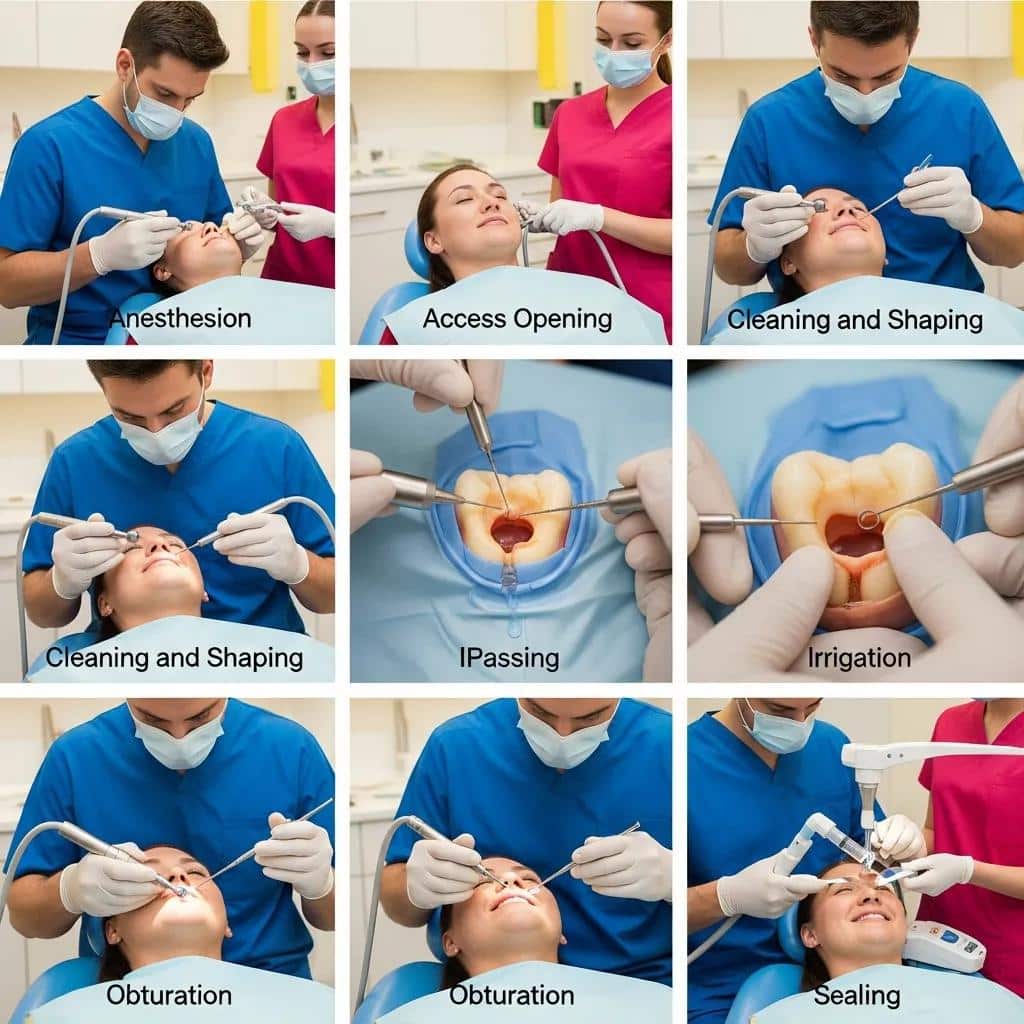
The root canal treatment process typically involves several key steps. First, the dentist will administer anesthesia to ensure the patient is comfortable. Next, an access hole is drilled into the tooth to reach the dental pulp. The infected pulp is then removed, and the interior of the tooth is cleaned and shaped. Finally, the tooth is filled and sealed to prevent future infections. This process usually takes one or two visits, depending on the complexity of the case.
How Is Recovery Managed After Root Canal Treatment?
Recovery after a root canal treatment generally involves managing discomfort and following post-treatment care instructions. Patients may experience mild pain or sensitivity for a few days, which can be managed with over-the-counter pain relievers. It is essential to follow the dentist’s aftercare instructions, including avoiding hard foods and maintaining good oral hygiene, to ensure proper healing and prevent complications.
How Much Does Root Canal Treatment Cost in Dallas and What Financing Options Are Available?
Understanding the costs associated with root canal treatment is crucial for patients considering this procedure.
What Are Typical Root Canal Costs Without Insurance?
The cost of root canal treatment in Dallas can vary widely based on several factors, including the tooth’s location and the complexity of the procedure. On average, patients can expect to pay between $700 and $1,200 for a root canal without insurance. This price range reflects the need for specialized care and the materials used during the procedure.
Are There Affordable Payment Plans and Free Consultations?
Many dental clinics, including Affordable Dentist Near Me of Dallas, offer affordable payment plans and free consultations to help patients manage the costs of treatment. These options can make root canal therapy more accessible, allowing patients to receive the care they need without financial strain. It is advisable to inquire about available financing options during the initial consultation to find a plan that suits your budget.
How Does Root Canal Treatment Compare to Tooth Extraction?
When faced with a damaged tooth, patients often wonder whether to pursue root canal treatment or opt for extraction.
Why Is Preserving Your Natural Tooth Important?
Preserving your natural tooth is crucial for maintaining overall oral health. A root canal allows you to keep your tooth, which helps maintain the structure of your jaw and prevents adjacent teeth from shifting. Additionally, preserving natural teeth can contribute to better chewing function and aesthetics, making it a preferred option for many patients.
What Are the Pros and Cons of Extraction Versus Root Canal?
Both extraction and root canal treatment have their pros and cons. While extraction may provide a quicker solution to a damaged tooth, it can lead to long-term complications, such as bone loss and the need for dental implants or bridges. Conversely, root canal treatment aims to save the tooth, but it may require multiple visits and can be more costly upfront. Patients should discuss their options with their dentist to determine the best course of action based on their specific situation.
What Are Common Myths and Facts About Root Canal Therapy?
Several misconceptions surround root canal therapy, leading to unnecessary fear and anxiety among patients.
Is Root Canal Treatment Painful or Safe?
Contrary to popular belief, root canal treatment is not painful. With modern anesthesia and techniques, most patients report feeling little to no discomfort during the procedure. In fact, root canal therapy often alleviates the pain caused by the infection, making it a safe and effective treatment option.
How Successful Are Modern Root Canal Procedures?
Modern root canal procedures boast a high success rate, often exceeding 90%. Advances in dental technology and techniques have significantly improved the outcomes of root canal therapy, making it a reliable option for saving infected teeth. Patients can feel confident in the effectiveness of this treatment when performed by a qualified dental professional.
Why Choose Affordable Dentist Near Me of Dallas for Your Root Canal Needs?
Choosing the right dental provider for root canal treatment is essential for ensuring a positive experience and successful outcome.
What Expertise Does Dr. Mike Pham Bring to Endodontic Care?
Dr. Mike Pham, a skilled dentist at Affordable Dentist Near Me of Dallas, brings extensive expertise in endodontic care. His commitment to patient comfort and satisfaction, combined with his advanced training, ensures that patients receive the highest quality of care during their root canal treatment. Dr. Pham’s approach emphasizes thorough assessments and personalized treatment plans tailored to each patient’s needs.
How Does the Clinic Ensure Affordable and Comfortable Treatment?
Affordable Dentist Near Me of Dallas prioritizes patient comfort and affordability. The clinic offers free consultations to discuss treatment options and financial plans, ensuring that patients can access the care they need without financial burden. With a focus on patient-centered care, the clinic strives to create a welcoming environment where patients feel at ease throughout their treatment journey.