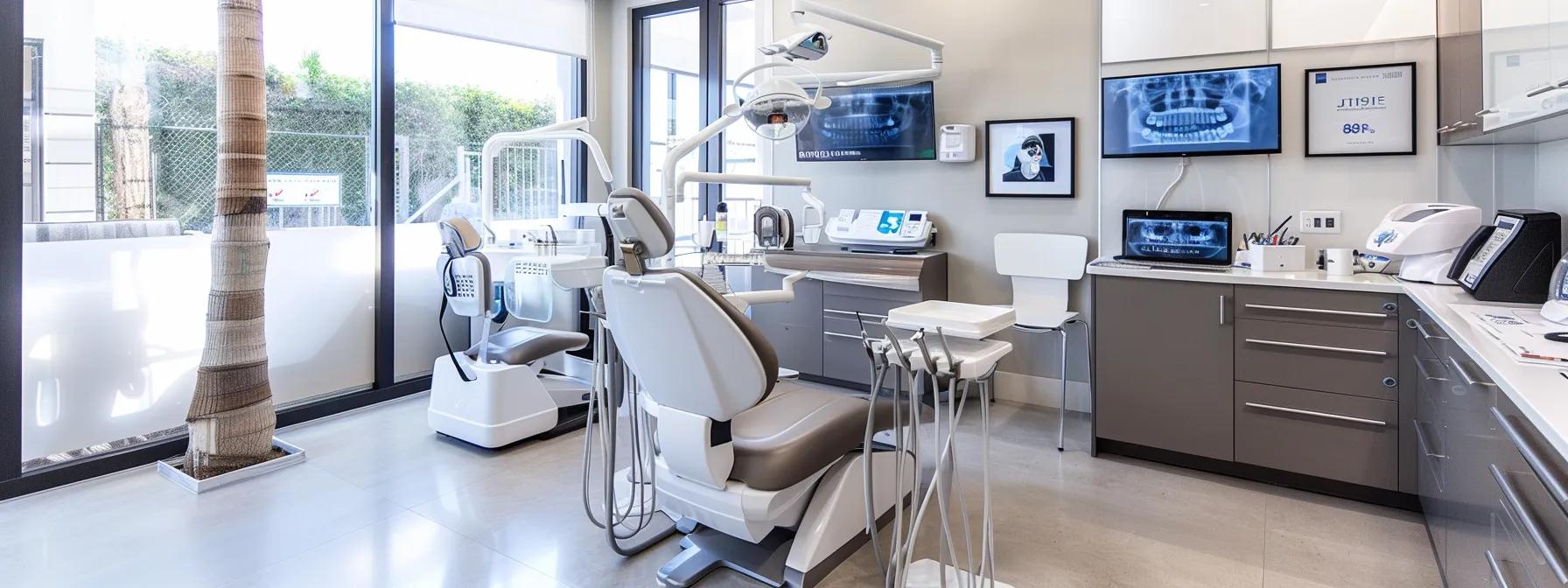
Dental implants offer a transformative solution for replacing missing or damaged teeth, helping patients regain function and self-confidence. In Lake Worth, TX, implants provide a long-term, natural-looking alternative to dentures and bridges that restore the ability to chew, speak, and smile. Advances in technology and materials have made implants more accessible and affordable, often with flexible monthly payments and free initial consultations. This article explores dental implants by outlining their structure, functionality, and benefits compared to dentures, while also detailing the process from consultation to recovery. By understanding how implants work and the factors influencing their success, patients can make informed decisions about tooth replacement that best suit their needs and medical history. In addition, practical aspects such as cost, aesthetics, and maintenance are discussed in an informative and fun tone so that patients in their 40s to 60s can feel empowered to choose a permanent smile solution that improves overall dental health and quality of life.
Many individuals in Lake Worth face tooth loss due to decay, injury, or periodontal disease. Dental implants, involving the surgical placement of a titanium or ceramic post in the jawbone, serve as a stable foundation for a replacement crown. This procedure not only replicates natural teeth functionality but also preserves jawbone density and prevents further oral health issues. As patients learn about the benefits—from improved chewing and enhanced aesthetics—they can appreciate the advantages over conventional dentures. Readers will explore implant science, compare them to dentures, and see why many in Lake Worth choose implant-supported solutions to boost oral health and self-confidence.
Throughout the article, every facet of dental implants is covered—from construction and installation to healing processes and maintenance. Modern dental technology such as smartpeg osstell, sedation options, and digital planning tools like elos scanbody make implant procedures both precise and comfortable. Cost considerations, accessibility, and aftercare protocols are also addressed, ensuring patients know what to expect. This holistic perspective is designed for middle-aged patients considering dental implant solutions, providing insights into eligibility, the surgical process, and tips for lasting results—all before scheduling a free consultation.
Key Takeaways
Dental implants mimic natural teeth in function and appearance, offering long-term durability and preserving jawbone health.
The implant process includes consultation, surgical placement, healing, and final crown attachment, resulting in improved chewing ability and speech clarity.
Compared to dentures, implants generally provide better comfort, stability, and aesthetics, despite higher initial costs and the need for sufficient bone density.
Patients in Lake Worth benefit from advanced dental technology, personalized consultations, and affordable payment options that maximize implant success and oral hygiene.
Understanding Dental Implants as a Tooth Replacement Option
Dental implants replace missing tooth roots by inserting an artificial post into the jawbone. The three main components are the implant post (typically titanium or ceramic), the abutment (connector), and the dental crown that resembles a natural tooth. This method is valued for its durability and natural look.
Defining Dental Implants and Their Components
Implants are small, screw-like posts made from biocompatible materials that are surgically placed into the jawbone where tooth roots once were. They consist of a post that acts as a root, an abutment that connects the post to the crown, and the crown itself, which restores appearance and function. This approach creates a stable and long-lasting restoration that supports chewing and enhances facial aesthetics.
How Dental Implants Function Like Natural Teeth
Implants integrate with the jawbone through osseointegration, where the bone bonds with the titanium or ceramic surface. This process provides stability comparable to natural roots, enabling implants to withstand everyday chewing forces without shifting. The custom-made crown is matched to surrounding teeth in color, shape, and size to ensure a natural appearance. Additionally, the stimulation of the jawbone helps prevent bone loss and maintains facial contours.
Common Reasons People Choose Dental Implants
Patients choose implants because they offer a permanent solution that avoids the need for adhesives or frequent cleaning associated with dentures. Implants restore full chewing function and help maintain jawbone health, which contributes to a stable facial structure. They also provide a more natural and aesthetically pleasing look, boosting self-esteem and overall quality of life, especially for those who have struggled with the discomfort of removable dentures.
Longevity and Durability of Dental Implants
With proper oral hygiene and periodic dental checkups, implants can last for decades—often a lifetime—outlasting dentures or bridges. The high-strength titanium post resists corrosion and wear, while ceramic crowns mimic natural enamel. Success rates for implants under optimal conditions exceed 95%, and ongoing advancements in dental technology continue to improve their predictability and performance, making implants a reliable long-term solution.
Dental Implants Versus Dentures What Sets Them Apart
When considering tooth replacement options, it is important to understand the differences between dental implants and dentures. Both aim to restore chewing and speech functions, yet they differ significantly in stability, aesthetics, and long-term benefits.
Key Functional Distinctions Between Implants and Dentures
Implants are surgically integrated into the jawbone and act as artificial roots, providing stable support even during heavy chewing. Dentures, which rest on the gums and often require adhesives, may shift during eating or speaking. This difference in retention means that implants distribute forces more evenly and reduce the risk of bone loss, offering a more reliable and natural experience.
Comparing the Comfort and Stability of Dental Implants and Dentures
Implants offer a level of comfort similar to natural teeth because they become a permanent part of the jaw. Dentures, while initially more affordable, can shift or cause sore spots, often requiring adjustments and relines over time. Many patients report that implants feel secure and improve overall satisfaction with their bite and appearance.
Oral Health Impact Dental Implants Compared to Dentures
Implants stimulate the jawbone and help prevent bone resorption—a common issue with dentures that can lead to facial sagging and further tooth loss. Additionally, implants are easier to clean since they do not accumulate the same bacterial deposits that can form under removable dentures, ultimately promoting better long-term oral hygiene.
Long-Term Cost Considerations for Implants Versus Dentures
Although dental implants have a higher initial cost, they generally require fewer replacements and adjustments over time compared to dentures. The ongoing expenses for denture adhesives, relines, and potential bone grafts can add up, making implants a more cost-effective solution in the long run when considering overall oral health and durability.
Aesthetic Differences Between Dental Implants and Dentures
Implants are custom-crafted to match natural teeth in color, texture, and shape, ensuring a seamless and attractive result. Dentures, while customizable, may sometimes appear artificial and lack the lifelike quality that implants provide. For many patients, the natural appearance of implants significantly boosts self-confidence and overall satisfaction with their smile.
Advantages of Selecting Dental Implants in Lake Worth
Choosing dental implants in Lake Worth brings several benefits, from improved everyday function to lasting oral health. Local patients enjoy access to advanced implant technologies and skilled dental practitioners who tailor treatments to individual needs.
Improved Chewing Ability With Dental Implants
Implants restore full chewing function by providing a stable foundation that remains securely anchored in the jawbone. This stability improves digestion and nutritional intake, as chewing forces are evenly distributed without the worry of slipping, a common problem with dentures.
Enhanced Speech Clarity Through Secure Dental Implants
Because implants are fixed in the jaw, they improve speech clarity compared to loose dentures, which can cause slurred or imprecise articulation. This secure attachment supports natural tongue and lip movement, resulting in better communication and increased confidence.
Preserving Jawbone Health With Dental Implants
Implants continuously stimulate the jawbone, helping to prevent bone loss that typically occurs with missing teeth or dentures. This preservation maintains the integrity of the facial structure and reduces the risk of sagging, ensuring both functional and cosmetic benefits over time.
The Natural Look and Feel of Dental Implant Restorations
Custom-made crowns on dental implants closely mimic natural teeth in color, shape, and texture. The use of high-quality materials such as titanium or ceramic provides a realistic, permanent restoration that seamlessly integrates with the patient’s smile, boosting aesthetic appeal and self-esteem.
Boosting Self-Confidence With a Permanent Smile Solution
A permanent implant-supported smile can significantly boost self-confidence. Removing the worry of ill-fitting dentures, patients enjoy a natural, full smile that improves personal and professional interactions, leading to enhanced overall well-being.
Your Dental Implant Procedure in Lake Worth
The dental implant procedure in Lake Worth is designed to offer personalized and effective treatment. From the initial consultation to the final attachment of the custom crown, every step is carefully planned to optimize healing and function. Local clinics offer free consultations to address concerns related to bone density, medical history, or previous dental treatments, ensuring patients are well-prepared at every stage.
Initial Consultation for Dental Implants in Lake Worth
During the initial consultation, a dental specialist assesses the patient’s oral health, jawbone structure, and overall suitability for implant surgery. This evaluation generally includes an oral examination, X-rays, and sometimes a 3D scan. The dentist reviews the patient’s medical and dental history to identify any contraindications, such as xerostomia or periodontal disease, and discusses treatment options, expected outcomes, potential risks, and cost information, including available payment plans.
The Dental Implant Placement Process Step by Step
The implant placement process involves several phases: 1. Surgical insertion of the implant post into the jawbone under local anesthesia or sedation. 2. A healing period—typically three to six months—for osseointegration, where the implant fuses with the bone. 3. Attachment of the abutment, which connects the implant post to the final dental crown. 4. Placement of the custom-made crown, restoring both function and aesthetics. Each step is monitored with follow-up visits to ensure optimal outcomes.
Healing and Osseointegration After Implant Surgery
After implant placement, healing and osseointegration are critical. Patients may experience mild discomfort and swelling, which are managed with prescribed medications and proper care instructions. Over three to six months, the jawbone fuses with the implant, a process confirmed by regular checkups and imaging before proceeding to the next phase.
Attaching Your Custom Dental Crown in Lake Worth
Once osseointegration is complete, an individualized dental crown is attached. A precise impression of the implant area is taken to ensure a perfect fit and natural appearance. The crown, usually made from high-quality porcelain or ceramic, is then affixed to the abutment, instantly improving both function and aesthetics.
What to Expect During Recovery From Dental Implant Treatment
Recovery involves stages where patients manage mild discomfort, swelling, or bruising at the surgical site with over-the-counter pain relievers and a soft-food diet. Detailed post-operative care instructions, including oral hygiene practices, are provided, and regular follow-up visits ensure healing proceeds smoothly while the implant becomes stable.
Are You a Candidate for Dental Implants in Lake Worth TX
Not every patient is automatically an ideal candidate for dental implants. Several factors, including overall health, oral hygiene, bone density, and patient expectations, determine suitability. In Lake Worth, thorough evaluations are performed to ensure implants are a viable and lasting option.
Assessing Your Oral Health for Dental Implant Suitability
A key step in determining suitability is evaluating the overall oral health. This includes checking for periodontal disease, gum recession, tooth decay, and any other conditions that might affect implant success. Comprehensive diagnostics such as X-rays and scans help assess the jawbone’s condition and identify any necessary pre-treatment.
Bone Density Requirements for Successful Dental Implants
Sufficient bone density is crucial for anchoring dental implants. If a patient’s jawbone is weakened due to tooth loss or aging, a bone graft might be recommended. State-of-the-art imaging techniques, including 3D cone-beam computed tomography, help determine bone density and guide the implant placement strategy, ensuring a strong foundation.
General Health Considerations for Implant Procedures
Overall health plays a significant role in candidate suitability. Conditions such as uncontrolled diabetes, smoking, autoimmune disorders, or chronic inflammation may affect healing and increase the risk of implant failure. A detailed review of medical history allows the dental team to tailor the treatment plan and coordinate with healthcare providers if necessary.
Discussing Your Tooth Replacement Goals With a Lake Worth Implant Specialist
During consultation, patients discuss their aesthetic and functional goals with a specialist. This dialogue covers expectations, alternative restoration methods, and a review of benefits and limitations of each option. Such discussions ensure the proposed treatment aligns with the patient’s lifestyle and establishes a foundation of trust.
Maintaining Your Dental Implants for Lasting Results in Lake Worth
Long-term success of dental implants relies on proper maintenance. With regular professional checkups and consistent oral hygiene practices, implants can remain a permanent solution to tooth loss. Lake Worth dental professionals emphasize diligent care to protect the investment and ensure lasting functionality and aesthetics.
Proper Oral Hygiene Practices for Dental Implants
Patients should brush at least twice daily with a soft-bristled toothbrush and use non-abrasive toothpaste around the implant area. Daily flossing removes food debris and plaque buildup, reducing the risk of peri-implantitis. An antimicrobial mouth rinse can further help control bacteria and prevent infection.
Regular Dental Checkups and Cleanings in Lake Worth
Routine dental appointments every six months (or as recommended) are essential. These visits include professional cleanings and assessments—often using advanced tools like smartpeg osstell—to ensure implant stability and detect any early signs of complications.
Foods to Approach With Caution After Getting Dental Implants
During the healing period, patients should follow a soft-food diet and gradually reintroduce harder textures as the implant strengthens. Avoiding extremely hard, sticky, or temperature-extreme foods helps prevent undue pressure or damage to the implant and surrounding tissues.
Recognizing Signs of Potential Implant Complications
Patients should be alert for any indications of complications such as persistent pain, swelling, bleeding, or mobility around the implant. Early signs like a foul odor or discomfort during chewing warrant prompt consultation with a dental professional to prevent more serious issues.
The Importance of Professional Support for Your Dental Implants in Lake Worth
Ongoing professional support is key to long-term implant success. Besides regular checkups, personalized advice on diet, hygiene, and care from experienced implant specialists ensures that any issues are promptly addressed, helping to maintain implant durability and overall patient satisfaction.
Detailed Comparison Table: Dental Implants vs Dentures
Below is a table comparing dental implants with dentures:
Factor
Dental Implants
Dentures
Retention Method
Surgically anchored in the jawbone (osseointegration)
Rests on the gums; uses adhesives
Stability
High stability; functions like natural teeth
Can shift or slip; less stable
Chewing Efficiency
Excellent; similar to natural teeth
Limited; may impair chewing of certain foods
Oral Health Impact
Preserves bone density; stimulates jawbone
May cause bone resorption
Aesthetic Outcome
Custom-crafted; highly natural look
May appear artificial; less customizable
Long-Term Durability
Can last decades with proper care
Typically requires periodic replacement
Maintenance
Requires regular hygiene similar to natural teeth
Needs frequent adjustments and careful cleaning
This table demonstrates that while dentures offer a less expensive short-term solution, implants provide superior long-term stability, oral health benefits, and a more natural appearance.
Additional Comparison: Cost and Maintenance Considerations
Another table comparing cost and maintenance:
Aspect
Dental Implants
Dentures
Upfront Cost
Higher initial cost; a long-term investment
Lower initial cost
Maintenance Cost
Minimal ongoing maintenance; periodic checkups only
Requires replacement parts and adhesives regularly
Longevity
Typically last 10–20+ years with proper care
Generally need replacing every 5–8 years
Comfort Level
High comfort due to natural integration into bone
May cause sore spots and require adjustments
Adjustment Needs
Rare adjustments; stable performance over time
Frequent adjustments as gum shape changes
Impact on Jawbone
Stimulates bone growth; prevents bone loss
Does not stimulate bone; may contribute to resorption
The table emphasizes that despite a higher initial cost, implants offer lower long-term expenses and superior performance compared to dentures.
Advanced Table: Comparative Overview of Tooth Replacement Options
This table summarizes key attributes of different options:
Attribute
Dental Implants
Dental Bridges
Dentures
Retention
Osseointegrated into the jawbone
Cemented onto adjacent teeth
Rests on the gums; removable
Durability
10–20+ years with proper care
5–15 years depending on condition
5–8 years, with periodic replacement
Bone Stimulation
Yes; preserves bone density
No; may lead to bone loss
No; associated with accelerated loss
Aesthetics
Custom-designed; natural appearance
Matches natural teeth but limited
May appear artificial
Cost
Higher upfront; lower long-term costs
Moderate upfront; variable long-term
Lower upfront; recurring maintenance
Maintenance
Similar to natural teeth hygiene
Requires regular dental visits
Frequent adjustments and relines
Functional Efficiency
High chewing efficiency; stable
Moderate; depends on abutment teeth
Lower efficiency; may impair mastication
This table clarifies that implants, though initially more expensive, offer enhanced durability, aesthetics, and functionality compared to bridges and dentures.
Frequently Asked Questions
Q: How do dental implants compare to dentures in terms of comfort and functionality? A: Dental implants integrate into the jawbone, providing stable, natural support similar to real teeth, while dentures can shift and cause discomfort during eating or speaking. Implants also improve chewing efficiency and help prevent jawbone deterioration.
Q: What is the typical healing time following dental implant surgery? A: Healing usually lasts three to six months, allowing osseointegration of the implant with the jawbone. This period can vary based on individual health, bone density, and any additional procedures like bone grafting.
Q: Are there any lifestyle changes required after receiving dental implants? A: Patients should follow specific aftercare instructions including a soft-food diet initially, meticulous oral hygiene practices, and regular follow-ups. Avoiding extremely hard or sticky foods and quitting smoking (if applicable) also support optimal healing.
Q: Can I get dental implants if I have low bone density? A: Low bone density doesn’t automatically disqualify you. In some cases, procedures such as bone grafting or sinus lifts are performed to build up the bone structure, ensuring a strong foundation for implants.
Q: What financing options are available for dental implant procedures in Lake Worth? A: Many clinics offer flexible financing, including monthly payment plans, low-interest options, and free initial consultations, helping manage the higher upfront cost of implants.
Q: How long do dental implants last compared to other tooth replacement options? A: With proper care, dental implants can last 10 to 20 years or more—often a lifetime—far exceeding the longevity of dentures or bridges, which typically require replacement or adjustments over time.
Q: What are the common signs of implant complications I should watch out for? A: Warning signs include unusual pain, prolonged swelling, persistent bleeding, implant mobility, foul odors, or discomfort during chewing. If any of these occur, prompt consultation with a dental professional is advised.
Final Thoughts
Dental implants provide a transformative solution by restoring both function and the natural aesthetics of your smile. Their secure integration into the jawbone supports improved chewing, enhanced speech clarity, and long-term oral health. With a comprehensive process—from consultation and placement to the final crown—implants offer lasting benefits that outweigh the higher initial cost. Patients in Lake Worth, TX, can benefit from free consultations and flexible financing, making it easier than ever to invest in a brighter, more secure smile.