Dental Implants: What Patients Are Saying About the Success Rate and Their Experiences
Dental implants are a fixed tooth replacement that uses a titanium implant fixture anchored into the jawbone to support an abutment and crown, restoring function and aesthetics for missing teeth. Current research and aggregated patient reviews in 2024 indicate high success and survival rates—commonly reported in the mid-90s percent range—which helps explain why many patients choose implants over removable options. This article combines up-to-date survival statistics, patient-reported outcomes, and practical guidance so you can evaluate longevity, risk factors, and everyday maintenance for implant-supported restorations. Many readers struggle with questions about how long implants last, what causes failures, and whether individual health conditions like smoking or diabetes change outcomes; this guide addresses those concerns with evidence-informed explanations and patient-perspective narratives. You will find a clear summary of current success rates, anonymized patient case teasers that illustrate realistic results, a detailed breakdown of risk factors and clinician-related influences, and an actionable aftercare plan to maximize implant longevity. Finally, practical next steps to get a professional assessment are included so readers in Tyler, TX know how to book a consultation and what to expect during an evaluation.
What Is the Current Success Rate of Dental Implants According to Patient Reviews?
Dental implant success refers to a functioning, symptom-free restoration that meets patient expectations, while survival refers to the implant remaining in place regardless of complications; both concepts together explain why patient-reviewed success rates often mirror clinical survival statistics. Recent aggregated patient reviews and 2024 clinical analyses place typical short- to mid-term success in the 95–98% range, reflecting improvements in materials, imaging, and surgical protocols. Patients commonly report durable chewing function and predictable esthetic outcomes, which align with clinician-reported survival percentages over 5 and 10 years. Understanding those time-based survival figures helps patients set realistic expectations about longevity and follow-up care. The following table condenses typical timeframe-based survival statistics reported by recent meta-analyses and patient outcome summaries, which clarifies how long implants are expected to function in everyday life and why maintenance matters for long-term survival.
Timeframe
Survival / Success Measure
Typical Value
1 year
Early osseointegration and prosthetic success
96–99%
5 years
Functional stability and patient satisfaction
94–97%
10 years
Long-term prosthetic survival and maintenance needs
90–95%
15 years
Cumulative survival with maintenance
~88–93%
20 years
Long-term retention for well-maintained implants
~80–90%
This timeline table illustrates typical survival expectations seen in contemporary studies and aggregated patient feedback; higher early rates reflect improved surgical planning, while gradual declines over decades emphasize the role of maintenance and systemic health. Patient perceptions of “success” tend to follow these survival trends: implants that remain comfortable and functional are scored highly in reviews, which is the topic we explore next through real patient experiences.
What Are the Overall Dental Implant Success Rates in 2024?
Overall success rates in 2024 reflect technological advances in imaging, implant surface engineering, and more consistent surgical protocols, producing aggregated success estimates that sit near the high 90s for the first few years. These improvements mean that many patients experience reliable osseointegration—the biological process where bone integrates with the titanium fixture—leading to strong primary stability and predictable prosthetic outcomes. Patient review platforms and clinical registries both demonstrate this consistency in early- and mid-term outcomes, which patients interpret as dependable, long-lasting tooth replacement. While exact percentages vary by study design and patient population, the convergence of clinical and patient-reported data supports the statement that most healthy patients experience successful implants. Recognizing this consensus prepares the reader to evaluate durability and care requirements, which leads directly into how long implants actually last for most patients.
How Long Do Dental Implants Typically Last Based on Patient Outcomes?
Translating survival percentages into lifespan expectations shows that many implants last 15 years or more with proper care, and a substantial portion remain functional at 20 years in well-managed cases. Longevity depends on initial factors—bone quality, surgical technique, prosthetic design—and ongoing variables such as oral hygiene, occlusal forces, and systemic health. Patient reports frequently describe implants providing decade-plus function with routine hygiene visits and attentive home care; conversely, neglected maintenance or unmanaged systemic conditions shorten expected lifespan. Emphasizing prevention and follow-up care gives patients the best chance of matching the more optimistic survival estimates reported in long-term analyses and reinforces the importance of an early assessment to plan individualized risk mitigation.
What Do Real Patients Say About Their Dental Implant Experiences?
Patients often describe dental implants in terms of restored function and regained confidence; these narratives combine objective outcomes with personal quality-of-life improvements that matter most to prospective recipients. Review themes repeatedly highlight improved chewing, clearer speech, and satisfaction with appearance, while some patients cite recovery time and cost as initial concerns that were ultimately outweighed by long-term benefits. To illustrate common trajectories, anonymized case teasers below show typical timelines, outcomes, and patient priorities—each story emphasizes practical takeaways for readers considering implants. These patient perspectives show how clinical success metrics translate into everyday life improvements, and they set the stage for a discussion of satisfaction metrics and common themes in reviews.
Common patient experience takeaways: Functional Restoration: Patients report meaningful improvements in chewing and nutrition within weeks of prosthetic placement.Aesthetic Confidence: Restored smiles often lead to improved self-confidence in social and professional settings.Recovery Expectations: Initial healing and adjustment typically involve manageable discomfort and localized swelling that resolves within days to weeks.
These themes explain why satisfaction often remains high despite out-of-pocket costs or recovery time; the next subsection presents concise case teasers to ground those themes with specifics and encourage readers to consider a personalized assessment.
How Have Dental Implants Transformed Patients’ Smiles?
Anonymized patient teasers illustrate common outcomes: a middle-aged patient regained full chewing capacity after a single-tooth implant and reported returning to preferred foods within two months, while an older patient who chose implant-supported dentures regained confidence and social ease after staged treatment. These narratives underscore how implant-supported restorations resolve both functional deficits—like reduced bite force—and aesthetic issues from missing anterior teeth. In each example, titanium fixtures provided the foundational stability needed for a durable prosthesis, and patients cite consistent follow-up care as essential to their satisfaction. Understanding these transformations helps prospective patients visualize realistic timelines and benefits, and it naturally leads to aggregate satisfaction metrics drawn from broader review samples.
Patient Motivations, Expectations & Satisfaction with Dental Implants
Dental Implants are the norm of today’s prosthetic and restorative dentistry but, is it the answer for edentulism that can affect both individual’s appearance and functioning, therefore having an impact on the psychological and the social well being of the person is an ongoing quest. Also, patient’s beliefs and personal expectations for dental implants vary, which may influence the treatment outcome, thus emphasizing the importance of a good clinician–patient communication.
What Are Common Patient Satisfaction Levels After Receiving Implants?
Aggregated review analysis shows that satisfaction drivers center on comfort, function, and natural appearance, with many patients rating outcomes highly when expectations are well-managed by the treating team. Reported critical feedback in reviews most often concerns initial cost and temporary post-op discomfort, but these issues are frequently framed as short-term trade-offs for long-term improvement in quality of life. Patients who receive thorough education about maintenance and realistic timelines tend to report higher satisfaction, which highlights the value of an education-based care approach. These satisfaction trends point directly to the importance of addressing patient concerns pre-operatively and maintaining professional follow-up—topics we examine further when reviewing factors that influence success.
Which Factors Influence the Success Rate of Dental Implants?
Multiple interrelated factors—patient systemic health, local bone conditions, surgical technique, and post-op care—determine individual implant success, so assessing each domain is crucial for predicting outcomes. Systemic conditions like uncontrolled diabetes and behaviors such as smoking alter healing dynamics and immune responses at the implant site, while local factors including bone density and existing periodontal disease change primary stability and osseointegration potential. Surgical planning, implant selection, and prosthetic design each contribute to distribution of occlusal loads and long-term biomechanical stability. The table below summarizes major risk factors, their typical effect on success, and commonly reported magnitudes or directional impacts so readers can see which variables matter most for personalized risk assessment.
Risk Factor
Effect on Implant Success
Typical Impact
Smoking
Impairs healing and increases infection risk
Elevated failure rates versus non-smokers
Uncontrolled diabetes
Delays wound healing and may raise complication risk
Moderate increase in complications if HbA1c uncontrolled
Poor oral hygiene / periodontal disease
Promotes peri-implantitis and bone loss
Higher incidence of inflammatory complications
Low bone density / insufficient bone volume
Reduces primary stability and osseointegration
May require grafting to achieve predictable outcomes
Medication use (e.g., bisphosphonates)
Alters bone remodeling in some patients
Requires individualized assessment and planning
This risk-factor table clarifies how multiple elements combine to shape prognosis; the next paragraphs explain the most common patient-centered risks and how to mitigate them through pre-op optimization and surgical planning.
How Do Health Conditions Like Smoking and Diabetes Affect Implant Success?
Smoking introduces vasoconstriction and impaired immune response at surgical sites, which increases the likelihood of early and late complications and is frequently cited in reviews as a modifiable risk. Evidence-based counseling encourages cessation prior to implant surgery and continued avoidance during the healing phase to improve osseointegration chances. Diabetes affects wound healing in proportion to glycemic control; patients with well-controlled diabetes typically fare much better than those with uncontrolled blood glucose, making pre-op medical optimization a core recommendation. For both smoking and diabetes, targeted risk-reduction strategies—cessation programs, glucose optimization, and staged treatment planning—can materially lower complication rates and align patient outcomes with typical success benchmarks.
Dental Implant Survival & Patient Quality of Life After Oral Cancer Treatment
Promising long-term survival rates of dental implants in patients after treatment of oral cancer were seen. In addition, patients benefit in form of an improved OHRQoL.
What Role Does Bone Density and Quality Play in Implant Longevity?
Bone density and architecture determine primary stability and the biological environment for osseointegration, so inadequate bone often necessitates augmentation such as bone grafting or sinus lifts to create a predictable foundation. Preoperative imaging and assessment of bone volume guide implant diameter, length, and placement strategy; when bone quality is optimized, primary stability improves and long-term survival follows. Patients with compromised bone can still achieve successful outcomes when augmentation techniques and careful surgical planning are used, although the treatment timeline may extend and require staged approaches. Understanding the role of bone quality helps patients anticipate procedures, timelines, and the importance of clinician expertise for achieving durable results.
How Does the Expertise of Your Dental Implant Specialist Affect Success?
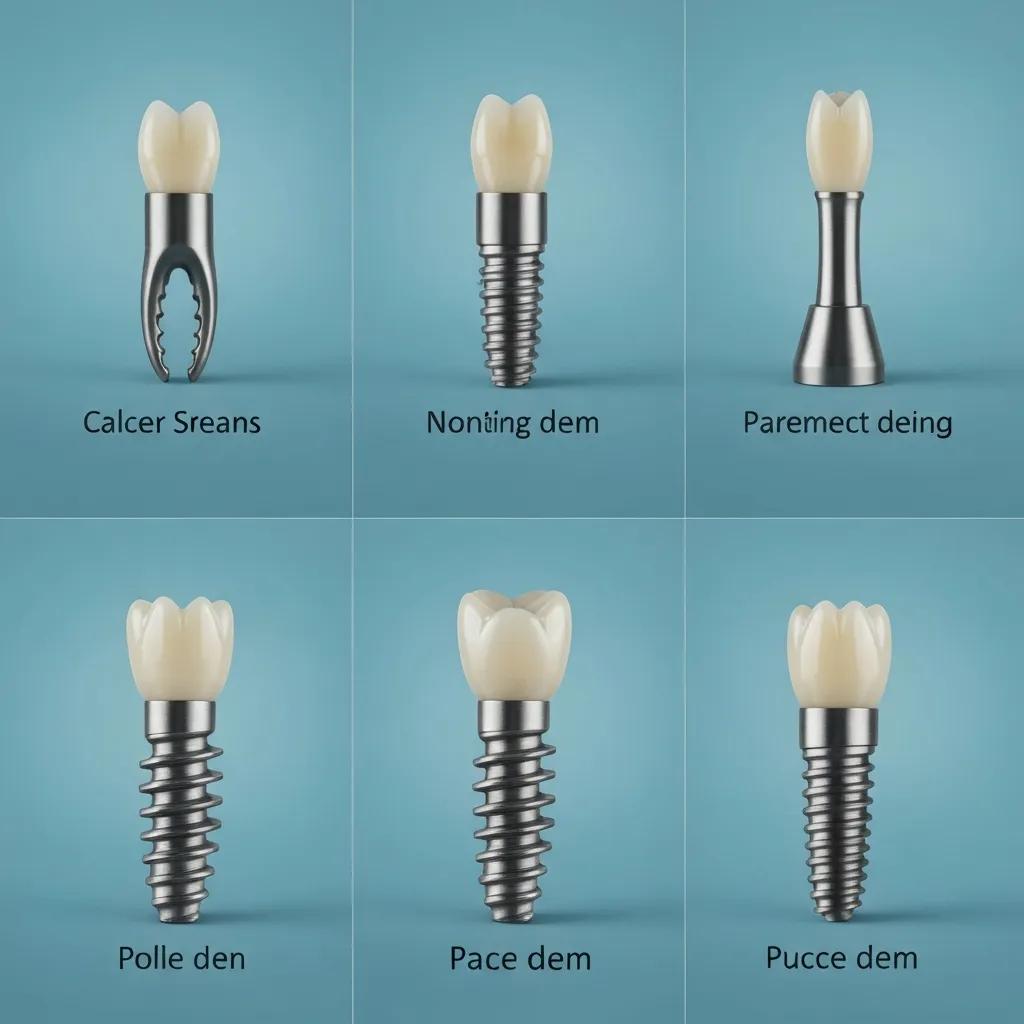
Clinician training, case volume, and decision-making about implant type and surgical technique strongly correlate with lower complication rates and higher patient satisfaction, because experience guides nuanced choices in planning and complication management. An experienced specialist integrates radiographic interpretation, selection of implant dimensions and surface technology, and prosthetic design to distribute occlusal forces appropriately for the chosen restoration. Patients should look for clear explanations of treatment rationale, descriptions of follow-up protocols, and demonstrated use of modern implant materials such as titanium fixtures, as these factors collectively improve outcomes. The table below compares common implant types and placement locations with typical considerations and expected outcomes to show how clinician choices map to success probabilities.
Implant Type / Placement Location
Considerations
Typical Outcome / Best-use Case
Endosteal implant (standard)
Placed in alveolar bone; widely used
High success for single-tooth and multi-unit cases
Subperiosteal implant
Sits on bone under periosteum; used when bone is insufficient
Useful alternative when grafting not feasible but less common
Anterior (front) placement
Esthetic zone; requires precise angulation
High esthetic demands, generally favorable success with expert planning
Posterior (back) placement
Higher occlusal loads
Requires careful prosthetic design to manage bite forces
This comparison highlights how type and location interact with clinician skill to influence outcomes; the next subsections unpack why surgeon experience matters and how implant selection and placement decisions affect long-term success.
Why Is Surgeon Experience Critical for High Implant Success Rates?
Surgeon experience reduces complications by improving preoperative planning, minimizing intraoperative errors, and enabling rapid, appropriate management of issues such as poor primary stability or unexpected anatomic variations. Experienced clinicians are proficient in assessing bone quality, choosing implant dimensions, and deciding when augmentation is warranted, which directly influences primary osseointegration. Patients should ask about a clinician’s approach to treatment planning, use of imaging, and postoperative follow-up routines to gauge whether a provider emphasizes predictable results and patient education. A clinician who communicates expected timelines and possible complications helps patients set realistic expectations and supports higher satisfaction when outcomes align with those anticipations.
Dental Implants vs. Root Canals: Survival, Complications & Patient Outcomes
The aim of this systematic review was to evaluate the survival, complications, failure, and patient-reported outcomes of the 2 treatment modalities. The null hypothesis was that the survival, complications, failure, and patient-reported outcomes were not different between endodontically treated teeth and dental implant-supported prostheses.
How Do Different Implant Types and Placement Locations Impact Outcomes?
Endosteal implants are the most common type and generally yield the highest predictable success because they achieve direct bone contact and allow versatile prosthetic solutions, while subperiosteal or zygomatic approaches are specialized options for patients with severely reduced bone. Placement in the posterior mandible must consider higher bite forces and may require splinted restorations or larger-diameter fixtures, whereas anterior placements demand precise angulation and careful soft-tissue management to meet esthetic expectations. Implant surface treatments and abutment design also influence soft-tissue response and load transmission; clinicians skilled in matching implant characteristics to the site will typically deliver better long-term outcomes. Recognizing these distinctions helps patients participate in the decision-making process and select the right clinician and implant strategy for their needs.
What Are the Best Practices for Maintaining Dental Implant Longevity?
Maintaining implant longevity combines meticulous daily home care, regular professional maintenance, and early recognition of warning signs; these practices reduce the risk of peri-implantitis and mechanical complications. Daily routines should emphasize plaque control around implant restorations using appropriate interdental tools, while professional visits include hygiene appointments, occlusal checks, and periodic radiographic assessment when indicated. Lifestyle measures such as smoking avoidance and systemic health optimization further protect implants by supporting tissue health and healing capacity. The following numbered list outlines a practical maintenance schedule patients can adopt to preserve implant function, followed by a short summary of why consistent adherence matters.
Daily oral hygiene: Clean around implants morning and night with a soft-bristled brush and interdental cleaning.
Interdental cleaning: Use interdental brushes or water flossers daily to remove biofilm between implants and natural teeth.
Professional hygiene visits: Schedule professional cleanings and evaluations at the cadence recommended by your clinician.
Occlusal monitoring: Have your bite and prosthesis fit checked regularly to prevent overload and mechanical wear.
Lifestyle management: Avoid smoking and maintain systemic health (e.g., diabetes control) to reduce complication risk.
This maintenance checklist emphasizes preventive care and regular professional involvement; following it helps align individual outcomes with the higher survival rates discussed earlier and reduces the likelihood of intervention for complications.
What Essential Oral Hygiene Steps Ensure Long-Term Implant Success?
Essential daily hygiene centers on removing plaque without damaging prosthetic components: use a soft toothbrush, interdental brushes sized to prosthesis gaps, and non-abrasive toothpaste to maintain soft-tissue health and prevent peri-implant inflammation. Water flossers can be effective adjuncts by flushing out food debris and biofilm around abutments and under pontics, while mechanical scrubbing with inappropriate tools should be avoided to prevent surface wear. Patients should adopt a morning and evening routine and keep consistent use of interdental aids after meals when feasible, because sustained biofilm control is the most reliable defense against inflammatory complications. Following these steps reduces bacterial load and keeps tissues healthy, which prepares the patient for predictable professional maintenance.
Why Are Regular Dental Check-Ups Important for Implant Health?
Regular professional visits allow clinicians to detect early signs of peri-implant disease, monitor bone levels, and adjust occlusion or prosthetic components before small problems progress into failures. During maintenance appointments, clinicians perform targeted cleaning with implant-safe instruments, assess peri-implant tissues, and may take radiographs when indicated to evaluate crestal bone stability. Early detection of bleeding on probing, increased probing depths, or prosthetic mobility enables timely interventions such as localized therapy, debridement, or occlusal adjustments that preserve the implant. Consistent follow-up supports long-term retention and patient satisfaction by catching problems early and guiding remediation before more invasive procedures are required.
What Are the Most Frequently Asked Questions About Dental Implant Success Rates?
Patients commonly ask why implants fail, how long implants last, and whether implants are worth the investment; concise, direct answers help capture the most relevant concerns and prepare readers for detailed explanations. The short answers below target commonly searched questions and are optimized for clear, immediate comprehension, while the following H3 sections explore failure causes and the cost-benefit perspective in greater depth. This FAQ-style approach clarifies expectations and encourages readers to seek a personalized assessment when individual factors may alter general answers.
Top quick answers: Why do implants sometimes fail? Infections, poor bone, or overload can destabilize implants.How long do implants typically last? Many implants last 15–20+ years with proper care.Are implants generally worth it? For most healthy patients seeking fixed replacement, implants provide durable functional and aesthetic benefits.
What Causes Dental Implants to Fail According to Patient Experiences?
Patient-reported causes of implant failure frequently include infection (peri-implantitis), poor oral hygiene, smoking, and mechanical overload—each condition can compromise bone integration or prosthetic stability. Peri-implantitis is an inflammatory condition driven by bacterial biofilm that leads to bone loss around the implant if not detected and treated early, and many patients mention that inconsistent hygiene preceded symptoms.
Mechanical factors such as occlusal overload or ill-fitting prostheses contribute to screw loosening, component fracture, or micro-movements that impede osseointegration. Recognizing early warning signs—persistent tenderness, swelling, or mobility—allows timely intervention, which underscores why patient education and routine follow-up are integral components of long-term success.
Are Dental Implants Worth It Based on Patient Reviews and Success Rates?
Yes for most healthy patients: patient reviews and survival data indicate that dental implants offer functional and aesthetic advantages that often justify the investment for those prioritizing stability and longevity. Reported benefits include improved chewing efficiency, reduced reliance on adhesives compared to removable options, and enhanced self-confidence when esthetics are restored. When implants are not recommended—such as in patients with uncontrolled systemic disease, extreme smoking, or severely compromised bone without viable augmentation options—alternative restorations remain appropriate. A professional consultation will help weigh individual risk, expected longevity, and financial considerations to determine whether implants represent the best long-term solution for a particular patient.
Why Choose Affordable Dentist Near Me of Tyler for Your Dental Implants?
Affordable Dentist Near Me of Tyler provides dental implants and dentures in Tyler, TX with an emphasis on patient education, a relaxing spa-like environment, and comprehensive care that supports predictable outcomes. The practice highlights a $79 Dental Implant Consultation for new patients seeking an assessment and personalized plan, and it accepts most PPO insurance plans while offering flexible financing options to reduce barriers to treatment. Patients consistently mention attentive staff and clear treatment explanations, and the practice reports a 5.0 Google review rating based on 150 reviews—trust signals that prospective patients often find reassuring. Emphasizing education-based care and comfort measures helps patients feel prepared for the procedure and committed to the aftercare that supports long-term implant survival.
Key practice differentiators: $79 Dental Implant Consultation: Low-friction first visit to review needs and treatment options.Spa-like environment: Comfort-oriented amenities to reduce procedural stress and support recovery.Education-based care: Clinicians prioritize explaining options, timelines, and maintenance requirements.
This concise set of unique value propositions explains why patients choose the clinic and leads into what the consult includes and how it benefits new patients.
How Does Our $79 Dental Implant Consultation Benefit New Patients?
The $79 Dental Implant Consultation provides a focused visit where clinicians evaluate the missing-tooth sites, review imaging when available, discuss treatment options including titanium implant fixtures, and outline a personalized timeline and cost estimate for restorative care. This consult reduces uncertainty by clarifying whether implant therapy is recommended, describing preparatory steps such as bone augmentation if needed, and explaining maintenance responsibilities that influence long-term success. Patients gain a clear understanding of next steps and financial options during this session, which helps them make informed decisions without committing to a full treatment plan upfront. Offering a low-cost consultation supports access to care and aligns with an education-first approach that many patients report valuing in reviews.
What Makes Our Patient Care and Environment Unique for Implant Success?
The practice’s spa-like environment and patient comfort measures reduce procedure-related stress, which can favorably influence healing outcomes and patient adherence to post-op instructions; relaxed patients often report smoother recovery experiences. Staff training emphasizes education-based care, so patients leave with clear instructions on hygiene, follow-up cadence, and signs that require prompt attention—this proactive guidance supports early detection of problems and consistent maintenance. Acceptance of most PPO plans and flexible financing options help mitigate cost as a barrier, enabling patients to pursue recommended treatments that align with long-term value. Collectively, these factors—comfort, education, and financial accessibility—support patient adherence to maintenance protocols that drive implant longevity.
How Can You Schedule a Free Dental Implant Consultation Today?
Scheduling a consultation is designed to be straightforward: prepare to describe your concerns and have basic health information ready, and the clinic team will guide you through appointment options and pre-visit instructions. Below is a simple step-by-step process to book an appointment, followed by a brief note on insurance and financing so you understand common coverage and payment pathways before your visit. Reiterating the $79 Dental Implant Consultation benefit helps ensure readers know the practice’s accessible starting point for implant evaluation.
Steps to book and what to expect: Request an appointment: Provide basic details about your dental concern and preferred dates.Prepare health information: Note any medical conditions (e.g., diabetes) and medications for the consult.Attend the $79 Dental Implant Consultation: Receive an assessment, discussion of options, and an individualized plan.
These steps remove friction from the booking process and set expectations for the first visit, which naturally leads to an overview of insurance and financing.
What Is the Simple Process to Book Your Appointment Online?
Booking online typically involves selecting a service type, choosing a convenient time, and entering contact and medical-history basics; the practice’s scheduling system confirms the appointment and provides preparatory instructions prior to the visit. Be ready to note current medications, any history of gum disease, and previous dental imaging if available—this information helps the clinician tailor the consult. After booking, expect a confirmation and instructions about arrival, forms, and potential imaging needs so the consultation can be efficient and focused. The streamlined process reduces barriers to receiving an expert evaluation and positions patients to discuss personalized treatment pathways during the consult.
What Insurance and Financing Options Are Available for Dental Implants?
Affordable Dentist Near Me of Tyler accepts most PPO insurance plans and provides flexible financing options to help patients manage the cost of implant and denture care, which makes comprehensive restorative treatment more accessible for many families. Insurance coverage for implants varies by plan, so the clinic recommends bringing insurance details to the consultation so the team can outline potential coverage and out-of-pocket estimates. Financing plans spread costs over time for those who need them, and discussing these options during the consult helps patients choose a payment approach that supports completion of recommended care. Understanding insurance parameters and financing options in advance reduces surprise costs and supports adherence to treatment plans that aim for long-term success.
Insurance verification: Always bring PPO information to the consult for an accurate estimate.
Financing availability: Flexible plans can be discussed during the consultation to support treatment acceptance.
Transparent cost estimates: The consult provides an individualized plan and cost projection to guide decisions.
These practical financial steps complete the booking and preparation process and encourage readers to pursue a professional assessment that clarifies personal suitability for implant therapy.