What to Do When Dental Implants Fail: Comprehensive Treatment and Recovery Guide
Dental implants are a popular solution for tooth replacement, offering a durable and aesthetically pleasing option for those with missing teeth. However, like any medical procedure, dental implants can sometimes fail. This comprehensive guide will explore the signs of dental implant failure, the causes behind it, and the effective treatment options available. Understanding these aspects is crucial for anyone considering or currently undergoing dental implant procedures. We will also discuss preventative measures to reduce the risk of failure and the financial considerations involved in treatment.
What Are the Common Signs of Dental Implant Failure?
Recognizing the signs of dental implant failure is essential for timely intervention. Common symptoms include pain, swelling, and loose implants, which can indicate underlying issues that need to be addressed. Early detection can significantly improve treatment outcomes and prevent further complications.
How to Recognize Symptoms Like Pain, Swelling, and Loose Implants
Pain and swelling around the implant site are often the first indicators of potential failure. Patients may experience discomfort that persists beyond the initial healing period. Loose implants can also signal a failure in osseointegration, where the implant does not properly bond with the jawbone. If you notice these symptoms, it is crucial to consult your dentist promptly to assess the situation and determine the necessary steps.
What Does Gum Recession and Difficulty Chewing Indicate?
Gum recession around the implant can indicate infection, peri-implantitis, or improper placement, leading to potential failure. Difficulty chewing may arise from instability in the implant, affecting your ability to eat comfortably. These symptoms should not be ignored, as they can lead to more severe complications if left untreated. Regular dental check-ups can help monitor these issues and ensure the longevity of your implants.
What Causes Dental Implant Failure: Early vs. Late Factors Explained
Understanding the causes of dental implant failure is vital for prevention and effective treatment. Failures can be categorized into early and late factors, each with distinct underlying issues.
Which Early Failures Result from Osseointegration Issues and Surgical Errors?
Early failures often stem from osseointegration issues, where the implant fails to properly bond with the jawbone. Surgical errors, such as improper placement, contamination, or infection during the procedure, can also lead to immediate complications. Ensuring that the procedure is performed by a qualified professional can significantly reduce the risk of these early failures.
How Do Peri-implantitis and Lifestyle Factors Lead to Late Failures?
Late failures are frequently associated with peri-implantitis, an inflammatory condition affecting the tissues surrounding the implant. Lifestyle factors, such as smoking, poor oral hygiene, uncontrolled diabetes, and certain systemic conditions, can exacerbate this condition, leading to implant failure over time. Maintaining good oral hygiene and regular dental visits can help mitigate these risks and ensure the long-term success of dental implants.
How Is Dental Implant Failure Diagnosed by Professionals?
Diagnosing dental implant failure involves a thorough examination by dental professionals. Various clinical examinations and imaging techniques are utilized to assess the condition of the implant and surrounding tissues.
What Clinical Examinations and Imaging Techniques Are Used?
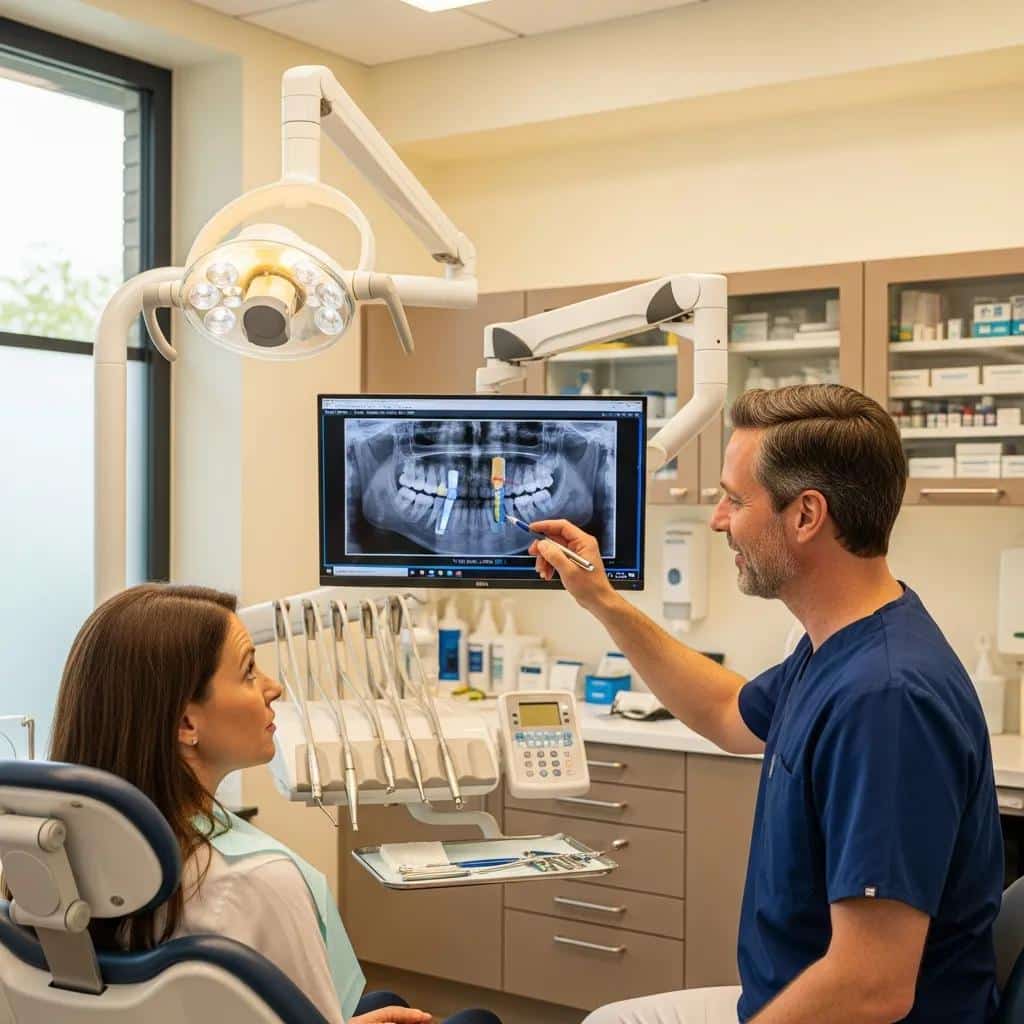
Dental professionals typically perform clinical examinations that include visual inspections, probing around the implant site, and checking for mobility. Imaging techniques, such as periapical and panoramic X-rays, and sometimes cone-beam computed tomography (CBCT) scans, provide detailed insights into the bone structure and the implant’s position. These diagnostic tools are essential for identifying issues that may not be visible during a standard examination.
How Does Diagnosis Inform Treatment Planning?
Accurate diagnosis is crucial for effective treatment planning. Understanding the specific cause of failure allows dental professionals to tailor their approach, whether it involves removal, replacement, or other interventions. A comprehensive assessment ensures that patients receive the most appropriate care for their situation.
What Are the Effective Treatment Options for Failed Dental Implants?
When dental implants fail, several treatment options are available to address the issue. The choice of treatment depends on the specific circumstances surrounding the failure.
When Is Implant Removal and Replacement Necessary?
In cases where the implant has failed due to severe infection, peri-implantitis, or lack of osseointegration, removal and replacement may be necessary. This process involves carefully extracting the failed implant and allowing the area to heal before placing a new implant. Patients should discuss the timing and implications of this procedure with their dentist to ensure a successful outcome.
How Do Bone Grafting and Peri-implantitis Treatments Work?
Bone grafting may be required if there is insufficient bone density or volume to support a new implant. This procedure involves transplanting bone tissue or bone substitutes to strengthen the jawbone. Additionally, treatments for peri-implantitis may include mechanical debridement (deep cleaning), use of antiseptics, antibiotics, and sometimes surgical intervention to address infection and inflammation. These interventions are crucial for restoring the health of the implant site and improving the chances of success for future implants.
Research continues to explore and compare the efficacy of various non-surgical approaches for managing peri-implant disease, highlighting the importance of effective treatment strategies.
Non-Surgical Therapies for Peri-Implant Disease
This network meta-analysis aims to compare the clinical efficacy of seven non-surgical therapies for peri-implant disease, including laser treatment, photobiomodulation therapy (PBMT), photodynamic therapy (PDT), systemic antibiotics (SA), probiotics, local antimicrobials (LA), and air-powder polishing (APP) combined with mechanical debridement (MD).
Comparison of the efficacy of seven non-surgical methods combined with mechanical debridement in peri-implantitis and peri-implant mucositis: A network meta …, 2024
What Alternatives Exist When Re-implantation Isn’t Possible?
In some cases, re-implantation may not be feasible due to extensive bone loss, medical contraindications, or other complications. Fortunately, several alternatives can provide effective solutions for tooth replacement.
How Do Dentures and Dental Bridges Serve as Replacement Options?
Dentures and dental bridges are viable alternatives for individuals who cannot undergo re-implantation. Dentures offer a removable solution for multiple missing teeth, while dental bridges can replace one or more adjacent missing teeth by anchoring to neighboring teeth. Both options can restore functionality and aesthetics, allowing patients to regain their confidence.
What Are the Benefits and Limitations of Alternative Restorations?
While dentures and bridges provide effective solutions, they come with their own set of benefits and limitations. Dentures are less invasive and can be more affordable, but they may require periodic adjustments and can affect speech or comfort. Bridges offer a more permanent solution but depend on the health and integrity of adjacent teeth, which may require modification. Patients should consult their dentist to determine the best option based on their individual needs and circumstances.
How Can Patients Prevent Future Dental Implant Failures?
Preventing future dental implant failures involves adopting good oral hygiene practices and making lifestyle changes that support dental health.
What Oral Hygiene Practices Reduce Risk?
Maintaining excellent oral hygiene is crucial for the longevity of dental implants. Patients should brush twice daily with a soft-bristled toothbrush, floss or use interdental brushes around implants, and consider antibacterial mouthwash to reduce the risk of infection. Regular dental check-ups and professional cleanings are also essential for monitoring the health of the implant and surrounding tissues.
How Do Lifestyle Changes and Regular Check-ups Help?
Lifestyle changes, such as quitting smoking, controlling systemic conditions like diabetes, and maintaining a balanced diet, can significantly impact the success of dental implants. Regular dental check-ups allow for early detection of potential issues, ensuring timely intervention and care. By prioritizing oral health, patients can enhance the longevity of their dental implants.
What Are the Costs and Financing Options for Dental Implant Failure Treatment in Mansfield?
Understanding the costs associated with dental implant failure treatment is essential for patients considering their options. Various financing options can help make treatment more accessible.
How Affordable Are Treatments with Free Consultations and PPO Insurance?
Many dental practices, including Dentist In Mansfield, offer free consultations to discuss treatment options and costs. Patients with PPO insurance may find that their plans cover a portion of the treatment, making it more affordable. It is advisable to check with the dental office regarding specific insurance coverage and payment options.
What Flexible Payment Plans Does Dentist In Mansfield Offer?
Dentist In Mansfield provides flexible payment plans to accommodate various budgets. These plans can help patients manage the costs of treatment without compromising their dental health. Discussing financial options with the dental office can provide clarity and ease the burden of unexpected expenses.
Why Choose Dentist In Mansfield for Dental Implant Failure Solutions?
Choosing the right dental practice for implant failure solutions is crucial for achieving the best outcomes. Dentist In Mansfield stands out for its patient-centric approach and advanced technology.
What Expertise Does Dr. Elvis Le Bring to Implant Failure Care?
Dr. Elvis Le brings extensive expertise in dental implants and restoration procedures. His commitment to patient care ensures that each individual receives personalized treatment tailored to their specific needs. Patients can trust in his experience and dedication to achieving optimal results.
How Does the Practice Ensure Patient Comfort and Advanced Technology?
Dentist In Mansfield emphasizes patient comfort through a relaxing, spa-like environment. The practice utilizes advanced technology to enhance treatment outcomes, ensuring that patients receive the highest standard of care. This combination of expertise and technology makes Dentist In Mansfield a top choice for those facing dental implant failures.