Schedule your child’s first dental visit within 6 months of the first tooth appearing and no later than 12 months of age; the dentist will decide whether a cleaning is needed at that visit. In 2026, the practical rule is to book the early exam rather than wait for a full set of teeth or assume every baby needs an adult-style cleaning.
TL;DR
When should a child get their first dental cleaning? Start with a dental visit by the first birthday.
The American Academy of Pediatric Dentistry recommends a visit within 6 months of the first tooth, no later than 12 months.
A first dental visit includes an exam; professional cleaning depends on your child’s teeth and needs.
Affordable Dentist Near Me provides family dental care in Fort Worth, Dallas, Houston, Waco, Grand Prairie and Crowley.
Why this matters
The first dental visit is about preventing problems, not just polishing teeth. Baby teeth can develop cavities, and decay does not need to hurt before a dentist can find it. An early exam also gives you specific advice about brushing, feeding habits and fluoride.
The American Academy of Pediatric Dentistry and American Dental Association recommend establishing dental care by the first birthday. For a broader look at what early visits involve, read the pediatric dental care for young children guide.
For parents planning care in 2026, separate two decisions: when to start dental visits and when a professional cleaning is necessary. The first has an age-based deadline. The second depends on the dentist’s assessment.
When should a child get their first dental cleaning?
Arrange the first visit within 6 months of the first tooth coming in, and by 12 months of age at the latest. These are the American Academy of Pediatric Dentistry’s first-visit recommendations for infants, not a requirement that every child receive the same cleaning procedure.
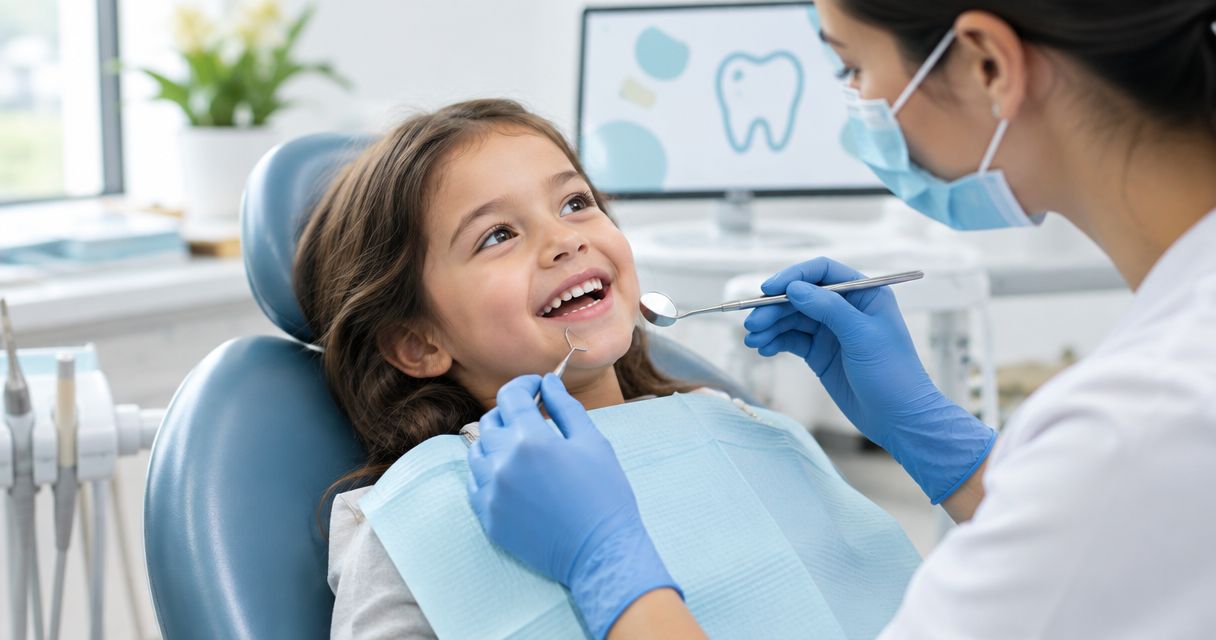
At that appointment, the dentist examines the teeth and gums and decides what care is appropriate. A baby with only a few teeth needs a different approach from an older child with visible plaque or hardened buildup.
Your child’s situation
What to do
What the visit addresses
The first tooth has appeared
Schedule a visit within 6 months, without passing the first birthday
Tooth development, cavity risk and home care
Your child is approaching 12 months without a dental visit
Schedule the first appointment
An oral exam and a plan for ongoing care
Your older child has never seen a dentist
Book a first visit now
An exam and cleaning based on current needs
Your child has tooth pain, swelling or an injury
Request prompt assessment rather than a routine cleaning
The cause of the symptoms and necessary treatment
Do not postpone the first exam until your child can sit through a complete cleaning. The dentist can still assess an infant’s mouth and help you establish a brushing routine.
If your child is already past the recommended age, focus on the next step rather than the missed deadline. Tell the office this is the first visit and describe any symptoms when you book.
First visit: by 12 months of age
An infant’s first appointment usually centers on an examination and parent guidance. The dentist checks the mouth, looks for early signs of decay and discusses habits that affect the teeth. Ask how to clean the teeth that have already appeared.
You can also discuss bottles, breastfeeding, snacks and fluoride exposure without guessing which habits need to change. Advice should reflect your child’s health, development and cavity risk, not a generic cleaning schedule.
An exam without extensive polishing is still useful dental care. Its benefit is early assessment and prevention; its limitation is that it does not replace treatment if the dentist finds decay or another problem.
Before the appointment, ask how the office handles infant examinations and parent participation. This gives you a clear picture of the visit without promising that every practice uses the same setup.
Older child’s first cleaning: book without further delay
If your toddler or school-age child has never had dental care, schedule an examination now. There is no benefit to waiting for another birthday, permanent teeth or a complaint of pain.
An older child’s visit can include removal of plaque and hardened deposits, followed by polishing when appropriate. The dentist or hygienist adjusts the approach to the child’s needs and ability to cooperate.
A professional cleaning helps remove deposits that home brushing has not removed. It does not repair a cavity or replace daily brushing. If decay is present, ask for a separate explanation of the treatment needed.
Tell the office about dental anxiety before the visit. Also mention sensory sensitivities, medical conditions and medicines so the dental team can plan an appropriate appointment.
Why the first cleaning varies
The first-visit deadline stays the same, but the cleaning itself is individualized. These factors help explain why two children of the same age do not necessarily receive identical care:
Teeth present: A child with only a few erupted teeth has different cleaning needs from a child with a full set of baby teeth.
Plaque and buildup: Soft plaque and hardened deposits affect what needs to be removed professionally.
Gum health: Bleeding, irritation or swelling needs assessment rather than an assumption that polishing will solve it.
Comfort and cooperation: The dental team adapts the visit to your child’s developmental needs and response to care.
Medical history: Health conditions and medicines can affect how the dentist plans care.
Ask what your child needs today and why. That question is more useful than asking whether every child of the same age gets the same cleaning.
For a first appointment in 2026, describe any concerns when scheduling rather than waiting until the child is already in the chair. The office can explain how it approaches the visit and what information to bring.
How do you prepare a child for their first dental cleaning?
Keep the preparation simple and truthful. Explain that the dental team will look at the teeth and help keep them healthy; avoid promising that a particular procedure will happen before the dentist has assessed your child.
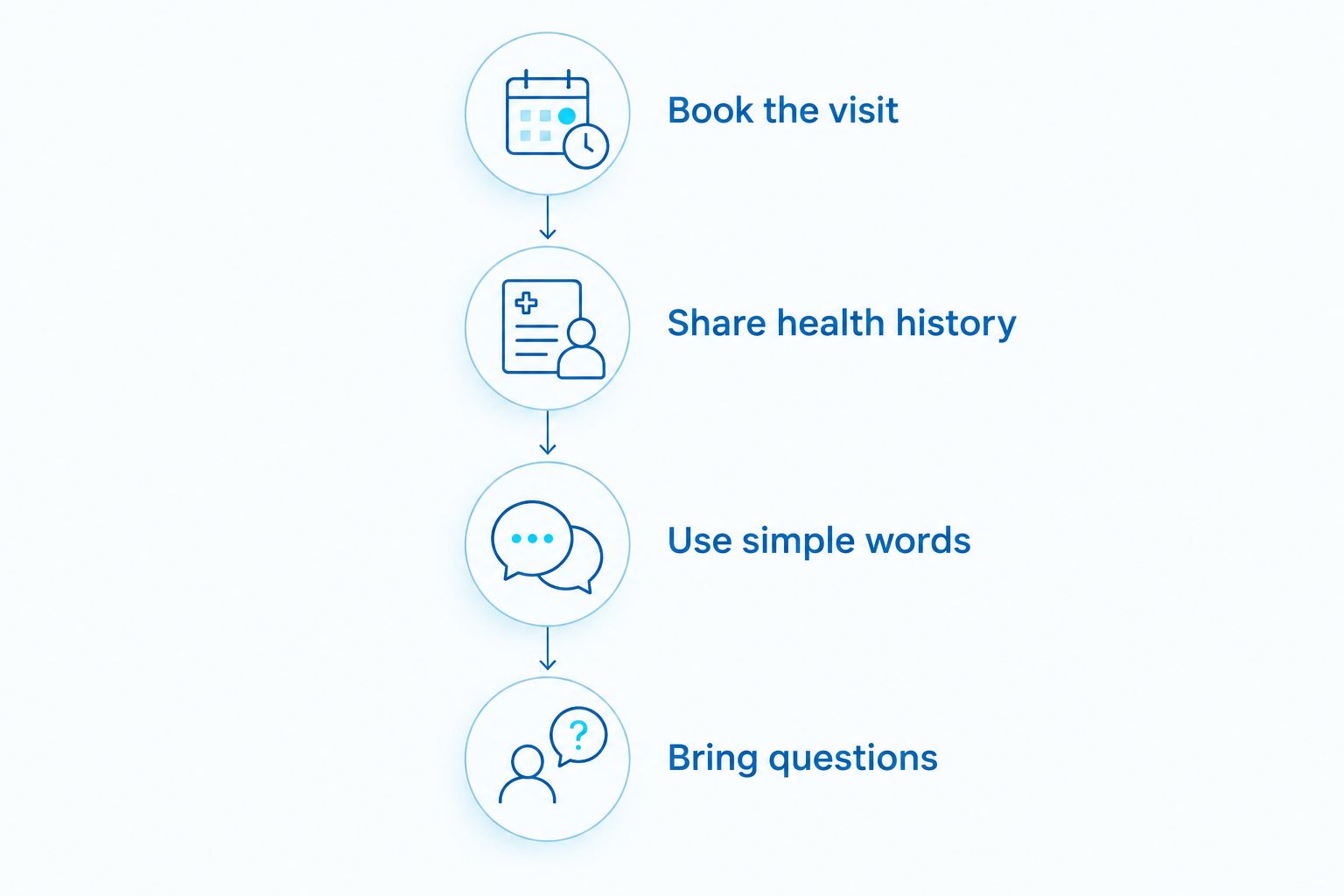
Book the visit. Explain your child’s age, whether teeth have appeared and whether this is the first dental appointment. Mention pain or swelling immediately.
Share health history. Bring information about medicines, allergies and relevant medical conditions. Tell the office about sensory needs or previous difficult healthcare visits.
Use simple words. Describe looking at teeth and cleaning them gently. Avoid frightening stories or language that frames the appointment as punishment.
Bring questions. Ask about brushing, toothpaste, feeding habits and the next visit. Write down the answers if you need help remembering the plan.
Tell the office about symptoms and health needs before the appointment.
Choose an appointment that fits your child’s usual routine when scheduling permits. Bring a familiar comfort item if the office allows it, and ask what parent involvement looks like during the examination.
A child who cries or needs breaks has not failed the visit. The goal is appropriate care and a workable plan, not completing an adult-style appointment at any cost.
What should you ask before agreeing to care?
Ask the office to distinguish the examination, cleaning, fluoride treatment and any recommended X-rays. These are separate parts of care, even when they happen during the same appointment.
For X-rays, ask what question the images will answer. The American Academy of Pediatric Dentistry bases imaging decisions on clinical findings, dental history and cavity risk—not simply on whether it is the child’s first appointment.
If you use insurance, ask the office and your insurer to explain the benefits that apply to your child. Do not assume that a cleaning benefit automatically includes every recommended service.
For a 2026 appointment, request an explanation of the proposed care before consenting. Understanding the purpose of each service helps you make an informed decision without confusing preventive care with treatment for an existing problem.
Is a family dentist appropriate for a child’s first visit?
A family dental practice is an option when it sees children of your child’s age and can meet their care needs. A pediatric dentist has additional training focused on children; that distinction matters when a child needs specialized support.
Option
Best for
Benefit
Limitation to consider
Family dentist
Families seeking dental care for different ages
A setting focused on general and family care
Confirm infant care and support for your child’s needs
Pediatric dentist
Children who need a child-focused specialist
Additional training in children’s dental care
You still need to confirm the practice’s approach and insurance participation
Affordable Dentist Near Me is a family dental care option for households in Fort Worth, Dallas, Houston, Waco, Grand Prairie and Crowley. Its stated services include general, family and cosmetic dentistry; ask the selected office whether it sees children of your child’s age and how it handles first visits.
You can review Affordable Dentist Near Me when choosing a local practice. Confirm the fit before booking, especially if your child needs specialist care, has significant anxiety or has a complex medical history.
Does a baby need a cleaning when only one tooth has appeared?
One tooth is enough to begin brushing and arrange the first dental visit. Whether that tooth needs professional cleaning depends on the examination; having only one tooth is not a reason to delay dental care past the recommended deadline.
The first appointment also helps you learn how to clean along the gumline and identify changes that deserve attention. Ask the dentist to demonstrate rather than relying only on verbal instructions.
How often should a child return after the first visit?
Every 6 months is a common recall interval, but the dentist should set the schedule for your child. Cavity risk and clinical findings can justify a different interval, and follow-up treatment is separate from a routine preventive visit.
Before leaving, ask when to return and what that appointment will include. Do not assume that every follow-up requires the same cleaning or X-rays.
Should you wait for a cleaning if your child has tooth pain?
Do not wait for a routine cleaning appointment when your child has tooth pain or swelling. Contact a dentist promptly and describe the symptoms so the office can assess the urgency.
Facial swelling with fever needs urgent assessment. Difficulty breathing or swallowing requires emergency medical care rather than waiting for a dental cleaning.
FAQ
When should my baby have their first dental cleaning?
Schedule the first dental visit within 6 months of the first tooth appearing and no later than 12 months of age. The dentist decides whether professional cleaning is needed at that appointment.
Should I wait until my child has all their baby teeth?
No, you should not wait for all the baby teeth before scheduling dental care. The first visit belongs within 6 months of the first tooth appearing and by the first birthday.
Does a first dental visit always include polishing?
No, a first dental visit does not always require polishing. The dentist examines the mouth and selects cleaning and preventive care based on the child’s needs.
What if my child is already older than 12 months?
Book the first dental visit now if your child is older than 12 months and has not seen a dentist. Tell the office about pain, visible tooth changes, anxiety and relevant health conditions when scheduling.
How much toothpaste should I use for a young child?
Use a rice-grain-sized smear of fluoride toothpaste for children younger than 3 years and a pea-sized amount for children ages 3–6 years. Brush twice daily, supervise brushing and encourage spitting when the child can do so.
Does my child need X-rays at the first cleaning?
A first cleaning does not automatically require X-rays. The dentist recommends imaging according to clinical findings, dental history and cavity risk.
Can Affordable Dentist Near Me provide family dental care?
Affordable Dentist Near Me provides general and family dental care in Fort Worth, Dallas, Houston, Waco, Grand Prairie and Crowley. Ask your selected office whether it sees children of your child’s age and can meet their specific needs.
One last thing
Ask for a brushing demonstration before you leave. Watching the dental team show you how to reach your child’s teeth gives you a practical skill to use between appointments.
For your child’s first visit in 2026, the most useful outcome is a clear plan: what care is needed now, how to brush at home and when to return. A polished smile alone does not answer those questions.