Where to Get the Best Dental Implants in Fort Worth: Your Complete Guide to Top Implant Providers
Dental implants deliver a permanent foundation for missing teeth in Fort Worth by integrating biocompatible posts with the jawbone to restore chewing ability, preserve bone health, and enhance your smile. Whether you need a single tooth replacement or a full-arch restoration, this guide explains exactly what implants are, outlines the top specialists, compares implant types, breaks down costs and financing, and maps out every procedural step. You’ll also discover patient success stories, supporting treatments like bone grafting and sedation dentistry, and options for same-day implants—all tailored to Fort Worth’s leading providers.
What Are Dental Implants and Why Choose Them in Fort Worth?
Dental implants are artificial tooth roots made from materials such as titanium or zirconia that anchor crowns or bridges to the jawbone, improving stability and oral health in Fort Worth patients. Understanding implant basics, benefits over dentures and bridges, and the critical osseointegration process ensures you can choose the most reliable solution for lasting results.
What Are Dental Implants and How Do They Work?
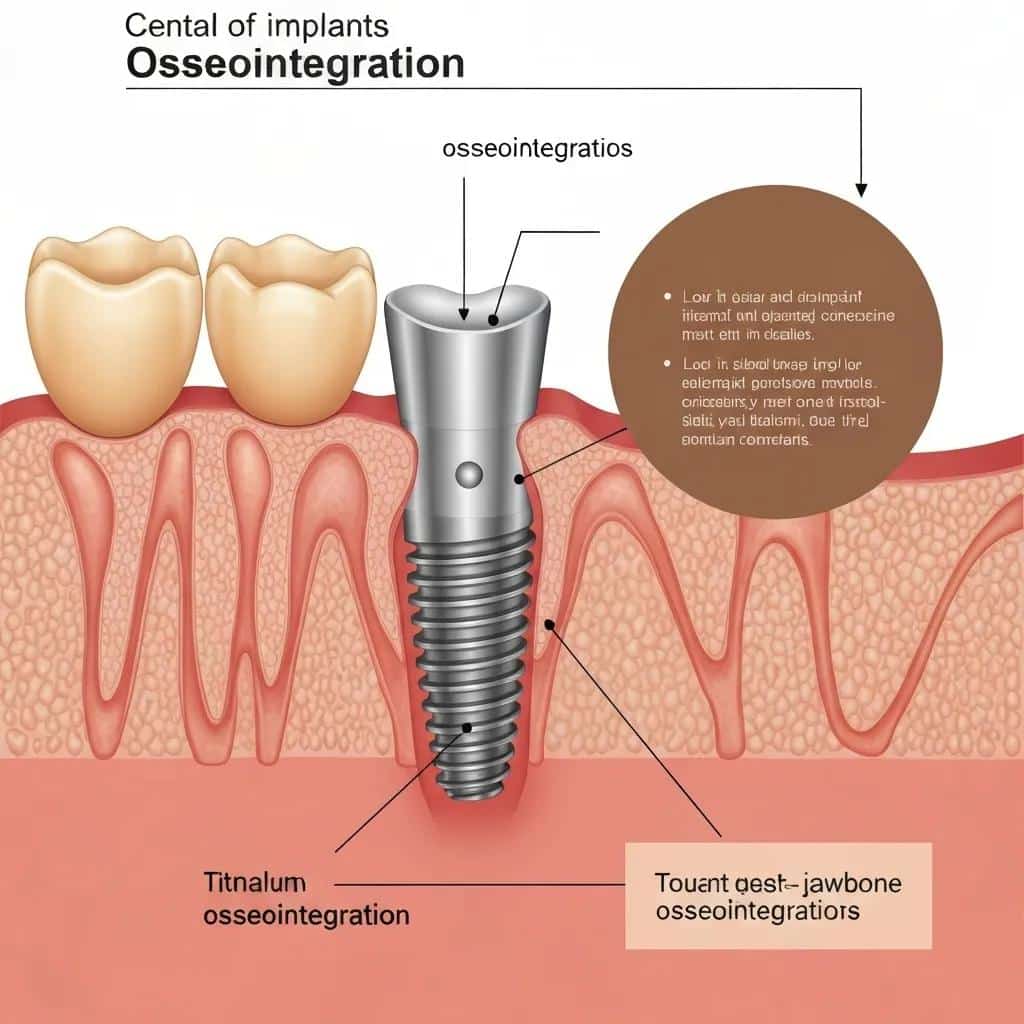
Dental implants are biocompatible posts surgically inserted into the jawbone to function as tooth roots that support crowns or dentures.
The implant post integrates with bone through osseointegration, creating a stable anchor that withstands chewing forces.
For example, a single implant restored with a porcelain crown looks and feels like a natural tooth, boosting confidence and bite strength while preventing bone loss.
This foundational mechanism leads directly to understanding why implants outperform dentures and bridges in function and longevity.
What Are the Benefits of Dental Implants Compared to Dentures and Bridges?
Dental implants provide unmatched stability, preventing shifting and improving chewing efficiency compared to removable dentures and fixed bridges.
Jawbone Preservation – Implants stimulate the ridge to prevent bone resorption.
Long-Term Durability – High-quality implants last decades with proper care.
Natural Aesthetics – Crowns match adjacent teeth in shape and shade.
Enhanced Function – Bite force restores up to 70–80% of natural chewing ability.
No Impact on Adjacent Teeth – Unlike bridges, implants don’t require grinding healthy crowns.
Implants’ ability to preserve bone and mimic natural tooth function makes them the superior choice for Fort Worth patients seeking a lasting solution.
Benefits of Dental Implants
Dental implants offer significant advantages over dentures and bridges, including jawbone preservation, long-term durability, and enhanced chewing ability. Implants stimulate the jawbone, preventing bone loss, and can last for decades with proper care, providing a superior solution for missing teeth.
American Dental Association
This information reinforces the article’s comparison of dental implants to other tooth replacement options, emphasizing their benefits.
How Does Osseointegration Ensure Dental Implant Success?
Osseointegration is the biological fusion of implant material with living bone, creating a rigid bond that secures the implant post against micromovement and failure.
Titanium or zirconia posts develop microscopic threads that bone cells colonize, fostering mechanical stability.
In practice, this process underpins the approximately 90–95 percent success rate reported by the American Academy of Implant Dentistry, ensuring implants perform like natural roots under functional loads.
Osseointegration Success Rates
The American Academy of Implant Dentistry reports a 90–95% success rate for dental implants, highlighting the reliability of osseointegration. This process is crucial for the long-term stability and functionality of implants, ensuring they perform like natural teeth.
American Academy of Implant Dentistry
This statistic supports the article’s emphasis on the importance of osseointegration for successful implant outcomes.
Reliable osseointegration sets the stage for implant-supported restorations, guiding specialist teams in Fort Worth to plan healing protocols that maximize stability.
Who Are the Best Dental Implant Specialists in Fort Worth?
Fort Worth’s leading implant providers combine specialized credentials, cutting-edge digital workflows, and local clinic accessibility to deliver predictable, comfortable outcomes. Selecting the right professional ensures precision from diagnosis through final restoration.
What Qualifications and Expertise Should You Look for in Fort Worth Implant Dentists?
Board certification in prosthodontics or oral and maxillofacial surgery, advanced implantology training, and documented success in complex cases define top Fort Worth implant specialists.
Completed fellowship or residency in implant surgery or prosthetic reconstruction
Regular membership in professional bodies such as AAID or ADA
Experience with both surgical placement and prosthetic phases
Published case studies or peer-reviewed presentations
Such rigorous training and expertise guarantee that your implant treatment benefits from proven protocols and personalized care.
How Do Fort Worth Specialists Use Advanced Technology for Better Implant Outcomes?
Leading Fort Worth practices employ 3D cone beam CT imaging, computer-guided implant surgery, and digital intraoral scanners to plan and execute every phase with exceptional accuracy.
3D CBCT Scans capture bone volume and nerve pathways for risk-free placement.
Guided Surgery Templates translate virtual plans into precise surgical guides.
Digital Impressions eliminate bulky trays and deliver ultra-accurate prosthetic designs.
In-House Milling Labs fabricate custom abutments and crowns on-site for faster turnaround.
These technologies promote minimally invasive protocols, reduce surgical time, and improve prosthetic fit, fostering faster healing and higher patient satisfaction.
Where Are the Top-Rated Dental Implant Clinics Located in Fort Worth?
Fort Worth’s premier implant centers span key neighborhoods, ensuring easy access no matter where you live:
Downtown/Cultural District – Central location for business professionals seeking advanced implant care.
Southlake Corridor – Convenient for Tarrant County residents in a family-oriented setting.
West 7th Street – Innovative practices with digital dentistry labs and sedation suites.
North Fort Worth – High-volume implant specialists with on-site imaging and financing assistance.
Each location offers free parking, comfortable sedation options, and dedicated implant coordinators who guide patients through every step.
What Types of Dental Implants Are Available in Fort Worth?
Fort Worth practices offer a spectrum of implant solutions—from single-tooth replacements to full-arch reconstructions—tailored to bone quantity, aesthetic goals, and budget considerations.
What Are Single Tooth and Multiple Dental Implants?
Single-tooth implants replace one missing tooth with a post, abutment, and crown, while multiple implants can support bridges without relying on adjacent teeth.
Single implants restore chewing and speech for isolated gaps, and implant-supported bridges restore two or more missing teeth with fewer posts.
In both cases, implants preserve bone and eliminate the need to alter healthy neighbors, ensuring efficient restoration.
These core implant types pave the way for full-arch protocols like All-on-4 when more extensive tooth loss is involved.
How Do All-on-4 Dental Implants Work for Full Arch Restoration?
All-on-4 implants use four strategically angled posts to support a complete fixed prosthesis, allowing patients to leave the office with temporary teeth on the same day.
Strategic placement of two posterior tilted implants and two vertical anterior implants
Attachment of a provisional acrylic bridge on surgery day
Healing period of 3–6 months for osseointegration
Final conversion to a high-density resin or porcelain hybrid prosthesis
This streamlined protocol minimizes grafting in many cases and restores smile function and aesthetics within 24 hours.
What Are Full Mouth Dental Implants and Implant-Supported Dentures?
Full mouth dental implants involve placing 6–8 implants per arch to support screw-retained or snap-on dentures for maximum stability.
Implant-supported dentures anchor to multiple posts, eliminating slipping and improving bite force over conventional dentures.
Patients experience renewed confidence in both function—chewing tougher foods—and smile appearance, with maintenance similar to natural teeth.
These comprehensive solutions suit patients with extensive edentulism seeking permanent, non-removable prosthetics.
What Are Mini Dental Implants and When Are They Recommended?
Mini dental implants are narrower posts (typically 1.8–3.0 mm diameter) used when jawbone width is limited or to stabilize lower dentures.
Their less invasive placement avoids bone grafting and offers quicker healing in compromised sites.
Ideal for denture wearers needing improved retention or patients unwilling to undergo extensive surgery, mini implants support snap-on overdentures with minimal downtime.
Mini implants extend implant benefits to patients who might otherwise be ineligible for standard posts.
How Much Do Dental Implants Cost in Fort Worth and What Financing Options Are Available?
Implant fees in Fort Worth reflect factors such as materials, surgical complexity, and specialist expertise—and flexible payment plans help make treatment accessible.
What Factors Influence the Cost of Dental Implants in Fort Worth?
Several key factors determine your investment in dental implants:
Number of Implants – Single posts versus full-arch protocols
Material Selection – Titanium versus zirconia
Bone Grafting Requirements – Autograft or synthetic augmentation
Specialist Fees – Board-certified surgeons or prosthodontists
Advanced Technology – Guided surgery and in-house milling
Laboratory Components – Custom abutments and high-grade prosthetics
Each attribute adds precision and longevity, supporting the high success rates that define Fort Worth’s best implant providers.
What Is the Average Price Range for Single, All-on-4, and Full Mouth Implants?
Below is an estimated cost breakdown for common implant treatments in Fort Worth:
Implant Type
Estimated Cost (USD)
Typical Scope
Single Dental Implant
$3,000 – $5,000
Single post, abutment, porcelain crown
All-on-4 Full Arch
$20,000 – $30,000
Four implants supporting hybrid bridge
Full Mouth (6–8 Implants/arch)
$30,000 – $50,000
Multiple posts for denture retention
What Financing Plans and Insurance Coverage Can Help with Dental Implant Costs?
Fort Worth practices partner with major financing providers like CareCredit and offer in-house payment plans to spread cost over 6–24 months. Many PPO dental insurance plans cover a percentage of implant surgery and prosthetic fees, while Medicare Advantage plans generally do not cover implants except in limited cases. Patients can also use Health Savings Accounts (HSA) or Flexible Spending Accounts (FSA) to pay for qualified implant expenses tax-free.
Flexible payment solutions ensure that quality implant care remains within reach for Fort Worth families.
What Is the Dental Implant Procedure Like in Fort Worth?
Fort Worth’s leading clinics streamline every procedural phase—from consultation to final restoration—through coordinated, technology-driven workflows that prioritize patient comfort.
What Happens During the Initial Consultation and Treatment Planning?
During the initial consultation, specialists perform a thorough oral exam, review medical history, capture 3D CBCT scans, and discuss aesthetic goals to craft a personalized implant roadmap.
Digital treatment planning software overlays anatomy with prosthetic design, ensuring exact implant angulation and crown positioning.
This detailed planning phase sets clear expectations for timeline, cost, and outcomes, preparing you for a seamless surgical experience.
Comprehensive planning bridges diagnosis and execution, enabling precise implant placement under sedation if desired.
How Is the Dental Implant Surgery Performed by Fort Worth Specialists?
Implant surgery begins with local anesthesia or conscious sedation, followed by creating a small incision in the gum to expose the jawbone for post insertion.
Specialized drills prepare the osteotomy site, after which titanium or zirconia implants are placed to exact depth and torque specifications.
A healing cap covers each post before suturing the tissue, minimizing discomfort and promoting efficient osseointegration.
This minimally invasive protocol, combined with sedation dentistry options, supports a relaxed experience tailored to each patient’s needs.
What Is the Healing Process and Timeline for Osseointegration?
After implant placement, the jawbone begins fusing with the post over three to six months, forming a stable biological bond.
Weeks 1–2: Soft-tissue healing and suture removal
Months 1–3: Bone remodeling and primary osseointegration
Months 3–6: Secondary bone maturation and load bearing readiness
Routine follow-up visits monitor healing progress with radiographs, ensuring the posts achieve optimal stability before proceeding to prosthetic attachment.
Consistent healing delivers the reliable foundation that makes dental implants superior to other restorations.
How Are Abutments and Prosthetics Attached After Healing?
Once osseointegration is confirmed, specialists replace healing caps with abutments—connectors that support crowns, bridges, or dentures—then capture final digital impressions for prosthetic design.
Custom abutments align the restorative platform, and lab-fabricated crowns or bridges are secured with specialized screws or dental cement.
Final adjustments ensure proper bite, esthetics, and hygiene access, completing the restoration with natural appearance and function.
This precise abutment and prosthetic phase restores a full smile and enables normal chewing, speech, and confidence.
What Post-Operative Care Is Recommended for Dental Implant Patients?
Post-operative care includes gentle brushing around implant sites, rinsing with saline or chlorhexidine, maintaining a soft diet for 1–2 weeks, and avoiding smoking to support healing.
Over-the-counter analgesics or prescribed medications control discomfort, while follow-up visits at one week and one month assess tissue health.
Adhering to oral hygiene instructions and attending scheduled maintenance appointments helps sustain implant success for decades.
Proper aftercare protects your investment and ensures long-term stability of Fort Worth dental implants.
What Do Patients Say About Their Dental Implant Experience in Fort Worth?
Patient feedback reflects the transformative impact of implants on daily life, highlighting improved function and self-esteem that reinforce the value of expert Fort Worth providers.
Where Can You Find Verified Patient Testimonials and Success Stories?
Verified reviews appear on clinic websites, Healthgrades, Google My Business, and patient success galleries that showcase before-and-after photos and detailed treatment narratives.
Third-party platforms validate credentials and ratings, while published case studies in dental journals illustrate complex full-arch rehabilitations.
These firsthand accounts confirm consistent outcomes and high satisfaction among Fort Worth implant recipients.
Real patient voices help prospective candidates feel confident in choosing specialized implant teams.
How Have Dental Implants Improved Quality of Life for Fort Worth Patients?
Dental implants enhance quality of life by restoring up to 70–80 percent of natural bite force, improving nutritional choices and digestion.
Patients report renewed confidence in social settings, seamless speech without slippage, and relief from denture-related soreness.
Positive changes extend to facial support, reducing wrinkles and preserving youthful contours often lost with bone resorption.
Such life-changing benefits illustrate why dental implants remain the premier tooth replacement solution in Fort Worth.
What Additional Treatments Support Successful Dental Implants in Fort Worth?
Complementary procedures like bone grafting and sedation dentistry refine implant outcomes, while material selection ensures optimal compatibility and aesthetics.
When Is Bone Grafting Necessary for Dental Implant Placement?
Bone grafting is required when jawbone height or width is insufficient to stabilize implant posts, using autografts, allografts, or synthetic materials to rebuild the ridge.
Autograft uses the patient’s own tissue for maximum osteogenic potential
Allograft employs donor bone with proven safety and remodeling capacity
Xenograft/Synthetic offers mineral scaffolds for gradual bone deposition
Grafting restores structural support and prepares sites for predictable osseointegration in challenging cases.
How Does Sedation Dentistry Enhance Patient Comfort During Implant Procedures?
Sedation dentistry offers graduated relaxation options—from oral anxiolytics and nitrous oxide to IV sedation—to eliminate fear and discomfort during surgical visits.
Each level is administered by trained clinicians with continuous monitoring of vital signs, ensuring safety throughout implant placement.
By reducing stress, sedation facilitates smoother procedures, faster healing, and a positive experience that encourages timely treatment completion.
Comfort-focused care supports patients who might otherwise delay or avoid life-improving implant therapy.
What Are the Differences Between Titanium and Zirconia Implants?
Material
Characteristic
Advantage
Titanium
High strength, long history of use
Proven durability and bone integration
Zirconia
Ceramic composition, white color
Metal-free option with superior aesthetics
Both
Biocompatible surface textures
Promote osseointegration and tissue health
Where Can You Get Same-Day Dental Implants in Fort Worth?
Immediate load implants allow provisional teeth on surgery day, accelerating your path to a confident smile without waiting months for restoration.
What Are Same-Day or Immediate Load Dental Implants?
Same-day implants involve placing temporary crowns or bridges on implant posts within 24 hours of surgery, enabling immediate function and appearance.
This protocol relies on strict case selection, primary implant stability of at least 35 Ncm torque, and a well-designed provisional prosthesis to protect surgical sites.
Patients leave the office with a new smile and transition to final restorations after osseointegration, reducing total treatment time significantly.
Who Qualifies for Same-Day Dental Implants in Fort Worth?
Candidates for same-day implants must exhibit healthy gum tissue, sufficient bone density, controlled systemic health, and commitment to follow-up care.
Adequate bone volume or minor grafting
No active periodontal disease
Non-smoker or willingness to cease smoking during healing
Absence of uncontrolled diabetes or immune disorders
Meeting these criteria ensures the high primary stability needed to support provisional restorations without compromising osseointegration.
What Are the Benefits and Risks of Same-Day Implant Procedures?
Same-day implants provide immediate esthetics, quicker functional recovery, and reduced surgical appointments, but they carry a slightly higher implant failure risk if primary stability is insufficient.
Benefit: Instant smile restoration and confidence boost
Benefit: Shortened treatment timeline and fewer surgical visits
Benefit: Improved patient satisfaction with rapid results
Risk: Elevated micromovement risk can affect osseointegration
Risk: Requires strict patient compliance and precise surgical technique
Fort Worth specialists mitigate risks through rigorous planning, guided surgery, and provisional prosthetic design, making immediate load implants a reliable choice for qualified patients.
Dental implant care in Fort Worth combines specialized expertise, advanced digital workflows, and patient-focused protocols to deliver predictable, long-lasting results. Whether you require a single tooth, a full-arch restoration, or same-day implant solutions, leading Fort Worth providers offer transparent pricing, flexible financing, and comprehensive aftercare to support your journey to a restored smile. Reach out today to schedule your consultation and discover how implants can transform your oral health and confidence.