Why Choose Dental Implants for Long-Lasting Solutions: Durable, Affordable, and Permanent Tooth Replacement in Crowley
Dental implants have emerged as a leading solution for individuals seeking durable and long-lasting tooth replacement options. This article delves into the reasons why dental implants are considered a superior choice, particularly for those aged 40 to 60. Readers will learn about the benefits of dental implants, the technology behind their success, and how they compare to other tooth replacement options. Many people struggle with the discomfort and inconvenience of traditional dentures or bridges, and dental implants offer a permanent solution that enhances both functionality and aesthetics. We will explore the osseointegration process, the materials used, and the care required to maximize the lifespan of dental implants. Additionally, we will highlight the expertise available at Affordable Dentist Near Me – Crowley, ensuring a seamless experience for patients.
What Makes Dental Implants a Long-Lasting Solution?
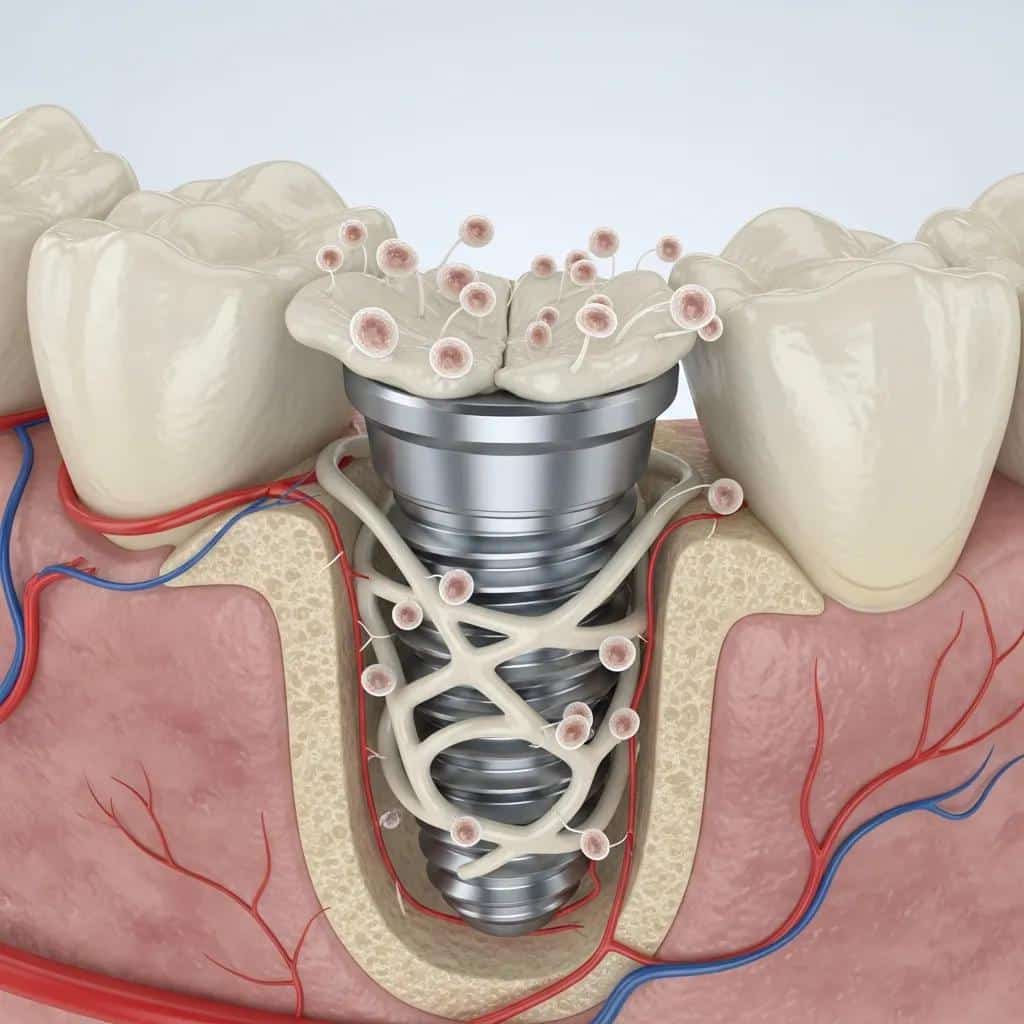
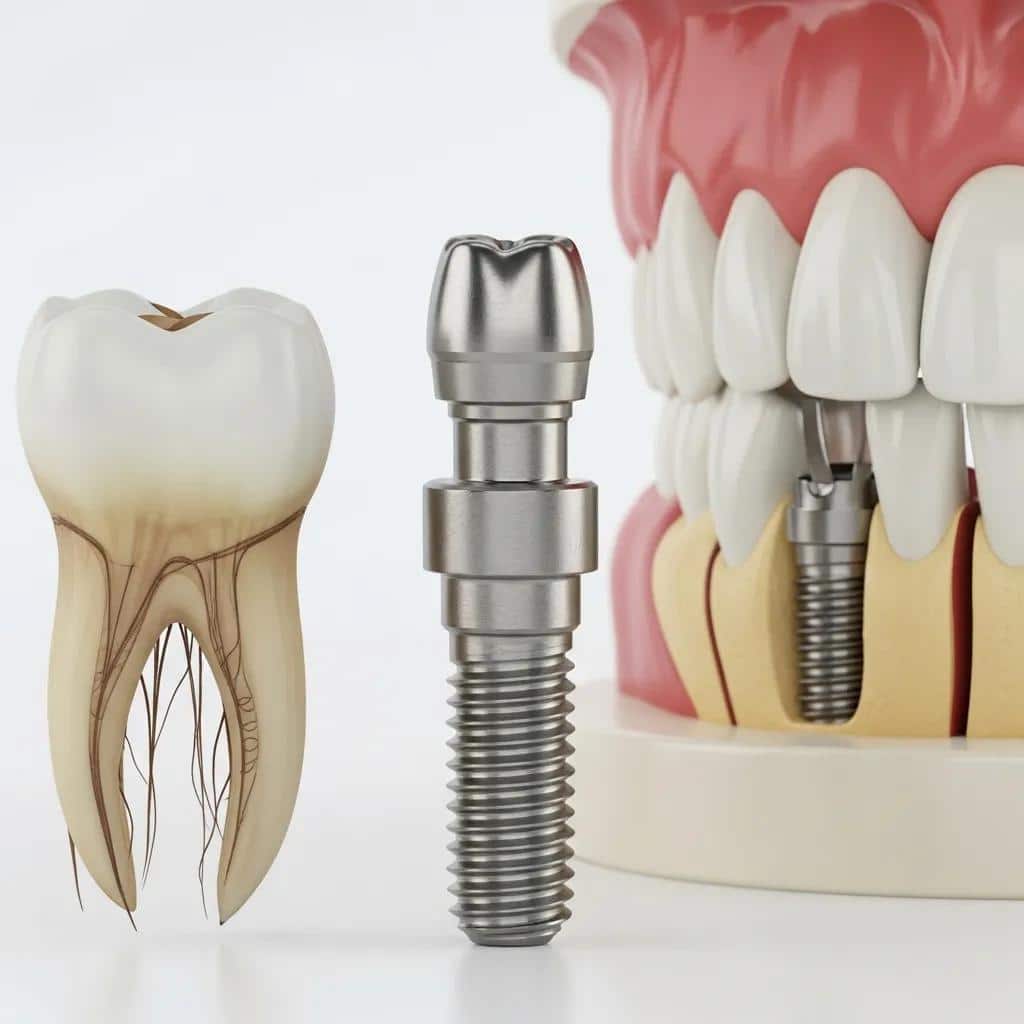
Dental implants are renowned for their durability and stability, making them a preferred choice for tooth replacement. The longevity of dental implants is primarily attributed to the osseointegration process, where the implant fuses with the jawbone, providing a strong foundation. This integration is crucial as it ensures that the implant remains securely anchored, mimicking the function of natural teeth. Furthermore, the use of high-quality materials, such as titanium or titanium alloys, enhances the implant’s resistance to wear and corrosion, contributing to its long-term success.
Understanding the underlying biomechanical principles is key to appreciating the long-term stability and success of dental implants.
Biomechanical Factors for Long-Term Dental Implant Stability
The aim of this study is to summarize various biomechanical aspects in evaluating the long-term stability of dental implants based on finite element method (FEM). By reviewing the titles and abstracts, 9 main categories were extracted and discussed as follows: implant materials, the focus of the study on bone or implant as well as the interface area, type of loading, element shape, parts of the model, boundary conditions, failure criteria, statistical analysis, and experimental tests performed to validate the results.
Biomechanical evaluations of the long-term stability of dental implant using finite element modeling method: a systematic review, SA Hosseini-Faradonbeh, 2022
How Does Osseointegration Ensure Implant Stability?
Osseointegration is the biological process through which dental implants become firmly attached to the jawbone. When a titanium implant is placed into the bone, it stimulates the surrounding bone cells to grow and attach to the implant surface. This process typically takes 3 to 6 months and is essential for the stability of the implant. The result is a robust connection that allows the implant to withstand the forces of chewing and biting, providing a reliable and durable solution for tooth loss.
Why Is Titanium the Preferred Material for Dental Implants?
Titanium is the material of choice for dental implants due to its exceptional biocompatibility and strength. Unlike other metals, titanium is highly resistant to corrosion and integrates well with bone tissue. This unique combination of properties ensures that titanium implants can endure the stresses of daily use while minimizing the risk of rejection by the body. Additionally, titanium’s lightweight nature makes it comfortable for patients, further enhancing the appeal of dental implants as a long-lasting solution.
What Are the Benefits of Long-Lasting Dental Implants for Patients Aged 40 to 60?
For individuals aged 40 to 60, dental implants offer several significant benefits that can greatly improve quality of life. These benefits include the restoration of chewing function, preservation of jawbone health, and enhancement of self-confidence. As people age, the loss of teeth can lead to difficulties in eating and speaking, which can affect overall health and well-being. Dental implants provide a stable and functional solution that allows patients to enjoy their favorite foods without discomfort.
How Do Dental Implants Restore Chewing Function and Confidence?
Dental implants effectively restore chewing function by providing a stable base for replacement teeth. Unlike dentures, which can slip or cause discomfort, implants remain securely in place, allowing patients to bite and chew with confidence. This restoration not only improves dietary choices but also enhances psychological well-being. Many patients report increased self-esteem and social confidence after receiving dental implants, as they no longer have to worry about the appearance or functionality of their teeth.
In What Ways Do Implants Preserve Jawbone Health and Appearance?
One of the critical advantages of dental implants is their ability to preserve jawbone health. When a tooth is lost, the underlying bone can begin to deteriorate due to lack of stimulation. Dental implants provide the necessary stimulation to the jawbone, preventing bone loss and maintaining facial structure. This preservation is essential for aesthetic reasons, as it helps retain the natural contours of the face, preventing the sunken appearance often associated with tooth loss.
How Can You Maximize the Lifespan of Your Dental Implants?
To ensure the longevity of dental implants, patients must adopt effective oral hygiene practices and maintain regular dental check-ups. Proper care not only enhances the lifespan of the implants but also contributes to overall oral health. By following recommended guidelines, patients can enjoy their dental implants for many years.
What Daily Oral Hygiene Practices Support Implant Durability?
Daily oral hygiene practices are crucial for the maintenance of dental implants. Patients should brush their teeth at least twice a day using a soft-bristled toothbrush and non-abrasive toothpaste. Flossing is equally important, as it helps remove plaque and food particles from around the implant and adjacent teeth. Additionally, using an antibacterial mouthwash can further reduce the risk of infection and promote gum health. Regularly scheduled dental cleanings and check-ups are also essential to monitor the health of the implants and surrounding tissues.
Why Are Regular Dental Check-Ups Essential for Implant Care?
Regular dental check-ups play a vital role in the care of dental implants. During these visits, dental professionals can assess the condition of the implants, check for any signs of complications, and perform professional cleanings. Early detection of potential issues, such as peri-implantitis or implant failure, can significantly improve treatment outcomes. Patients are encouraged to schedule check-ups at least twice a year to ensure their implants remain in optimal condition.
How Do Dental Implants Compare to Other Tooth Replacement Options in Durability?
When considering tooth replacement options, dental implants stand out for their durability compared to traditional solutions like bridges and dentures. Implants are designed to last for many years, often exceeding the lifespan of other options. Understanding these differences can help patients make informed decisions about their dental health.
What Are the Long-Term Stability Differences Between Implants and Bridges?
Dental implants offer superior long-term stability compared to bridges. While bridges rely on adjacent teeth for support, which can lead to additional wear and potential complications, implants are anchored directly into the jawbone. This independent support system allows implants to withstand greater forces and reduces the risk of future dental issues. Studies have shown that dental implants can last 10 to 30 years or longer with proper care, while bridges typically require replacement every 5 to 15 years.
Why Are Implants More Comfortable and Permanent Than Dentures?
Dental implants provide a level of comfort and permanence that dentures cannot match. Unlike dentures, which can shift or cause irritation, implants are securely anchored in place, allowing for a natural feel and function. Patients often report that implants feel more like their natural teeth, enhancing their overall experience. Additionally, the permanence of implants eliminates the need for messy adhesives or frequent adjustments, making them a more convenient option for long-term tooth replacement.
Why Choose Affordable Dentist Near Me – Crowley for Your Dental Implants?
Choosing the right dental provider is crucial for the success of your dental implant procedure. Affordable Dentist Near Me – Crowley offers a range of services designed to ensure a smooth and effective implant experience. With a focus on patient comfort and care, our team is dedicated to providing high-quality dental solutions.
What Expertise and Technology Ensure Precise Implant Placement?
At Affordable Dentist Near Me – Crowley, we utilize state-of-the-art technology and advanced techniques to ensure precise implant placement. Our team of experienced dental professionals employs advanced imaging techniques such as cone beam computed tomography (CBCT) to assess the jawbone structure and plan the implant procedure meticulously. This precision minimizes the risk of complications and enhances the overall success rate of the implants.
Further research highlights how these advanced technologies contribute to superior outcomes in dental implant procedures.
Advanced Technologies for Precise Dental Implant Placement
The availability of in office Cone Beam CT (CBCT) scanners, dental implant planning software, CAD CAM milling, and rapid printing technologies allow for the precise placement of dental implants and immediate prosthetic temporization. These technologies allow for flapless implant placement, or open flap bone reduction for “All on 4” techniques with improved preoperative planning and intraoperative performance. CBCT permits practitioners in an office setting with powerful diagnostic capabilities for the evaluation of bone quality and quantity, as well as dental and osseous pathology essential for better informed dental implant treatment. CBCT provides the convenience of in office imaging and decreased radiation exposure. Rapid printing technologies provide decreased time and highly accuracy for surgical drill guide fabrication and bone model fabrication.
Advanced dental implant placement techniques, A Greenberg, 2017
Beyond traditional planning, innovative approaches like augmented reality surgical navigation are further refining the accuracy of implant placement.
Enhanced Dental Implant Accuracy with AR Surgical Navigation
It is challenging to achieve high implant accuracy in dental implant placement, because high risk tissues need to be avoided. In this study, we present an augmented reality (AR) surgical navigation with an accurate cone beam computed tomography (CBCT)-patient registration method to provide clinically desired dental implant accuracy. AR-guided dental implant placement showed better results than the dentist’s experience (mean target error = 1.25 mm vs. 1.63 mm; mean angle error = 4.03° vs. 6.10°). Experimental results indicate that the proposed method is expected to be applied in the clinic.
Augmented reality surgical navigation with accurate CBCT-patient registration for dental implant placement, B Zhang, 2019
How Does Our Patient-Centered Care Enhance Your Implant Experience?
Our patient-centered care philosophy prioritizes your comfort and satisfaction throughout the implant process. From the initial consultation to post-operative follow-up, we provide personalized care plans tailored to your specific needs. Our team is committed to addressing any concerns and ensuring a positive experience, making your journey to a healthier smile as seamless as possible.
What Are the Success Rates and Expected Longevity of Dental Implants?
Dental implants boast impressive success rates, making them one of the most reliable options for tooth replacement. Understanding the factors that influence these rates can help patients feel more confident in their decision to pursue implants.
How Successful Are Dental Implants Over 10 to 25 Years?
Research indicates that dental implants have a success rate of approximately 90-95% over a 10-year period, with many lasting 25 years or more. Factors such as proper placement, patient health, and adherence to aftercare instructions significantly influence these outcomes. Patients who maintain good oral hygiene and attend regular dental check-ups are more likely to experience long-term success with their implants.
What Factors Influence Implant Failure and How Are Risks Minimized?
Several factors can contribute to implant failure, including poor oral hygiene, smoking, uncontrolled diabetes, and certain systemic health conditions. To minimize these risks, patients should follow their dentist’s recommendations for care and maintenance. Regular check-ups and cleanings are essential for monitoring implant health and addressing any potential issues before they escalate.
What Should You Know About the Dental Implant Procedure and Recovery?
Understanding the dental implant procedure and recovery process is essential for patients considering this treatment. Being informed can help alleviate anxiety and set realistic expectations.
What Is the Step-by-Step Process of Getting a Dental Implant?
Initial Consultation: A thorough examination and discussion of treatment options.
Implant Placement: The titanium implant is surgically placed into the jawbone.
Osseointegration: A healing period of 3 to 6 months for the implant to fuse with the bone.
Abutment Placement: An abutment is attached to the implant to support the crown.
Crown Placement: A custom-made crown is placed on the abutment, completing the restoration.
How Does Bone Grafting Support Implant Longevity When Needed?
In some cases, bone grafting may be necessary to ensure adequate bone density for implant placement. This procedure involves adding bone material to the jaw to create a stable foundation for the implant. Bone grafting can significantly enhance the success of the implant by providing the necessary support for osseointegration.
What Are Common Questions About Dental Implant Longevity and Care?
How Long Do Dental Implants Typically Last?
Dental implants are designed to be a long-term solution, with many lasting 10 to 30 years or more with proper care. Factors suchs as oral hygiene, lifestyle choices, and regular dental visits play a crucial role in determining the lifespan of the implants.
Are Dental Implants Worth the Cost Compared to Alternatives?
While dental implants may have a higher initial cost compared to dentures or bridges, they often prove to be more cost-effective in the long run. The durability and low maintenance requirements of implants can lead to significant savings over time, making them a worthwhile investment in oral health and quality of life.