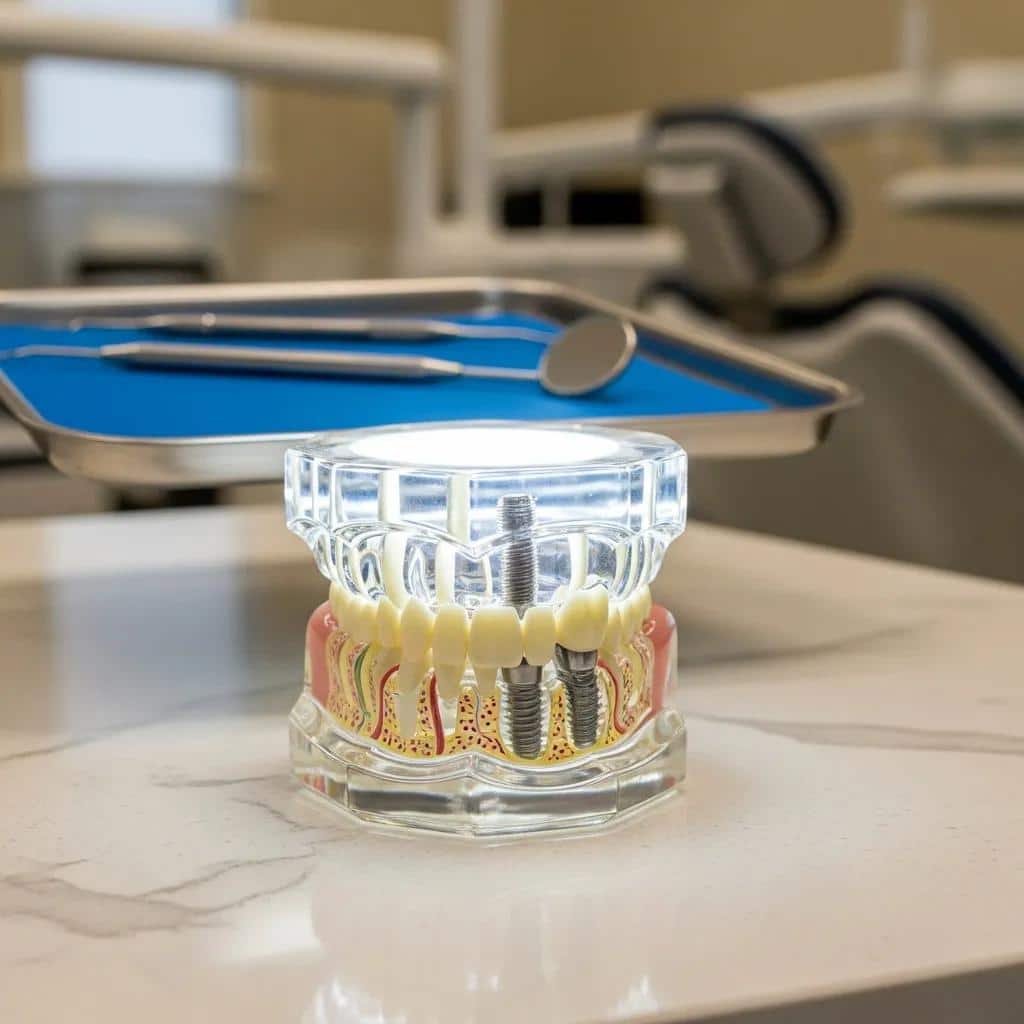
Why Dental Implant Healing Takes Time: Understanding Healing Duration and Recovery Process
Dental implants are a popular solution for tooth loss, providing a durable and natural-looking replacement. However, the healing process after dental implant surgery can be lengthy and varies from person to person. Understanding why dental implant healing takes time is crucial for patients to set realistic expectations and ensure a smooth recovery. This article will explore the typical healing duration, the stages of recovery, factors that influence healing speed, and how proper aftercare can enhance the recovery process. By the end, readers will have a comprehensive understanding of what to expect during their dental implant journey.
For those considering dental implants or seeking expert dental care, finding a trusted local provider is essential. Many patients look for a dental office in Dallas to begin their journey.
What Is the Typical Dental Implant Healing Time?
The typical healing time for dental implants can vary significantly based on several factors, including the patient’s health and the complexity of the procedure. Generally, the healing process can take anywhere from three to six months. This duration includes the time required for osseointegration, where the implant fuses with the jawbone, and the subsequent soft tissue healing. Following your dentist’s advice during this period is essential to ensure optimal healing and success of the implant.
How Long Does Osseointegration Usually Take?
Osseointegration is a critical phase in the dental implant healing process, typically taking between three to four months for the lower jaw (mandible) and four to six months for the upper jaw (maxilla). During this time, the titanium implant post integrates with the jawbone, providing a stable foundation for the artificial tooth. Factors such as bone density, the location of the implant, and the patient’s overall health can influence the duration of osseointegration. For instance, patients with healthy bone density may experience faster integration compared to those with bone loss.
What Are the Common Recovery Stages After Implant Surgery?
After dental implant surgery, patients typically go through several recovery stages. The initial recovery phase lasts about one to two weeks, during which swelling and discomfort are common. Following this, the mid-recovery phase can last several weeks, where the patient may gradually return to normal activities. Finally, the final recovery stage, which can extend up to three to six months, involves osseointegration and the healing of surrounding tissues. Understanding these stages helps patients manage their expectations and follow appropriate aftercare.
What Happens During Each Dental Implant Recovery Stage?
Each stage of dental implant recovery plays a vital role in the overall healing process.
Initial Healing: Managing Inflammation and Pain
In the initial healing stage, which lasts about one to two weeks, patients may experience swelling, bruising, and discomfort around the implant site. Managing inflammation is crucial during this period. Patients are advised to use ice packs, take prescribed pain medications, and follow a soft diet to minimize discomfort. Recognizing signs of excessive swelling or pain is essential, as these may indicate complications that require dental consultation.
Bone Integration: The Osseointegration Timeline Explained
The osseointegration phase is where the implant fuses with the jawbone, typically taking three to four months in the lower jaw and four to six months in the upper jaw. During this time, the body undergoes a biological process where bone cells grow around the implant, securing it in place. Factors such as the type of implant used, the patient’s bone quality, and adherence to aftercare instructions can significantly impact the success of this integration. Regular follow-ups with the dentist are essential to monitor progress during this critical phase.
Research further elaborates on the various elements that can either promote or hinder the critical process of osseointegration.
The purpose of this literature review is to collect the published data concerning factors affecting osseointegration. Popularity and large demand of dental implant makes this study essential because success of dental implant is directly related to the principle of osseointegration, a process of implant-bone interaction that finally leads to bone-implant anchorage. Review of selected articles enabled us to enlist various factors which have significant effects on osseointegration either by enhancing or inhibiting it.
Factors affecting osseointegration: a literature review, M Goutam, 2013
Which Factors Affect the Speed of Dental Implant Healing?
Several factors can influence the speed of dental implant healing, making it essential for patients to understand their individual circumstances.
How Do Patient Health and Lifestyle Influence Healing?
A patient’s overall health and lifestyle choices play a significant role in the healing process. Conditions such as uncontrolled diabetes, smoking, and poor oral hygiene can hinder recovery. For instance, smokers may experience delayed healing due to reduced blood flow to the gums. Conversely, maintaining a healthy diet, staying hydrated, and following post-operative care instructions can promote faster healing and improve outcomes.
What Role Does Implant Location and Type Play?
The location and type of dental implant can also affect healing time. Implants placed in areas with dense bone, such as the front of the lower jaw, may integrate faster than those in softer bone regions, like the upper jaw or back of the jaw. Additionally, the type of implant used—whether traditional or mini implants—can influence the healing duration, with mini implants sometimes requiring a different healing protocol. Understanding these factors can help patients discuss their options with their dentist effectively.
How Can Proper Aftercare Improve Dental Implant Recovery?
Proper aftercare is crucial for ensuring a smooth recovery after dental implant surgery.
What Are Essential Dental Implant Aftercare Tips?
To promote healing, patients should adhere to several essential aftercare tips:
Maintain Oral Hygiene: Gently brush and floss around the implant site to prevent infection.
Follow Dietary Recommendations: Stick to soft foods and avoid hard or sticky items that could disrupt healing.
Attend Follow-Up Appointments: Regular check-ups allow the dentist to monitor healing and address any concerns promptly.
Following these guidelines can significantly enhance the recovery process and ensure the long-term success of the dental implant.
How Does Nutrition and Oral Hygiene Support Healing?
Nutrition and oral hygiene are vital components of the aftercare process. A balanced diet rich in vitamins and minerals supports tissue healing and bone regeneration. Foods high in calcium and vitamin D, such as dairy products and leafy greens, are particularly beneficial. Additionally, maintaining excellent oral hygiene helps prevent infections that could compromise the healing process. Patients should be diligent in their oral care routine to support their recovery effectively.
Research underscores the significant impact of nutritional choices on the body’s ability to heal effectively after oral surgeries.
Dietary Strategies for Optimal Dental Implant Wound Healing
Methods to optimize healing through dietary strategies present an attractive option for patients, such that healing from delicate oral surgeries occurs as optimally as possible with minimal patient-meditated complications through improper food choices. This review discusses findings from studies that have investigated the role of diet, either whole foods or individual dietary components, on periodontal health and their potential role in wound healing after periodontal surgery.
Dietary strategies to optimize wound healing after periodontal and dental implant surgery: an evidence-based review, PC Fritz, 2013
What Are the Signs of Normal vs. Complicated Healing?
Recognizing the signs of normal healing versus complications is essential for patients recovering from dental implant surgery.
How to Recognize Healthy Healing Progress
Healthy healing progress typically includes gradual reduction in swelling, minimal discomfort, and the absence of unusual symptoms. Patients should observe the implant site for signs of healing, such as the formation of healthy gum tissue around the implant. If the swelling persists or increases, or if there is severe pain, these may be indicators of complications that require immediate dental attention.
When Should You Consult Your Dentist About Healing Issues?
Patients should consult their dentist if they experience any concerning symptoms, such as prolonged swelling, persistent pain, or signs of infection, such as pus or fever. Early intervention can prevent complications and ensure a successful recovery. Regular follow-ups are crucial for monitoring healing and addressing any issues that may arise during the recovery process.
How Does Technology Impact Dental Implant Healing Time?
Advancements in dental technology have significantly improved the healing process for dental implants.
What Advances Shorten Osseointegration Duration?
Recent technological advancements, such as the use of 3D imaging and guided implant surgery, have streamlined the placement process, potentially improving precision and reducing surgical trauma, which can support better healing. However, while these technologies improve outcomes and reduce complications, they do not drastically shorten the biological osseointegration time, which remains dependent on bone healing rates.
Additionally, innovations in implant surface treatments and materials have enhanced osseointegration success.
How Do Modern Implant Materials Affect Recovery?
Modern implant materials, including bioactive coatings and surface treatments, have been developed to enhance healing. These materials promote faster osseointegration by encouraging bone growth around the implant. As research continues to evolve, patients can expect even more effective materials that support quicker recovery and improved long-term outcomes.
Further studies confirm that advanced materials and surface treatments play a crucial role in accelerating the initial stages of bone integration.
Bioactive Coatings Enhance Early Dental Implant Healing
Bioactive surface modifications on implant surfaces do not always offer a beneficial effect on osseointegration. Nevertheless, surface modifications of titanium dental implants with biomolecular coatings seem to promote peri-implant bone formation, resulting in enhanced osseointegration during the early stages of healing.
Dental implant bioactive surface modifications and their effects on osseointegration: a review, 2016
What Are Common Myths About Dental Implant Healing Time?
Several myths surround the healing time for dental implants, which can lead to misconceptions among patients.
Is Faster Healing Always Better?
One common myth is that faster healing is always better. While quick recovery is desirable, rushing the process can lead to complications, such as improper osseointegration. It is essential for patients to allow adequate time for healing to ensure the long-term success of their implants. Patience during the recovery process is crucial for achieving optimal results.
Do All Patients Heal at the Same Rate?
Another misconception is that all patients heal at the same rate. In reality, healing times can vary significantly based on individual health factors, lifestyle choices, and the complexity of the procedure. Each patient’s healing journey is unique, and understanding this variability can help set realistic expectations for recovery.
How to Prepare for a Successful Dental Implant Healing Process?
Preparation is key to ensuring a successful healing process after dental implant surgery.
What Pre-Surgery Steps Support Faster Recovery?
Before undergoing dental implant surgery, patients can take several steps to support faster recovery:
Health Assessments: Undergo a thorough health evaluation to identify any potential issues that may affect healing.
Dietary Changes: Incorporate nutrient-rich foods into your diet to promote healing.
Mental Preparation: Prepare mentally for the recovery process by understanding what to expect.
These pre-surgery steps can help patients optimize their healing potential and ensure a smoother recovery.
How to Set Realistic Expectations for Healing Duration?
Setting realistic expectations for healing duration is essential for patient satisfaction. Patients should discuss their individual circumstances with their dentist to understand the expected timeline for their recovery. Being informed about the healing process can alleviate anxiety and help patients remain patient and committed to their aftercare regimen.
Factor
Impact on Healing Time
Description
Patient Health
High
Conditions like uncontrolled diabetes can slow healing.
Implant Location
Medium
Implants in denser bone may heal faster.
Aftercare Compliance
High
Following aftercare instructions promotes quicker recovery.
This table highlights the various factors that can influence the healing time for dental implants, emphasizing the importance of patient health and adherence to aftercare.
Recovery Stage
Duration
Key Activities
Initial Healing
1-2 weeks
Manage pain and inflammation, follow a soft diet.
Mid-Recovery
Several weeks
Gradual return to normal activities, monitor healing.
Final Recovery
3-6 months
Osseointegration and soft tissue healing.
This table outlines the stages of recovery after dental implant surgery, providing a clear timeline for patients to understand what to expect during their healing journey.
In conclusion, understanding the dental implant healing process is crucial for patients to navigate their recovery successfully. By recognizing the typical healing times, stages of recovery, and factors that influence healing, patients can set realistic expectations and take proactive steps to support their healing journey. Proper aftercare, adherence to dental advice, and awareness of potential complications will contribute to a successful outcome and long-term satisfaction with dental implants.