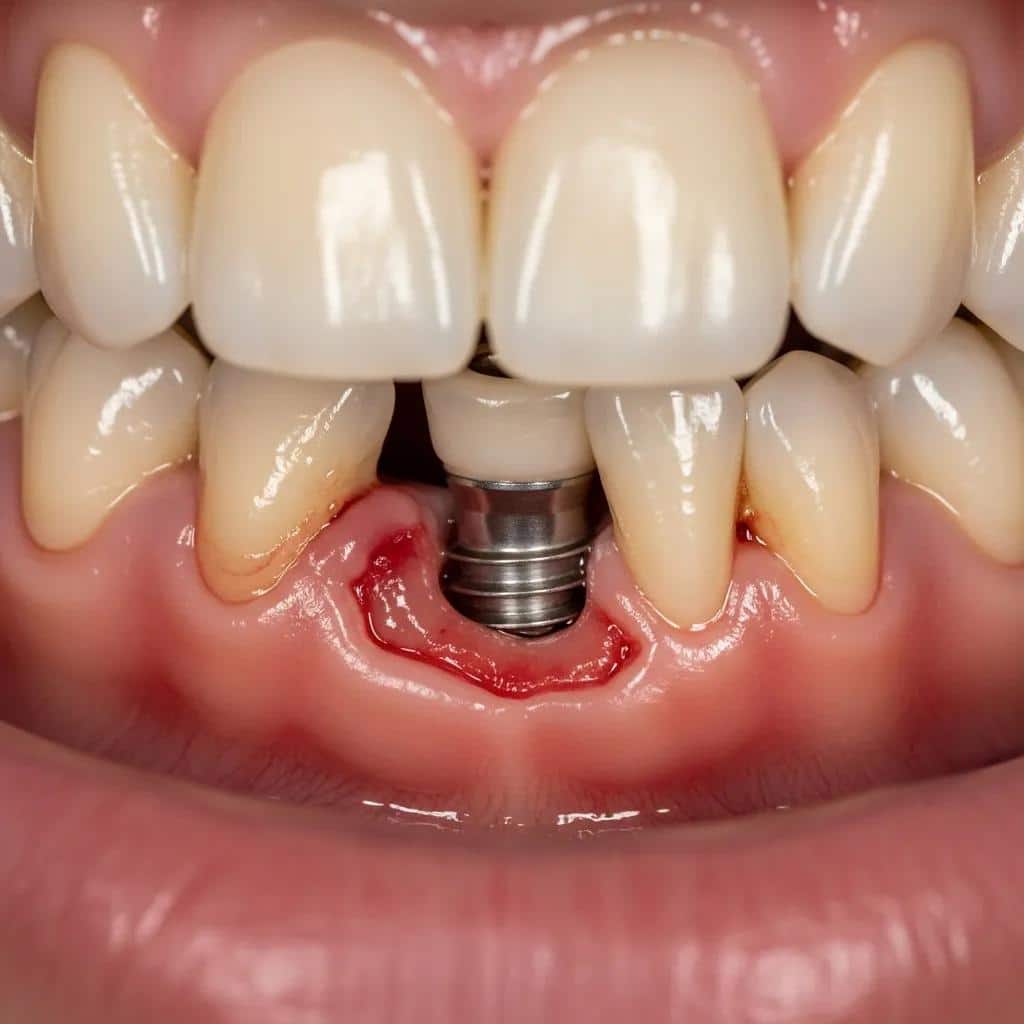
What to Do After a Dental Implant Fails — Practical Steps, Treatment, and Recovery
If your dental implant has failed, it can feel worrying — but you don’t have to figure it out alone. Knowing what to look for and what comes next helps you get the right care faster. This guide walks through common symptoms, likely causes, how dentists diagnose a failed implant, and the treatment and recovery options available.
Untreated implant problems can cause pain and further complications, so prompt care matters. Below we’ll explain signs to watch for, why implants fail, how dentists evaluate the issue, and practical treatment paths you and your Fort Worth dental team can take to restore your oral health.
If you are experiencing severe symptoms such as uncontrolled bleeding, a high fever, or sudden, intense pain, seek emergency dental or medical care. For non-emergent concerns, calling your dental office and describing your symptoms lets staff prioritize an urgent exam and imaging when needed.
What Are the Symptoms of a Failed Dental Implant?
spotting problems early gives you more treatment options. Common warning signs include persistent pain, swelling, and any looseness around the implant — all of which should prompt a dental visit.
Symptoms can appear gradually or suddenly depending on the cause. A slowly progressing infection may cause increasing gum redness and occasional drainage, while a mechanical failure often presents as a rapid change in how the restoration feels when you bite or chew.
How to Recognize Signs of Dental ImplantFailure
Pay attention to changes around the implant site. Ongoing or worsening pain, tenderness, swollen gums, or pus are red flags. If the implant feels mobile or you notice changes in how your bite feels, those are important clues that the implant may not be integrating properly with the bone.
Simple self-checks can help you notice problems sooner: gently press near the implant with a clean finger to feel for movement (do not force or twist the implant), and compare the feel of your bite to the untreated side. Keep a note of any new or changing symptoms to share with your dentist.
Common Symptoms: Pain, Swelling, Mobility, and Gum Inflammation
The most common signs of implant trouble include:
Pain: Persistent or increasing discomfort around the implant site that doesn’t ease with normal care.
Swelling: Red, swollen or tender gums around the implant — often a sign of infection.
Mobility: Any movement or looseness of the implant; a stable implant should feel secure.
Gum Inflammation: Redness, bleeding, or signs of peri-implantitis (inflammation that can lead to bone loss).
Noticing these signs early means your dentist can often treat the problem more effectively and preserve the site for future care. Documenting when each symptom began and any events that preceded the change (for example recent dental work or a trauma) speeds accurate diagnosis.
What Causes Dental ImplantFailure?
Implant failure usually stems from either biological issues (like infection) or mechanical problems (like too much stress on the implant). Understanding the cause helps your dentist choose the right treatment.
Biological Causes: Peri-implantitis and Infection
Peri-implantitis is an inflammatory condition that affects the tissues and bone around an implant and is a leading biological cause of failure. Infections that interrupt healing can also prevent proper osseointegration (the process where the implant fuses to bone). People with weakened immune systems or certain health conditions may be at higher risk.
Local factors such as poor oral hygiene, residual cement from restorations, or chronic plaque buildup increase the biological risk. Systemic factors — for example chronic medical conditions or medications that affect healing — also influence outcomes; your dentist will review your full health history as part of the evaluation.
Knowing the risk factors that raise the chance of peri-implantitis helps you and your dentist take preventive steps.
While implants are generally successful, peri-implantitis is the most common complication in implant care. This review summarizes causes and treatments and highlights risk indicators such as plaque buildup, smoking, prior periodontitis, implant surface roughness, residual cement, steep emergence angles (>30°), prior radiation, limited keratinized tissue, implant time in function, sex, and diabetes.
Peri-implantitis update: risk indicators, diagnosis, and treatment, D Rokaya, 2020
Mechanical Causes: Implant Stress and OsseointegrationFailure
Mechanical factors include excessive biting forces, teeth grinding, or implants placed in areas with inadequate bone support. If the implant never fully integrates with the jaw (poor osseointegration), or if it’s overloaded before the bone heals, the implant can loosen or fail. Proper planning and bite management help reduce these risks.
Restorative issues such as an improper crown fit, a high bite, or insufficient support from adjacent teeth can place uneven forces on an implant. Night guards, occlusal adjustments, or changes to the prosthesis are common ways clinicians address mechanical contributors to failure.
How Is a Failed Dental Implant Diagnosed?
Diagnosing a failed implant combines a clinical exam with imaging and sometimes other tests to see how the implant and surrounding bone are doing.
Diagnostic Procedures: X-rays and Clinical Examinations
Your dentist will usually take X-rays to check for bone loss or signs of infection and perform a clinical exam that may include gentle probing around the implant. Together these tests show implant stability, tissuehealth, and whether infection or bone loss is present.
Additional imaging such as 3D cone-beam scans may be recommended when a more detailed view of bone volume and anatomy is needed for planning. The exam may also include mobility testing, photographic documentation, and a review of restorative components to identify any loose screws or failing crowns.
Differentiating Early vs. Late Implant Failure
Early failure happens in the first few months after placement and is often linked to infection or failed osseointegration. Late failure can occur years later and is commonly due to peri-implantitis, mechanical overload, or new oral health issues. Treatment choices depend on when and why the implant failed.
Knowing whether the problem began immediately after surgery or developed over time helps clinicians decide whether conservative care is reasonable or if surgical intervention is required. Your dentist will explain expected outcomes for each approach and the timeline for healing and possible re-implantation.
What Are the Treatment Options for Dental ImplantFailure?
Treatment ranges from conservative (non-surgical) care to surgical procedures. Your dentist will recommend the least invasive effective option based on the diagnosis.
Non-Surgical Treatments: Antibiotics and Debridement
For early infections or mild peri-implantitis, dentists often use targeted antibiotics and thorough cleaning (debridement) of the area to remove bacteria and infected tissue. These steps can stabilize the situation and sometimes save the implant.
Non-surgical care can also include antiseptic rinses, ultrasonic or manual cleaning around the implant, and temporary changes to the prosthesis to reduce load. Close follow-up over several weeks lets the clinician evaluate whether the measures are successful or if escalation to surgery is necessary.
Surgical Treatments: Bone Grafting, Implant Removal, and Re-implantation
If the implant is too damaged or bone loss is significant, surgical options may be needed. Bone grafting rebuilds lost bone to create a stable foundation, and in some cases the failed implant must be removed. After healing, a new implant can be placed following careful planning. These procedures aim to restore function and a natural appearance.
Surgical treatment may also include guided tissue regeneration, removal of inflamed tissue, and reshaping the bone to improve future implant outcomes. Your dental team will discuss grafting materials, expected healing times, and any staged approach needed to place a durable replacement implant.
Affordable Dentist Near Me, specifically the Fort Worth location, offers detailed consultations to evaluate failing implants and outline treatment options. Our team, including Dr. Mike Tri Pham, DDS, focuses on clear explanations and personalized care.
How Is Dental Implant Removal and Replacement Performed?
Removing and replacing a failed implant is done with patient comfort and tissue preservation in mind. Careful technique reduces trauma and prepares the site for healing or re-implantation.
Step-by-Step Dental Implant Extraction Procedures
Removal usually starts with numbing the area. The dentist then removes the implant with instruments designed to minimize damage to bone and soft tissue. After extraction the site is cleaned, checked for infection or bone loss, and treated as needed to encourage proper healing.
Sedation options range from local anesthesia to oral or IV sedation for anxious patients; your provider will review options before the procedure. After removal, the clinician may place a graft or use medicated dressings to encourage predictable healing and preserve the ridge for future implant placement.
Clinical research outlines clear criteria for when implant removal is indicated and the techniques used for safe explantation.
This review covers failure signs, diagnostic steps, criteria for removing implants, explantation techniques, and outcomes after reimplantation. It summarizes when removal is recommended and how different approaches affect survival of replacement implants.
Failed dental implants: diagnosis, removal and survival of reimplantations, 2014
Planning and Executing Re-implantation After Failure
Re-implantation starts with a careful evaluation of bone quality and timing. If bone grafting is needed, the site must heal before placing a new implant. Your dentist will outline a step-by-step plan — including timing, grafting needs, and the type of implant — to maximize the chances of long-term success.
The interval between removal and re-implantation varies; many cases require several months of healing, while others can be managed with staged or simultaneous grafting and implant placement. Your dentist will consider factors such as infection control, bone volume, soft tissue quality, and overall health in setting the appropriate schedule.
What Are Effective Peri-implantitis Solutions?
Treating peri-implantitis early gives the best chance to stop progression and preserve the implant. Treatments range from improved hygiene and cleaning to more advanced surgical or laser options.
Diagnosis and Stages of Peri-implantitis
Peri-implantitis is diagnosed by checking symptoms, probing depth, bleeding on probing, and radiographs to look for bone loss. It often starts as inflammation and can progress to noticeable bone loss if not treated. Early detection lets your dentist choose less invasive, more effective treatments.
Management decisions are guided by the stage of disease and the stability of the implant. Mild cases often respond to enhanced hygiene and professional cleaning, while more advanced cases may require surgical intervention to remove diseased tissue and regenerate lost bone.
Research-based diagnostic criteria help clinicians identify peri-implantitis early and choose the right treatment path.
This systematic review looked at diagnostic measures for peri-implantitis and proposed practical guidelines. Suggested parameters include pain, increased probing depth, bleeding on probing, mobility, and radiographic evidence of bone loss to guide diagnosis and treatment decisions.
Diagnostic principles of peri-implantitis: a systematic review and guidelines for peri-implantitis diagnosis proposal, A Ramanauskaite, 2016
Advanced Treatments: Laser Therapy and Prevention Strategies
Advanced options like laser therapy can reduce bacteria and inflammation while preserving healthy tissue. Prevention is equally important: regular check-ups, professional cleanings, careful home care, and managing risk factors (like smoking or uncontrolled diabetes) help protect implants over the long term.
Preventive strategies often include a personalized hygiene plan, which may use interdental brushes, water flossers, or specially designed floss for implants. Scheduling more frequent professional maintenance appointments is a common recommendation for patients with a history of peri-implant inflammation.
What Is the Recovery Process After Dental ImplantFailure Treatment?
Recovery depends on the treatment performed. Your dentist will give a realistic timeline and clear aftercare steps to support healing and reduce complications.
Expected Healing Timeline and Patient Care Tips
Initial soft-tissuehealing often occurs within a few weeks. If bone grafting or re-implantation is done, full healing and integration can take several months. Follow your provider’s instructions for oral hygiene, diet, and activity to support recovery and protect the site.
Typical aftercare includes short-term dietary changes (soft foods, avoiding crunchy or hard items), careful oral hygiene around the surgical site, and avoiding strenuous activity for a few days. Using ice packs, elevating the head when resting, and taking medications as directed support comfort and healing in the early days.
Managing Pain and Preventing Complications During Recovery
Pain is usually manageable with over-the-counter or prescribed medications and good post-op care. Keep the area clean, avoid smoking, and watch for signs of infection. If you notice increasing pain, swelling, fever, or unusual discharge, contact your dentist right away.
Keep follow-up appointments so your provider can monitor healing and remove any sutures if needed. If antibiotics are prescribed, taking the full course as directed helps reduce the risk of persistent infection that can jeopardize future implant success.
How Can Dental ImplantFailure Be Prevented?
Most implant failures are preventable with good planning, regular care, and healthy habits. Your dentist will tailor preventive steps to your needs.
Best Practices for Maintaining Implant Health
To protect your implants, follow these guidelines:
Regular Dental Check-ups: Routine visits let your dentist spot early issues and clean areas you can’t reach at home.
Good Oral Hygiene: Brush and floss daily and follow any special cleaning instructions for implants.
Avoiding Tobacco Use: Smoking impairs healing and raises the risk of complications.
Healthy lifestyle choices support implant success. Eat a balanced diet with nutrients that support bone and gum health, stay hydrated, and manage stress. These habits help your body heal and lower the chance of problems.
Home-care tips include using a soft toothbrush, cleaning around implant crowns with interdental brushes, and rinsing with an antimicrobial mouthwash if recommended. Maintaining consistent, gentle care reduces plaque accumulation and lowers the chance of peri-implant disease.
To discuss your situation and get individualized care, schedule a consultation with our Fort Worth team: Schedule an Appointment. We’ll explain options and build a plan that fits your needs.
Frequently Asked Questions
What should I do if I suspect my dental implant has failed?
If you think an implant is failing, contact your dentist right away. Early evaluation with a clinical exam and X-rays lets your provider treat problems before they worsen and improves the chances of saving or replacing the implant successfully.
When you call, describe your symptoms, any recent dental care, and whether you have systemic health issues that might affect healing. This information helps the office prepare for the right tests and prioritizes urgent care if necessary.
Can lifestyle choices affect the success of dental implants?
Yes. Smoking, poor oral hygiene, and a diet low in essential nutrients raise the risk of infection and implant complications. Good home care, a balanced diet, and quitting tobacco significantly improve healing and long-term success.
Moderating alcohol intake and keeping chronic conditions such as diabetes well controlled are additional steps that support reliable healing after implant surgery. Discuss medications and supplements with your dentist to make an informed plan.
How long does it take to recover from dental implantfailure treatment?
Recovery varies with the treatment. Minor non-surgical care may heal in weeks; surgical repairs, bone grafting, and re-implantation can take several months for full integration. Follow-up visits will track healing and adjust the plan as needed.
Expect periodic check-ins during the first weeks, with longer-term reviews over several months to confirm bone healing. Your dentist will give specific milestones so you know when it’s safe to resume normal chewing and return to routine care.
Are there any advanced treatments for peri-implantitis?
Yes. Laser therapy, guided bone regeneration, and other targeted surgical approaches can treat more advanced peri-implantitis. Your dentist will recommend the least invasive, most effective option based on the condition’s severity.
Adjunctive therapies, such as localized antimicrobial delivery and careful reshaping of the implant surface in some cases, can be part of a comprehensive plan to control infection and support regeneration.
What are the signs that indicate a dental implant might fail?
Warning signs include persistent pain, swelling, bleeding, pus, increased probing depth around the implant, implant mobility, and changes on X-rays such as bone loss. Report any of these to your dentist promptly.
Other indicators can be changes in the way a restoration fits, a loose screw, or a new gap between the restoration and the gum. Early reporting of small changes often allows simpler, less invasive care to succeed.
Is it possible to replace a failed dental implant?
Often, yes. After removing a failed implant and treating any infection or bone loss — sometimes with bone grafting — a new implant can be placed once the site has healed. Careful planning improves the chances of a successful replacement.
Your dental team will discuss timing, grafting needs, and the prosthetic plan to give the replacement the best chance of long-term success. In some cases alternative restorative options are also reviewed if implants are not advisable.
Conclusion
Knowing what to expect after a dental implant fails helps you act quickly and confidently. Early detection, prompt treatment, and smart prevention all improve outcomes. If you need guidance or a personalized treatment plan, reach out to a dental professional — our Fort Worth team is ready to help you every step of the way.