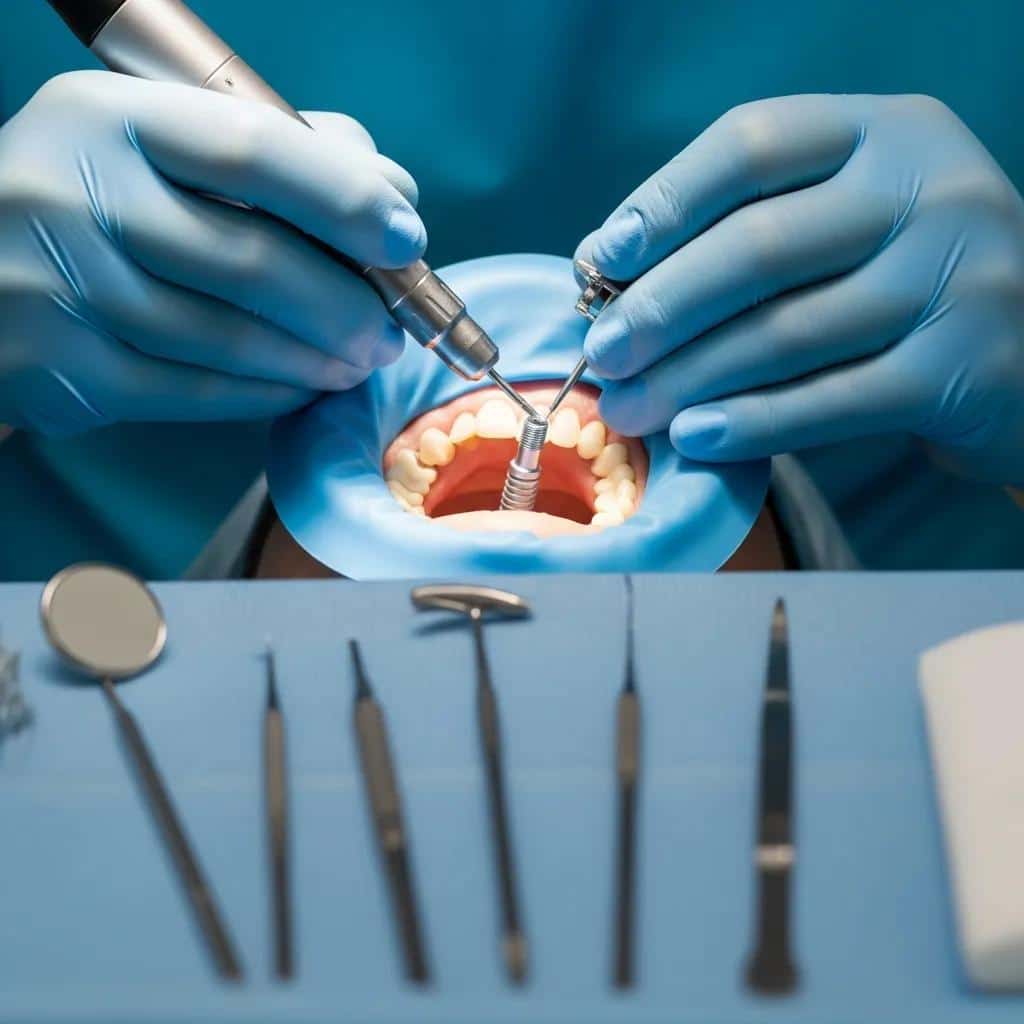
What to Expect During the Dental Implant Process: Comprehensive Guide for Crowley, TX Patients
Dental implants are a revolutionary solution for those seeking to restore their smiles and improve oral functionality. This comprehensive guide will walk you through the dental implant process, detailing what to expect at each stage. Understanding the steps involved can alleviate anxiety and help you make informed decisions about your dental health. Many individuals face challenges such as missing teeth or discomfort with dentures, and dental implants offer a long-lasting solution that mimics the look and feel of natural teeth. In this article, we will cover the initial consultation, surgical procedures, recovery expectations, and the final placement of crowns, along with costs and financing options available in Crowley, TX.
What Happens During the Initial Dental Implant Consultation?
The initial consultation is a crucial step in the dental implant process, where the dentist evaluates your oral health and determines your candidacy for implants. During this appointment, you can expect a thorough examination and a discussion about your dental history and goals. The dentist will assess your jawbone density and overall oral health to ensure that you are a suitable candidate for the procedure. This evaluation is essential for creating a personalized treatment plan that addresses your specific needs.
How Is Dental Implant Candidacy Assessed?
To determine if you are a candidate for dental implants, several factors are considered. The dentist will review your medical history, focusing on any conditions that may affect healing, such as uncontrolled diabetes or autoimmune disorders. An oral health evaluation will also be conducted to check for gum disease or tooth decay, which must be treated before proceeding. Additionally, imaging tests like X-rays or 3D scans will be utilized to assess the condition of your jawbone and the surrounding structures, ensuring that there is enough bone to support the implant.
What Diagnostic Tools Are Used: X-rays and 3D Imaging Explained?
Diagnostic tools play a vital role in the planning of dental implant surgery. X-rays are commonly used to provide a two-dimensional view of the jawbone and teeth, helping the dentist identify any underlying issues. However, 3D imaging offers a more comprehensive view, allowing for precise measurements of bone density and structure. This advanced imaging technique helps in creating a detailed treatment plan, ensuring that the implants are placed in the optimal position for stability and aesthetics.
What Are the Step-by-Step Procedures in Dental Implant Surgery?
Dental implant surgery involves several key steps that are performed in a specific order to ensure the best outcomes. The procedure typically begins with the administration of anesthesia to ensure patient comfort. Once the area is numb, the dentist will place the implant post into the jawbone, which serves as the foundation for the artificial tooth. After the implant is placed, a healing period is necessary for the bone to integrate with the implant, a process known as osseointegration.
How Is Anesthesia and Sedation Used for Patient Comfort?
Anesthesia and sedation are critical components of the dental implant procedure, designed to enhance patient comfort. Local anesthesia is commonly used to numb the surgical site, while sedation options may be offered for patients who experience anxiety or fear. Sedation can range from mild sedation, where patients remain awake but relaxed, to general anesthesia, where patients are completely unconscious. The choice of anesthesia depends on the complexity of the procedure and the patient’s comfort level.
Studies have shown that effective sedation techniques, particularly IV sedation, can significantly improve patient comfort and acceptance of dental implant procedures.
Managing Dental Implant Anxiety with IV Sedation
Highlights that pre-operative anxiety related to dental implantology procedures is directly related to gender and age. Suggests that well-administered IV sedation using midazolam in titrated doses produces an overwhelming positive response from patients with regard to the acceptance of further procedures being carried out under IV sedation.
Intravenous sedation as an adjunct to advanced comprehensive dental implantology: the patient’s perspective and operator satisfaction, 2015
When and Why Is Bone Grafting Necessary?
Bone grafting may be necessary if the jawbone lacks sufficient density or volume to support the implant. This procedure involves adding bone material to the jaw to create a stable foundation for the implant. Bone grafting is often performed during the initial surgery or as a separate procedure before the implant placement. Factors that may necessitate bone grafting include previous tooth loss, gum disease, or trauma to the jaw. The success of the implant largely depends on the quality and quantity of the bone, making this step crucial for long-term success.
How Long Does the Dental Implant Recovery Take and What to Expect?
Recovery from dental implant surgery varies from patient to patient, but understanding the general timeline can help set expectations. After the surgery, patients may experience swelling, discomfort, and minor bleeding, which typically subside within a few days. The healing process involves osseointegration, where the bone fuses with the implant, and this can take several weeks to months, depending on individual healing rates.
What Is Osseointegration and Its Role in Healing?
Osseointegration is the biological process through which the jawbone integrates with the dental implant. This process is critical for the stability and longevity of the implant. During osseointegration, the bone cells grow around the implant, securing it firmly in place. Factors such as overall health, smoking, and oral hygiene can influence the success of osseointegration. Patients are advised to follow post-operative care instructions to promote healing and ensure the best outcomes.
Further research emphasizes the critical role of osseointegration in ensuring the long-term success and stability of dental implants.
Understanding Osseointegration for Dental Implant Success
The purpose of this literature review is to collect the published data concerning factors affecting osseointegration. Popularity and large demand of dental implant makes this study essential because success of dental implant is directly related to the principle of osseointegration, a process of implant-bone interaction that finally leads to bone-implant anchorage.
Factors affecting osseointegration: a literature review, M Goutam, 2013
What Are the Typical Recovery Timeline and Aftercare Instructions?
The recovery timeline for dental implants generally spans several stages. Initially, patients may experience discomfort for a few days post-surgery, which can be managed with prescribed or over-the-counter pain relief. After about a week, most patients can return to normal activities, but full osseointegration may take 3 to 6 months. Aftercare instructions typically include maintaining good oral hygiene, avoiding hard or sticky foods, and attending follow-up appointments to monitor healing.
Week
Recovery Stage
Aftercare Instructions
1
Initial Healing
Rest, manage pain, soft diet
2-4
Osseointegration
Maintain oral hygiene, avoid hard foods
6-12
Follow-up
Regular check-ups, monitor healing
3-6 months
Final Integration
Prepare for crown placement
This timeline provides a general overview, but individual experiences may vary based on personal health and adherence to aftercare.
How Is the Dental Crown or Prosthesis Placed After Implant Healing?
Once the implant has successfully integrated with the jawbone, the next step is placing the dental crown or prosthesis. This process involves attaching an abutment to the implant, which serves as a connector for the crown. The crown is then custom-made to match the color and shape of your natural teeth, ensuring a seamless appearance.
What Is the Process of Attaching the Abutment and Crown?
The attachment of the abutment and crown is a straightforward procedure. After administering local anesthesia, the dentist will expose the implant and attach the abutment, which protrudes above the gum line. Once the abutment is secured, impressions of the mouth are taken to create a custom crown. The crown is then placed over the abutment and secured, completing the dental implant process.
How Do Dental Implants Achieve a Natural Look and Feel?
Dental implants are designed to closely mimic the appearance and function of natural teeth. The materials used for the crown, such as porcelain or ceramic, are chosen for their aesthetic qualities, allowing them to blend seamlessly with existing teeth. Additionally, the stability provided by the implant ensures that the crown functions like a natural tooth, allowing for normal chewing and speaking without discomfort.
What Are the Costs and Affordable Financing Options for Dental Implants in Crowley, TX?
The cost of dental implants can vary significantly based on several factors, including the complexity of the case, the materials used, and the dentist’s expertise. On average, the cost of a single dental implant can range from $3,000 to $5,000, which includes the implant, abutment, and crown. However, many patients find that the long-term benefits of dental implants justify the initial investment.
Which Factors Influence the Cost of Dental Implants?
Type of Implant: Different types of implants, such as single tooth implants or All-on-4 implants, have varying costs.
Location and Expertise: The dentist’s experience and the geographical location of the practice can affect pricing.
Additional Procedures: Costs may increase if additional procedures, such as bone grafting or sinus lifts, are required.
What Flexible Payment Plans and Insurance Options Are Available?
Many dental practices, including Affordable Dentist Near Me – Crowley, offer flexible payment plans to help patients manage the cost of dental implants. Insurance coverage for dental implants varies, so it’s essential to check with your provider to understand your benefits. Some practices also offer financing options that allow patients to pay for their implants over time, making this life-changing procedure more accessible.
For those considering dental implants, Affordable Dentist Near Me – Crowley provides a free consultation to discuss your options and create a personalized treatment plan. This consultation includes a comprehensive evaluation of your oral health and a discussion of potential financing options to make dental implants more affordable.
Why Choose Affordable Dentist Near Me – Crowley for Your Dental Implant Needs?
Choosing the right dental practice for your implant needs is crucial for achieving the best results. Affordable Dentist Near Me – Crowley is dedicated to providing high-quality dental care in a welcoming environment. The clinic’s experienced team utilizes advanced technology and techniques to ensure optimal outcomes for every patient.
What Makes Our Crowley Team and Technology Stand Out?
The team at Affordable Dentist Near Me – Crowley is composed of skilled professionals who are committed to ongoing education and training in the latest dental implant techniques. The clinic employs state-of-the-art technology, including digital imaging and computer-guided implant placement, to enhance precision and patient comfort. This commitment to excellence ensures that patients receive the highest standard of care throughout their dental implant journey.
What Do Local Patient Testimonials Say About Their Implant Experience?
Patient testimonials highlight the positive experiences individuals have had at Affordable Dentist Near Me – Crowley. Many patients report feeling well-informed and supported throughout the implant process, praising the team’s professionalism and the clinic’s welcoming atmosphere. These testimonials reflect the clinic’s dedication to patient satisfaction and successful outcomes, making it a trusted choice for dental implants in Crowley, TX.
What Are Common Patient Concerns About Dental Implants and How Are They Addressed?
Patients often have concerns about the dental implant process, including pain, recovery time, and the overall success of the procedure. Addressing these concerns is essential for ensuring a positive experience and outcome.
Is Dental Implant Surgery Painful and How Is Pain Managed?
Dental implant surgery is typically performed under local anesthesia, which minimizes discomfort during the procedure. After surgery, patients may experience some pain and swelling, which can be managed with over-the-counter pain relievers or prescribed medications. The dental team will provide detailed aftercare instructions to help manage any discomfort and promote healing.
What Are the Risks and Success Rates of Dental Implants?
Dental implants have a high success rate, with studies indicating that they can exceed 95% in healthy individuals. However, like any surgical procedure, there are risks involved, including infection, nerve damage, and implant failure. The dental team at Affordable Dentist Near Me – Crowley will discuss these risks during the consultation and provide guidance on how to minimize them through proper care and follow-up.
How Can You Schedule Your Free Dental Implant Consultation in Crowley, TX?
Scheduling a consultation for dental implants is a straightforward process that can set you on the path to restoring your smile.
What Is Included in the Free Dental Implant Consult?
During the free consultation, patients will receive a comprehensive evaluation of their oral health, including diagnostic imaging and a discussion of treatment options. The dentist will explain the implant process, address any concerns, and provide a detailed cost estimate, including financing options.
How to Book Your Appointment Online or By Phone?
To book your appointment, you can visit the Affordable Dentist Near Me – Crowley website or call the office directly at +1-817-984-5431. Be prepared to provide your contact information and any relevant medical history to ensure a smooth scheduling process. The friendly staff will assist you in finding a convenient time for your consultation.