Dental Implants vs. Bridges and Dentures: Essential Maintenance Comparison and Long-Term Care Guide
Choosing a tooth replacement is a decision about daily routines, long-term oral health, and financial planning, and this guide compares dental implants, bridges, and dentures through the lens of maintenance and longevity to help you decide which fits your lifestyle, budget, and clinical needs. You will learn clear definitions of each restoration type, precise daily-care actions, professional maintenance schedules, expected lifespans, effects on jawbone health, long-term cost trade-offs, comfort and satisfaction considerations, and practical decision rules tailored to typical cases. This article emphasizes actionable maintenance steps—what to do at home, what clinicians check during visits, and which problems require prompt care—while integrating relevant equipment and common complications like peri-implantitis and denture relining. The comparison highlights how implants function as a bone-preserving restoration versus how bridges and removable prostheses rely on adjacent teeth or mucosa for support, and it outlines how those differences drive distinct cleaning and professional-care needs. Read on for checklists, comparison tables, and clinic-informed next steps so you can match daily upkeep to long-term outcomes and choose with confidence.
What Are Dental Implants, Bridges, and Dentures? Definitions and Key Differences
Dental restorations fall under the broader category of dental restoration or tooth replacement, and understanding the structural differences clarifies why maintenance varies between options. Dental implants are a three-part prosthesis consisting of an implant post (root analog), an abutment (connector), and a crown (visible tooth), and they achieve permanence through osseointegration, which stabilizes the restoration by integrating titanium into bone. Bridges are prostheses that replace missing teeth by spanning a gap with a pontic supported by retainers or crowns on adjacent abutment teeth, and bridge types include traditional fixed, cantilever, Maryland, and implant-supported variations that differ in how they influence adjacent tooth preparation and cleaning access. Dentures range from full to partial and from traditional removable to implant-retained designs; they are prostheses supported by mucosa and/or implants, with removable dentures requiring nightly care and implant-retained dentures combining features of both categories. These structural distinctions explain how implants provide root-like support, bridges rely on adjacent teeth for anchorage, and dentures distribute forces across soft tissues—each support mechanism produces unique maintenance priorities, which we will explore in detail below.
How Do Dental Implants Function as Permanent Tooth Replacements?
A dental implant functions as a permanent tooth replacement by using a biocompatible titanium post implanted into the jawbone, which integrates with bone via osseointegration and then supports an abutment and crown to restore form and function. This integration transmits chewing forces into bone, stimulating remodeling and helping preserve alveolar volume, which is a key advantage over prostheses that lack root analogs. Clinically, the process involves placement of the implant post, a healing period for osseointegration, and then attachment of the abutment and custom crown; modern materials include titanium or titanium-alloy posts with ceramic or porcelain-fused-to-metal crowns. The permanence of implants depends on proper surgical technique, sufficient bone volume, and ongoing hygiene; poor plaque control and untreated peri-implantitis are primary threats to long-term success. Understanding these mechanics helps explain why daily interdental cleaning, professional peri-implant checks, and early intervention for soft-tissue changes are central to implant maintenance.
What Are Dental Bridges and Their Types?
A dental bridge replaces one or more missing teeth by anchoring a pontic to adjacent retainers or to implants; types include the traditional fixed bridge (crowns on both abutment teeth), cantilever bridge (anchored on one side), Maryland bridge (resin-bonded with metal or ceramic wings), and implant-supported bridge (pontics on implants). Each bridge type differs in how it transfers load and how accessible the underside of the pontic is for cleaning: traditional bridges require careful interdental cleaning beneath the pontic to prevent decay at the margins, while Maryland bridges preserve more tooth structure but may have different longevity constraints. Materials commonly used include porcelain-fused-to-metal, all-ceramic systems, and metal frameworks, and the choice influences wear resistance and aesthetic longevity. Because bridges depend on supporting abutment teeth, preparation (removal of enamel and sometimes dentin) can increase the long-term maintenance needs of those teeth, making vigilant hygiene and regular clinical evaluation critical to forestall secondary caries and margin breakdown.
What Are Dentures and Their Variations?
Dentures are removable or fixed prostheses that replace missing teeth and associated soft tissues; they include full (complete) dentures that replace an entire arch, partial dentures that replace several teeth while clasping remaining teeth, immediate dentures placed at extraction time, and implant-supported dentures that anchor a removable or fixed prosthesis to implants. Removability and the degree of tissue support dictate the daily care routine: traditional removable dentures must be cleaned and soaked nightly to manage biofilm and prevent denture stomatitis, whereas implant-retained dentures combine improved stability with supplemental implant-specific hygiene. Materials for dentures commonly include acrylic bases with acrylic or porcelain teeth, and fit can change over time due to bone resorption, requiring periodic relining or replacement. Because dentures rest on mucosa and do not provide root-like stimulation, they have different maintenance timelines and contribute differently to jawbone changes compared with implants.
How Does Daily Care Differ for Dental Implants, Bridges, and Dentures?
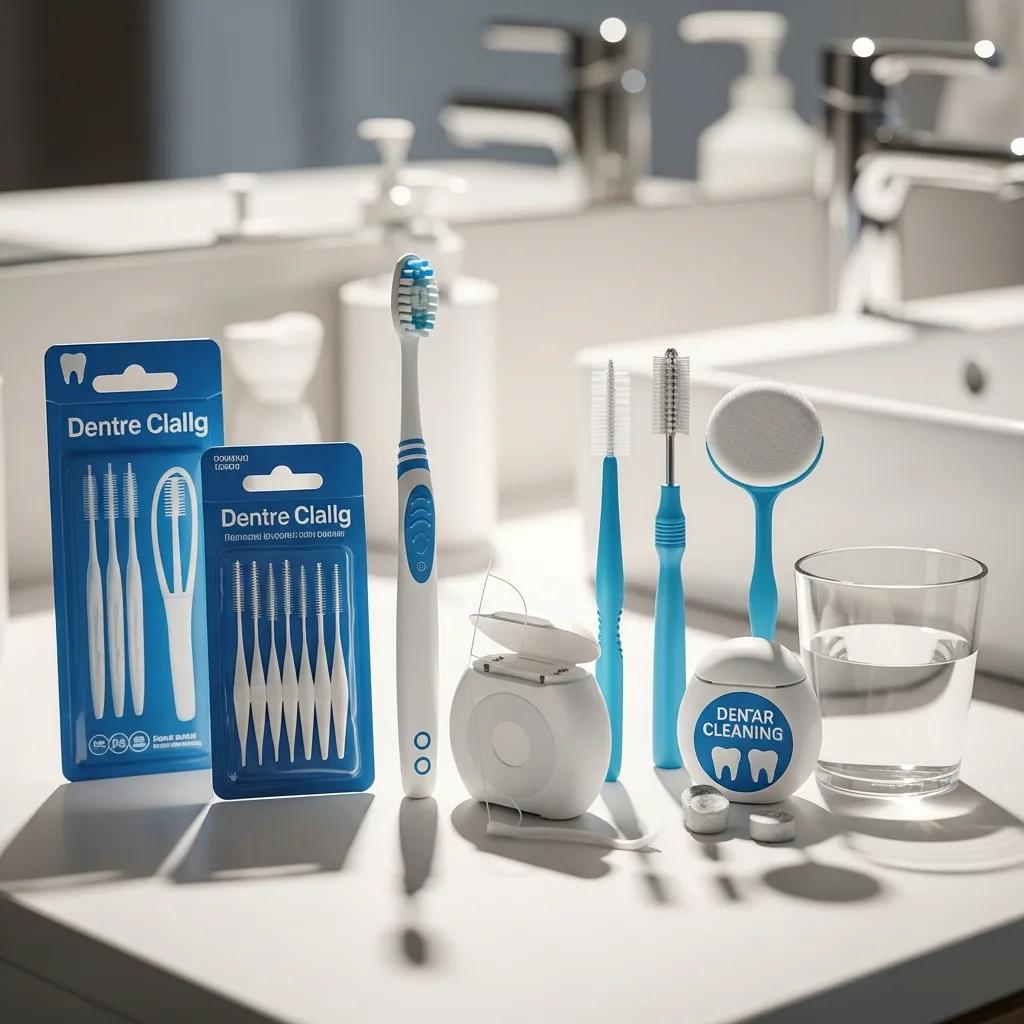
Daily care differs because each restoration has unique anatomy and vulnerability to plaque, mechanical wear, or tissue irritation, and matching tools and techniques to those risks preserves function and prevents complications. Implants demand plaque control similar to natural teeth with attention to the implant-abutment interface to prevent peri-implantitis, while bridges require cleaning under the pontic and around retainers to protect abutments from decay, and removable dentures need nightly removal, cleansing, and safe soaking to prevent mucosal irritation and biofilm buildup. Choosing the right tools—soft-bristled brushes, interdental brushes, water flossers, floss threaders, and denture-specific cleansers—reduces plaque accumulation and preserves soft-tissue health across all options. Below is a practical comparison table that lays out daily-use tools and recommended routines for each prosthesis to make daily maintenance scannable and actionable.
Introductory table: this table compares daily cleaning tools and simple routines so readers can match actions to each restoration type.
Restoration Type
Daily Cleaning Tools
Key Daily Steps
Dental Implant
Soft-bristled brush, floss, water flosser, interdental brush
Brush twice, clean interproximally once, use water flosser around abutment, inspect soft tissue
Dental Bridge
Soft brush, floss threader, interdental brush, water flosser
Brush twice, thread floss under pontic daily, clean margins of retainers, rinse after meals
Removable Denture
Denture brush, non-abrasive cleanser, soaking solution, adhesive if needed
Remove nightly, brush and soak, rinse before re-insertion, avoid hot water
This table clarifies that implants and bridges use similar tooth-like cleaning tools while dentures require appliance-specific care. Matching the right tool to the restoration reduces common problems such as peri-implant mucositis, decay at bridge margins, and denture-induced stomatitis.
Daily cleaning checklists help enforce consistency and provide quick reference for patients.
Follow a twice-daily brushing routine using a soft-bristled brush for any natural teeth and implant crowns.
Clean interdental spaces once daily using floss, floss threaders, or interdental brushes depending on restoration geometry.
Remove removable dentures every night and soak them in a denture-specific solution to control biofilm and odor.
These checklists reinforce the simple habits that prevent complex problems; consistent execution of these steps reduces the need for emergency visits and invasive procedures.
What Are the Recommended Daily Cleaning Practices for Dental Implants?
Daily cleaning for implants mirrors natural-tooth hygiene but emphasizes interdental and peri-implant tissue care to prevent peri-implant inflammation and bone loss. Use a soft-bristled toothbrush twice daily to remove plaque from the crown surface, and incorporate floss or floss alternatives such as interdental brushes and a water flosser once a day to clean the implant-abutment junction and proximal contacts; mechanical removal of plaque is critical because biofilm near implants can provoke peri-implantitis. Avoid abrasive polishing that could roughen crown surfaces and increase plaque retention, and monitor for redness, bleeding, or increased pocket depth—early signs that warrant a prompt clinical review. If sensitivity or mild inflammation occurs, increase the frequency of professional cleanings and discuss adjunctive antiseptic rinses with your provider; good daily habits substantially reduce the long-term risk of implant complications.
How Should You Maintain Dental Bridges with Specialized Cleaning Tools?
Effective bridge care prioritizes cleaning beneath the pontic and along retainer margins to prevent decay and periodontal breakdown on abutment teeth, and specialized tools make these tasks feasible in home settings. Use a floss threader or superfloss to pass dental floss under the pontic and around retainer margins once daily, and consider interdental brushes sized to the embrasure to dislodge plaque at contact points; a water flosser can be a useful adjunct for irrigating under pontics where flossing is challenging. Brush twice daily with a soft brush focusing on margins where crowns meet tooth structure because marginal gaps can harbor bacteria that lead to secondary caries; long-term protection of abutment teeth depends heavily on consistent marginal care. If food impaction or persistent sensitivity occurs, seek a clinical evaluation to check occlusion and retainer fit, since mechanical issues increase maintenance requirements.
What Is the Proper Daily Care Routine for Removable Dentures?
Removable dentures require appliance-specific daily steps to control plaque on acrylic surfaces and maintain mucosal health and fit; improper cleaning accelerates odor, staining, and denture stomatitis. Each night remove dentures, brush them with a denture brush and non-abrasive cleanser to remove biofilm, and soak them in an appropriate solution to reduce microbial load; avoid hot water that can warp acrylic. Clean your oral tissues—gums, palate, and any remaining teeth—every morning and evening to remove residual adhesive and plaque, and allow dentures to rest overnight to support tissue recovery; adhesives can help retention but should be used according to product directions to avoid excess residue. Return to clinic if sore spots, looseness, or persistent irritation develop, since relining or adjustment is often necessary to restore comfort and prevent soft-tissue injury.
What Are the Professional Maintenance Requirements for Each Tooth Replacement Option?
Professional maintenance differs by restoration because clinicians monitor distinct biological and mechanical interfaces: implants require peri-implant assessments and radiographs, bridges need margin and abutment evaluations, and dentures often require relining and occlusal adjustments to preserve fit and function. Typical clinical schedules balance preventive visits and problem-driven care: implants usually need routine cleanings with peri-implant probe checks at least twice yearly, bridges benefit from regular crown margin inspections and prophylaxis, and dentures commonly need relining or adjustment every 1–3 years depending on tissue changes. Professional procedures include targeted prophylaxis, peri-implantitis screening, adjustments of occlusion, re-cementation of bridges when necessary, and relining or rebasing of dentures to maintain fit; clinicians also provide patient education tailored to each restoration’s vulnerabilities. For patients in Longview, clinic resources at Affordable Dentist Near Me of Longview include implant and denture services and free consultation options to review maintenance schedules and implement individualized recall plans with practical next steps.
Introductory list: common professional maintenance actions explained briefly for clarity.
Peri-implant exam and radiographs are used to evaluate bone levels and implant integration.
Bridge margin inspection and potential re-cementation address microleakage and retention loss.
Denture relining and occlusal adjustments restore fit and reduce soft-tissue irritation.
These professional measures complement home care by addressing structural and biological changes that cannot be corrected by hygiene alone.
How Often Should Dental Implants Receive Professional Checkups and Cleanings?
Dental implants commonly receive professional assessments and cleanings every three to six months initially, and at least twice yearly long-term, depending on risk factors like history of periodontal disease, smoking, or bruxism that necessitate closer monitoring. During implant visits clinicians probe peri-implant tissues gently to detect bleeding on probing or increased pocket depths, evaluate the implant-abutment interface, and take periodic radiographs to monitor marginal bone levels; early detection of peri-implant mucositis allows conservative care before progression to peri-implantitis. Professional cleanings use instruments compatible with implant surfaces to avoid scratching and biofilm retention, and adjunctive antimicrobial therapies are considered when inflammation is present. If signs of peri-implant disease appear—bleeding, suppuration, or radiographic bone loss—prompt intervention with mechanical debridement, antiseptic rinses, and possible surgical management is required to preserve the implant.
What Are the Regular Dental Visits Needed for Bridges Maintenance?
Bridges benefit from routine dental visits every six months for most patients, with frequency adjusted based on caries risk and periodontal status; these visits focus on crown margin integrity, occlusion, and health of abutment teeth. Clinicians inspect for recurrent decay at margins, check the fit and retention of the bridge, adjust occlusion to prevent high spots that can fracture the prosthesis, and replace or repair retentive cement when indicated. If abutment teeth develop caries or endodontic pathology, bridge repair or replacement may be necessary, and timely restoration of damaged abutments prevents further prosthesis failure. Regular professional surveillance extends bridge lifespan by catching small problems early and guiding preventive measures tailored to the patient’s dental ecology.
How Are Dentures Professionally Maintained, Including Relining and Adjustments?
Professional denture maintenance includes relining, rebasing, adjustments, and periodic replacement to accommodate tissue changes and wear, often with relining required every 1–3 years depending on bone resorption and tissue remodeling. Relining restores intimate contact between the denture base and mucosa to improve retention and reduce sore spots, while rebasing or replacement addresses severe base wear or extensive changes in occlusion and esthetics; clinicians also check opposing dentition and occlusion to maintain balanced function. Signs indicating the need for intervention include persistent soreness, looseness, difficulty chewing, and speech changes; these symptoms warrant timely evaluation because poorly fitting dentures accelerate tissue damage and bone resorption. Regular follow-up appointments provide opportunities for hygienic maintenance, polishing of acrylic surfaces, and reinforcement of home-care practices to extend the usable life of the prosthesis.
What Is the Expected Lifespan and Durability of Implants, Bridges, and Dentures?
Comparative longevity informs cost-of-ownership calculations and realistic expectations: implants typically offer the longest service life with success rates that can extend decades, bridges have intermediate lifespans contingent on abutment health and materials, and removable dentures generally require more frequent replacement or relining due to tissue changes and wear. The table below summarizes typical lifespans and the primary factors that influence them so readers can see how hygiene, smoking, bruxism, materials, and bone health contribute to durability across options.
Introductory table: lifespan ranges and modifiable factors that affect longevity.
Abutment tooth decay, margin integrity, material choice, occlusion
Denture (removable)
5–8 years
Bone resorption, acrylic wear, fit, maintenance frequency
This comparison underscores that implants can provide the best long-term value when supported by excellent hygiene and professional care, while bridges and dentures require more active replacement planning tied to biological and mechanical changes.
How Long Do Dental Implants Typically Last with Proper Care?
With diligent oral hygiene and appropriate clinical monitoring, dental implants commonly last 20 years or more and can function for the patient’s lifetime in many cases, thanks to durable implant materials and the stabilizing effect of osseointegration. Success is closely tied to preventing peri-implantitis through daily plaque removal, smoking cessation, and timely professional cleanings and radiographic monitoring; systemic factors such as uncontrolled diabetes can also influence outcomes and should be managed in coordination with medical providers. Clinically, survival statistics show high long-term rates when maintenance protocols are followed, but early detection and management of inflammation are vital to convert long-term potential into predictable outcomes. Patients who adhere to recommended care often experience minimal hardware-related complications and preserve alveolar bone and peri-implant health over decades.
What Is the Average Lifespan of Dental Bridges?
Dental bridges typically last around 10–15 years on average, although well-made bridges with strong abutments and rigorous hygiene can perform longer; common failure modes include secondary caries at margins, loss of retention, and fracture of the pontic or framework. The health of abutment teeth dictates much of the bridge’s longevity because these teeth undergo additional loading and may require endodontic or restorative treatment during the bridge’s life. Material selection influences wear and fracture resistance—metal-ceramic and high-strength ceramic systems provide aesthetic and structural options—but none eliminate the risk of abutment-related failures that shorten functional lifespan. Preventive care includes meticulous marginal cleaning, regular professional evaluations, and prompt repair of any marginal defects to prolong service life.
How Often Do Dentures Require Replacement or Relining?
Removable dentures typically require relining every 1–3 years and full replacement every 5–8 years due to ongoing alveolar bone resorption, acrylic wear, and changes in the supporting soft tissues that alter fit and function. Relining restores intimate contact between the denture base and oral tissues to improve retention and comfort; rebasing or replacement is needed when acrylic teeth wear or occlusal relationships degrade. Patients who experience frequent sore spots, slippage while eating, or progressive changes in facial support should seek an assessment to determine whether relining or replacement is indicated, as delayed care can worsen tissue trauma and accelerate bone loss. Proactive maintenance reduces long-term costs associated with emergency adjustments and improves daily comfort.
How Do Dental Implants, Bridges, and Dentures Impact Jawbone Health?
Restorative choices have distinct effects on jawbone because mechanical stimulation, tooth-root substitution, and mucosal loading produce different remodeling responses; implants transmit load to bone and promote preservation, bridges leave the edentulous ridge unstimulated, and removable dentures often contribute to resorptive changes by concentrating pressure on mucosa. Understanding these mechanisms clarifies why implants are preferred when preserving alveolar volume and facial contours is a priority, and why alternative strategies such as implant-supported overdentures exist to mitigate bone loss associated with traditional removable prostheses. The mechanistic differences also inform maintenance and timing decisions—for example, delayed implant placement after extraction may necessitate grafting to restore bone volume. Recognizing how each option interacts with bone helps patients and clinicians plan restorations that align with long-term skeletal health objectives.
Why Do Dental Implants Help Prevent Bone Loss?
Dental implants prevent bone loss by replacing the tooth root with a rigid post that transmits functional load to the surrounding alveolar bone, stimulating bone remodeling through mechanical strain—this load transfer maintains bone volume and reduces resorptive remodeling that occurs after tooth loss. Osseointegration creates a direct structural and functional connection between implant and bone, enabling the implant to act as a functional root analog rather than a purely superficial prosthesis; this effect preserves facial support and vertical dimension. Clinically, implant placement following extractions or as a foundation for implant-retained prostheses can arrest or slow progressive bone loss and maintain prosthetic options over time. For patients concerned about facial collapse or loss of ridge height, implant-based strategies are often recommended to protect the supporting jawbone and long-term prosthetic success.
What Are the Effects of Bridges on Adjacent Teeth and Bone?
Bridges require preparation of adjacent abutment teeth in many designs, which removes enamel and sometimes dentin, increasing susceptibility to pulp stress, sensitivity, and future restorative needs, and bridges do not provide root-level stimulation to the edentulous ridge beneath the pontic. Because the pontic rests above the alveolar ridge without replacing the root, bone under the pontic tends to resorb over time unless other measures—such as placing implants at the site—are taken. The increased mechanical load and altered tooth structure of abutments mean that these teeth must be closely monitored for caries, periodontal disease, and restorative failure, all of which can compromise the bridge. In cases where adjacent teeth are healthy and strong, a bridge may be an efficient choice, but the trade-offs for abutment health and bone preservation must be weighed carefully.
How Can Dentures Contribute to Progressive Bone Loss?
Removable dentures transfer occlusal forces to the mucosa and subadjacent bone in a distributed manner that lacks the focused mechanical stimulation provided by natural roots or implants, which accelerates resorption of the underlying alveolar ridge over time. Continuous pressure, especially from ill-fitting dentures, can exacerbate resorption and lead to dimensional changes that impair denture stability and facial support, creating a cycle of worsening fit and increasing bone loss. Implant-retained overdentures or implant-supported fixed prostheses can mitigate progressive resorption by reintroducing load to bone through implants, improving retention and reducing mucosal pressure. Patients with long-standing edentulism who wear conventional dentures should be counseled on bone-preserving alternatives and monitored for signs of progressive resorption that necessitate relining or transition to implant-supported options.
What Are the Long-Term Cost Considerations for Implants, Bridges, and Dentures?
Long-term cost comparisons require evaluating upfront expenses, routine maintenance costs, and replacement cycles over multi-decade horizons; implants typically have higher initial costs but lower replacement frequency and potentially fewer downstream expenses related to tissue loss, while bridges and dentures have lower initial outlays but may incur recurring relining, replacement, and abutment-repair costs. A comparative cost table helps visualize projected 20-year ownership costs by mapping upfront ranges and typical maintenance or replacement events to provide a practical framework for financial planning. While exact pricing varies by region and clinic, considering frequency of professional interventions, materials, and likely replacement intervals captures the economics of each option beyond initial sticker price. In Longview, clinic offers such as free consultation and everyday low fees can help patients evaluate options within their budget and plan staged care when immediate implant treatment is not financially feasible.
Introductory table: long-term cost snapshot using generalized ranges to compare upfront and 20-year cumulative costs.
Restoration
Upfront Cost Range
Typical Maintenance/Replacement Costs Over 20 Years
Dental Implant (single)
Higher upfront investment
Low replacement frequency; periodic maintenance and potential peri-implant therapy if needed
Dental Bridge (fixed)
Moderate upfront cost
Possible bridge replacement or abutment treatment every 10–15 years; intermediate maintenance costs
Denture (removable)
Lower initial cost
Regular relines/adjustments and replacements every 5–8 years; adhesives and repairs accumulate
This table illustrates that implants are an investment with potential lifetime value, whereas bridges and dentures require cyclical spending tied to biological changes and material wear.
How Does the Upfront and Maintenance Cost of Dental Implants Compare?
Dental implants demand a higher upfront investment due to surgical placement, component costs, and restorative fabrication, but their maintenance costs tend to be similar to natural teeth when oral hygiene is excellent and complications are avoided, translating to lower replacement-driven expenses over decades. Routine implant maintenance includes professional cleanings with implant-safe instruments and periodic radiographs, while reactive costs primarily stem from managing peri-implantitis or mechanical failures—which are less frequent with good prevention. When modeling multi-decade ownership, implants often compare favorably to repeated bridge replacements or successive denture replacements, especially when factoring in bone-preserving effects that reduce downstream reconstructive needs. Financial planning should consider staged treatment and clinic affordability programs to balance immediate budget constraints with lifetime value.
What Are the Replacement and Care Costs Associated with Dental Bridges?
Bridge costs are influenced by the complexity of abutment preparation, materials used, and the health trajectory of supporting teeth; replacement or repair often becomes necessary when abutment teeth develop decay, root canal needs, or when margins fail. Maintenance costs include periodic re-cementation, potential endodontic treatment of abutments, and eventual bridge replacement typically within a 10–15-year horizon; these events incrementally raise cumulative cost of ownership. Choosing durable materials and maintaining excellent oral hygiene reduces the likelihood of early failures, while timely professional surveillance allows cost-effective repairs rather than complete replacement.
How Do Denture Costs Accumulate Over Time Including Adjustments?
While removable dentures are usually the most affordable initial option, costs accumulate from relining, rebasing, adhesive purchases, repair visits, and full replacements as tissues remodel and acrylic teeth wear; these recurrent expenses can add up substantially over 10–20 years. Relines and adjustments occur every few years to restore fit, and periodic replacement is typically required every 5–8 years depending on wear and ridge changes; adhesives and cleaning supplies add small ongoing costs that contribute to lifetime expenditure. To minimize long-term expenses, patients should maintain regular follow-ups to avoid emergency repairs, use proper cleaning regimens to reduce staining and wear, and consider implant-retained options when long-term stability and reduced replacement frequency align with budget and clinical needs.
Which Tooth Replacement Option Offers the Best Patient Comfort and Satisfaction?
Comfort and satisfaction hinge on stability, chewing efficiency, speech, esthetics, and the predictability of maintenance; implants generally provide the most natural feel and function by mimicking root support, bridges can offer good esthetics and function when abutments are healthy, and dentures require an adaptation period and may compromise comfort and function for some patients. Patient satisfaction is influenced by expectations, prior dental experience, and how well the selected restoration aligns with daily habits and dexterity for cleaning; counseling on realistic outcomes and maintenance helps optimize satisfaction. Small case vignettes or anonymized patient scenarios often reveal that patients prioritize stability and the ability to eat comfortably, which is why implant-supported solutions rank highly in patient-reported outcomes when clinically suitable.
Practical list: comfort-related attributes to consider before selecting a restoration.
Stability during chewing and speaking directly affects daily comfort.
Ease of hygiene maintenance influences long-term satisfaction and oral health.
Esthetic preferences and facial support needs determine perceived attractiveness and confidence.
These attributes guide patients to match restoration type to lifestyle, with implants favored for stability and dentures requiring adaptation strategies to improve function.
How Do Implants Provide a Natural Feel and Function?
Implants recreate a tooth’s root function by anchoring a prosthetic crown to bone, restoring chewing efficiency and tactile feedback more closely to natural dentition than removable alternatives; this mechanical stability reduces slippage and allows patients to eat a wider variety of foods comfortably. Implant-supported restorations transmit occlusal force into bone, preserving alveolar structure and maintaining facial support, which contributes to improved esthetics and confidence compared to dentures that may flatten facial contours over time. Many patients report high satisfaction with implants because they eliminate common removable-prosthesis inconveniences like adhesives and nightly removal, while allowing hygiene routines similar to natural teeth. However, success depends on adequate bone volume, meticulous hygiene, and regular professional follow-up to sustain function and comfort.
What Comfort Challenges Are Common with Dental Bridges?
Bridges can cause transient discomfort related to abutment preparation and early occlusal adjustment needs, and long-term issues may include sensitivity, marginal leakage, or decay adjacent to abutment teeth that compromise comfort. High occlusal contacts or improper contouring can create bite discrepancies that produce soreness or fracture risk, and these issues often resolve with timely occlusal adjustment and monitoring. The dependency on healthy abutment teeth means that problems in those teeth—such as periodontal disease—can translate into bridge instability and discomfort, requiring restorative or endodontic interventions. Regular follow-ups and prompt attention to sensitivity or food trapping minimize discomfort and prolong bridge service life.
How Do Dentures Affect Speech, Eating, and Daily Life?
Dentures require an accommodation period that varies by individual: speech may feel altered initially, chewing efficiency is reduced relative to fixed restorations, and patients often modify diets during adaptation to prevent discomfort or dislodgement. Adhesives, practice with speech exercises, and progressive reintroduction of textures can hasten adaptation, and implant-retained overdentures can substantially improve retention and chewing efficiency for those who struggle with traditional full dentures. Persistent interference with daily life—such as frequent slippage, sore spots, or inability to eat preferred foods—indicates the need for clinical adjustments, relining, or consideration of implant-supported options to restore function and satisfaction. With appropriate management, many denture wearers achieve acceptable function, but realistic counseling about expected compromises is essential.
How to Choose the Right Tooth Replacement in Longview: Factors and Professional Guidance
Choosing the right restoration depends on clinical variables—bone volume, gum health, number of missing teeth—and personal priorities such as budget, esthetics, manual dexterity for cleaning, and tolerance for surgical procedures; a structured decision checklist clarifies these considerations. Start by assessing oral health factors that influence suitability: adequate bone and healthy soft tissues favor implants, while multiple adjacent missing teeth may suggest a bridge or implant-supported prosthesis depending on abutment conditions. Lifestyle considerations—such as preference for fixed solutions, willingness to commit to surgery, or need for a lower-cost interim option—also guide selection. Affordable Dentist Near Me of Longview offers evaluations for implants, bridges, and denture solutions and provides a free consultation to review clinical findings and affordability options, enabling patients in Longview to plan staged treatment or select the option that best balances health, function, and cost.
Checklist list: decision factors to weigh during consultation.
Clinical status: bone volume, periodontal health, and remaining tooth condition guide technical feasibility.
Financial and lifestyle constraints: budget, ability to undergo surgery, and maintenance preferences shape realistic choices.
Using this checklist during a professional evaluation clarifies options and aligns expectations with achievable outcomes.
What Oral Health and Lifestyle Factors Influence Your Choice?
Oral health factors that guide suitability include adequate bone volume at the site of missing teeth, the periodontal status of potential abutment teeth, occlusal scheme and bruxism history, and systemic conditions such as diabetes or smoking that affect healing; these clinical attributes determine whether implants, bridges, or dentures are recommended. Lifestyle and personal preferences—budget constraints, desire for a fixed restoration, manual dexterity for daily cleaning, and esthetic priorities—also play a major role in selection because they affect long-term maintenance adherence and satisfaction. Decision rules include considering bone grafting or implant alternatives when bone is insufficient, choosing bridges when adjacent teeth require crowns anyway, or selecting removable dentures when cost constraints or medical factors preclude surgical options. An integrated assessment that balances these factors produces a pragmatic, patient-centered treatment plan.
How Can Affordable Dentist Near Me of Longview Assist with Your Decision?
Affordable Dentist Near Me of Longview provides clinical evaluations and services for dental implants, custom dentures, and prosthodontic work, and the Longview office offers a free consultation to review diagnostic findings and outline treatment options suited to each patient’s clinical and financial circumstances. During a consultation clinicians assess oral health, discuss implant candidacy or denture planning, and explain maintenance expectations and recall schedules so patients understand the long-term care each option requires. The clinic emphasizes affordability with everyday low fees and includes promotional offers that may assist patients in accessing care; scheduling an evaluation allows patients in Longview to receive a tailored plan that matches their oral-health status and lifestyle. The office location at 444 Forest Square Suite E, Longview, TX 75605 serves as the local access point for these services and evaluations.
Book a free consultation to review clinical status and maintenance needs.
Discuss staged treatment plans and affordability options tailored to your priorities.
Receive a written maintenance schedule and next-step recommendations for your chosen restoration.
These practical next steps ensure that clinical decision-making incorporates both dental-health imperatives and real-world considerations like maintenance commitments and budget.