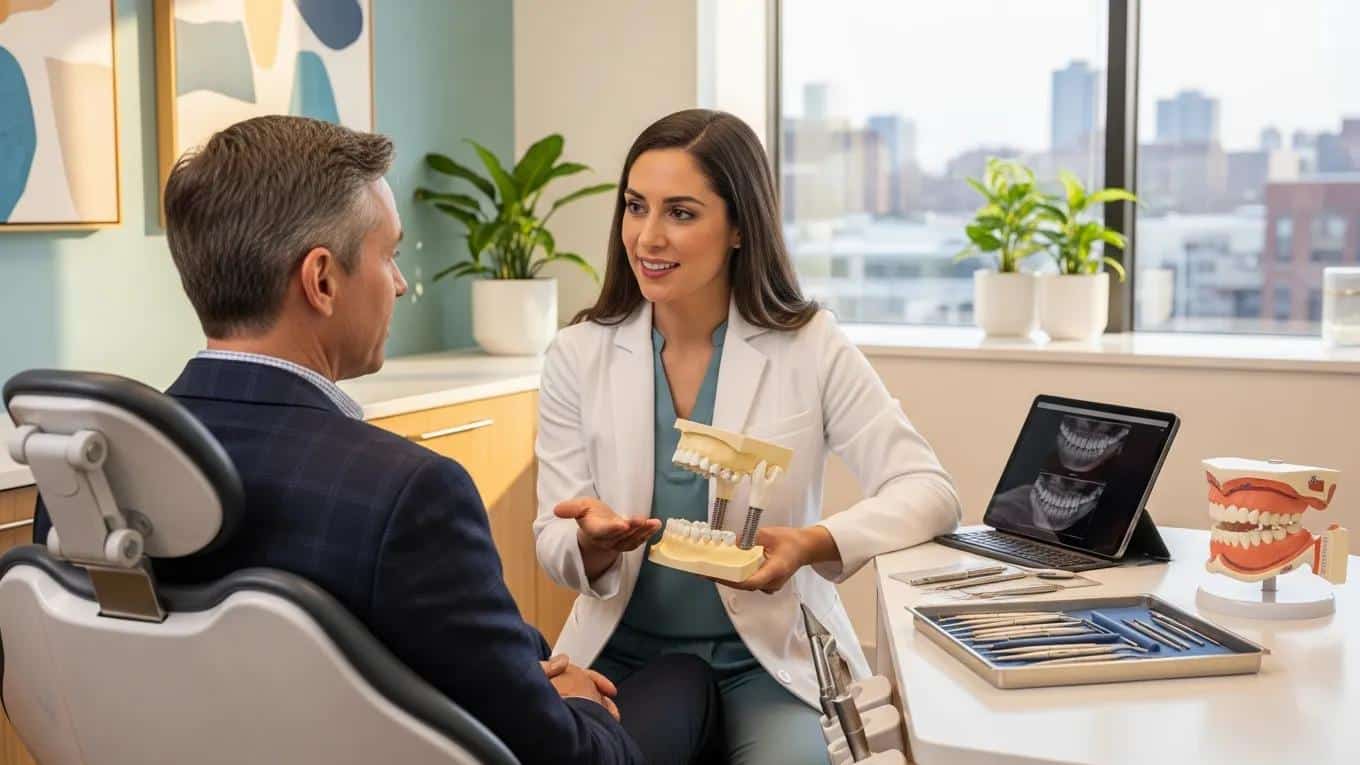
Dental Implants vs TMJ Solutions: Choosing Affordable Jaw Pain Relief and Treatment Options
When faced with dental issues, individuals often find themselves weighing the options between dental implants and TMJ solutions. Dental implants serve as a permanent solution for tooth loss, while TMJ treatments address jaw pain and dysfunction. This article will explore the differences between these two dental solutions, helping you make an informed decision based on your specific needs. Understanding the mechanisms, benefits, and costs associated with each option is crucial for effective treatment. We will delve into the definitions of dental implants and TMJ disorders, compare their effectiveness, discuss costs and payment plans, and guide you on how to access affordable dental care.
What Are Dental Implants and TMJ Disorder Treatments?
Dental implants are artificial tooth roots that provide a permanent base for fixed or removable replacement teeth. They are surgically placed into the jawbone, allowing for a stable and durable solution to tooth loss. The procedure involves placing a titanium post into the jaw, which integrates with the bone over time, providing a strong foundation for crowns or bridges.
TMJ disorder treatments, on the other hand, focus on alleviating pain and dysfunction in the temporomandibular joint (TMJ), which connects the jaw to the skull. Common treatments include physical therapy, medication, and in some cases, surgery. Understanding these two distinct approaches is essential for determining the best course of action for your dental health.
How Do Dental Implants Restore Tooth Loss?
Dental implants restore tooth loss by providing a stable and functional replacement for missing teeth. The process begins with a surgical procedure where a titanium post is inserted into the jawbone. Over time, the bone fuses with the implant in a process called osseointegration, creating a strong bond. This integration allows for the attachment of a crown or bridge, effectively restoring the appearance and function of the lost tooth. The benefits of dental implants include improved chewing ability, enhanced aesthetics, and the preservation of jawbone structure.
What Causes TMJ Disorder and Its Common Symptoms?
TMJ disorder can arise from various factors, including jaw injuries, arthritis, teeth grinding, and misalignment of the jaw. Common symptoms include jaw pain, headaches, difficulty chewing, and clicking or popping sounds when moving the jaw. Understanding the underlying causes and symptoms of TMJ disorder is crucial for effective treatment and management.
How Do Dental Implants Compare to TMJ Solutions?
When comparing dental implants to TMJ solutions, it is essential to consider their distinct purposes and outcomes. Dental implants focus on replacing missing teeth, while TMJ treatments aim to alleviate pain and restore jaw function. Each option has its own set of benefits and considerations, making it important to evaluate your specific dental needs.
What Are the Key Differences Between Dental Implants and TMJ Treatments?
The key differences between dental implants and TMJ treatments lie in their objectives and procedures. Dental implants are designed to replace missing teeth and restore functionality, while TMJ treatments address pain and dysfunction in the jaw joint. The recovery process for dental implants typically involves a surgical procedure followed by a healing period, whereas TMJ treatments may include non-invasive options such as physical therapy or medication.
Which Jaw Pain Relief Methods Are Effective for TMJ Disorder?
Effective methods for TMJ disorder relief include:
Physical Therapy: Exercises and stretches can help improve jaw mobility and reduce pain.
Medications: Anti-inflammatory drugs and muscle relaxants can alleviate discomfort.
Splints or Mouthguards: These devices can help prevent teeth grinding and reduce strain on the jaw.
Further research has explored the comparative efficacy of these non-invasive treatments for TMJ pain.
A randomized clinical trial was performed to evaluate the efficacy of three treatment options, including anterior positioning splint therapy, physical therapy, and physical therapy in addition to splint therapy, in terms of treatment outcome, in patients with painful temporomandibular joint clicking. Sixty patients suffering from acute pain and dysfunction were divided randomly into three treatment groups. Twenty patients underwent anterior positioning splint therapy (group I), 20 patients received solely physical therapy (group II), and 20 subjects received physical treatment in addition to splinting (group III). All patients were examined before and after the treatment using a visual analogue scale (VAS) and digital palpation of joint sounds. The data were analyzed using the Kruskal-Wallis, one-way ANOVA and Tukey tests at a significance level ofP< 0.05. In comparison with the baseline, subjective pain was decreased significantly (P< 0.05) in all three groups.
Comparison of three treatment options for painful temporomandibular joint clicking, A Mirmortazavi, 2011
These methods can provide significant relief for individuals suffering from TMJ disorder, allowing for improved quality of life.
Specifically, the effectiveness of splint therapy, a common intervention, has been rigorously evaluated in various studies.
Splint Therapy Effectiveness for TMJ Pain Relief
Temporomandibular disorders (TMD) are a group of clinical problems affecting temporomandibular joint (TMJ), myofascial muscles and other related structures. Splint therapy is the most commonly used approach to treatment of TMD, but its effectiveness is remains unclear. We therefore conducted a meta-analysis to evaluate the effectiveness of splint therapy for TMD in adults. The electronic databases PubMed, EMBASE, Cochrane Library, and ClinicalTrials.gov were searched for reports published up to March 31, 2016. Thirteen eligible studies involving 538 patients were identified. The results indicated that splint therapy increased maximal mouth opening (MMO) for patients with a MMO <45mm and reduced pain intensity measured using the visual analogue scale (VAS) for patients with TMD without specific description (TMDSD). Splint therapy also reduced the frequency of painful episodes for patients with TMJ clicking. No publication bias was observed, as determined with Egger’s test for al
Efficacy of splint therapy for the management of temporomandibular disorders: a meta-analysis, 2016
What Are the Costs and Payment Plans for Dental Implants and TMJ Treatments?
Understanding the costs associated with dental implants and TMJ treatments is crucial for making an informed decision. Dental implants can be a significant investment, but they offer long-term benefits. TMJ treatments may vary in cost depending on the method chosen.
How Much Do Affordable Dental Implants Typically Cost?
Affordable dental implants typically range from $1,500 to $3,000 per implant, depending on various factors such as location, the complexity of the procedure, and the materials used. Many dental practices offer flexible payment plans to help patients manage the costs effectively.
The financial aspect of dental implants is a significant consideration for both patients and practitioners, influencing treatment decisions.
The aim of this study is to examine how clinicians and patients negotiate clinical need and treatment decisions within a context of finite resources. Dental implant treatment is an effective treatment for missing teeth, but is only available via the NHS in some specific clinical circumstances. The majority of people who receive this treatment therefore pay privately, often at substantial cost to themselves. People are used to paying towards dental treatment costs. However, dental implant treatment is much more expensive than existing treatments – such as removable dentures. We know very little about how dentists make decisions about whether to offer such treatments, or what patients consider when deciding whether or not to pay for them.
Paying for treatments?
Influences on negotiating clinical need and decision-making for dental implant treatment, CE Exley, 2009
What Payment Plans Are Available for TMJ Disorder Treatment Options?
Payment plans for TMJ disorder treatment options can vary widely. Many dental providers offer financing options that allow patients to pay for their treatments over time. It is essential to discuss available payment plans with your dental provider to find a solution that fits your budget.
How Can Patients Schedule Consultations and Access Local Affordable Dental Care?
Accessing affordable dental care is crucial for individuals seeking treatment for dental implants or TMJ disorders. Knowing where to find local services can make the process easier.
Where to Find Affordable Dental Implant and TMJ Services Near Me?
To find affordable dental implant and TMJ services near you, consider the following resources:
Local Dental Clinics: Many clinics offer competitive pricing and payment plans.
Community Health Centers: These centers often provide dental services at reduced rates.
Online Directories: Websites that list dental providers can help you compare services and prices.
How to Book Your Dental Implant or TMJ Consultation Appointment?
Booking a consultation for dental implants or TMJ treatment is straightforward. Most dental practices allow you to schedule appointments online or by phone. Be prepared to discuss your symptoms and treatment goals during your initial visit to ensure you receive the best care possible.
Service
Cost
Payment Plan
Dental Implants
$1,500 – $3,000
Flexible financing options available
TMJ Treatment
Varies by method
Discuss payment plans with provider
Consultation
Often free or low-cost
Check with local clinics
This table summarizes the costs and payment options for dental implants and TMJ treatments, helping you make an informed decision about your dental care.
By understanding the differences between dental implants and TMJ solutions, as well as the associated costs and treatment options, you can make a more informed choice about your dental health. Affordable Dentist Near Me is dedicated to providing high-quality dental care, including both dental implant procedures and TMJ disorder treatments, with a focus on cost-effective solutions and flexible payment plans.