Single vs. Multiple Dental Implants: A Comprehensive Pricing Guide for Affordable Dental Implants in Fort Worth
Losing one or more teeth affects chewing, speech, and confidence, and it also accelerates jawbone loss if left untreated. This guide explains how dental implants restore function and structure, breaks down typical cost components in the Fort Worth market, and compares single-tooth solutions with multiple-tooth and full-arch options so you can make an informed decision. After a detailed explanation and pricing comparisons, you’ll learn which clinical and financial factors drive cost differences, practical ways to make implants more affordable in Fort Worth, and how to schedule your Free Dental Implant Consult to get a personalized plan. For a no-pressure next step, Affordable Dentist Near Me offers a Free Dental Implant Consult for Fort Worth patients to review treatment options and get an individualized estimate. Read on for clear cost tables, decision checklists, and practical financing and insurance guidance tailored to Fort Worth patients seeking durable, long-term tooth replacement.
What Are Dental Implants and How Do They Work?
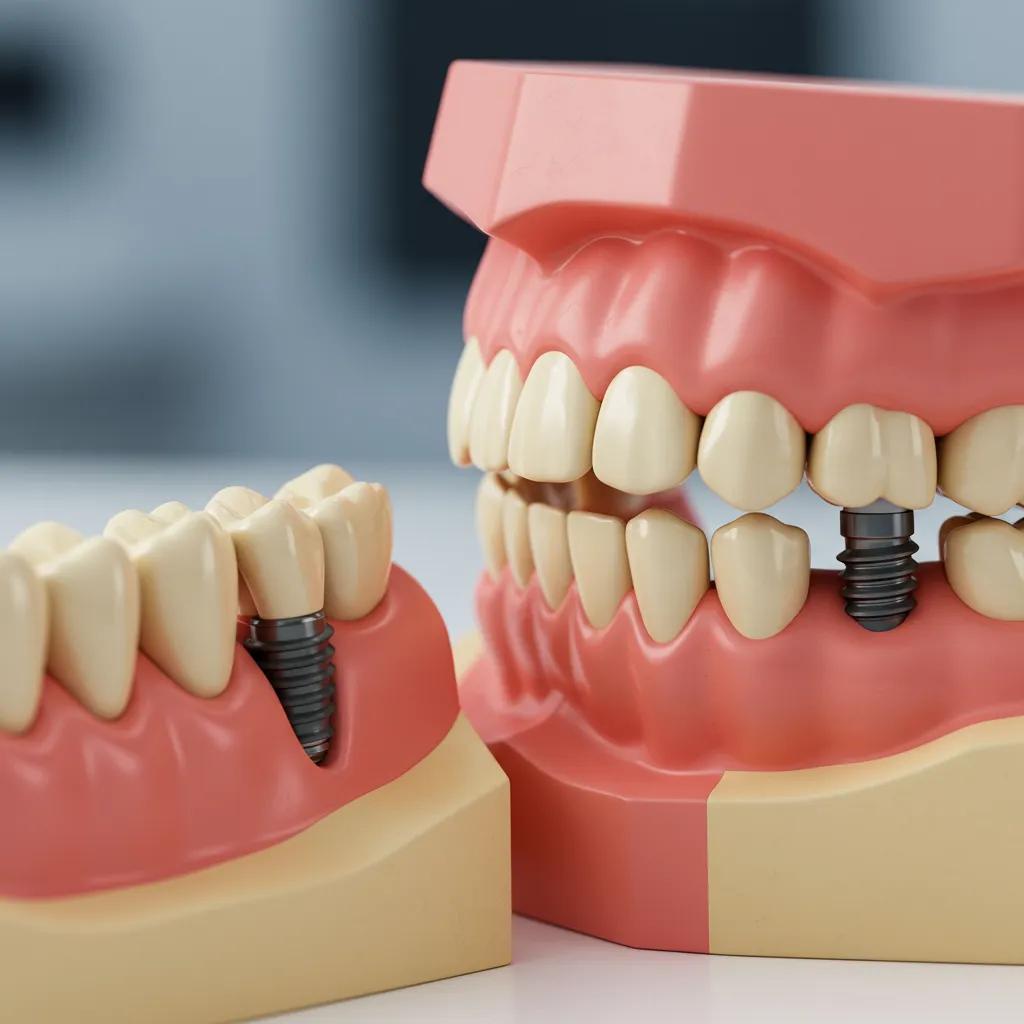
Dental implants are advanced replacements that integrate with your jawbone, providing a stable foundation for a crown or prosthesis. Their success comes from osseointegration, where the implant surface bonds with your bone over time, creating a durable structural connection that restores chewing function and preserves bone volume. Implants replicate the anatomy of a natural tooth—implant post (fixture), abutment, and crown—so they restore both form and function in a way that removable dentures often cannot. Understanding how they work helps you weigh the long-term value of implants against alternative restorative dentistry options. The next subsections define implant parts, outline the advantages for jawbone health, and walk through the clinical steps from consult to final restoration.
What Is a Dental Implant? Definition and Key Components
A dental implant is a high-quality fixture surgically placed into your jawbone to replace a toothroot and support a crown or prosthesis. The core components include the implant post (fixture) which anchors in bone, the abutment that connects the post to the restoration, and the dentalcrown or prosthetic that restores appearance and bite. Implant posts are typically made from strong, biocompatible materials that bond with bone, while crowns are tailored for aesthetics and function by a dental lab. Knowing these parts helps you understand itemized cost drivers—surgical fees cover placement of the post, laboratory fees cover the crown, and abutment pricing depends on design and material. With those basics in mind, the following section explains the long-term health benefits that make implants a valuable investment.
What Are the Benefits of Dental Implants for Jawbone Health and Longevity?
Dental implants preserve jawbone structure by replacing missing tooth roots and stimulating the bone, which helps prevent bone loss compared with removable dentures. This natural bonding process—osseointegration—maintains bone volume and helps stabilize adjacent teeth, improving long-term oral health and reducing the need for future restorative treatments. Functionally, implants restore chewing efficiency and speech while providing a fixed solution that often lasts longer than bridges and removable prostheses when maintained properly. Considering these benefits alongside cost helps patients evaluate implants as an investment in oral health rather than a one-time expense. Understanding the treatment timeline clarifies how these health benefits are achieved over months of healing and restoration.
How Does the Dental Implant Procedure Work? Step-by-Step Overview
Your implant journey typically begins with a consult, clinical exam, and imaging to assess bone volume and your bite, which helps us determine candidacy and plan your treatment. Surgical placement of the implant post follows, with a healing period for the implant to bond with your bone (osseointegration) that commonly ranges from several weeks to a few months, after which an abutment and then a final crown are placed to complete the restoration. Each phase has predictable steps—diagnostic imaging, surgical placement, healing, abutment connection, and prosthetic fabrication—so patients know when to expect office visits and what recovery looks like. Sedation dentistry and technology such as 3D imaging or surgical guides can be used to improve comfort and precision, and those items affect cost and outcomes. Knowing these steps prepares you for timelines and any potential additional procedures that may be required.
What Is the Cost Breakdown for a Single Dental Implant in Fort Worth?
A transparent cost breakdown separates your implant system into individual items—implant post, abutment, crown, imaging, surgical fees, and lab fees—so you can see where costs are allocated and why prices vary. Itemizing charges clarifies what a bundled or itemized estimate covers and helps identify options like lab choices or anesthesia that can affect the price. The table below shows the typical cost categories our dentists use when preparing a Fort Worth estimate; these values are presented as ranges to reflect variability in materials, technique, and additional needs. Reviewing these components makes it easier to compare quotes and understand why a Free Dental Implant Consult is valuable for a personalized estimate based on your specific clinical needs.
Component
What It Covers
Typical Fort Worth Range
Implant post (fixture)
Surgical implant placed in bone; material and manufacturer vary
$1,200 – $2,000
Abutment
Connector piece between implant and crown; standard vs custom
This itemized view shows why single-tooth implant pricing often appears as a bundled sum, since multiple line items contribute to the final quote. If adjunctive work like bone grafting or sedation is required, those increase the total and are discussed under additional procedures below. A Free Dental Implant Consult with our Fort Worth team can clarify which items are included in a given estimate and which would be presented as separate charges.
What Are the Typical Prices for Implant, Abutment, and Crown?
Typical price ranges reflect component costs, lab choices, and how complex your case is, and are expressed here to guide your expectations when comparing estimates. The implant post often represents a large portion of the single-tooth total because it includes high-precision manufacturing and expert placement; abutment design can vary by material and may be standard or custom, affecting price. Crowns involve lab fees and material selections—porcelain-fused-to-metal, all-ceramic, or other options—and are priced accordingly for aesthetics and durability. Understanding these three core items helps patients ask targeted questions during their Free Dental Implant Consult to see which components are included and how upgrades affect longevity and appearance.
Which Additional Procedures Can Affect Single Implant Costs?
Several additional procedures can increase cost and extend the timeline: tooth extraction, bone grafting to build up deficient bone, sinus lifts for upper back teeth, and sedation options for comfort. Each procedure is performed for clinical reasons—an extraction clears infection, grafting builds bone for implant stability, and sinus lifts create vertical height in the upper jaw—and each adds fees for materials, surgical time, and recovery management. Imaging requirements like CBCT scans and specialized surgical guides also add to the estimate but can reduce surgical risk and improve prosthetic outcomes. Discussing potential additional needs during a Free Dental Implant Consult helps you anticipate total cost and plan financing if required.
Who Is an Ideal Candidate for a Single Dental Implant?
Ideal candidates typically have enough jawbone, healthy gums, well-managed health conditions, and a commitment to oral hygiene and maintenance, since these factors influence implant success. Smoking, uncontrolled diabetes, and active periodontal disease increase the risk of complications and may require preparatory care such as smoking cessation or periodontal treatment before implant placement. When bone volume is insufficient, bone grafting may be recommended to create a stable foundation, which affects candidacy and cost. A personalized evaluation—such as the Free Dental Implant Consult offered locally—clarifies candidacy and identifies alternatives like bridges or partial dentures when implants are not immediately appropriate.
How Much Do Multiple Dental Implants Cost Compared to Single Implants?
Multiple dental implants cover a range of restorative strategies—from placing several adjacent single implants to supporting bridges or a full-arch solution such as All-on-4—and costs scale depending on implant count, prosthetic design, and additional work. You might find some cost savings: implant-supported bridges use fewer implants to replace multiple teeth, lowering implant count but adding complexity to the prosthesis and lab work. Full-arch restorations group costs into an arch-level prosthesis and specialized lab fabrication, producing higher upfront costs but potentially better per-tooth value and long-term function compared with replacing each tooth individually. The comparison table below summarizes common multiple-implant solutions, implant counts, and typical Fort Worth cost ranges to help patients weigh single-tooth vs multi-tooth approaches.
Restorative Solution
Typical Implant Count
Typical Fort Worth Range (per arch or case)
Implant-supported bridge
2 – 4 implants
$6,000 – $15,000
Multiple adjacent single implants
2+ single implants
$4,000 – $12,000+ (per tooth aggregated)
All-on-4 (fixed full-arch)
4 implants per arch
$18,000 – $35,000 per arch
Implant-supported denture (overdenture)
2 – 4 implants
$8,000 – $20,000 per arch
This comparative view reveals the trade-offs between fewer implants with complex prosthetics and greater implant counts with simpler crowns. While full-arch options like All-on-4 streamline prosthetic fabrication and can be cost-effective per tooth, they require specific candidacy criteria and may need grafting or extractions that influence the final price. Discussing these options during a Free Dental Implant Consult helps match clinical needs to financial goals and available financing.
What Are Multiple Dental Implants and When Are They Recommended?
Multiple implants replace adjacent missing teeth or support larger prostheses when a patient has lost several teeth in a segment or an entire arch. They’re recommended for continuous tooth loss where preserving adjacent natural teeth is important, areas with no teeth where stability and function are priorities, and cases where removable prostheses cause functional or comfort issues. Decision factors include jawbone quality, your bite, hygiene capacity, and long-term restorative goals, and these conditions guide whether to place individual implants, an implant-supported bridge, or pursue a full-arch solution. A focused consult evaluates these variables and and provides a treatment timeline and estimate that reflect surgical and prosthetic complexity.
How Do Implant-Supported Bridges Affect Cost and Benefits?
An implant-supported bridge replaces multiple adjacent teeth using fewer implants than separate single crowns, lowering the number of implants needed while increasing prosthetic complexity and lab costs. For example, a 3-unit bridge supported by two implants avoids placing three separate implant posts, offering a balance between surgical savings and a fixed restoration that preserves function and adjacent teeth. Benefits include better load distribution, fixed prosthesis stability, and improved aesthetics compared with removable options, while trade-offs include bridge maintenance and the potential need for future prosthetic replacement. Comparing a two-implant bridge to three single implants reveals how the cost per tooth can favor bridge solutions in appropriate situations.
What Is the All-on-4 Dental Implant Procedure and Its Pricing in Fort Worth?
The All-on-4 approach uses four implants strategically angled and placed to support a full-arch fixed prosthesis and is recommended for many patients missing all their teeth who seek a stable, non-removable solution. Its cost structure groups implant placement, prosthetic creation, and possible immediate temporary teeth into an arch-level fee; this initial investment provides immediate function in many cases and simplifies maintenance compared with removable dentures. Pricing in Fort Worth varies with lab materials, adjunctive grafting needs, and whether immediate provisional prosthetics are included, so arch-level ranges are presented above as typical estimates. A Free Dental Implant Consult is the best way to confirm candidacy for All-on-4 and receive a custom quote that accounts for surgical and prosthetic options.
All-on-4 vs. Conventional Full-Arch Dental Implants: Cost Analysis
The cost for patients receiving All-on-4 treatment concept averaged at $42,422 ± 3860 (€31,392 ± 2856), whereas the mean total adjusted cost for conventional full-arch rehabilitation was $33,778 ± 3968 (€24,940 ± 2931).
How Do Implant-Supported Dentures Compare to Fixed Full Arch Implants in Cost and Function?
Implant-supported overdentures use implants to stabilize a removable prosthesis, offering improved retention and function compared to conventional dentures, while fixed full-arch implants provide a non-removable, fixed solution with greater chewing efficiency. Cost-wise, overdentures typically require fewer implants and a less expensive prosthetic, making them a lower upfront option, whereas fixed full-arch restorations cost more initially but can offer superior long-term function and patient satisfaction. Maintenance differs: overdentures may need periodic relining and clip maintenance, while fixed prostheses involve hygiene access and potential prosthetic repairs. Patients should weigh lifestyle preferences, budget, and maintenance tolerance when choosing between these approaches.
What Factors Influence the Overall Cost of Dental Implants?
Many factors influence implant pricing: additional surgical procedures, implant and restoration materials, provider experience, geographic location, and the use of advanced technology or premium labs. Each factor affects both clinical outcomes and cost: bone grafting extends the timeline and adds material fees, premium labs produce lifelike crowns at higher cost, and experienced surgeons may charge more for predictable, care that minimizes complications. Understanding these drivers helps patients interpret quotes and prioritize investments that improve long-term success, such as high-quality implant systems or 3D planning. The EAV table below itemizes additional procedures and common cost implications so you can see how each element contributes to a final treatment estimate.
Procedure or Item
Role in Treatment
Typical Additional Cost Range
Bone grafting
Augments deficient bone for implant support
$300 – $800
Sinus lift
Creates vertical height in upper jaw for implants
$1,000 – $3,000
Tooth extraction
Removes non-restorable tooth prior to implant
$150 – $500
CBCT/3D imaging
Detailed imaging for planning and guides
$150 – $450
Surgical guides
Custom guides improve placement accuracy
$200 – $800
Premium lab materials
Higher esthetics and durability for crowns
$200 – $1,000
This breakdown clarifies why some implant quotes can escalate: necessary additional care and premium components meaningfully increase the total investment but also improve long-term success when indicated. Patients should request itemized estimates and ask which technologies and labs are included to make direct comparisons.
How Do Bone Grafting, Sinus Lifts, and Extractions Impact Pricing?
Bone grafting and sinus lifts are performed when natural bone volume is insufficient to support an implant, and they add separate surgical steps, materials, and healing time to a treatment plan. These procedures affect cost not only through material and surgical fees but by extending the overall timeline and potentially requiring staged treatment, which can add follow-up visits and temporary prosthetics. Extractions may be straightforward or complex; surgically complicated extractions increase chair time and fees. The clinical necessity of these additional procedures is determined during diagnostic imaging and exam, and discussing potential requirements at a Free Dental Implant Consult reduces surprise costs by clarifying expected steps before surgery.
What Are the Cost Differences Between Titanium and Zirconia Implants?
Implant materials affect pricing, aesthetics, and how we choose them for your case; titanium implants are widely used for strength and long-term success, while zirconia implants offer a metal-free, tooth-colored option favored for certain aesthetic needs. Cost differences stem from manufacturing processes and material price, with zirconia often priced higher in some markets due to material and production complexity, though availability varies by provider. Our dentists choose materials based on case-specific factors including location in the mouth, aesthetic demands, and biological considerations; you should discuss material options during consults to understand performance, warranty, and cost implications for your situation.
How Does Location and Clinic Expertise Affect Dental Implant Prices in Fort Worth?
Regional market rates, clinic overhead, and provider expertise influence pricing—experienced surgeons and clinics investing in technology may charge more but deliver results that reduce complications and retreats. In Fort Worth, competitive pricing and local market dynamics can produce a range of estimates; you should compare not only price but what is included in a quote, such as imaging, temporary prosthetics, and post-op care. Investing in an experienced team and appropriate technology can increase initial cost but may lower lifetime treatment expenses by improving predictability. When evaluating providers, ask for credentials, clinical photos or documented case examples, and what is included in any quoted package.
What Role Do Technology and Lab Fees Play in Final Costs?
Advanced technology—like CBCT imaging, digital impressions, and custom surgical guides—adds to upfront costs but enhances precision and how well your prosthetic fits, potentially reducing chair time and complication rates. High-quality dental labs that fabricate crowns and prostheses also command higher fees for superior aesthetics, materials, and fit, which influence the long-term durability and appearance of the restoration. While lower-cost labs and minimal imaging reduce initial expense, they can increase the risk of remakes or adjustments that add cost later. Patients should ask providers what technology and labs are included in estimates and weigh immediate savings against potential long-term value.
How Can Patients Make Dental Implants More Affordable in Fort Worth?
To make dental implants more affordable, you can verify dental insurance benefits, use clinic payment plans, apply for third-party financing, and take advantage of promotions such as a Free Dental Implant Consult that helps create an accurate treatment estimate. You should gather your insurance details before a consult to allow for benefits verification and predetermination requests that reduce out-of-pocket surprises. Affordable Dentist Near Me in Fort Worth explicitly accepts PPO insurances, offers a Low Price Guarantee, and provides a Free Dental Implant Consult to evaluate needs and present financing options, which can be useful steps when planning treatment. Below are actionable methods to reduce cost or spread payments while getting high-quality care.
Verify insurance benefits and request predetermination to clarify coverage limits.
Use clinic payment plans or third-party financing to divide costs into manageable monthly payments.
Schedule a Free Dental Implant Consult to obtain a personalized estimate and discuss discount guarantees.
Does Dental Insurance Cover Dental Implants and What Are Typical Coverage Limits?
Insurance coverage for implants varies widely: some PPO plans offer partial coverage for portions of implant treatment such as crown or prosthetic components, while others exclude implants outright, so checking plan specifics is essential. Fort Worth patients should call their insurer or request a predetermination through the dental office to learn coverage limits, waiting periods, and annual maximums that influence out-of-pocket cost. Affordable Dentist Near Me accepts all PPO insurances, which simplifies the process for Fort Worth patients who wish to use insurance benefits toward implant-associated services. Discussing coverage at the Free Dental Implant Consult ensures the clinic can verify benefits and estimate patient responsibility before treatment begins.
What Flexible Payment Plans and Financing Options Are Available?
Many clinics offer in-house payment plans that spread costs over months, while third-party financing companies provide tiered loan terms and promotional interest rates that can reduce upfront financial burden. When considering financing, evaluate interest rates, term length, and total cost to determine which option minimizes overall expense without compromising treatment scope. Affordable Dentist Near Me offers flexible financing options and emphasizes transparent pricing with a Low Price Guarantee, and the Free Dental Implant Consult is a practical time to discuss payment plans and complete any necessary applications. Preparing questions about monthly payments and total interest during the consult ensures financial clarity before committing to treatment.
How Can Patients Benefit from Special Offers Like Free Dental Implant Consultations?
A Free Dental Implant Consult typically includes a clinical exam, imaging review, treatment option discussion, and an individualized cost estimate, which reduces uncertainty and helps patients plan both clinically and financially. This no-cost visit allows patients to compare restorative approaches, discuss material choices, and explore financing or insurance strategies without pressure, making it valuable for decision-making. Affordable Dentist Near Me offers a Free Dental Implant Consult for Fort Worth patients to provide a personalized plan and explain financing and the Low Price Guarantee where applicable. Scheduling this consult is a practical first step to obtain accurate, itemized pricing and to align treatment timing with personal finances.
How to Choose Between Single and Multiple Dental Implants?
Choosing between single and multiple implants means balancing your clinical needs, anatomy, budget, and long-term goals. You’ll want to weigh tooth-by-tooth preservation against overall functional restoration. Single implants are a good choice for isolated tooth loss and preserve adjacent teeth, while multiple implants or full-arch solutions address broader tooth loss and can provide better per-tooth value for extensive restoration. Clinical considerations—such as bone quality, periodontal health, and hygiene capability—help us determine feasibility and influence whether staged single implants or a comprehensive full-arch approach is best. Using a decision checklist and case examples helps translate clinical factors into a patient-specific choice, and a Free Dental Implant Consult can apply these factors to your unique oral health.
Assess the number and location of missing teeth and the condition of adjacent teeth.
Consider bone volume and whether adjunctive grafting is likely to be required.
Evaluate lifestyle goals: fixed, non-removable teeth versus removable prostheses and maintenance preferences.
What Are the Key Benefits and Drawbacks of Single vs. Multiple Implants?
Single implants preserve adjacent tooth structure and are suitable for isolated tooth loss, offering long-lasting results and straightforward maintenance, but they can be more costly per tooth when multiple adjacent teeth are missing. Multiple implants or implant-supported bridges reduce the number of implants required for several missing teeth and may be more cost-effective per replaced tooth, yet they introduce prosthetic complexity and potentially higher lab fees. Full-arch restorations offer immediate functional gains and per-tooth cost efficiency in many cases but require a significant initial investment and careful candidacy screening. Comparing these pros and cons helps patients match clinical needs and budget.
Cost-Effectiveness of Dental Implants for Single Tooth Replacement
The review of three studies focusing on the costs/cost-effectiveness of dental implants for single-tooth replacement indicated that implants were more cost-effective than fixed partial dentures and conventional dentures over a 10-year period.
How Do Patient Needs and Oral Health Influence Implant Choice?
Patient-specific factors—smoking status, systemic health such as diabetes control, periodontal disease, and oral hygiene capacity—influence implant success rates and determine whether preparatory care is required. For patients with compromised bone or periodontal conditions, staged treatment including grafting or periodontal therapy may be needed before implants can be placed, affecting both timing and cost. Lifestyle factors, such as desire for a fixed restoration versus tolerance for removable prosthetics, also guide selection between single and multiple implants. A personalized consult evaluates these health and lifestyle variables to produce a tailored plan aligned with patient goals.
Cost-Effectiveness and Quality of Life: Single Implant vs. Fixed Dental Prosthesis
From the analysis of survey of QOL of each stage and treatment, the selection of an Implant led to a higher QOL value than FDP. However, the estimated 30-year cost for IFDP was lower than Implant. It also became evident that PFDP had an extended dominated condition compared with IFDP and Implants. The ICER on the Implant versus IFDP was €1423.00.
When Is Full Mouth Restoration the Best Option?
Full mouth restoration is typically considered when multiple teeth are failing or missing in both arches, when remaining teeth are not salvageable, or when the patient desires a comprehensive, fixed solution to restore function and aesthetics. Full-arch approaches like All-on-4 focus the restorative effort into arch-level prosthetics, offering a predictable bite, improved chewing efficiency, and streamlined maintenance for suitable candidates. The trade-offs include a larger upfront cost and the potential need for additional procedures such as extractions or grafting. Careful case selection during a consult ensures that full-mouth restoration delivers the intended quality-of-life and functional benefits.
Why Choose Affordable Dentist Near Me in Fort Worth for Your Dental Implants?
Affordable Dentist Near Me provides dental implant services in Fort Worth and emphasizes affordability and patient comfort as part of our local commitment to you. The practice highlights Everyday Low Fees and a Low Price Guarantee, offers a Free Dental Implant Consult to provide personalized treatment planning at no charge, and accepts all PPO insurances to simplify benefit coordination for patients. Sedation dentistry and an experienced dental team, including Dr. Mike Tri Pham, DDS, are part of our practice offerings intended to improve comfort and clinical quality for implant patients. Fort Worth patients seeking transparent pricing and a straightforward consult pathway can consider this clinic as one local option among others to compare.
What Makes Affordable Dentist Near Me Fort Worth a Leader in Affordable Dental Implants?
Our practice promotes affordability through Everyday Low Fees and a Low Price Guarantee, which are designed to reduce financial barriers to care. The availability of a Free Dental Implant Consult allows patients to receive an individualized assessment and cost estimate before committing to treatment, which helps clarify true out-of-pocket responsibility. Accepting all PPO insurances reduces hassle for many patients, allowing our clinic to help verify benefits and submit predetermination requests when appropriate. These features together support Fort Worth patients who prioritize transparent, budget-conscious implant care.
How Does the Experienced Dental Team Ensure Quality and Comfort?
Affordable Dentist Near Me has an experienced team and offers sedation dentistry as part of our comfort offerings to help patients receive treatment with reduced anxiety and improved comfort. Dr. Mike Tri Pham, DDS is a local contact associated with the Fort Worth location, and sedation options allow our dentists to tailor comfort to your needs during surgical phases. Patients should discuss sedation levels, monitoring, and recovery expectations during the Free Dental Implant Consult to align comfort choices with clinical requirements. Ensuring team experience and comfort protocols contributes to predictable outcomes and positive patient experiences.
What Do Patient Testimonials Say About Their Implant Experiences?
Our practice has a strong local reputation that prospective patients can review when evaluating providers, and our clinic’s Google Business Profile contains patient reviews and ratings for reference. Sharing anonymized case studies and before/after images with patient consent is recommended to demonstrate clinical results and help prospective patients set realistic expectations. For Fort Worth residents seeking social proof, reading locally posted reviews and asking the clinic for documented case examples during the Free Dental Implant Consult helps assess satisfaction, outcomes, and the patient experience. Reviews should be considered alongside clinical details such as included technologies and warranty policies.
How Do I Schedule a Free Dental Implant Consultation in Fort Worth?
Scheduling a Free Dental Implant Consult is the recommended first step to obtain a personalized treatment plan and itemized cost estimate without commitment. You can schedule online via our Fort Worth location booking options or by calling the practice directly. When you call our Fort Worth office at +1-817-953-3206, prepare to provide basic insurance information, a summary of your dental history, and any immediate concerns so the front desk can allocate appropriate appointment time. Alternatively, our clinic’s Fort Worth location page on its website offers an easy online booking option for those who prefer digital scheduling; look for the Fort Worth location scheduling option and follow the prompts to select an appointment. During the Free Dental Implant Consult you will receive an exam, imaging review, and a discussion of options and financing.
What to Expect During Your Free Dental Implant Consult
The Free Dental Implant Consult typically begins with a focused clinical exam and review of imaging to evaluate bone levels, tooth positions, and periodontal health relevant to implant candidacy. The dentist will explain treatment options—single implant, implant-supported bridge, All-on-4, or implant-supported denture—outline expected timelines, and present an individualized cost estimate that itemizes components and notes any likely adjunctive procedures. This visit also addresses financing and insurance verification, helping patients understand what costs insurance may cover and what payment plans are available. Bringing your insurance card and a list of medications helps streamline benefit verification and produces a more accurate estimate.
How to Book Your Appointment Online or by Phone
Booking is straightforward: call our Fort Worth office at +1-817-953-3206 and request a Free Dental Implant Consult, or use the Fort Worth location booking option on our website to select an available appointment time. When calling, mention that you want an implant consult so staff can reserve time for imaging and a treatment planning discussion; provide your insurance details if you wish benefits to be verified in advance. If booking online, choose the Fort Worth location and the consult service type, then complete any prompted patient information and arrive with your insurance card and questions prepared. Scheduling the consult is a no-cost, no-pressure way to obtain a tailored estimate and a clear next-step plan.
Frequently Asked Questions
What is the recovery time after dental implantsurgery?
The recovery time after dental implantsurgery can vary depending on individual health factors and the complexity of the procedure. Generally, the initial healing period for osseointegration, where the implant fuses with the jawbone, takes about 3 to 6 months. During this time, patients may experience some swelling and discomfort, which can be managed with prescribed pain relief. Follow-up visits are essential to monitor healing and ensure the implant is integrating properly. After the healing phase, the final restoration can be placed, completing the process.
Are there any risks or complications associated with dental implants?
Like any surgical procedure, dental implants carry some risks and potential complications. These can include infection at the implant site, nerve damage, sinus issues (especially for upper jaw implants), and implant failure due to insufficient bone density or improper placement. However, these risks can be minimized by choosing an experienced dental professional and following pre- and post-operative care instructions. Discussing your medical history and any concerns during your Free Dental Implant Consult can help identify potential risks specific to your situation.
How long do dental implants typically last?
Dental implants are designed to be a long-term solution for toothreplacement, with a lifespan that can exceed 10 to 15 years, and often much longer with proper care. Factors influencing their longevity include the quality of the implant, the skill of the dental professional, and the patient‘s oral hygiene practices. Regular dental check-ups and maintaining good oral health are crucial for ensuring the longevity of the implants. Some patients may even keep their implants for a lifetime if they adhere to recommended care and maintenance routines.
Can dental implants be placed if I have gum disease?
Having gum disease does not automatically disqualify a patient from receiving dental implants, but it must be treated and controlled beforehand. Active gum disease can compromise the success of the implant by affecting the surrounding bone and tissue. A thorough evaluation during your Free Dental Implant Consult will determine the health of your gums and whether any periodontal treatment is necessary prior to implant placement. Once gum health is restored, implants can be successfully placed, leading to improved oral health outcomes.
What should I expect during the dental implant consultation?
During your dental implant consultation, you can expect a comprehensive evaluation that includes a clinical exam, imaging studies to assess bone density, and a discussion of your dental history and treatment goals. The dentist will explain the implant procedure, outline potential costs, and discuss financing options. This is also an opportunity to ask questions about the process, recovery, and any concerns you may have. The goal is to provide you with a clear understanding of what to expect and to create a personalized treatment plan tailored to your needs.
Are there alternatives to dental implants for toothreplacement?
Yes, there are several alternatives to dental implants for toothreplacement, including dental bridges and dentures. Dental bridges use adjacent teeth for support and can effectively replace one or more missing teeth, while dentures are removable prosthetics that can replace an entire arch of teeth. Each option has its pros and cons regarding cost, aesthetics, and functionality. During your Free Dental Implant Consult, the dentist will discuss these alternatives and help you determine the best solution based on your specific dental needs and lifestyle preferences.
How Much Does a Single Dental Implant Cost in Fort Worth?
A single dental implant in Fort Worth typically falls within a component-based range presented earlier, with full single-tooth treatment often quoted between several thousand dollars depending on the implant system, crown materials, and any additional procedures. Pricing varies due to implant brand, abutment type, lab materials, and whether bone grafting or advanced imaging is necessary, so a personalized Free Dental Implant Consult is the best way to get an exact number for your situation. Request an itemized estimate to see what is included and what might be billed separately.
What Is the Price Difference Between Single and Multiple Dental Implants?
Multiple dental implants increase total cost relative to a single implant, but economies of scale can make implant-supported bridges or full-arch solutions more cost-effective on a per-tooth basis compared with placing many individual implants. Full-arch options such as All-on-4 have higher upfront costs but often lower per-tooth expense and improved long-term function, whereas implant-supported bridges reduce implant count but increase prosthetic complexity. Review the comparative table earlier in this article to see typical Fort Worth ranges and discuss trade-offs during a consult for custom pricing.
Are Dental Implants Covered by Insurance?
Insurance coverage for implants varies; many PPO plans provide partial coverage for certain prosthetic components while excluding full implant costs, so verifying benefits through your plan is essential. Affordable Dentist Near Me accepts all PPO insurances and can assist Fort Worth patients with benefits verification and predetermination to clarify coverage limits and out-of-pocket responsibilities. Use the Free Dental Implant Consult to have the clinic check your plan and prepare documentation for any preauthorization requests.
What Factors Affect the Cost of Dental Implants?
Primary cost drivers include implant and prosthetic materials, additional procedures (bone grafts, sinus lifts, extractions), provider expertise, technology and imaging, and laboratory fees for crowns and prostheses. Each variable influences both the clinical outcome and the price: for example, premium lab work improves aesthetics but increases cost, while additional grafting procedures add surgical fees and healing time. Refer to the EAV tables in earlier sections to see how each component contributes to a final estimate.
How Can I Finance My Dental Implants in Fort Worth?
Financing options include clinic payment plans that amortize costs over months, third-party dental financing providers with promotional terms, and arranging payment schedules during treatment planning; each option varies by interest rates and terms. Discuss financing during your Free Dental Implant Consult to learn which plans the Fort Worth clinic offers and to complete any applications so treatment can proceed with clear monthly payments. Preparing your insurance information and personal budget questions ahead of the consult speeds the process and helps match a financing plan to your needs.
Conclusion
Choosing between single and multiple dental implants can significantly impact your oral health and budget, making it essential to understand the benefits of each option. Dental implants not only restore function and aesthetics but also contribute to long-term jawbone health, making them a worthwhile investment. To explore your personalized options and receive a detailed cost estimate, consider scheduling a Free Dental Implant Consult with our experienced team. Take the first step towards a confident smile by contacting us today.