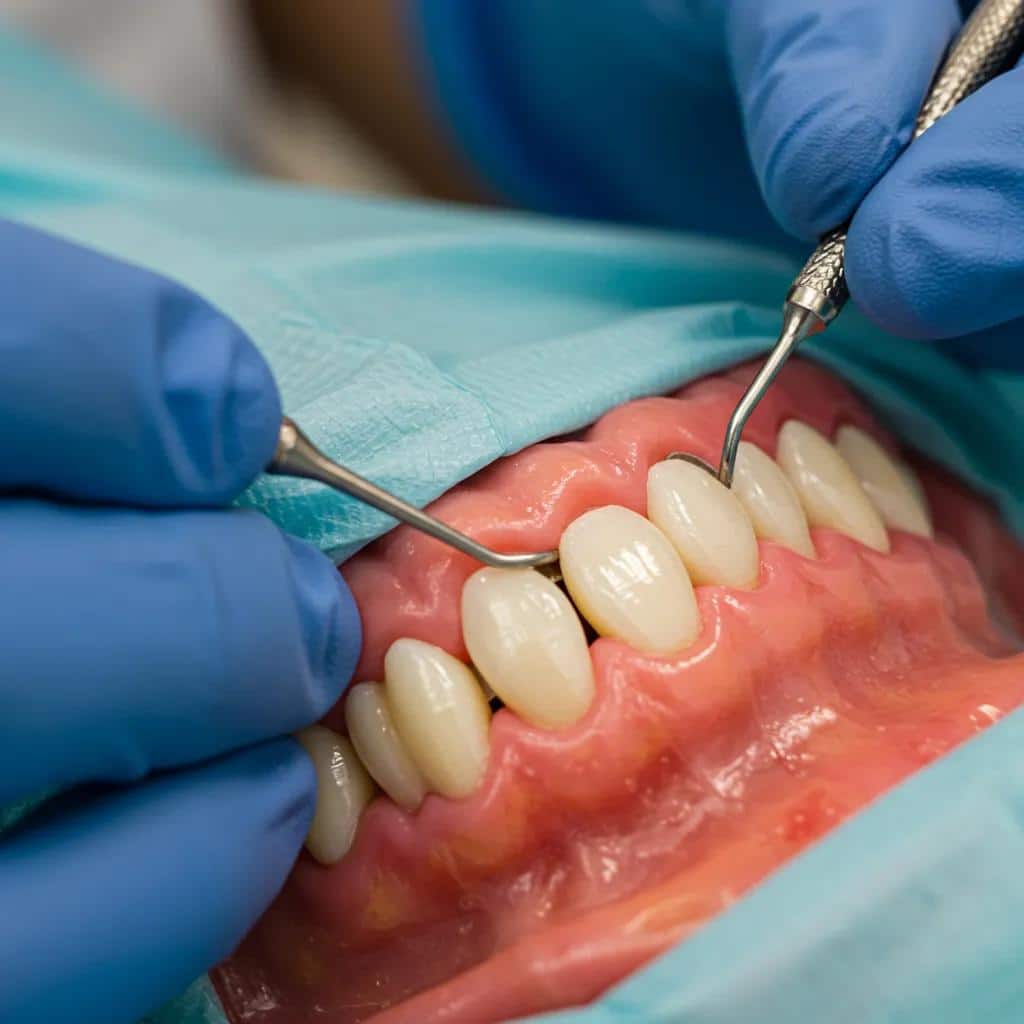
What Causes Receding Gums on One Tooth? Understanding Localized Gum Recession and Treatment Options
A receding gum line on a single tooth signals that localized gum recession has begun to expose the root surface, increasing sensitivity and risk of decay. This condition occurs when gum tissue pulls away from one tooth, often due to a specific trigger rather than whole-mouth issues. Patients in their 40s to 60s should recognize that early diagnosis can prevent progression, preserve bone health, and maintain a confident smile. In this article, readers will discover six common causes of one-tooth gum recession, learn how to spot early warning signs, understand when to seek professional care in Lake Worth, explore non-surgical and surgical treatments—including dental veneers and gum grafting—and master prevention strategies. By the end, every patient will feel empowered to ask the right questions before scheduling a free consult with Dentist in Lake Worth – Dentures & Dental Implants.
Why Does Gum Recession Affect Only One Tooth? Common Causes Explained
Localized gum recession on a single tooth stems from targeted forces or conditions that harm gum tissue around that tooth. Mechanical trauma, infection, genetics, and tooth position can each create a focal point of tissue loss. Understanding these specific triggers helps patients tailor prevention and treatment plans rather than treating every tooth the same way. Identifying the root cause leads directly into effective solutions, from gentle brushing techniques to advanced periodontal procedures.
How Does Aggressive Brushing Lead to Gum Recession on a Single Tooth?
Brushing with too much force or a hard-bristled brush concentrates abrasive action on one tooth’s gum line. Over time, the abrasive pressure wears away collagen fibers in the gingival margin, exposing the root surface. For example, scrubbing back and forth with stiff bristles removes protective tissue faster in areas where brushing is hardest. Patients can switch to a soft-bristled toothbrush and a gentle circular technique to reduce micro-trauma. Recognizing that improper brushing habits cause localized erosion prepares the mouth for balanced oral care.
Can Periodontal Disease Cause Receding Gums on One Tooth?
Yes, localized periodontal disease can lead to gum recession around a single tooth when bacteria accumulate in a deep pocket. Infection beneath the gum margin triggers immune responses that break down connective tissue and bone supporting that tooth. Plaque-induced inflammation focuses most intensely where the pocket is deepest, so one tooth may suffer more than its neighbors. Early scaling and root planing remove bacterial biofilm below the gum line and halt tissue destruction. Controlling periodontal pockets reduces recession risk and preserves tooth stability.
How Do Misaligned Teeth or Orthodontic Issues Contribute to Localized Gum Recession?
Malpositioned teeth or bite imbalances concentrate chewing forces unevenly, applying excessive pressure on one tooth’s gum margin. This chronic overload compromises blood flow and accelerates tissue breakdown along that tooth. For instance, a tooth rotated outward may experience direct cheek friction and uneven occlusal contacts. Orthodontic correction redistributes occlusal forces and realigns teeth into healthier positions. Addressing misalignment restores balanced pressure and reduces site-specific gum recession.
What Role Does Trauma or Injury Play in Receding Gums on One Tooth?
Physical injury—such as poking with a sharp object, accidental impact, or habits like lip and tongue piercings—can damage gum tissue around one tooth. A single traumatic event may tear or bruise the gum margin, initiating recession during healing. Repetitive trauma from biting a fingernail on that side or toothpicks lodged in one spot will produce a similar effect. Protecting the gum line with a mouthguard during sports or breaking a piercing habit prevents further tissue loss. Recognizing injury as a cause shifts focus toward protective measures and targeted healing.
How Does Genetics and Thin Gum Tissue Affect Gum Recession on a Single Tooth?
Inherited thin biotype gums are more vulnerable to recession under normal oral stresses. When gum tissue is naturally delicate, even routine brushing or minor bacterial irritation can trigger recession on a single tooth. Genetic predisposition means one area of thinner tissue may recede earlier than others. A periodontal specialist can assess gum thickness and recommend connective-tissue grafting to reinforce the vulnerable site. Insight into genetic factors guides personalized prevention and long-term gum stability.
Can Teeth Grinding or Clenching Cause Gum Recession on One Tooth?
Bruxism concentrates excessive lateral forces on tooth roots, straining the periodontal ligament and leading to localized gum detachment. Grinding during sleep creates micro-movements that gradually pull gum tissue away from one tooth with the highest force. A custom night guard redistributes clenching pressure across the arch and protects vulnerable gum margins. Identifying parafunctional habits and intervening early stops the mechanical stress that drives one-tooth recession.
What Are the Symptoms of Receding Gums on One Tooth? How to Recognize Early Signs
Early recognition of localized gum recession allows prompt intervention and prevents more extensive tissue loss. Key symptoms include visible root exposure, a noticeably longer tooth appearance, sharp sensitivity to hot or cold, and notching at the gum line. Patients may also detect mild inflammation or bleeding when flossing around the affected tooth. Identifying these signs in their earliest form preserves both health and aesthetics.
What Does an Exposed Tooth Root Look and Feel Like?
An exposed root appears as a smooth, lighter-colored area below the gum margin compared to the rough, darker crown surface. Patients often describe a gritty or chalky texture when running a tongue over the exposed area. Root surfaces lack enamel, so they may feel softer and more susceptible to plaque retention. Recognizing this difference signals that gum tissue has receded and the root is no longer protected.
Why Does a Single Tooth Appear Longer with Gum Recession?
As the gum margin shifts apically along one tooth, more of the root becomes visible, making the tooth look elongated relative to neighbors. This change creates an asymmetrical smile line that patients often notice first in a mirror. The longer appearance also alters light reflection across the gum line, drawing attention to the recession. Addressing this aesthetic concern without delay preserves a harmonious smile architecture.
How Does Tooth Sensitivity Indicate Localized Gum Recession?
Exposed dentin contains microscopic tubules that transmit thermal and chemical stimuli directly to nerve endings, causing sharp sensitivity to hot, cold, sweet, or acidic foods. When only one tooth triggers intense discomfort, localized recession is a likely culprit. Desensitizing toothpaste or in-office fluoride varnish can provide temporary relief as gum tissue heals or is surgically restored.
What Other Signs Suggest Gum Inflammation or Notching on One Tooth?
Inflammation around the base of one tooth may present as redness, slight swelling, or bleeding when brushing and flossing that area. Gum notches—V-shaped indentations at the cervical area—often accompany recession and indicate mechanical wear or tissue collapse. Patients might also detect a small gap between the gum and tooth that traps food debris more easily. Monitoring these signs guides timely treatment before progression.
When Should You See a Dentist for Receding Gums on One Tooth in Lake Worth?
Timely dental consultation ensures early diagnosis and prevents irreversible tissue and bone loss around a single tooth. If you notice sensitivity, visible root exposure, or a longer tooth compared to its neighbor, schedule an evaluation within two weeks. Patient education and prompt intervention reduce the likelihood of surgical grafting down the road. Our Lake Worth practice offers comprehensive periodontal exams and a free consult to assess gum health and determine the best care pathway.
How Does a Dentist Diagnose Localized Gum Recession?
A dentist measures pocket depths with a periodontal probe along the gum line to identify recession severity and attachment loss. Intraoral radiographs verify underlying bone levels around the affected tooth. Photographic documentation and charting track changes over time to refine treatment planning. This diagnostic protocol ensures precise, personalized care for that single site.
What Are the Risks of Delaying Treatment for One-Tooth Gum Recession?
Leaving localized recession untreated increases the risk of root caries, rapid tissue loss, tooth mobility, and eventual tooth loss. Progressive bone resorption can compromise adjacent teeth and alter bite alignment. Systemic inflammation from chronic periodontal pockets may also elevate overall health risks. Early professional care prevents these complications and preserves both oral and general well-being.
Who Is the Best Specialist for Treating Gum Recession in Lake Worth?
A periodontist specializes in gum disease and surgical gum procedures, making them ideally suited for advanced recession cases. General dentists with periodontal training can manage mild to moderate recession through non-surgical therapies and referral networks. At Dentist in Lake Worth – Dentures & Dental Implants, our team includes experienced periodontists and general dentists collaborating to deliver the highest standard of gum recession care.
What Are the Treatment Options for Receding Gums on One Tooth? Comprehensive Care at Lake Worth Dental Clinic
Personalized treatment for one-tooth gum recession ranges from conservative therapies to advanced surgical techniques. Non-surgical cleaning addresses mild cases, while connective-tissue grafts and minimally invasive methods restore form and function in moderate to severe scenarios. Cosmetic solutions, such as dental veneers in Lake Worth, can mask residual aesthetic defects after gum health is reestablished.
How Do Non-Surgical Treatments Help Receding Gums on a Single Tooth?
Scaling and root planing remove bacterial buildup below the gum line, allowing healing of inflamed tissue and reattachment to the root surface. Desensitizing agents applied in office or via prescription toothpaste block nerve tubules, reducing sensitivity. Antimicrobial rinses minimize infection risk and support gum re-adaptation. Together, these measures can stabilize early recession without surgery.
What Is Gum Grafting for One Tooth? Types and What to Expect
A connective-tissue graft harvests tissue from the palate and secures it over the exposed root to thicken the gum margin. Free gingival grafts use small strips of donor tissue for wider coverage at a singular site. Pedicle grafts rotate adjacent tissue, preserving blood supply and accelerating healing. All graft types aim to re-establish a healthy, protective gum band and improve aesthetics.
Graft Type
Tissue Source
Primary Benefit
Healing Time
Connective-Tissue Graft
Patient’s palate
Thickens gum, reduces recession
2–4 weeks
Free Gingival Graft
Palatal strips
Increases band width
1–3 weeks
Pedicle Graft
Adjacent gum flap
Preserves blood supply
2–3 weeks
Each graft option restores tissue thickness and coverage. Proper site selection and post-op care support optimal outcomes before cosmetic enhancements.
How Can Dental Veneers Cover Exposed Roots on a Single Tooth?
Dental veneers provide a thin porcelain or composite shell to cover exposed root surfaces after gum stability is achieved. By shaping and bonding to the tooth, veneers mask discoloration and restore a harmonious gum-to-tooth contour. This cosmetic approach complements periodontal treatment by delivering an immediate aesthetic boost while underlying tissues remain healthy.
Are Minimally Invasive Procedures Like the Pinhole Surgical Technique Available?
The Pinhole Surgical Technique involves creating a small entry point in the gum above the recession site and gently repositioning tissue over the exposed root. This suture-free method reduces discomfort and speeds recovery compared to traditional grafts. Patients experience less downtime while achieving comparable coverage and cosmetic results. (colgate.com)
How Does the Lake Worth Clinic Offer Affordable and Expert Gum Recession Treatments?
Our practice combines state-of-the-art periodontal technology with flexible financing and insurance options to make gum recession care accessible. An experienced team delivers both non-surgical and surgical interventions under one roof, and every patient receives a free consult to explore individualized treatment plans. This comprehensive model ensures balanced expertise, affordability, and lasting results.
How Can You Prevent Receding Gums on One Tooth? Effective Oral Care and Lifestyle Tips
Preventing further recession hinges on consistent daily habits and lifestyle modifications that protect vulnerable gum margins. Gentle brushing, proper flossing, balanced nutrition, tobacco avoidance, and bruxism management all play critical roles in preserving gum health around a single tooth. By implementing these strategies, patients can minimize the risk of tissue breakdown and sustain long-term smile wellness.
What Brushing Techniques Protect Against Localized Gum Recession?
Use a soft-bristled brush and a gentle circular motion rather than a back-and-forth scrub. Angle the brush at 45 degrees toward the gum line to sweep plaque away without abrading delicate tissue. Replace the toothbrush every three months to maintain bristle integrity and prevent excessive pressure. Consistent technique reduces micro-trauma and supports tissue resilience around one tooth.
How Does Flossing and Daily Oral Hygiene Prevent Gum Line Erosion?
Flossing removes plaque and food debris from interdental spaces where toothbrush bristles cannot reach. A single-tooth recession site often traps more debris, so daily flossing prevents bacterial accumulation and inflammation. Using an antimicrobial mouth rinse further disrupts biofilms along the gum margin. Together, these habits maintain a balanced microbial environment, protecting the gum line from localized breakdown.
Can Diet and Tobacco Cessation Help Maintain Gum Health?
A diet rich in vitamins C and D, calcium, and antioxidants supports collagen synthesis and immune resilience in gum tissue. Limiting sugary and acidic foods minimizes plaque formation and enamel erosion that can contribute to recession. Tobacco use impairs circulation and delays healing, increasing recession risk. Quitting smoking or chewing tobacco enhances periodontal health and strengthens gum attachment to one tooth and beyond.
How Do Night Guards Prevent Gum Damage from Teeth Grinding?
A custom-fit night guard provides a protective barrier between upper and lower teeth, dissipating grinding forces away from vulnerable gum margins. By distributing pressure evenly, the guard prevents micro-trauma that accelerates recession on the most stressed tooth. Regular use during sleep preserves both tooth structure and gum integrity over time.
What Are the Long-Term Effects of Untreated Receding Gums on One Tooth?
Ignoring recession around a single tooth leads to progressive tissue and bone loss, heightened sensitivity, and eventual tooth instability. Beyond oral consequences, chronic periodontal inflammation can influence systemic health, linking to cardiovascular and metabolic conditions. Addressing one-tooth recession promptly preserves function, appearance, and overall well-being.
How Does Localized Gum Recession Affect Tooth Stability and Bone Health?
As gum tissue recedes, the underlying bone also resorbs, reducing the root’s anchorage in the jaw. This loss of support increases tooth mobility and the risk of fracture under normal chewing forces. Stabilizing gum attachment early halts bone loss and maintains tooth longevity.
Can Receding Gums on One Tooth Lead to Systemic Health Issues?
Chronic inflammation from a periodontal pocket around one tooth can release pro-inflammatory mediators into the bloodstream, contributing to coronary artery disease, rheumatoid arthritis, and glycemic control issues. Treating localized recession reduces inflammatory burden and supports whole-body health.
What Are the Cosmetic and Functional Consequences of Ignoring Gum Recession?
A single long tooth disrupts smile harmony and may cause self-consciousness. Persistent exposure of the root increases sensitivity, making everyday activities like drinking coffee or speaking uncomfortable. Early intervention prevents these cosmetic and functional setbacks, preserving confidence and comfort.
What Questions Should You Ask Your Dentist About Receding Gums on One Tooth? Preparing for Your Free Consult in Lake Worth
Entering a consultation with clear questions empowers patients to understand causes, care options, and costs for localized gum recession. A focused dialogue ensures personalized treatment that aligns with lifestyle, insurance coverage, and aesthetic goals. Preparing these questions maximizes the value of a free consult at Dentist in Lake Worth – Dentures & Dental Implants.
How to Discuss Causes and Treatment Options with Your Dentist?
Ask which specific factor—brushing technique, periodontal infection, or tooth position—most likely triggered your recession. Request an explanation of non-surgical versus surgical therapies, including success rates and expected recovery. Clarifying these points helps you compare approaches and set realistic outcomes.
What Should You Know About Costs, Insurance, and Financing for Gum Recession Care?
Inquire whether scaling and root planing, grafting procedures, and dental veneers are covered under your plan. Discuss available payment plans, in-house financing, and any promotional offers tied to a free consult. Transparent cost discussion ensures that treatment aligns with both your oral health needs and budget.
How to Schedule and Prepare for Your Free Consultation at Dentist in Lake Worth?
Call or visit our new patient page to request a no-obligation assessment of your gum recession. Gather recent dental history, a list of medications, and photos of your smile to share during the exam. A well-prepared consult yields a comprehensive care plan tailored to restoring gum health around that single tooth.
Frequently Asked Questions About Receding Gums on One Tooth
Can Receding Gums on One Tooth Be Fixed Permanently?Permanent resolution depends on addressing the underlying cause and restoring tissue through grafting or minimally invasive techniques. After successful grafts or the pinhole surgical technique, a stable gum margin can endure long term with proper home care.
What Is the Best Treatment for Gum Recession on a Single Tooth?The optimal therapy matches recession severity: non-surgical scaling and root planing for mild cases and grafting procedures—connective-tissue grafts or pinhole surgery—for moderate to severe sites. Cosmetic veneers may follow to perfect aesthetics.
How Do You Stop Gum Recession on One Tooth from Getting Worse?Implement gentle brushing with a soft-bristled brush, daily flossing, antimicrobial rinses, and night guard use if grinding occurs. Early periodontal cleaning and infection control inhibit further tissue loss.
Are Dental Veneers a Solution for Receding Gums?Dental veneers improve appearance by covering exposed roots but do not treat the recession itself. They serve as a cosmetic complement after gum stability is restored through periodontal therapy.
How Long Does Gum Grafting Take to Heal on One Tooth?Most graft sites heal within two to four weeks, with full tissue maturation over three to six months. Patients experience minimal discomfort and return to normal brushing after initial healing.
A single receding gum line need not become an irreversible problem. By understanding the causes, spotting early symptoms, seeking prompt professional care, and exploring tailored treatments—from gentle cleaning to advanced grafting or veneers—patients safeguard both function and aesthetics.
Proactive prevention through proper oral hygiene, diet, and bruxism management maintains results. Prepare informed questions for your free consult at Dentist in Lake Worth – Dentures & Dental Implants and take the first step toward a healthier, confident smile.