What to Know About Oral Care for Implants: Complete Guide to Dental Implant Aftercare and Maintenance
Dental implants are titanium fixtures placed into the jawbone to replace missing teeth and restore chewing function, and proper aftercare directly supports osseointegration and long-term success. This guide teaches practical after-surgery steps, daily oral hygiene techniques, product choices, lifestyle adjustments, complication recognition, and professional maintenance schedules so implant patients in Mansfield, Texas can protect their investment. Many patients worry about peri-implantitis, prosthetic wear, and how everyday habits affect implant longevity; addressing plaque control, gentle mechanical cleaning, and timely professional checks prevents most problems. Below you will find immediate post-op checklists, step-by-step brushing and interdental cleaning techniques, clear product comparisons for implant-safe tools, dietary guidance for healing and maintenance, and red-flag signs that require prompt evaluation. The article also explains how regular professional visits work and provides local next steps for Mansfield residents who want a low-friction way to start implant maintenance planning. Throughout, terms like peri-implantitis, water flosser, interdental brushes, and soft-bristled toothbrush appear so you can quickly match this advice to specific tools and actions for Dental Implants in Mansfield Texas.
How Should You Care for Dental Implants Immediately After Surgery?
Immediate implant aftercare focuses on protecting the surgical site so the implant fixture integrates into bone, reducing infection and promoting stable healing. The mechanism is simple: controlling bleeding, minimizing bacterial challenge, and avoiding mechanical disruption preserves the blood clot and early bone healing, which supports long-term implant success. Following a clear timeline for the first 24–72 hours, first week, and first month minimizes complications and speeds recovery. Below are practical, prioritized instructions and a compact aftercare table to use as a quick reference during the healing window. These immediate-care steps set the stage for daily hygiene routines and professional maintenance described later.
What Are the Essential Steps in Dental Implant Aftercare?
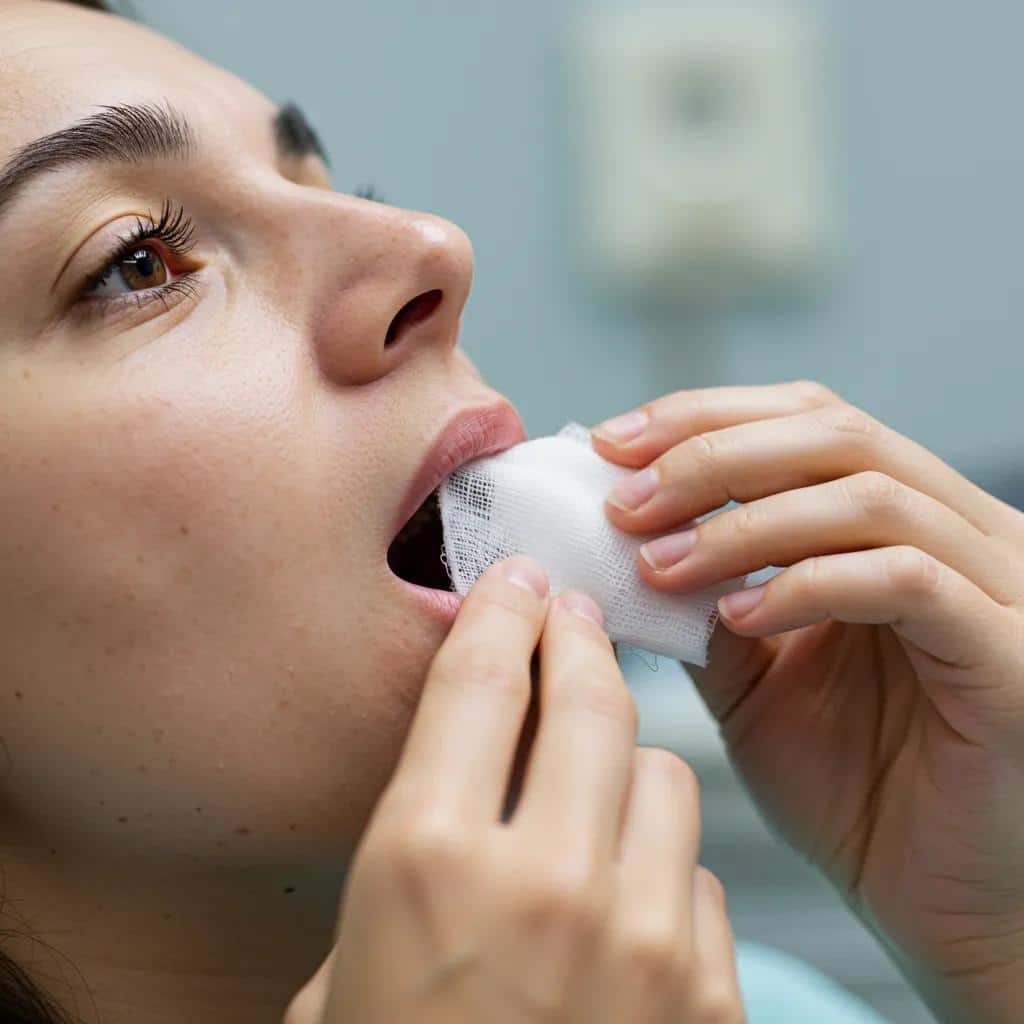
The essential immediate steps after implant surgery are targeted to control bleeding, limit bacterial exposure, and avoid mechanical disruption of the surgical site. First, gentle pressure with sterile gauze helps control bleeding and promotes clot formation, which is critical because an intact clot protects the underlying bone and implant. Second, avoid spitting, sucking through straws, or vigorous rinsing during the first 24 hours to prevent dislodging the clot; gentle saline rinses begin after the initial period. Third, take prescribed or recommended analgesics and follow any antibiotic instructions to reduce infection risk and manage pain while contacting your provider for any unusual signs. These steps preserve healing and lead naturally into dietary choices and swelling-management strategies described next.
Which Foods and Habits Support Healing After Implant Surgery?
Choosing soft, nutrient-dense foods and avoiding mechanical stress on the surgical area accelerates recovery and supports bone and soft-tissue healing around the implant abutment and crown. Soft proteins such as well-cooked fish, eggs, and blended protein soups deliver amino acids necessary for tissue repair while vitamin C–rich smoothies and calcium-containing dairy support collagen formation and bone health. Avoid hard, crunchy, or sticky foods and biting directly with the implant side during the early weeks to prevent micromotion that can interrupt osseointegration. Also, refrain from smoking and limit alcohol because both impair blood flow and immune response, which slows healing and raises peri-implantitis risk; these habit changes maximize the chance of stable integration. Following these dietary and habit guidelines readies you for the pain and swelling management strategies detailed next.
How Can You Manage Pain and Swelling After Implant Placement?
Pain and swelling after implant placement are expected but usually controllable with a combination of medication, physical measures, and close monitoring for red flags that suggest infection or failure. Use prescribed analgesics or over-the-counter anti-inflammatories per your clinician’s directions to control discomfort, and apply intermittent cold packs to the outside of the face for the first 48 hours to limit swelling. Elevating the head during rest and avoiding strenuous activity in the initial days reduces inflammatory response and supports comfort while gentle oral hygiene prevents bacterial buildup. Monitor for escalating pain, fever, or purulent drainage—these signs require prompt professional evaluation because they suggest infection rather than normal post-op healing. Proper pain and swelling control complements dietary choices and clot preservation that protect early osseointegration.
Before the next section on daily hygiene, use this quick reference aftercare table to summarize time-sensitive actions and why they matter.
This table lists immediate aftercare steps, explains their rationale, and provides practical timing tips for the healing window.
Aftercare Step
Rationale
Timeframe / Tip
Apply gentle pressure with gauze
Promotes stable clot formation and reduces bleeding
First 1–4 hours; replace gauze as needed
Avoid spitting and vigorous rinsing
Prevents clot disruption and mechanical displacement
First 24–72 hours; begin gentle saline rinses after 24 hours
Use cold packs and rest
Limits swelling and inflammatory response
Intermittent 15-minute applications for first 48 hours
Follow medication instructions
Controls pain and reduces infection risk
As prescribed; consult prescriber for dose questions
Soft diet and no chewing at site
Minimizes micromovement that can disrupt osseointegration
First 1–4 weeks depending on clinician guidance
Keep this table handy during the immediate healing period; following each step reduces early complications and leads to safer daily hygiene practices described in the next section.
What Are the Best Daily Oral Hygiene Practices for Dental Implants?
Daily implant hygiene is focused on mechanical biofilm removal plus targeted interdental cleaning because plaque accumulation at the implant–tissue interface drives mucositis and peri-implantitis. The mechanism involves disrupting bacterial biofilm regularly so host defenses and professional maintenance can keep inflammation in check, which preserves both gum tissue and underlying bone. Core daily practices include gentle twice-daily brushing with a soft-bristled brush, once-daily interdental cleaning using appropriate tools, and adjunctive rinses when indicated; these steps reduce plaque load and prevent progressive disease. Below are practical how-to techniques for brushing, toothpaste selection, flossing choices, and safe mouthwash use so you can build a reproducible routine that protects implant crowns and abutments. Mastering these techniques reduces the need for urgent care and keeps implants functional for years.
How Do You Properly Brush Dental Implants Using Soft-Bristled Toothbrushes?
Brushing implant-supported crowns and surrounding gum tissue requires a gentle but thorough technique that removes plaque without abrading prosthetic surfaces or traumatizing peri-implant mucosa. Use a soft-bristled manual or an electric toothbrush with a soft head and employ gentle circular motions at a low pressure to sweep plaque away from the abutment margin and implant crown interface. Brush twice daily for two minutes, focusing on the buccal, lingual, and occlusal surfaces, and pay special attention to the junction between the crown and the gum tissue where biofilm accumulates. For patients with limited dexterity, an electric toothbrush with a pressure sensor helps maintain effective plaque removal while reducing the risk of over-brushing. Proper brushing technique supports interdental cleaning strategies described next.
What Is the Role of Non-Abrasive Toothpaste in Implant Care?
Non-abrasive toothpaste preserves the surface integrity of implant crowns and abutments while still providing fluoride protection for adjacent natural teeth; abrasive pastes can roughen prosthetic materials and promote plaque retention. Select toothpaste with low RDA (low abrasivity) and fluoride to protect enamel on natural teeth without damaging implant restorations, and avoid whitening pastes with high abrasives or peroxide concentrations that can alter the crown’s finish. Using a non-abrasive formulation helps maintain prosthetic smoothness, which reduces bacterial adhesion and simplifies professional cleanings. If you have restorative questions about specific pastes, discuss options during a maintenance appointment to match your prosthetic material to an appropriate toothpaste choice. Preserving prosthetic surfaces through correct toothpaste selection supports the interdental cleaning techniques discussed next.
How Should You Floss Around Dental Implants: Traditional vs. Water Flossers?
Effective interdental cleaning for implants depends on the local anatomy and prosthetic design; both implant-safe floss and water flossers have roles depending on the clinical scenario. Traditional implant floss, floss threaders, and superfloss allow direct mechanical disruption of plaque beneath crowns in narrow embrasures, while water flossers dislodge biofilm and rinse peri-implant pockets gently—making them valuable for patients with limited dexterity or tight spaces. Choose interdental brushes with rounded, soft tips for larger embrasures and replace them regularly to avoid frayed bristles that could injure soft tissue, and use flossing techniques that avoid aggressive probing which can traumatize mucosa. A combined approach—mechanical flossing or interdental brushes once daily supplemented by a water flosser—often yields the best plaque control for varied implant designs. Implementing a consistent interdental routine complements brushing and mouthwash use to reduce peri-implant disease risk.
Can You Use Mouthwash Safely with Dental Implants?
Mouthwash can be a useful adjunct to mechanical cleaning by reducing bacterial load, but selection matters because some formulations can irritate healing tissues or offer limited benefit when used alone. Prefer alcohol-free antiseptic rinses for daily use and reserve chlorhexidine-based rinses for short-term therapeutic use when specifically prescribed by a clinician during the early healing phase or when mucositis is present. Use rinses after mechanical cleaning rather than as a replacement—mechanical plaque removal remains the cornerstone of implant hygiene—and follow frequency recommendations on product labels or clinician instructions. If you are in the immediate post-op window, wait to use rinses until your clinician approves them to prevent interfering with clot stability. Combining appropriate mouthwash with brushing and interdental cleaning enhances routine plaque control and supports long-term implant health.
Which Products Are Recommended for Effective Dental Implant Maintenance?
Choosing the right tools balances gentleness with effective biofilm removal so implant fixtures, abutments, and crowns remain free of disease-causing plaque and calculus. The mechanism behind product choice is matching tool design to implant architecture: water flossers and correct interdental brush sizes flush and dislodge biofilm, soft toothbrushes avoid abrasion, and low-abrasivity toothpaste protects prosthetic surfaces. Below is a concise comparison table of common implant-care products and a short discussion of benefits and limitations to guide purchases for daily use. Thoughtful product selection tailored to your implant type and manual dexterity improves daily plaque control and reduces dependency on more frequent professional intervention.
What Are the Benefits of Using Water Flossers for Implants?
Water flossers irrigate the peri-implant sulcus and flush loosely adherent biofilm and food debris, reducing bleeding on probing and supporting gum health where manual interdental tools may struggle. They are especially helpful for patients with limited manual dexterity, complex prosthetic contours, or those who experience discomfort using traditional floss, because the pulsating stream reaches submucosal areas without mechanical trauma. Use the low-to-medium pressure setting and an implant-specific tip if available to avoid forcible fluid pressure directly into deep pockets, and combine water flossing with daily mechanical interdental cleaning when appropriate. While water flossers are effective adjuncts, they do not always replace the need for interdental brushes in larger embrasures or threader-assisted flossing beneath fixed bridges. Integrating water flossing into a daily routine enhances biofilm control and complements the toothpaste and floss choices discussed next.
Product / Tool
Attribute
Best-for
Water Flosser
Gentle irrigation and biofilm disruption
Rinsing peri-implant pockets and patients with limited dexterity
Interdental Brushes
Rounded tips and variable sizes
Cleaning larger embrasures and exposed abutment margins
Implant-Safe Floss / Threaders
Thin, strong filament for under prosthetics
Accessing narrow spaces beneath crowns and bridges
Soft-Bristled Toothbrush
Low-abrasivity cleaning action
Daily plaque removal on prosthetic margins and natural teeth
Low-RDA Fluoride Toothpaste
Non-abrasive formulation with fluoride
Protecting adjacent natural teeth without damaging crowns
Which Toothpaste and Mouthwash Formulations Are Best for Implant Care?
Selecting toothpaste and mouthwash centers on minimizing abrasivity while maintaining fluoride protection for adjacent natural teeth and choosing antiseptics appropriately for disease control. For toothpaste, choose low-RDA formulations with fluoride and avoid highly abrasive whitening pastes that can roughen crown surfaces and entrap plaque. For daily rinses, pick alcohol-free antiseptic mouthwashes and reserve medicated rinses like chlorhexidine for short-term clinical prescriptions to manage healing or mucositis. Shopping tips include checking product labels for RDA values, looking for ADA-accepted or low-abrasivity statements, and consulting your clinician when in doubt about compatibility with specific prosthetic materials. Thoughtful selection of these formulations reduces surface damage and supports the mechanical cleaning methods discussed previously.
How Do Implant-Safe Floss and Interdental Brushes Improve Oral Hygiene?
Implant-safe floss and correctly sized interdental brushes reach biofilm in areas where toothbrush bristles cannot, and their design reduces soft-tissue trauma while effectively removing plaque around abutments and between prosthetic units. Floss threaders and superfloss are particularly useful for cleaning under fixed bridges or around multi-implant restorations, allowing direct access without forceful probing that might injure mucosa. Interdental brushes with rounded, soft bristles in the correct diameter clean wider embrasures more effectively than floss alone and should be replaced regularly to maintain cleaning efficiency. Proper technique—gentle insertion, slight rotation, and no forceful wedging—prevents tissue injury and optimizes plaque removal. Combining implant-safe floss and interdental brushes with daily brushing and periodic professional maintenance yields the most reliable prevention against peri-implant disease.
What Lifestyle and Dietary Choices Affect the Health of Dental Implants?
Lifestyle and diet influence implant survival because nutrition supports bone remodeling and immune function while habits like smoking and heavy alcohol use impair healing and increase infection risk. The mechanism links nutrient supply (protein, vitamin D, calcium, vitamin C) to osteogenesis and collagen synthesis, while toxins from smoking constrict blood vessels and reduce oxygen delivery to healing tissues. Adjusting short-term post-op diet and long-term eating habits, plus eliminating harmful behaviors, creates an environment where implants are less likely to develop complications. Below are specific foods to avoid and foods to prioritize, plus evidence-based guidance on smoking and alcohol to help you plan recovery and maintenance. These lifestyle shifts improve outcomes and work alongside daily hygiene and professional care.
Which Foods Should You Avoid to Protect Your Dental Implants?
Avoiding hard, crunchy, and sticky foods minimizes forces that can displace temporary components or stress newly integrated implants during the early healing period. Foods such as nuts, hard candies, ice, and sticky confections can apply concentrated pressure to crowns or temporary abutments and increase the chance of mechanical issues or soft-tissue trauma. Additionally, avoid chewing on hard objects and limit biting directly into firm foods on the implant side until your clinician confirms full osseointegration. Offer safer alternatives like softened vegetables, tender proteins, and pureed dishes until full healing occurs to protect both the fixture and the prosthetic restoration. These dietary precautions reduce mechanical risk and complement the gentle oral hygiene behaviors described elsewhere.
What Are the Best Foods to Support Implant Health?
Nutrient-dense foods that supply protein, calcium, vitamin D, and vitamin C support bone remodeling and soft-tissue repair around implants, accelerating recovery and preserving long-term stability. Lean proteins like fish, poultry, tofu, and blended protein shakes supply the amino acids needed for collagen formation, while dairy, fortified plant milks, and leafy greens provide calcium and vitamin D that support bone mineralization. Vitamin C–rich fruits and vegetables aid gum healing and collagen synthesis, and adequate hydration supports mucosal health and saliva production that helps control bacteria. Simple meal ideas include scrambled eggs with mashed avocado, blended soups with soft protein, and yogurt with soft fruit—choices that combine healing nutrients with gentle textures. These food choices create a biologic foundation for implant success and complement daily hygiene and professional maintenance.
How Do Smoking and Alcohol Consumption Impact Dental Implant Success?
Smoking and heavy alcohol consumption both impair healing mechanisms that are essential for osseointegration and increase the risk of peri-implantitis and implant failure through vascular constriction and immune suppression. Smoking decreases blood flow to the gingiva and bone, reducing oxygen and nutrient delivery necessary for bone remodeling and increasing infection susceptibility, while chronic heavy alcohol use interferes with medication effectiveness and healing processes. Evidence-based guidance recommends cessation before and after surgery when possible, because stopping smoking substantially improves soft-tissue healing and implant survival rates; clinicians can offer resources to support cessation. Reducing alcohol consumption during the perioperative period also improves medication tolerance and immune competence, thereby lowering complication risk. Addressing these behaviors is as important as daily hygiene for long-term implant health.
How Can You Recognize and Prevent Common Dental Implant Complications?
Recognizing early warning signs and adopting prevention strategies mitigates the progression from reversible inflammation to destructive peri-implantitis, which threatens both bone and prosthetic stability. The mechanism of peri-implant disease begins with biofilm-induced mucosal inflammation (mucositis) that, if unchecked, leads to bone loss and implant mobility; therefore, early detection and plaque control are critical. Below are red flags, preventive daily routines, and clear guidance on when to seek professional care so you can act promptly and maximize salvage chances. Practical checklists and procedural steps help you differentiate normal post-op healing from signs that require urgent evaluation.
What Are the Early Signs and Symptoms of Peri-Implantitis?
Early peri-implantitis often presents as persistent bleeding on brushing, swelling of the peri-implant mucosa, increased pocket depths, and sometimes purulent discharge, which differ from normal mild post-op discomfort by their persistence and progression. Patients may notice tenderness when chewing, localized bad breath, or a change in how the prosthetic tooth feels in the bite, and these symptoms that worsen over days require evaluation. Mobility of the crown or increasing discomfort beyond the expected healing timeline are more serious signs indicating possible loss of osseointegration and should prompt prompt professional assessment. Keeping a symptom diary and photographing changes can help clinicians evaluate progression and determine whether non-surgical or surgical interventions are required. Early recognition leads directly to effective prevention strategies described next.
How Can You Prevent Peri-Implantitis Through Proper Oral Care?
Preventing peri-implantitis relies on consistent mechanical plaque control, correct product selection, and a personalized professional maintenance schedule to intercept disease before it advances to bone loss. Daily brushing with a soft-bristled toothbrush, targeted interdental cleaning with brushes or floss, and adjunctive water flossing reduce biofilm at the implant–tissue interface; these routines lower inflammation and bleeding on probing. Utilizing implant-appropriate products—low-abrasivity toothpaste, rounded interdental brushes, and antimicrobial rinses when prescribed—reduces tissue irritation and bacterial challenge. Finally, regular professional cleanings and early professional treatment of mucositis prevent progression to peri-implantitis; this combined approach of home care and scheduled maintenance is the most effective prevention. Implementing these measures reduces the likelihood of invasive treatments later.
When describing when to seek professional help, remember the local resources available in Mansfield; the practice offers comprehensive services including dental implants, dentures, fillings, and sedation dentistry and provides education-based care to guide early intervention when issues arise.
When Should You Seek Professional Help for Implant Issues?
Seek professional care promptly for persistent or worsening signs such as continuous swelling, increasing pain, pus discharge, noticeable mobility, or sudden bite changes—these red flags suggest infection or mechanical failure requiring clinical assessment. On contact, a clinician will evaluate soft tissue, measure probing depths, assess mobility, and possibly recommend imaging and targeted cleaning or repair; early intervention often preserves the implant. If you experience systemic signs like fever or rapidly spreading swelling, urgent evaluation is required because systemic involvement indicates more severe infection. Scheduling an assessment early when symptoms first appear improves chances of non-surgical resolution and prevents extensive bone loss or prosthetic failure. Prompt professional action flows directly into the discussion below on scheduled maintenance and why regular check-ups matter.
Why Are Regular Professional Check-Ups Essential for Dental Implant Maintenance?
Professional check-ups provide specialized assessment and cleaning that home care cannot replicate, identifying early mucosal inflammation, prosthetic wear, and mechanical issues before they escalate to irreversible bone loss. The mechanism is a combination of skilled clinical probing, radiographic monitoring when indicated, and non-abrasive debridement around implant surfaces to remove calculus and biofilm that patient tools may miss. Regular visits also enable occlusal adjustments, prosthetic repairs, and reinforcement of home-care techniques personalized to your prosthetic design and risk profile. Below is a structured table showing services, attributes, and benefits to clarify recommended intervals and what each appointment prevents. Understanding what happens at maintenance visits helps you commit to a schedule that preserves implant function for the long term.
How Often Should Dental Implants Be Professionally Cleaned?
Typical professional cleaning intervals for implants range from every three to six months, tailored to individual risk factors such as history of peri-implantitis, smoking, systemic conditions, and plaque control ability. Patients with a history of peri-implant disease or with poor plaque control often require three-month recall, while low-risk patients may maintain healthy implants with six-month visits; clinicians personalize frequency based on clinical measures. Regular monitoring between visits with home checks for bleeding and mobility allows adjustments to the recall schedule when early signs emerge. Establishing a consistent schedule ensures timely professional mechanical debridement and education that reduce long-term failure risk. The practical scheduling rationale leads into what a maintenance visit entails.
What Happens During a Dental Implant Maintenance Appointment?
A maintenance appointment systematically evaluates peri-implant tissues, checks prosthetic components, and performs non-abrasive professional cleaning to remove subclinical biofilm and calculus around implant abutments and crowns. The clinician will visually inspect the mucosa, measure pocket depths, assess prosthetic fit and occlusion, and use instruments designed to clean implant surfaces without causing abrasion to restorative materials. If indicated, the clinician may provide targeted antimicrobial therapy or minor adjustments to the prosthetic restoration, and will reinforce home-care techniques to address any observed deficiencies. These appointments also provide an opportunity to catch early mucositis and treat it before progression, making professional maintenance a preventive cornerstone. Knowing what happens during these visits clarifies how they prevent implant failure as described next.
Service
Attribute (Frequency / What is Checked)
Benefit (What Problem it Prevents)
Professional debridement
Every 3–6 months based on risk; non-abrasive instruments
Removes subgingival biofilm and calculus that cause mucositis
Soft-tissue assessment
Pocket probing and visual exam at each visit
Early detection of inflammation before bone loss occurs
Prosthetic/occlusion check
Evaluate fit and occlusion each visit; adjust as needed
Prevents mechanical overload and prosthetic complications
Patient education
Reinforce home-care techniques at each appointment
Improves daily plaque control and reduces recurrence risk
How Do Regular Check-Ups Prevent Implant Failure?
Regular check-ups prevent implant failure by identifying modifiable risks—plaque accumulation, prosthetic instability, occlusal overload, and early mucositis—and addressing them before irreversible bone loss occurs. Clinicians use non-abrasive instrumentation and targeted therapies to reduce biofilm, adjust prosthetic contacts to eliminate damaging forces, and prescribe short-term antimicrobials when indicated to halt infection progression. Real-world examples show that early intervention for mucositis often returns tissues to health without surgical intervention, whereas delayed care frequently requires more invasive procedures. Consistent clinician oversight also reinforces patient behaviors that sustain implant health at home, closing the loop between professional care and daily routines. Maintaining regular appointments keeps implants stable and reduces the likelihood of complex restorative failures.
What Are the Most Common Questions About Oral Care for Dental Implants?
This FAQ-style section answers high-impact patient questions succinctly so readers can quickly find actionable guidance and then explore the detailed sections above for deeper instructions. Each brief answer targets common PAA-style queries about daily cleaning, best practices, water flosser use, toothpaste choices, foods to avoid, and cleaning frequency. These concise responses are optimized for clarity and lead back to the in-depth how-to and maintenance content in prior sections. Read them as quick references to reinforce the routines and warning signs discussed earlier.
How Do You Clean Dental Implants Daily?
Daily implant cleaning follows three core steps that combine mechanical and adjunctive measures to minimize biofilm buildup and preserve soft tissue health. First, brush gently twice daily with a soft-bristled toothbrush using circular motions to remove surface plaque from crowns and adjacent gum tissue. Second, perform once-daily interdental cleaning using appropriately sized interdental brushes, floss threaders, or implant-safe floss to clear plaque from interproximal spaces and under prosthetics. Third, supplement with a water flosser or alcohol-free mouthwash as recommended by your clinician to reduce residual biofilm; these adjuncts enhance but do not replace mechanical cleaning. Implementing this simple daily routine reduces inflammation and supports long-term implant stability.
What Is the Best Way to Clean Around Dental Implants?
The best approach combines gentle brushing with targeted interdental tools to remove plaque where it accumulates around the abutment and crown interface. Use a soft-bristled toothbrush twice daily for broad surface cleaning and an interdental brush or floss threader once daily to disrupt biofilm in embrasures and beneath bridges. For patients with limited dexterity or tight prosthetic contours, add a water flosser on a low setting as an adjunct to mechanical tools. Avoid aggressive probing at home and consult your clinician for tailored instructions when prosthetic design requires specialized access. This combined strategy ensures comprehensive plaque control around implant restorations.
Can You Use a Water Flosser on Dental Implants?
Yes, a water flosser can be used on dental implants as an effective adjunct to mechanical cleaning, provided correct pressure settings and tips are used to avoid excessive force. Use low-to-medium pressure and implant-specific nozzle tips where available to flush biofilm from peri-implant sulci gently without forcing fluid deep into unstable tissues. Water flossers are particularly beneficial for patients with limited dexterity, fixed bridges, or tight interdental spaces where manual floss may be difficult to use effectively. Remember that water flossing complements but does not always replace interdental brushes or floss for certain embrasure geometries. Incorporating a water flosser into a daily routine can reduce bleeding and support gum health when used properly.
What Kind of Toothpaste Should I Use for Dental Implants?
Select a low-abrasivity (low-RDA), fluoride-containing toothpaste that protects adjacent natural teeth without damaging prosthetic surfaces or roughening crowns. Avoid whitening pastes with high abrasive content and select products labeled for sensitive or restorative-safe use when available. If you have specific prosthetic materials or restorations, consult your clinician for tailored recommendations to ensure compatibility and longevity. Using the appropriate toothpaste preserves surface smoothness and reduces plaque retention, complementing your mechanical cleaning routine. Correct toothpaste choice supports both prosthetic integrity and natural-tooth health.
What Foods Should You Avoid with Dental Implants?
Avoid hard, crunchy, and sticky foods that place concentrated stress on crowns or risk dislodging temporary components during the healing phase and beyond. Examples include hard candies, whole nuts, ice, and sticky confections that can force prosthetic margins or cause chipping of ceramic restorations. Do not use teeth to open packaging or bite into very firm items until your clinician confirms that the implant and prosthetic are fully stable. When in doubt, choose softer alternatives and reintroduce challenging foods gradually following professional clearance. These dietary precautions minimize mechanical risks to implants and prosthetic work.
How Often Should Dental Implants Be Professionally Cleaned?
Typical professional cleaning intervals for implants are every three to six months and should be personalized based on risk factors such as prior peri-implantitis, smoking status, systemic health, and home-care effectiveness. Patients with elevated risk or history of disease often require three-month recall, while low-risk individuals may maintain health with six-month visits; clinicians decide frequency based on clinical measurements and patient factors. Use home monitoring for bleeding and mobility to alert your clinician between visits if needed. Adhering to a personalized recall schedule is one of the most effective ways to prevent long-term implant complications.
How Can You Schedule a Free Dental Implant Consultation in Mansfield, Texas?
Scheduling a focused consultation provides a low-friction way to begin implant evaluation and maintenance planning with an education-based approach tailored to your needs in Mansfield. The local practice emphasizes education-based care and presents a relaxing, spa-like environment, delivering a one-stop shop for restorative and maintenance needs like Dental Implants, Dentures, Fillings, and Sedation Dentistry. For many residents, starting with the $79 FREE DENTAL CONSULTATION for new patients is an accessible route to receive personalized implant advice, discuss prosthetic options, and plan maintenance without high upfront commitment. Below are details about what that consultation offers, how Dr. Elvis Le helps, and practical booking steps you can follow using the practice’s public booking pathways.
What Does the $79 Free Dental Consultation Include?
The $79 FREE DENTAL CONSULTATION is designed as an initial, low-cost appointment to evaluate dental concerns and discuss treatment options, with emphasis on education-based care rather than immediate restorative work. During this consultation patients can expect a focused evaluation and a conversation about implant options, maintenance strategies, and next steps tailored to their individual needs; it is intended to provide personalized advice rather than to include complex restorative procedures. The consultation’s value lies in receiving clear information about Dental Implants and other available services so you can make an informed plan without a large initial outlay. For many prospective implant patients in Mansfield, this consultation is an efficient first step toward long-term implant health planning.
How Can Dr. Elvis Le Help with Your Dental Implant Care?
Dr. Elvis Le serves as the local clinician who provides education-based care and personalized guidance for implant maintenance, prosthetic needs, and ongoing follow-up in a one-stop shop setting. His role is to assess implant health, discuss appropriate daily hygiene and product choices, and coordinate any needed restorative work or referrals within the practice’s comprehensive services like Dentures, Fillings, and Sedation Dentistry. Dr. Elvis Le’s educational approach focuses on ensuring patients understand preventive routines, professional maintenance schedules, and signs that require prompt attention. Working with a clinician who emphasizes education helps patients adopt long-term habits that support implant longevity.
How to Book Your Free Consultation for Personalized Implant Care Advice?
To book the $79 FREE DENTAL CONSULTATION, use the practice’s public online booking pathways or the local business profile listing to request an appointment and specify that you are a new patient seeking implant consultation. Prepare for your visit by bringing a list of current medications, relevant medical history, and any photos or notes about symptoms such as bleeding or mobility to help make the consultation efficient and targeted. During the appointment be prepared to discuss prior dental history, goals for implant care, and any concerns about anesthesia or sedation options; the consultation will clarify next steps and recommended maintenance planning. Booking this consultation provides a practical, education-focused starting point for residents in Mansfield who want tailored advice about Dental Implants and related restorative needs.
If you notice bleeding, swelling, severe pain, pus, or implant mobility, contact your clinician immediately.
Follow a soft diet and avoid smoking to improve healing and implant survival.
Establish a daily hygiene routine combining gentle brushing, interdental cleaning, and adjunctive rinses.
These action items reinforce the detailed guidance throughout the guide and provide concrete first steps for safeguarding implants while you arrange professional follow-up.
This article ends here with all practical steps, product guidance, and local pathways to start maintenance planning in Mansfield.