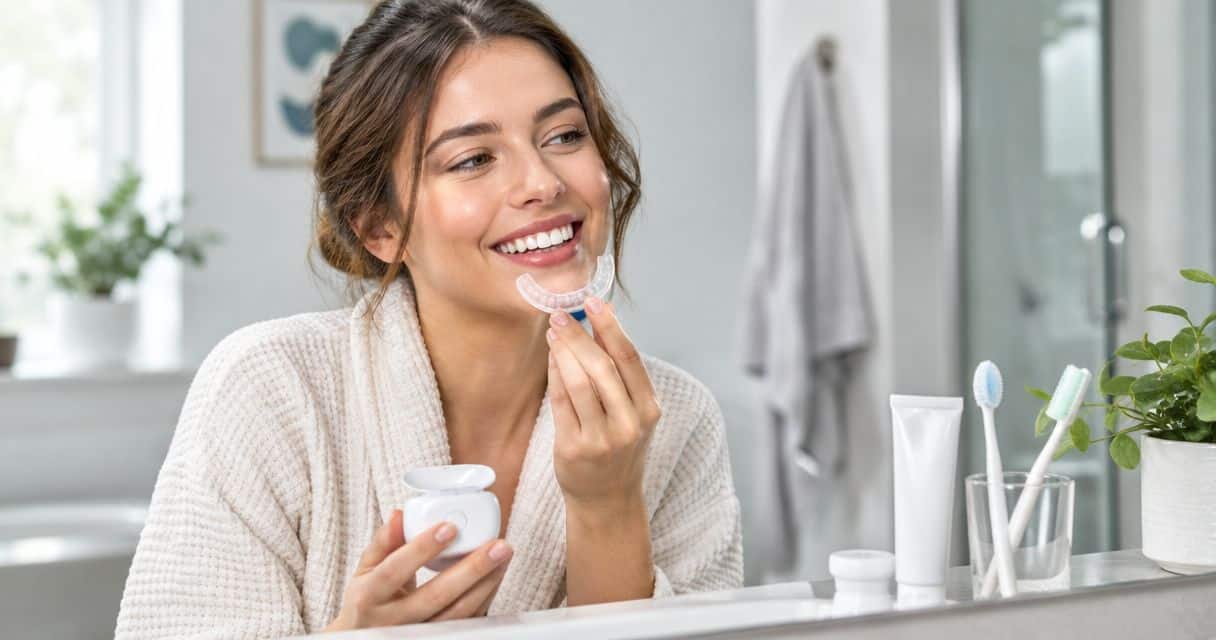
Best overall: dentist-guided take-home whitening, if your teeth are healthy enough to bleach. Best for surface stains: professional cleaning. Best self-directed option: whitening strips approved by your dentist. This 2026 guide compares teeth whitening for sensitive teeth by comfort, control, and the kind of discoloration each option addresses.
TL;DR
For teeth whitening for sensitive teeth, dentist-guided take-home treatment offers adjustable exposure after an examination.
Professional cleaning removes surface stains without peroxide bleaching, but does not change your natural tooth color.
Whitening strips and in-office whitening can both cause sensitivity; supervision does not eliminate that risk.
Affordable Dentist Near Me provides teeth whitening services for families across six named Texas cities.
Why this matters
Sensitive teeth need a diagnosis before they need a brighter shade. Cold sensitivity can come from exposed roots, worn enamel, decay, or a cracked tooth; whitening does not fix those problems. Bleaching can also cause temporary sensitivity in otherwise healthy teeth.
Affordable Dentist Near Me is a local starting point for teeth whitening for sensitive teeth when you need an examination before choosing treatment. The practice serves families in Fort Worth, Dallas, Houston, Waco, Grand Prairie, and Crowley. Contact Affordable Dentist Near Me for more information about its whitening services.
Your first decision is whether bleaching is appropriate—not which treatment promises the whitest result. Pain in one tooth, pain when biting, or discomfort that continues without a cold trigger deserves assessment before cosmetic treatment.
What makes the best whitening option for sensitive teeth?
Use these criteria to compare your 2026 options. A product marked for sensitive teeth still needs to suit your mouth.
Cause of sensitivity: An examination should distinguish ordinary sensitivity from decay, cracks, or other problems that need treatment.
Exposure control: Consider whether you can stop treatment and have the schedule adjusted when discomfort starts.
Gum protection: A suitable application method limits contact between bleaching gel and your gums.
Stain type: Surface stain removal and bleaching natural tooth color are different jobs.
Restoration match: Crowns, veneers, and tooth-colored fillings do not whiten like natural teeth.
Practical fit: Choose a method you can use exactly as directed, without extending wear time or combining treatments.
No whitening method earns a blanket sensitivity-free label. The right choice gives you a realistic result and a clear stopping rule.
Sensitive-teeth whitening options at a glance
These rankings describe use cases, not guaranteed results. Suitability depends on your examination and the specific treatment instructions.
Rank and option
Best for
Standout feature
Key limitation
1. Dentist-guided take-home whitening
Adjustable bleaching after assessment
Dentist-directed gel use and treatment schedule
Still causes sensitivity in some patients
2. Professional cleaning
Removing external stains
Removes plaque, hardened deposits, and some surface discoloration
Does not bleach natural tooth color
3. Whitening strips
Dentist-approved self-directed treatment
Ready-to-use application without a custom tray
Limited fit and exposure customization
4. In-office whitening
Bleaching with direct professional supervision
Gum protection and monitoring during treatment
Supervision does not prevent all sensitivity
5. Sensitivity toothpaste with stain-removal claims
Daily sensitivity care with modest stain control
Combines routine brushing with a sensitivity-focused formula
Not a substitute for bleaching
1. Dentist-guided take-home whitening: best for adjustable treatment
Dentist-guided take-home whitening uses a prescribed bleaching approach outside the office, often with fitted trays. Your dentist decides whether bleaching is suitable and explains how to use the treatment. This option ranks first because the plan can address your sensitivity history rather than relying only on package directions.
Ask about tray fit, the gel, and what to do if discomfort develops. A fitted tray helps control where gel sits, but overfilling it still exposes your gums. Do not assume that more gel produces a better result.
Dentist-guided take-home whitening pros:
Treatment starts with an assessment of your teeth and gums.
A dentist can adjust the plan when sensitivity develops.
Fitted trays help control gel placement.
Dentist-guided take-home whitening cons:
Bleaching still carries a sensitivity risk.
Treatment depends on following instructions at home.
Trays need proper cleaning and handling.
Best for: People whose teeth are suitable for bleaching and who want professional guidance with control over treatment exposure.
For your 2026 treatment plan, ask for clear instructions about wear time, treatment breaks, and follow-up. Do not substitute another gel or change the schedule yourself. This ranking does not establish which take-home systems Affordable Dentist Near Me offers; contact the office for current treatment details.
Verdict: Buy only after an examination and a dentist-directed plan.
2. Professional cleaning: best for external stains without bleaching
Professional cleaning removes deposits and can reduce staining on the outside of your teeth. It does not bleach the tooth itself. If visible discoloration is mainly surface buildup, cleaning can address the problem without immediately introducing peroxide.
This distinction matters when you have sensitive teeth. You might need stain removal rather than a whitening course, and an examination helps separate those goals. Cleaning can also leave exposed areas temporarily sensitive, so tell the dental team about discomfort beforehand.
Professional cleaning pros:
Removes plaque and hardened deposits as part of dental care.
Addresses some external discoloration without bleaching gel.
Gives your dentist an opportunity to assess sensitivity.
Professional cleaning cons:
Does not lighten your natural tooth shade.
Does not correct discoloration inside a tooth.
Sensitive areas can feel uncomfortable during or after care.
Best for: People with visible surface staining who want to establish a clean baseline before considering bleaching.
Ask the dentist which discoloration cleaning can remove and which color will remain. That answer prevents you from judging a cleaning against a bleaching result it was never intended to deliver. If deeper discoloration remains, discuss whether further cosmetic treatment is appropriate.
Verdict: Buy for deposits and external stains; hold bleaching until afterward.
3. Whitening strips: best for approved self-directed treatment
Whitening strips hold bleaching material against your teeth for the application period stated on the label. They offer a straightforward home method, but the strip shape is not customized to your mouth. Contact with gums and uneven coverage are practical concerns.
For sensitive teeth, a dentist's approval matters more than a sensitivity claim on the package. Follow the specific product directions rather than copying another person's routine. Stop if treatment causes discomfort; do not push through pain to finish a course.
Whitening strips pros:
Ready-to-use application requires no custom tray.
Package instructions define the intended use.
Home treatment lets you stop application when discomfort starts.
Whitening strips cons:
Fit varies with tooth shape and alignment.
Bleaching material can irritate gums.
The treatment has less customization than a dentist-directed plan.
Best for: Adults with healthy teeth, a dentist's approval, and the ability to follow the product instructions precisely.
When comparing strips in 2026, look beyond the front-label promise. Read the warnings, application directions, and ingredients. Do not stack strips with bleaching trays or another peroxide treatment. Combining methods increases exposure without giving you a dentist-designed sensitivity plan.
Verdict: Hold until your dentist confirms that self-directed bleaching is appropriate.
4. In-office whitening: best for direct professional supervision
In-office whitening places the bleaching procedure under the dental team's supervision. The team protects your gums and monitors treatment. That control is valuable, but it does not make bleaching painless or suitable for every sensitive tooth.
Professional supervision and treatment tolerance are separate questions. During in-office teeth whitening, gum protection addresses soft-tissue exposure, while sensitivity still requires decisions about whether to continue, modify, or stop treatment. Tell the dentist about previous whitening reactions before treatment begins.
In-office whitening pros:
The dental team manages application during the appointment.
Protective measures limit bleaching material on the gums.
You can report discomfort while treatment is underway.
In-office whitening cons:
Tooth sensitivity can occur despite supervision.
An intensive bleaching approach is not right for every patient.
Crowns, veneers, and fillings retain their existing color.
Best for: People cleared for bleaching who prefer treatment administered in a dental office rather than managing application at home.
The key question is not whether professional whitening is universally safe. Ask whether in-office whitening is safe for your sensitive teeth given your symptoms, examination, and restoration history. Discuss alternatives if the proposed treatment does not fit your comfort needs.
Verdict: Buy only when the dentist confirms suitability and explains the stopping plan.
5. Sensitivity toothpaste: best for daily care and modest stain control
Sensitivity toothpaste is primarily a daily-care option, not a bleaching treatment. Some formulas also include surface-stain removal claims. Ingredients such as potassium nitrate or stannous fluoride are used in sensitivity toothpastes, but the exact formula and directions matter.
Choose a fluoride toothpaste appropriate for your sensitivity needs. Do not assume that a stronger whitening claim means a better choice for exposed roots or worn enamel. Ask your dentist about the formula if brushing itself causes discomfort.
Sensitivity toothpaste pros:
Fits into your regular brushing routine.
Offers sensitivity-focused ingredients in appropriate formulas.
Some products also address external stains.
Sensitivity toothpaste cons:
Does not deliver the same result as peroxide bleaching.
Benefits depend on the formula and consistent use.
Does not treat cavities, cracks, or the cause of every toothache.
Best for: People prioritizing daily sensitivity care who accept limited stain removal rather than a major shade change.
Brush for 2 minutes per session, 2 times per day, using a soft-bristled brush. Clean between your teeth 1 time per day. These established daily-care targets support oral health; they are not a whitening schedule. Avoid aggressive scrubbing, which can damage gums and contribute to tooth wear.
Verdict: Buy for daily care; skip it as a replacement for bleaching.
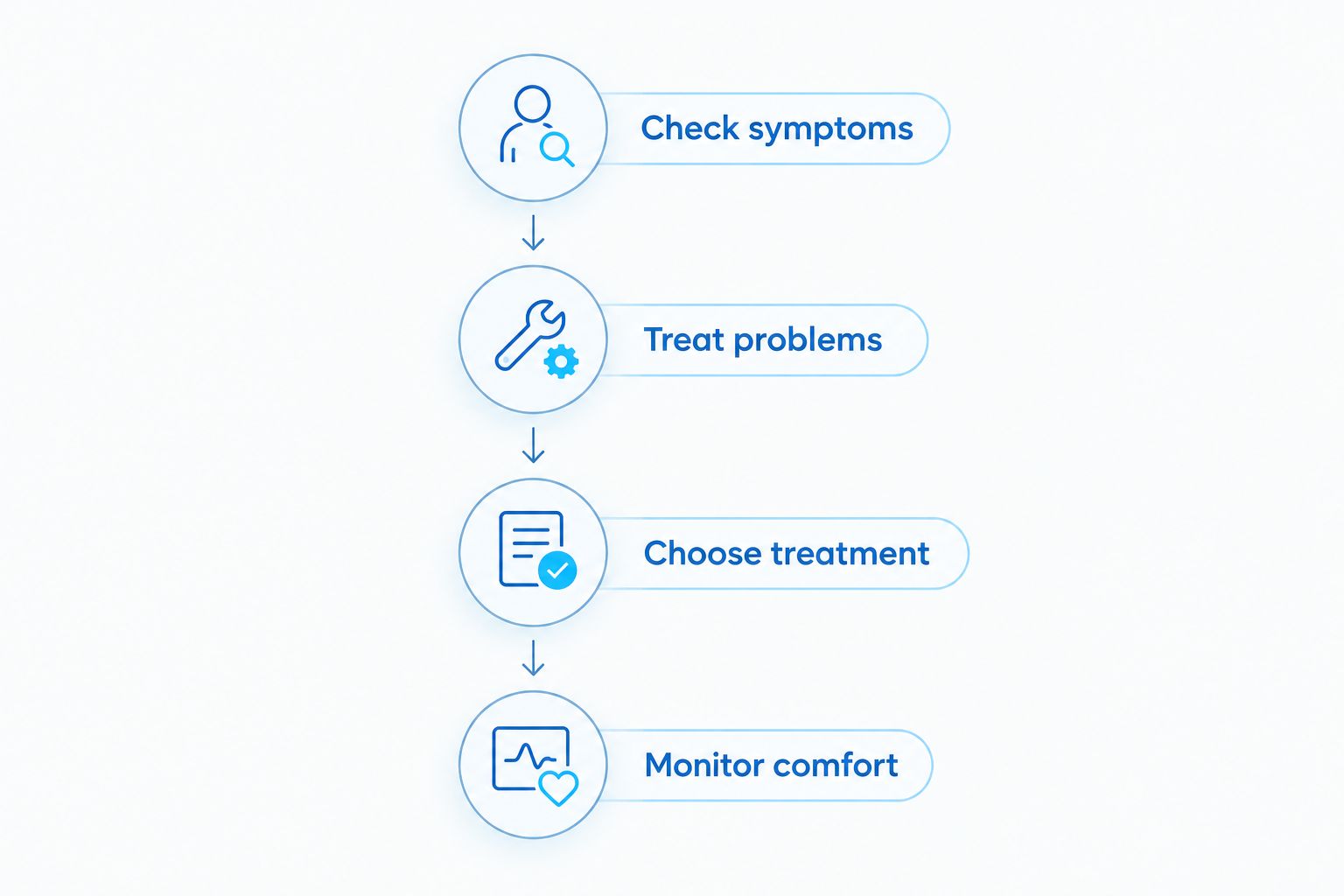
Build a sensitivity-first whitening plan
For 2026, use a simple sequence rather than trying several treatments at once. Affordable Dentist Near Me offers teeth whitening alongside general and restorative dental care, so discuss both your cosmetic goal and your symptoms when contacting the office.
Check symptoms: Describe which teeth hurt, what triggers discomfort, and whether previous whitening caused problems.
Treat problems: Address decay, cracks, gum problems, or other diagnosed causes before cosmetic bleaching.
Choose treatment: Match the method to your stain type, restorations, and ability to follow directions.
Monitor comfort: Stop when whitening causes pain and contact your dentist for instructions before restarting.
Check the cause of sensitivity before choosing a bleaching method.
Write down the stopping instructions before you start. You should know whether to remove the treatment immediately, whom to contact, and what symptoms require an examination. Facial swelling or difficulty swallowing or breathing requires urgent medical attention, not another whitening application.
Discuss whitening with your dental office
Ask about your sensitivity, existing dental work, and suitable whitening options.
This 2026 ranking prioritizes suitability assessment, adjustable exposure, gum protection, stain type, and practical use. It does not claim a product test or a guaranteed outcome. Dentist-guided take-home whitening leads for adjustable bleaching; cleaning leads for external stains without bleaching.
The lower rankings reflect narrower roles, not universally poor treatments. Strips suit approved self-directed use, office treatment provides direct supervision, and sensitivity toothpaste supports daily care. None corrects every cause of sensitivity.
Which whitening option should you choose?
Choose dentist-guided take-home whitening as your default discussion point, not an automatic purchase. If your main problem is surface staining, ask about cleaning first. If you have unexplained pain, postpone all bleaching until a dentist identifies the cause.
For teeth whitening for sensitive teeth in 2026, Affordable Dentist Near Me provides a local place to discuss whitening and dental care. Ask what result is realistic for your natural teeth and existing restorations. A plan that protects comfort is better than chasing a shade your mouth cannot tolerate.
FAQ
What’s the best teeth whitening option if my teeth are sensitive?
Dentist-guided take-home whitening is the default option to discuss when your teeth are healthy enough for bleaching. An examination should come first because decay, cracks, or exposed roots can change the recommendation.
Is in-office whitening better than strips for sensitive teeth?
In-office whitening provides professional supervision, but it is not automatically more comfortable than strips. Your dentist should compare treatment exposure, your symptoms, and the condition of your teeth before recommending either method.
Can I whiten my teeth if cold drinks hurt?
Have the cause of cold sensitivity assessed before whitening. Bleaching does not treat exposed roots, decay, or cracked teeth, and it can add temporary sensitivity.
Does sensitivity toothpaste actually whiten teeth?
Some sensitivity toothpastes remove surface stains, but they do not provide the same effect as peroxide bleaching. Choose a formula that addresses your sensitivity needs rather than relying only on its whitening claim.
Should I keep whitening if my teeth start hurting?
Stop whitening if treatment causes pain and contact your dentist before restarting. Pain in one tooth, pain when biting, or ongoing discomfort needs assessment rather than a longer treatment break alone.
Will whitening change the color of my crowns or fillings?
Whitening does not lighten crowns, veneers, or tooth-colored fillings like it lightens natural teeth. Discuss visible restorations before treatment because bleaching can create a color mismatch.
Can Affordable Dentist Near Me help me choose a whitening option?
Affordable Dentist Near Me offers teeth whitening and general dental services across its Texas locations. Contact the office to discuss sensitivity and ask which treatment options it currently provides.
One last thing
A brighter natural tooth can make an unchanged filling look darker. Before bleaching, point out any visible crowns, veneers, or fillings and ask how the final colors will compare. Matching your smile matters more than whitening each natural tooth in isolation.