Understanding the Cost of Dental Implants
The financial aspect of dental implants often raises questions for potential patients. The cost can vary greatly depending on factors such as location, the complexity of the case, and the materials used. It's crucial to have a clear understanding of these costs, including potential follow-up visits and necessary procedures, to avoid unexpected expenses later on.
Moreover, many dental practices offer financing options or payment plans to help ease the financial burden. Insurance coverage for dental implants can differ greatly, so it's advisable to check with your provider ahead of time. Being informed about the full scope of potential costs will help make the decision-making process easier and more transparent.
Preparing for Your Dental Implant Consultation
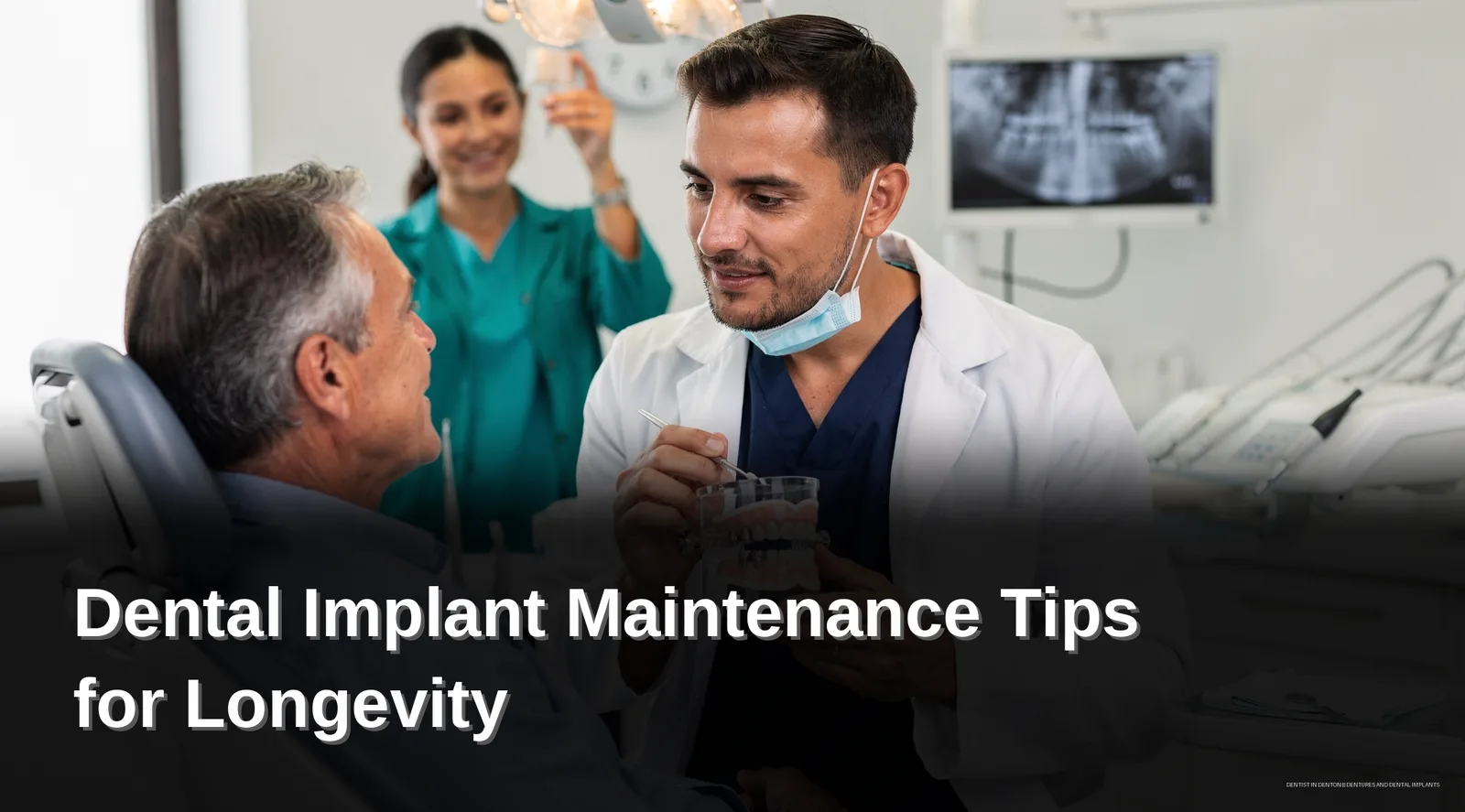
Preparation for a dental implant consultation is key to ensuring an informed discussion with your dentist. Before the appointment, it's important to gather your medical history, including any existing health conditions and medications you may be taking. Additionally, compiling a list of questions can help address all concerns, ensuring that no critical issues are overlooked during the consultation.
On the day of the consultation, be ready for a thorough examination that may involve X-rays and impressions of your teeth. This initial assessment will help your dentist determine your eligibility for dental implants. The more prepared you are, the more productive your consultation will be, setting a solid foundation for your dental treatment journey.
Post-Implant Surgery Care: What to Expect
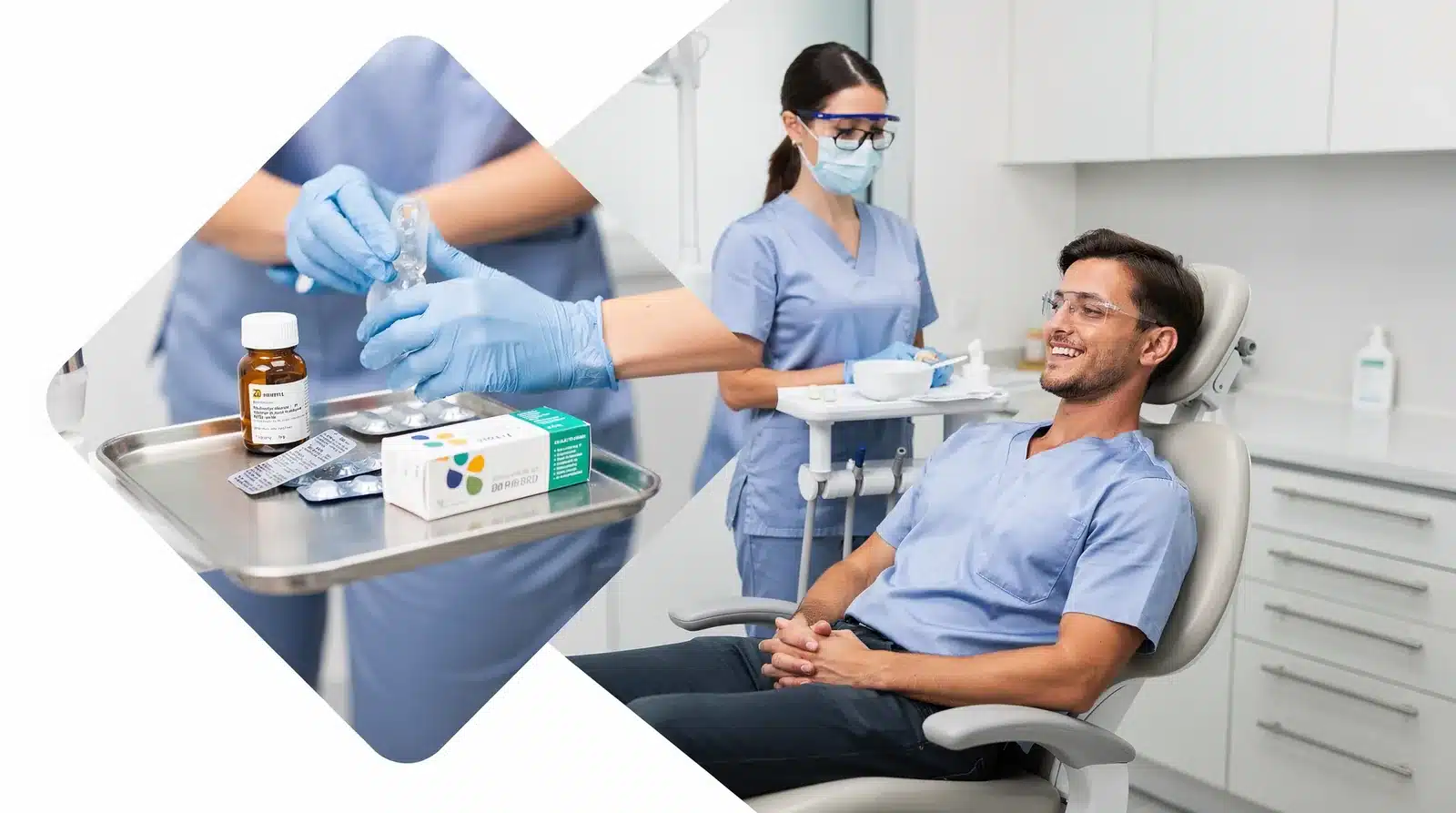
Understanding post-implant surgery care is crucial for the healing process and overall success of the dental implant. After the surgery, patients should follow their dentist's instructions regarding pain management and activity restrictions. It's typical to experience some swelling and discomfort, but this can generally be managed with prescribed medications and ice packs.
Proper oral hygiene is equally essential during the healing period to avoid complications, such as infection. Following a soft diet and avoiding hard or chewy foods initially can also promote faster recovery. Regular follow-ups with your dentist will ensure that your implant is integrating well with your jawbone and that your healing process progresses smoothly.
The Importance of Choosing a Qualified Dental Professional
Selecting a qualified dental professional for your dental implant procedure is one of the most important decisions you'll make. A dentist with specialized training in implantology will not only have the technical skills required but also an understanding of complex cases. This expertise is vital for ensuring the highest success rates and minimizing complications during the procedure.
Moreover, a qualified professional will provide comprehensive care that includes thorough evaluations, customized treatment plans, and follow-up appointments. They will help clarify any uncertainties and guide patients through every step of the process, ultimately leading to a more comfortable and reassuring experience. Your oral health is paramount, and choosing an experienced dentist is the first step to achieving that goal.