What to Expect During Your Dental Implant Procedure
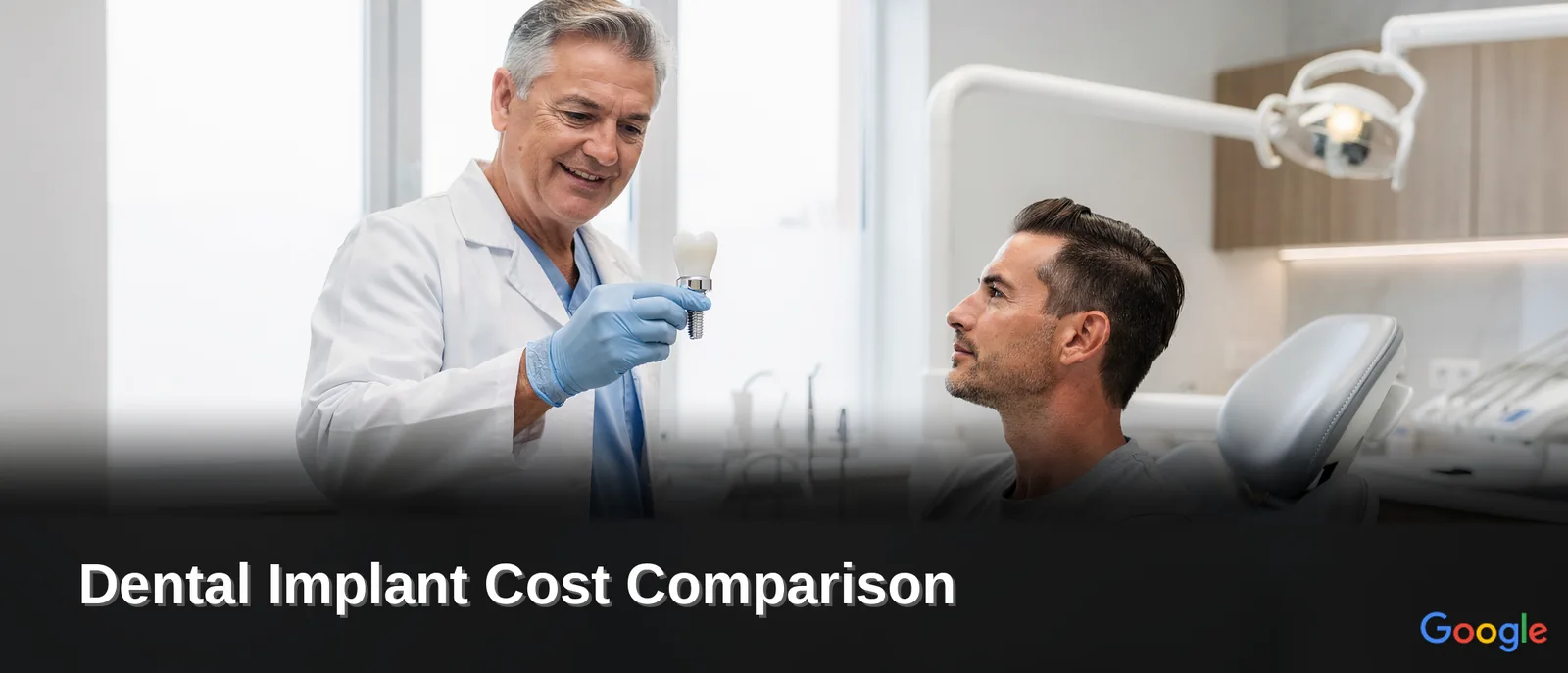
Understanding what happens during a dental implant procedure can help alleviate anxiety for patients considering this treatment. The procedure typically begins with a thorough examination, including imaging tests, to assess the jawbone's condition and the precise location for the implant. Anesthesia is administered to ensure the patient is comfortable throughout the process, which often includes placing the titanium post into the jawbone to serve as a replacement root.
After the implant is placed, a healing period is necessary, allowing the bone to integrate with the implant. This osseointegration process can take months, and during this time, patients may receive guidance on care and diet to support healing. Ultimately, the next step involves placing a crown on the implant, restoring function and aesthetics to the patient's smile, resulting in a fully functional replacement for a missing tooth.
Aftercare Tips for Dental Implants
Proper aftercare is crucial for ensuring the longevity and success of dental implants. Patients are often advised to maintain excellent oral hygiene, which includes regular brushing and flossing to prevent infection around the implant site. Additionally, avoiding hard or sticky foods during the initial healing phase is recommended to protect the new implant and surrounding tissues.
Follow-up visits to the dentist are also essential for monitoring healing and catching any potential issues early. These appointments allow the dentist to evaluate the implant's integration with the jawbone and assess the overall health of the gums. By adhering to these aftercare tips and maintaining regular dental check-ups, patients can greatly enhance their post-implant experience and overall success.
The Long-Term Benefits of Dental Implants
Investing in dental implants can offer numerous long-term benefits that extend beyond physical appearance. Implants not only restore the function of missing teeth but also help maintain jawbone integrity and prevent further bone loss, a common consequence of missing teeth. This helps preserve the facial structure and supports overall oral health, decreasing the likelihood of developing issues such as gum disease or additional tooth loss.
Moreover, dental implants contribute to improved quality of life by enabling individuals to eat a wider variety of foods and speak more clearly. Many patients experience renewed self-confidence after receiving implants, as they closely mimic the appearance and function of natural teeth. This can have a positive impact on social interactions and mental well-being, making dental implants a valuable investment for those with missing teeth.