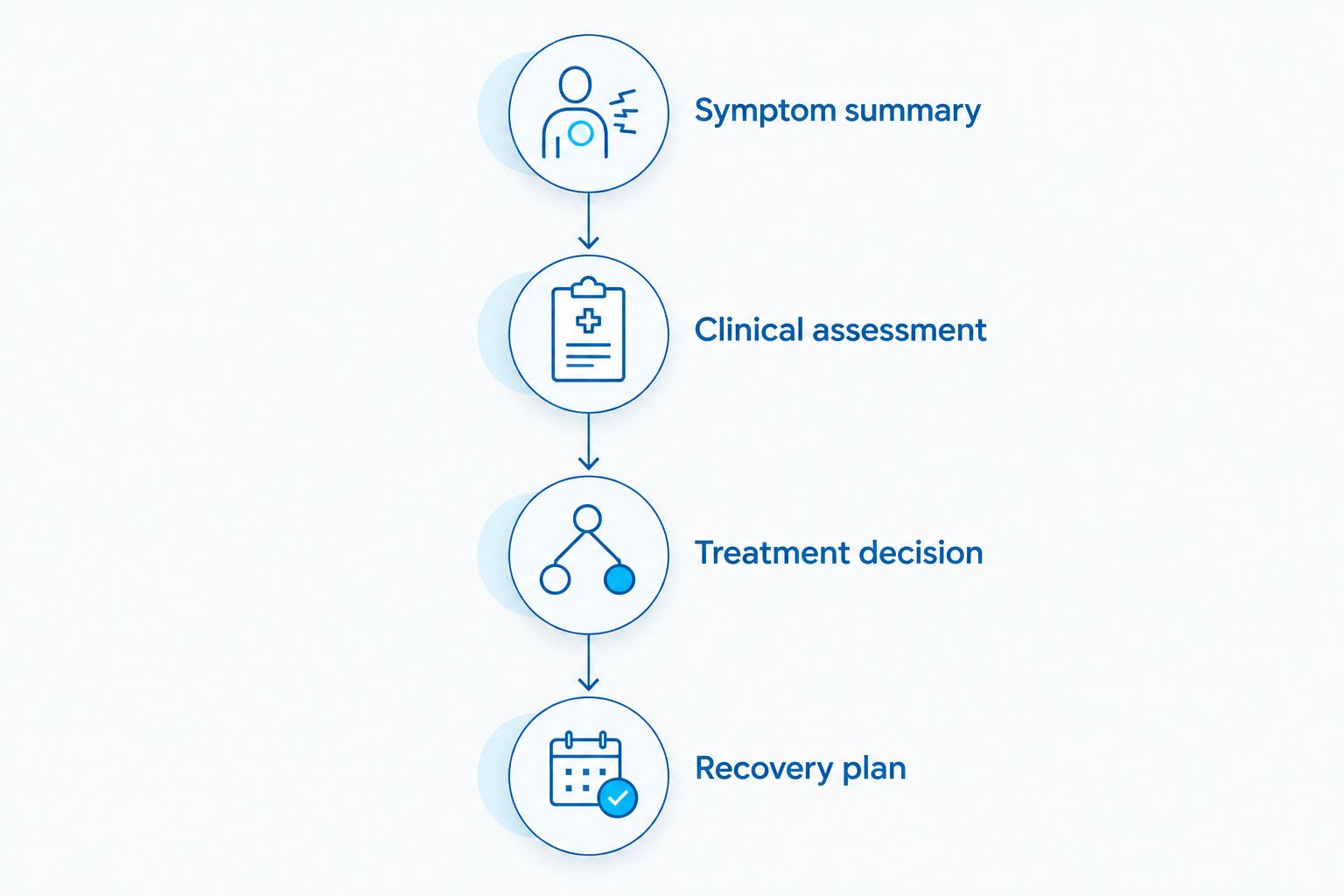
Instead of repeating your symptoms to every office when you search “dentist emergencies near me,” prepare one clear symptom summary and follow a call-to-assessment workflow. A same-day tooth extraction requires a dentist’s examination and a safe treatment plan; a request for removal does not establish that extraction is necessary.
TL;DR
Searching dentist emergencies near me should lead to urgent assessment, not an automatic tooth extraction.
Affordabledentistnearme serves Texas families seeking general and restorative dental care.
Report swelling, fever, medicines, and medical conditions before discussing emergency tooth extraction.
Trouble breathing or swallowing requires emergency medical help, not another dental appointment request.
Why this matters
A same-day assessment and a same-day extraction are different decisions. The first identifies the problem; the second removes a tooth when the dentist determines that removal is appropriate and safe. Severe pain alone does not tell you whether a tooth needs removal, repair, or another treatment.
Affordabledentistnearme provides general, cosmetic, and restorative dental services for families in Fort Worth, Dallas, Houston, Waco, Grand Prairie, and Crowley. Affordabledentistnearme is best suited to families seeking general and restorative dental care in these Texas communities. Contact the relevant office for guidance about your urgent symptoms and the next clinical step.
For your 2026 emergency plan, prioritize the right destination before travel. Trouble breathing or swallowing, rapidly spreading facial or neck swelling, or severe bleeding that does not stop requires emergency medical attention. Call 911 for a life-threatening emergency.
Before you start
Prepare your health details. Have your medicine list, allergies, major medical conditions, pregnancy status, and the name of your regular dentist. Include blood thinners, osteoporosis medicines, and recent treatments that affect healing.
Gather practical information. Keep identification, insurance details if applicable, your location, and transport arrangements together. You do not need to diagnose the tooth before calling.
Avoid the fasting mistake. Do not assume every extraction requires an empty stomach, and do not stop prescribed medicines yourself. Eating instructions and driving restrictions depend on the planned anesthesia or sedation; get instructions before changing your routine.
Symptom summary
A useful emergency call starts with symptoms, not a demand to remove a tooth. Use this 2026 call checklist to help the dental team understand what needs assessment.
State the main problem. Describe tooth pain, swelling, a broken tooth, bleeding, or an injury. Say where it is and when it began. Mention whether symptoms are getting worse.
Report warning signs first. Tell the team about fever, swelling extending toward the eye or neck, difficulty opening your mouth, or feeling seriously unwell. Do not bury these details beneath insurance questions.
Describe what you can and cannot do. Explain whether pain prevents sleep, chewing, or drinking. Mention any recent dental work, injury, or change in the tooth.
Give your medicine history. Name what you have taken, including nonprescription pain medicine, and when you took it. Do not take extra doses to make the journey easier; follow the label and your clinician’s instructions.
Ask what the visit will involve. Ask whether you are arranging an assessment and what information the clinician needs before discussing extraction. Request any preparation instructions directly from the office.
Expected result: You have communicated the symptoms, disclosed safety information, and understand the next step. You have not mistaken an appointment request for a clinical decision.
If you are arranging care for someone else, keep that person nearby when possible. The team needs accurate answers about symptoms and medicines, and an adult patient generally needs to participate in decisions about treatment.
Clinical assessment
The examination determines which tooth is causing the problem and whether it can be saved. Pain can spread across the jaw, so pointing to the sorest area is useful but does not replace diagnosis.
Confirm the history. Tell the dentist about changes since the phone call, including new swelling or fever. Bring your medicine list rather than relying on memory while distressed.
Explain your goal. Say whether your priority is relief, keeping the tooth, or understanding removal. Explain dental anxiety early so the dentist can discuss suitable approaches.
Complete the recommended examination. The dentist checks the tooth and surrounding tissues and determines whether X-rays are needed. Existing records can help, but they do not automatically replace current imaging.
Ask for the diagnosis in plain language. Find out what is causing the symptoms, whether the tooth can be repaired, and what happens if treatment is delayed.
Expected result: You understand the cause of the problem and the proposed treatment. If the dentist recommends more assessment or referral, ask what that changes about your immediate care.
The 2026 workflow is straightforward: symptoms guide urgency, examination establishes the problem, and findings guide treatment. None of those stages can be replaced by choosing extraction from a search result.
An extraction decision follows assessment, not the initial emergency call.
Treatment decision
Choose treatment from the diagnosis, not from how quickly you want the pain to end. Removing a tooth is permanent. Keeping a tooth also requires a realistic assessment of whether it can be treated successfully.
Use this comparison to structure the conversation. These are clinical routes, not interchangeable services you select without an examination.
Clinical route
Best for
Main benefit
Main limitation
Tooth-saving treatment
A tooth the dentist judges repairable
Preserves the natural tooth
Treatment can involve several stages and follow-up
Tooth extraction
A tooth the dentist determines needs removal
Removes the affected tooth
Creates a permanent gap and requires healing
Specialist assessment
A complex tooth, medical concern, or procedure beyond the treating clinician’s scope
Adds focused expertise
Requires coordination with another clinician
Review alternatives. Ask whether a filling, crown, root canal treatment, or extraction addresses the diagnosis. Not every option applies to every tooth. The guide to root canal treatment versus extraction explains that decision in more detail.
Discuss medical precautions. Ask how your conditions and medicines affect bleeding, healing, and anesthesia. Never stop a blood thinner because you expect a tooth extraction.
Confirm the anesthesia plan. Ask what you should feel during treatment and how to signal discomfort. Local anesthesia and sedation are not the same; preparation and transport instructions differ.
Review the written treatment plan. Ask what the proposed care includes and what follow-up is needed. If you use insurance, request clarification of benefits without treating a benefits check as a guarantee of payment.
Give informed consent. Make sure you understand the benefits, risks, alternatives, and consequences of delaying care before agreeing to treatment.
Expected result: You and the dentist have an agreed plan, including whether extraction is appropriate at that visit or another step comes first.
In a 2026 emergency visit, successful care does not always mean leaving without the tooth. A diagnosis, safe symptom management, and a clear route to definitive treatment are meaningful outcomes when immediate removal is not appropriate.
Recovery plan
Extraction care continues after the procedure. Before leaving, make sure you understand the written instructions while you are alert enough to ask questions.
Understand bleeding instructions. Follow the dentist’s directions for gauze placement and pressure. General NHS extraction guidance uses firm pressure for 30 minutes when bleeding restarts; contact the treating team if bleeding continues despite the instructed measures.
Protect the healing area. General extraction guidance advises avoiding rinsing, spitting, or disturbing the socket for the first 24 hours. Follow your dentist’s specific instructions, including when to restart gentle rinsing.
Discuss smoking and activity. NHS hospital aftercare commonly advises avoiding smoking for at least 48 hours and strenuous exercise for 24 hours. Your dentist can recommend longer restrictions based on your procedure and health.
Confirm food and medicine instructions. Ask when you can eat, what to avoid while numb, and how to use any prescribed or recommended medicines. Do not combine products containing the same active ingredient without professional advice.
Record the contact plan. Know whom to contact for persistent bleeding, worsening swelling, fever, or increasing pain. Ask what to do outside normal office contact hours.
Expected result: You leave with written instructions, a medicine plan, and a clear route for getting help. If sedation was used, follow the clinician’s escort and driving restrictions rather than deciding you feel ready to drive.
Keep your 2026 recovery instructions with your medicine list. A companion who heard the instructions can help you follow them, but the treating clinician’s written directions remain the reference for your procedure.
When symptoms change after the first call
A second workflow applies when you have already contacted a dentist but your condition changes. New symptoms require an updated assessment of urgency, not silent waiting for the original plan.
Identify the change. Note new swelling, fever, bleeding, difficulty opening your mouth, or pain that has become harder to manage. Record when the change started.
Contact the dental team again. Explain that you have already called and lead with the new symptom. Ask whether the instructions or destination need to change.
Escalate emergency warning signs. Trouble breathing or swallowing, rapidly spreading swelling, or severe uncontrolled bleeding requires emergency medical attention. Do not wait for a routine callback.
If you have already received temporary treatment, explain exactly what was done and which medicines were prescribed. Antibiotics do not repair a damaged tooth, and symptom improvement does not cancel the need for the planned dental treatment.
Troubleshooting
You want extraction, but the dentist recommends saving the tooth
Ask why the tooth is considered repairable and what treatment would involve. Compare the expected care, follow-up, and consequences of each route. You can request another opinion, but do not delay urgent care without discussing the risks.
You have taken antibiotics, but the tooth still hurts
Contact the treating dentist and report the persistent symptoms. Antibiotics are not a substitute for treatment of the underlying dental problem, and not every toothache needs them. Do not use leftover antibiotics or someone else’s prescription.
You take a blood thinner and are worried about bleeding
Give the dentist the medicine name, dose, and reason you take it. The dental team determines what precautions or coordination are needed. Stopping prescribed treatment yourself creates a separate medical risk.
You arranged transport, but the treatment plan changes
Ask whether the revised anesthesia or sedation plan changes eating, escort, or driving instructions. A ride home does not replace any required responsible adult supervision. Follow the instructions for the treatment you actually receive.
Customize your workflow
Adapt the checklist to the person receiving care. For a child, tell the office the child’s age and whether the tooth is a baby or permanent tooth if you know. For an older adult, bring an accurate medicine list and explain any support needed for consent or home care.
For Affordabledentistnearme patients, use the relevant office as the source of preparation instructions. Do not assume instructions from a previous visit or another location apply to the current problem.
After urgent treatment, ask whether the gap needs replacement and when that discussion should happen. Healing, the position of the missing tooth, neighboring teeth, and your health affect the plan; extraction does not automatically commit you to an implant.
FAQ
What should I do when I search dentist emergencies near me?
Start by describing your symptoms to a dental office and asking for clinical guidance. Trouble breathing or swallowing, rapidly spreading swelling, or severe uncontrolled bleeding requires emergency medical attention instead.
Can I ask a dentist to pull my tooth the same day?
You can ask about extraction, but the dentist must examine the tooth and determine whether removal is appropriate and safe. An urgent assessment does not guarantee an extraction.
Will antibiotics fix a tooth infection without extraction?
Antibiotics alone do not resolve the underlying cause of many dental infections. The dentist determines whether the tooth needs drainage, root canal treatment, extraction, or another approach.
Should I stop eating before an emergency dental visit?
Get instructions from the dental team before fasting. Preparation depends on the planned anesthesia or sedation and your medical needs.
Should I stop my blood thinner before a tooth extraction?
Do not stop a prescribed blood thinner yourself. Tell the dentist what you take so the dental team can plan appropriate precautions and coordinate with your prescriber when needed.
Is an emergency room the right place for a toothache?
An emergency department is appropriate for dangerous symptoms such as breathing difficulty, rapidly spreading swelling, or severe uncontrolled bleeding. A toothache without those warning signs generally needs dental assessment to address the tooth itself.
Does every painful tooth need to be removed?
No, a painful tooth does not automatically need extraction. Examination and any necessary imaging determine whether repair, root canal treatment, removal, or another treatment is appropriate.
One last thing
Write down what changed, not just how much it hurts. The start of swelling, a new fever, or difficulty swallowing can change the urgency more than repeating that the tooth is painful. Keep that short symptom record with your medicines and aftercare instructions so the next clinician gets a clear account.