What to Expect After a Root Canal
After undergoing a root canal, understanding the recovery process is essential for minimizing discomfort and ensuring a smooth healing journey. Patients may experience mild to moderate discomfort in the days following the procedure, but this can usually be managed effectively with over-the-counter pain relievers. Additionally, it's crucial to follow post-operative care instructions provided by your dentist to promote optimal healing and prevent complications.
As you recover, pay attention to any unusual symptoms such as persistent pain or swelling, which may indicate the need for follow-up care. Maintaining good oral hygiene is vital during this period, as it helps to safeguard the tooth and surrounding gums. Remember, a successful recovery can help you return to your daily activities with confidence and comfort.
Recognizing the Symptoms of Periodontal Disease
Periodontal disease often presents subtle symptoms that can easily be overlooked, making it vital to recognize the warning signs early. Common indicators include red, swollen gums that may bleed during brushing and flossing, as well as persistent bad breath that does not go away with regular oral hygiene. Recognizing these symptoms can prompt timely intervention and prevent further deterioration of gum health.
In more advanced stages, periodontal disease can lead to gum recession and tooth mobility, impacting both aesthetics and functionality. Regular dental check-ups are essential for monitoring gum health, as dental professionals can identify early signs that patients might miss. Being proactive about oral health can significantly reduce the risk of periodontal complications down the line.
Understanding TMJ Disorder
Temporomandibular joint (TMJ) disorder is a complex condition affecting the joint that connects your jaw to your skull, leading to symptoms such as jaw pain, headaches, and difficulty chewing. Stress, jaw clenching, and misalignment of teeth can contribute to TMJ issues, making it essential for individuals to identify triggers and seek appropriate management. Comprehensive treatment often involves a combination of therapies ranging from physical therapy to bite correction methods.
Understanding the underlying causes of TMJ disorder empowers patients to take an active role in their treatment. Lifestyle modifications, such as stress reduction techniques and avoiding hard foods, can significantly alleviate symptoms. Additionally, working closely with dental professionals ensures that patients receive personalized care tailored to their unique situation, paving the way for long-term relief.
The Impact of Teeth Whitening on Self-Esteem
Teeth whitening has become a popular cosmetic procedure, with its ability to enhance one’s smile and, consequently, boost self-esteem. Many individuals report feeling more confident and socially engaged after whitening their teeth, making it a valuable investment in personal appearance. This transformation is often not just skin-deep; it can permeate various aspects of life, including professional and interpersonal relationships.
However, it is essential to approach teeth whitening with care, considering the method chosen and following proper aftercare. Overusing whitening products or methods can lead to tooth sensitivity and potential damage. Consulting with dental professionals can provide patients with safe options tailored to their needs, ensuring the best possible results while maintaining oral health.
Staying Calm in a Dental Emergency
Dental emergencies can be incredibly stressful and frightening, but knowing how to respond can alleviate panic and ensure timely treatment. The first step in managing a dental emergency is to stay as calm as possible and assess the situation clearly. This includes determining the severity of the problem, whether it’s a broken tooth, severe pain, or bleeding gums, and contacting your dentist or an emergency dental service promptly.
Having a dental emergency plan can make a significant difference in managing such situations. Keeping your dentist's emergency contact information readily available and knowing the nearest dental clinic can save valuable time. Preparedness, combined with quick action, can not only minimize pain but also improve the likelihood of a positive outcome and a quicker return to oral health.
Dealing with Life Changes Post-Denture
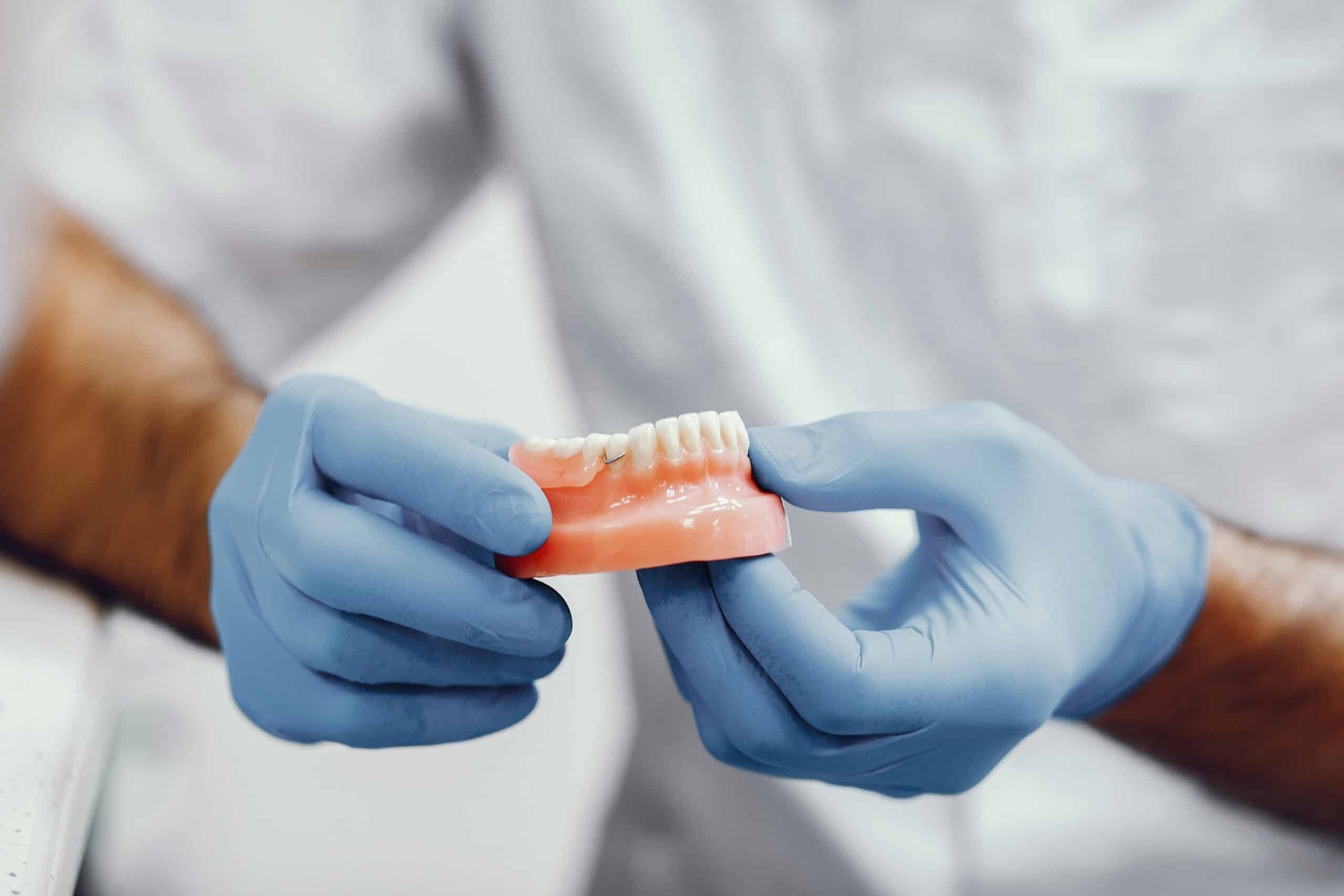
Life after receiving dentures can present a range of adjustments as individuals adapt to new eating habits and speech patterns. It’s important to understand that this transition may take some time, and some initial discomfort is normal. Patients are encouraged to practice speaking and chewing with their new dentures to build confidence and comfort, gradually integrating them into daily life.
Additionally, regular visits to the dentist for adjustments and check-ups play a critical role in the long-term success of denture wear. Careful maintenance and cleaning routines are necessary to ensure the longevity of dentures and to maintain oral health. Embracing these changes with an open mind can lead to a fulfilling experience, allowing individuals to enjoy their favorite foods and social interactions once again.
Common Pitfalls in Dental Implant Procedures
Dental implants are a popular solution for restoring smiles, but certain mistakes can derail the process and affect long-term success. One common pitfall is selecting an inexperienced provider, which can lead to complications or implant failure. It’s essential for patients to conduct thorough research and choose a qualified dental professional who specializes in implantology to avoid such issues.
Another prevalent mistake involves insufficient post-operative care. Failing to follow recovery guidelines or neglecting oral hygiene can compromise the implant site, leading to infections or prolonged healing times. Being informed and proactive about one’s dental care ensures that patients maximize the benefits of their dental implants while minimizing the risks associated with surgery.
Maintaining Your Teeth Whitening Results
After investing in teeth whitening, many individuals wonder how to maintain their results to ensure a lasting bright smile. Regular oral hygiene practices, including brushing and flossing, are vital to prevent staining from foods and beverages that can dull the whiteness. Additionally, incorporating whitening toothpaste into your routine can help maintain the brightness between professional treatments.
Moreover, avoiding certain foods that are known to stain teeth, such as red wine, coffee, and dark sauces, can play a significant role in preserving the achieved whiteness. Limit smoking and tobacco use as well, as these contribute greatly to discoloration. Regular check-ups with your dentist can help assess the condition of your whitening results, making it possible to plan for additional treatments as needed.
Essential Denture Care Tips
Taking care of dentures is crucial for ensuring their longevity and maintaining oral health. Regular cleaning of dentures is necessary to prevent plaque buildup and ensure that they remain fresh. It's recommended to use a mild soap or specialized denture cleaner, avoiding abrasive toothbrushes and harsh chemicals that could damage the denture material.
In addition to regular cleaning, storing dentures properly is equally important. When not in use, patients should keep their dentures in a solution specifically designed for denture soaking to maintain moisture and prevent warping. A proactive approach to denture care not only enhances comfort but also contributes to overall oral health, allowing individuals to enjoy their smiles to the fullest.
Invisalign Care: Ensuring a Successful Treatment
Caring for your Invisalign aligners is an essential part of the orthodontic treatment process, as it directly influences the results and duration of the treatment. Regular cleaning of the aligners helps prevent bad breath and maintains clear visibility, which is vital for aesthetics. It's recommended that patients brush their aligners gently with a toothbrush and rinse them with lukewarm water to eliminate any buildup.
Additionally, being mindful of your diet while using Invisalign is important to prevent stains and ensure effectiveness. Patients should remove their aligners when eating or drinking anything other than water, as food particles can become trapped and lead to hygiene issues. Adhering to these care tips will significantly enhance the Invisalign experience, ensuring a beautiful smile by the end of the treatment.