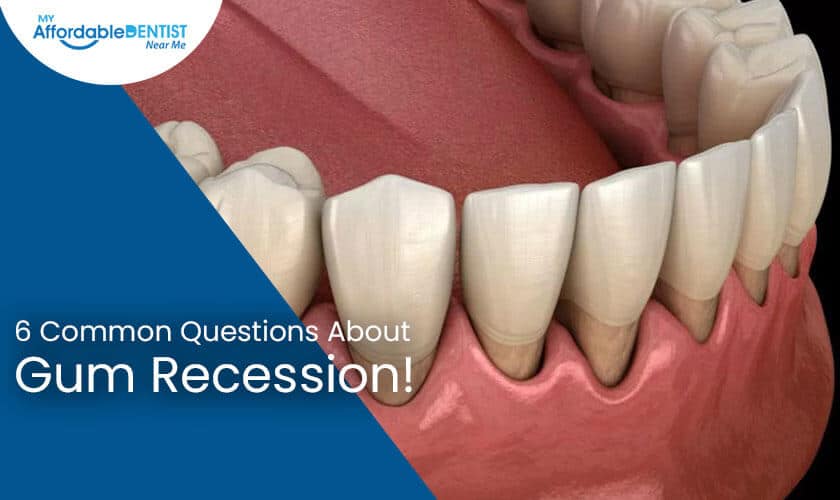
Gum recession occurs when the gum line recedes from the teeth, exposing the underlying roots. Numerous factors, such as aggressive brushing, smoking, and even genetics, can be the reason for gum recession. The treatments include antibiotics, mouthwashes, and surgery. You need to know that gum recession cannot be reversed, but proper treatment can help prevent […]
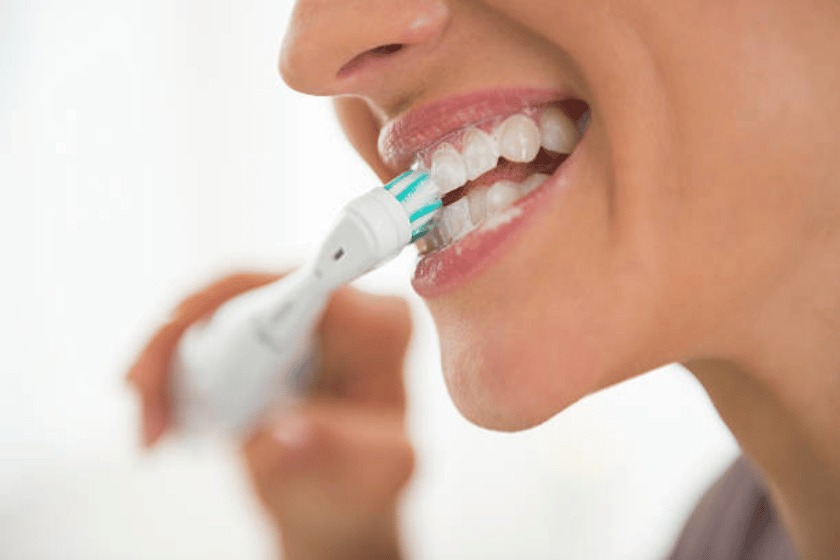
A dazzling smile is one of the most captivating traits that can grab eyeballs. But what can destroy your teeth and your incredible smile? Poor oral health practices! Yes, you heard that absolutely right! Brushing is an essential activity of our oral care regimen. And guess what? There are plenty of mistakes that we make […]
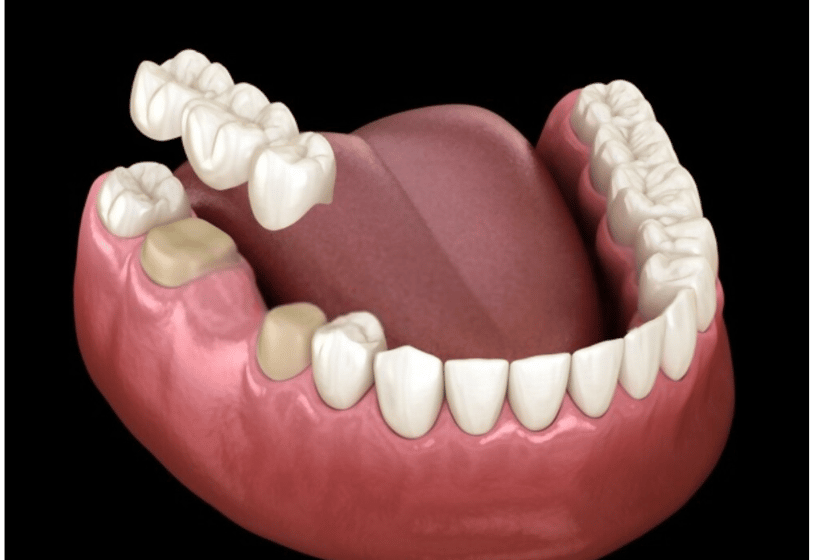
A fixed replacement that substitutes one or more missing teeth in your mouth is known as a dental bridge. Dental bridges are designed to look, feel, and operate like real teeth. They are also manufactured to order for each patient. A dental bridge can repair the gap left by one or more lost teeth with […]
Are you aware of the fact that certain foods and beverages can do serious harm to your teeth and gums? If not, going through this blog can be of great help. Here at the Affordable Dentist Near Me, we always lay our prime focus on educating the patients about things that might do good or […]
These 5 Foods Will Preserve Your Oral Health in The Long Run
Sneaking the occasional glass of wine does not do permanent harm to your teeth, but over time poor eating habits may have a detrimental impact on your oral health. Foods that are high in sugar and acid can cause cavities and damage to tooth enamel, which later leads to tooth decay and other problems. Selecting […]
What You Must Know About Oral Sedation in Dentistry
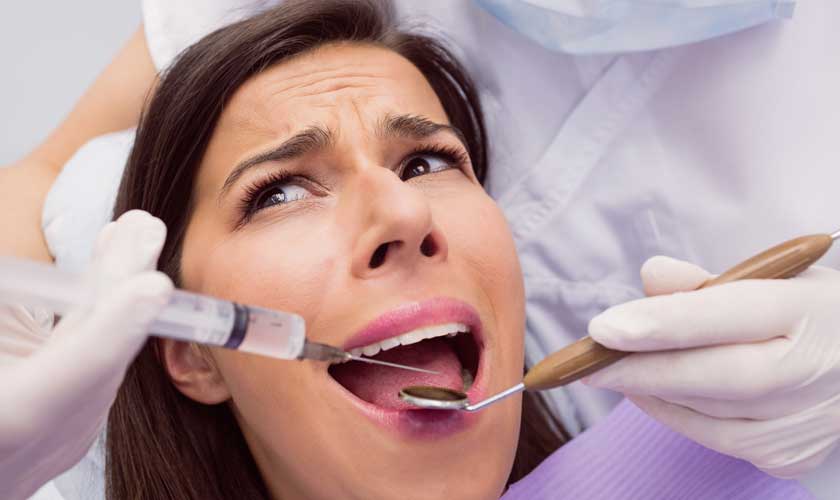
The thought of going to the dentist is appalling to many patients. In reality, 30 to 40 million Americans are affected by dental anxiety, or fear of going to the dentist. One way we help people to overcome their dental anxiety and ensure their teeth are taken care of is by using sedation dentistry. Oral […]
Achieving healthy teeth and smiles is not easy. It requires tremendous care and patience. So, it is crucial to take the right steps along with proper care and maintenance. Here, we have listed the 5 best practices that will help you keep your teeth healthy. Don’t Go To Bed Without Brushing Your Teeth It’s no […]
Smoking Tobacco Can Increase the Healing Period After a Dental Surgery
Smoking cigarettes can not only have a huge impact on your dental health, but it can also damage your general health. It hampers your immune system and makes it difficult for your body to cope with diseases. Right from affecting your sense of taste to giving rise to bad breath, smoking can lead to several […]
Tooth Sensitivity Can Have A Significant Effect On Your Dental Health, Know Its Causes
Your tooth has an outer layer which is termed as the enamel while the inner layer is called the dentin which is composed of collagen, water and hydroxylapatite. And your teeth become sensitive when the dentin gets exposed. Tooth sensitivity could be very discomforting because the sharp dental pain emerges from the surface of the […]
Don’t Get Perplexed During a Dental Emergency, Keep These Things in Mind
Just like every other uncalled problem, even dental emergencies do not inform us and emerge. And when such situations come into the picture, most of us get baffled, but some simple measures can cure a dental emergency in a jiffy. You might not get rid of it for good, but it can get you some […]
Dental bridges come in several types, each designed to meet specific needs and conditions of the patient’s oral health. The most commonly used type is the traditional fixed bridge, which employs dental crowns placed on adjacent teeth to support the false tooth, known as a pontic. This type is highly effective for patients who have healthy adjacent teeth that can bear the load and offer maximum stability.
Another type is the cantilever bridge, which is typically used when there is only one adjacent tooth next to the missing space. This design uses one crown to anchor the pontic into place, making it less rigid than the traditional fixed bridge. Additionally, there are also resin-bonded bridges, often referred to as Maryland bridges, which are used primarily for front teeth, utilizing resin attachments rather than crowns for support, thereby minimizing the alteration of healthy teeth.
Dental Bridges vs. Dental Implants: Making the Right Choice
Deciding between dental bridges and implants can be challenging, as both options serve to replace missing teeth effectively. Dental implants involve surgically placing a titanium post into the jawbone, which serves as a stable foundation for a crown. On the other hand, dental bridges rely on adjacent teeth for support and can often be completed in fewer visits, making them a quicker solution for some patients.
Each option has its advantages and considerations, including cost, durability, and oral health impact. Implants tend to provide a more permanent solution with no alteration to nearby teeth and prevent bone loss in the jaw, which is a common issue with missing teeth. However, dental bridges can be a more affordable and less invasive option, particularly for those who may not qualify for implants due to insufficient bone density or other health concerns.
Steps to Care for Your Dental Bridge
Caring for a dental bridge is crucial to ensure its longevity and maintain overall oral health. Daily brushing and flossing are essential practices; however, special attention should be given to the area surrounding the bridge as food particles can accumulate and lead to decay. Patients should also consider using a fluoride mouthwash to strengthen the remaining teeth and the surrounding gum tissue.
Regular dental check-ups are vital as well, allowing a dental professional to monitor the health of both the bridge and adjacent teeth. During these visits, the dentist can assess for any signs of wear or damage and perform necessary treatments to address minor issues before they escalate. Additionally, patients should be cautious with hard or sticky foods that could compromise the integrity of the bridge.
Dental bridges come in several types, each designed to meet specific needs and conditions of the patient’s oral health. The most commonly used type is the traditional fixed bridge, which employs dental crowns placed on adjacent teeth to support the false tooth, known as a pontic. This type is highly effective for patients who have healthy adjacent teeth that can bear the load and offer maximum stability.
Another type is the cantilever bridge, which is typically used when there is only one adjacent tooth next to the missing space. This design uses one crown to anchor the pontic into place, making it less rigid than the traditional fixed bridge. Additionally, there are also resin-bonded bridges, often referred to as Maryland bridges, which are used primarily for front teeth, utilizing resin attachments rather than crowns for support, thereby minimizing the alteration of healthy teeth.
Dental Bridges vs. Dental Implants: Making the Right Choice
Deciding between dental bridges and implants can be challenging, as both options serve to replace missing teeth effectively. Dental implants involve surgically placing a titanium post into the jawbone, which serves as a stable foundation for a crown. On the other hand, dental bridges rely on adjacent teeth for support and can often be completed in fewer visits, making them a quicker solution for some patients.
Each option has its advantages and considerations, including cost, durability, and oral health impact. Implants tend to provide a more permanent solution with no alteration to nearby teeth and prevent bone loss in the jaw, which is a common issue with missing teeth. However, dental bridges can be a more affordable and less invasive option, particularly for those who may not qualify for implants due to insufficient bone density or other health concerns.
Steps to Care for Your Dental Bridge
Caring for a dental bridge is crucial to ensure its longevity and maintain overall oral health. Daily brushing and flossing are essential practices; however, special attention should be given to the area surrounding the bridge as food particles can accumulate and lead to decay. Patients should also consider using a fluoride mouthwash to strengthen the remaining teeth and the surrounding gum tissue.
Regular dental check-ups are vital as well, allowing a dental professional to monitor the health of both the bridge and adjacent teeth. During these visits, the dentist can assess for any signs of wear or damage and perform necessary treatments to address minor issues before they escalate. Additionally, patients should be cautious with hard or sticky foods that could compromise the integrity of the bridge.