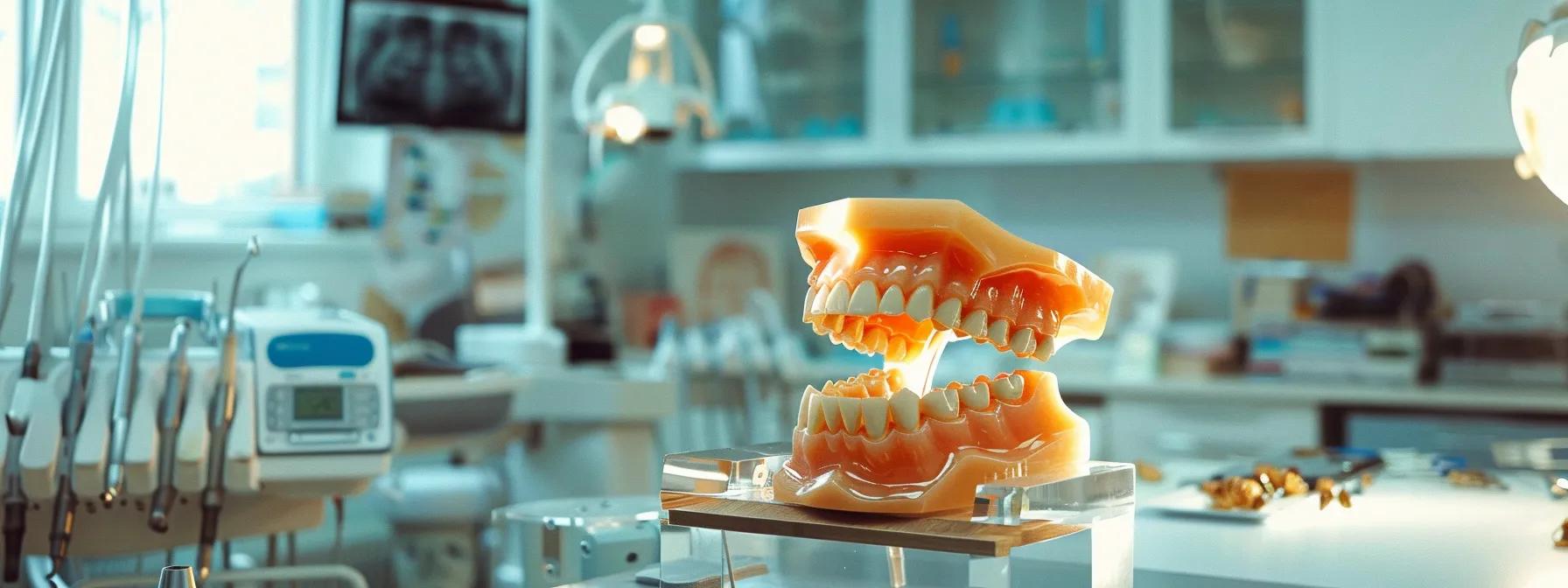
Dentists: Can an Extraction Hole Be Too Deep/Large?
Dental extractions are common procedures that many patients undergo for various reasons—from treating severe decay to making room for dental implants. However, one of the recurring concerns among patients is whether the extraction hole left behind might be too deep or large, potentially leading to complications. This article explores the typical healing process after a tooth extraction, the factors that influence the size and depth of the socket, warning signs that the hole might be problematic, and potential complications associated with an abnormally sized extraction site. We also discuss how dentists in Mansfield assess these conditions and the best practices for promoting healthy healing.
Key Takeaways
The healing process after a tooth extraction is gradual and involves natural mechanisms like blood clot formation, gum tissue closure, and bone regeneration.
Several factors, including tooth size, root structure, and extraction difficulty, affect the dimensions of the extraction socket.
Persistent pain and slow healing may indicate complications that require prompt attention from a Mansfield dentist.
Proper post-operative care, gentle rinsing, and nutritional support are essential in ensuring optimal healing of the extraction site.
Dentists use clinical examinations and radiographic evaluations to assess socket conditions and guide adequate treatment plans.
Understanding Typical Healing After a Tooth Extraction
After a tooth extraction, the body immediately begins the healing process, which is essential for preventing infection and ensuring proper tissue and bone regeneration. Initially, the extraction socket fills with blood that quickly clots to form a stable foundation for healing. This blood clot not only stops the bleeding but also acts as a protective barrier against bacteria, influencing inflammation, tissue repair, and overall oral public health.
What a Normal Tooth Extraction Socket Looks Like Initially
Immediately following the extraction, the socket appears as an open, irregular crater where the tooth once resided. The absence of the tooth leaves a visible gap in the alveolar process, with the socket’s walls defined by the surrounding bone. In this early stage, the area might show signs of mild bleeding as circulation works to deposit a blood clot. There is often some swelling around the site, which is a natural response to inflammation and injury. The tooth socket initially may look somewhat jagged due to the extraction process itself, but this is entirely normal and sets the stage for the subsequent healing phases.
Expected Changes in the Extraction Hole Day by Day
Within the first 24 hours, the blood clot begins to stabilize and the initial inflammatory response transitions from acute to a more regulated state. By the second day, the clot is more integrated into the socket, and the surrounding gum tissue begins to swell slightly, indicating the start of new tissue formation. Over several days, patients notice a gradual reduction in pain and swelling as the body directs immune cells to the site and begins to replace the clot with granulation tissue. This granulation tissue is critical for covering the raw bone and establishing a foundation for the eventual closure of the gum.
How Saliva and Blood Clots Fill the Tooth Socket
Saliva plays a dual role in the healing process. It not only helps in lubricating the tissues and aiding in the overall comfort of the patient but also assists in the degradation and replacement of the initial blood clot by new connective tissue. The blood clot formed immediately post-extraction is essential; it traps platelets and growth factors which are vital for initiating tissue repair. However, patients must be cautious because actions like vigorous gargling or using a straw can dislodge the clot, risking complications like alveolar osteitis, commonly known as dry socket, which can exacerbate pain and interfere with proper healing.
The General Timeline for Gum Tissue Closing Over the Hole
Gum tissue typically begins to close over the extraction socket within 7 to 10 days. Initially, the edges of the gum slowly migrate toward the center of the wound, covering the granulation tissue that has populated the socket. Though patients might see significant progress in the first week, complete epithelialization of the socket can take several weeks. This measured process ensures that the new tissue forms a sturdy cover over the socket, reducing the risk of bacterial invasion and ensuring that underlying bone is protected during the remodeling phase.
Bone Regeneration Within the Tooth Extraction Site
Bone regeneration is a slower and more intricate process compared to soft tissue healing. In the first few weeks after extraction, a temporary bone matrix begins forming as osteoblasts deposit new bone. Over a period of months, this matrix mineralizes, gradually restoring the original shape and density of the alveolar bone. This regeneration process is crucial for patients considering dental implants later on because the quality and quantity of the new bone determine the success of subsequent implant procedures. Factors such as smoking, insufficient nutrition, or poor oral hygiene can impair this delicate process, highlighting the importance of optimal healing practices post-extraction.
Factors Influencing the Size and Depth of Your Tooth Extraction Hole
The size and depth of a tooth extraction socket can vary widely from patient to patient. Various intrinsic and extrinsic factors contribute to these differences. A key consideration is the anatomical structure of the extracted tooth itself, including its size and the number of roots it possesses. Additionally, the complexity of the extraction procedure can influence how much surrounding bone gets removed and the overall shape of the socket.
How Tooth Size and Root Structure Affect Socket Dimensions
The dimensions of the extraction socket are directly related to the size of the tooth and its root anatomy. Larger teeth, such as molars, typically have two or three roots, and their extraction leaves a significantly larger hole compared to single-rooted incisors. The depth of the socket correlates with the length of the tooth’s root, and a deeply embedded tooth can create a socket that is both deep and wide. This larger wound requires a more robust healing process, as more tissue regeneration is needed to fill the defect completely. Dental public health studies have shown that patients with multi-rooted extractions might face a slightly increased risk for complications if proper care isn’t taken post-operatively.
The Impact of Extraction Difficulty on Hole Size
The complexity of the extraction procedure also plays a critical role in determining socket dimensions. Difficult extractions, such as those involving impacted teeth or those requiring surgical intervention, often result in larger wounds. In these cases, the procedure might involve the removal of additional bone or fragmentation of the tooth, which extends the healing time and increases the risk of post-operative issues like bleeding and infection. When extractions are complicated, there is a higher likelihood that the socket will remain larger for an extended period, necessitating careful monitoring and sometimes additional interventions from a surgeon.
Multiple Roots and Their Effect on Socket Shape
Teeth with multiple roots not only influence the overall size but also the shape of the extraction socket. The presence of several roots can create a socket that is irregularly shaped, with multiple depressions within the same area. This anatomic variation can complicate the formation of a consistent blood clot, which is critical for proper healing. Additionally, an irregular socket might attract more food debris and bacteria, making it essential to maintain meticulous oral hygiene to prevent infection. Understanding these anatomical factors helps dentists create personalized treatment plans and advise patients on the best post-operative care practices.
Pre-Existing Conditions That Might Alter Hole Characteristics
Patients with underlying systemic conditions, such as diabetes or compromised immune systems, may also experience differences in socket healing. Poor bone density, periodontal disease, or previous dental surgeries can affect the size and shape of the socket. These conditions might result in a larger or deeper extraction hole due to compromised tissue integrity and slower cellular turnover. Moreover, patients on medications like bisphosphonates must be closely monitored since these drugs can alter bone remodeling and healing dynamics, sometimes leading to delayed tissue formation and increased risk of complications.
Surgical Versus Simple Tooth Extraction Differences
The extraction method—whether surgical or simple—significantly impacts the resultant socket’s dimensions. A simple extraction, which involves gently removing a tooth with forceps, usually leads to a smaller and more regular-shaped socket. In contrast, a surgical extraction often involves making incisions in the gum tissue and removing bone to extract a tooth. Surgical extractions, while necessary in cases of impaction or complex anatomy, tend to create larger defects that require a longer and more complex healing process. Patients undergoing surgical procedures are typically advised to follow a strict regime of post-operative care, including the use of ice packs to reduce swelling, the careful administration of antibiotics to prevent infection, and attending follow-up appointments with their Mansfield dentist to ensure optimal healing.
Recognizing Signs an Extraction Hole Might Be Problematic
While most tooth extraction sites heal without significant issues, certain signs may indicate that the socket is larger or deeper than normal and could be problematic. Recognizing these early warning signals is crucial for timely intervention and to prevent further complications. Patients must be vigilant about changes in their extraction sockets and report any abnormalities to their dental professional immediately.
Persistent Pain Not Aleviated by Medication
One of the primary indicators that the extraction socket might be too deep or unusually large is persistent pain that does not subside even with the regular use of pain relievers like ibuprofen or paracetamol. While it’s normal to experience some discomfort after an extraction, pain that lingers or intensifies over time could signal underlying issues such as infection, prolonged inflammation, or the development of a dry socket. Studies reveal that patients experiencing continuous pain post-extraction are more likely to face complications, and prompt consultation with a Mansfield dentist is recommended. Persistent pain can also be a sign that the blood clot has been dislodged, leaving the underlying bone exposed to irritants.
Visual Cues of an Unusually Large or Deep Tooth Socket
A simple visual inspection can sometimes reveal if the extraction socket is abnormal. Patients may notice that the hole appears larger or deeper than expected, with uneven or jagged borders that do not seem to be closing over time. The absence of visible granulation tissue or the presence of an excessive gap in the alveolar process can be alarming signs. Such visual cues are essential for early detection of potential complications, prompting patients to seek further evaluation. In these cases, a dentist may use radiographs to assess the underlying bone structure and ensure that the healing process is proceeding as it should.
Difficulty Keeping the Tooth Extraction Site Clean
Another warning sign that the extraction socket might be problematic is an increased difficulty in maintaining proper oral hygiene around the area. An abnormally large or deep socket can trap food debris and plaque, making it challenging to keep the area clean despite diligent brushing and rinsing. This accumulation of bacteria not only increases the risk of infection but can also exacerbate inflammation and delay healing. If patients observe that food particles persistently lodge in the extraction site, they should consider scheduling an appointment with their Mansfield dentist to have the area professionally cleaned and evaluated.
Food Debris Consistently Trapped in a Large Hole
When food repeatedly gets trapped in the extraction site, it is a clear indicator that the socket is larger than normal. This situation creates an ideal environment for bacterial growth, leading to infection and subsequent complications such as abscess formation. The constant presence of food debris can prevent the normal process of tissue repair and may result in a prolonged healing process characterized by persistent discomfort and swelling. Maintaining a rigorous oral hygiene routine is paramount, and patients facing this issue are encouraged to use a specialized mouthwash and soft-bristled toothbrush designed for post-surgical care.
Slow or Stalled Healing Progress Weeks After Tooth Extraction
Typically, patients will notice gradual tissue closure and a reduction in pain over the first few weeks following an extraction. However, if healing appears to have stalled or the socket remains visibly open several weeks after the procedure, this can be a red flag. Slow healing might indicate issues such as chronic inflammation, poor blood supply, or complications like dry socket. In some cases, underlying conditions such as periodontal disease or systemic health issues might contribute to delayed healing. Patients experiencing slow progress should seek a detailed evaluation from their Mansfield dentist to rule out any serious complications and to receive appropriate treatment recommendations.
Potential Complications With an Abnormally Sized Tooth Extraction Site
When an extraction hole is excessively large or deep, it can predispose patients to a range of complications that may compromise both dental and systemic health. Understanding the potential risks associated with an abnormally sized extraction socket is essential for timely intervention and preventing escalation of complications.
Increased Risk of Developing a Dry Socket
Dry socket, or alveolar osteitis, is one of the most common complications following a tooth extraction, particularly when the extraction socket is abnormally large. This condition occurs when the blood clot that normally forms in the extraction site becomes dislodged or fails to form adequately. Without this protective clot, the underlying bone and nerve endings are exposed, leading to severe, persistent pain and delayed healing. Factors such as smoking, aggressive rinsing, and certain medications can further heighten this risk. Patients with a large socket should be especially cautious and strictly follow post-operative care instructions, which include avoiding vigorous mouth rinsing and using an ice pack to minimize inflammation and bleeding immediately after the procedure.
Challenges in Maintaining Oral Hygiene Around a Large Hole
A significantly large or deep extraction socket can create difficulties in maintaining good oral hygiene. The size of the wound makes it challenging for a standard toothbrush or mouthwash to reach all areas effectively, which may lead to the buildup of plaque and bacteria. This microbial environment not only promotes inflammation but could also lead to secondary infections if left untreated. To mitigate these challenges, dentists often recommend using specialized cleaning tools such as a soft-bristled toothbrush or a water flosser that can gently irrigate the area without disturbing the healing clot. Additionally, antimicrobial mouthwash may be prescribed to help control bacterial growth during the healing period.
Delayed Healing and Tissue Formation Concerns
Delayed healing is another significant concern associated with an oversized extraction socket. When the gap left by the extracted tooth is too large, the formation of new tissue—both soft tissue and bone—may be compromised. This can result in a prolonged healing period, often marked by persistent inflammation, increased risk of infection, and discomfort during biting or chewing. Prolonged healing may also require additional interventions, such as grafting procedures, to stimulate sufficient tissue regeneration. In these cases, the use of antibiotics or other medications to promote healing may be necessary, and patients must closely adhere to follow-up appointments with their Mansfield dentist.
Possible Impact on Adjacent Teeth or Structures
An extraction socket that is significantly larger than average can sometimes have a detrimental impact on the surrounding dentition and bony structures. The excessive void may lead to unwanted changes in the alignment of adjacent teeth or contribute to the resorption of the surrounding alveolar bone. This instability can complicate future restorative procedures, such as dental implants or bridges, and may even affect the patient’s bite and overall facial structure. It is especially important for patients who are planning on getting implants or dentures to consult with their dentist about any visible irregularities in the extraction socket to ensure that future dental work is not compromised by inadequate bone support.
When to Consult Your Mansfield Dentist About Socket Size
It is imperative for patients to seek professional advice when they experience any signs that their extraction socket might be larger or deeper than normal. Persistent pain, the inability to maintain oral hygiene, visible openness of the socket weeks after extraction, or any functional issues such as difficulty chewing should prompt an immediate consultation. A Mansfield dentist will perform a clinical examination, and if necessary, use radiographic imaging to evaluate the socket’s size and the progress of bone regeneration. Early intervention can help mitigate complications, ensuring that any potential infection or tissue healing issue is addressed promptly and effectively.
How Dentists in Mansfield Assess an Extraction Hole’s Condition
Dentists in Mansfield utilize a comprehensive approach to assess the condition of an extraction socket. This evaluation process is designed to determine whether the extraction hole is within normal healing parameters or if it has become abnormally large or deep. The assessment incorporates both clinical examination and diagnostic imaging to provide a holistic understanding of the patient’s healing progress.
Clinical Examination of the Tooth Extraction Site
During the clinical examination, the dentist visually inspects the extraction socket for signs of abnormal size, prolonged bleeding, or delayed tissue formation. They check for the presence of a healthy blood clot and examine the edges of the gum tissue to ensure that new granulation tissue is forming as expected. The examination also includes palpation of the area to assess tenderness related to inflammation or dry socket. A thorough discussion of the patient’s symptoms, such as persistent pain or difficulty chewing, is conducted to gather a complete picture of the healing process.
Considering Your Specific Tooth Extraction Circumstances
Every tooth extraction is unique and influenced by factors such as the type of tooth, the method of extraction, and the patient’s overall health. Dentists in Mansfield consider these specific circumstances when evaluating the socket. For instance, if the extraction involved a multi-rooted tooth or required a surgical approach, the dentist understands that the healing timeline may be extended and that the socket might naturally be larger. Additionally, patient-specific factors such as age, underlying health issues, and adherence to post-operative care play a significant role in the healing outcome. By considering these variables, dentists can offer tailored advice and determine if further intervention is warranted.
Ruling Out Infection or Other Healing Impairments
A critical part of the assessment process is ruling out any infections or impairments that might be interfering with the natural healing process. Dentists look for clinical signs of infection, such as excessive redness, prolonged swelling, and pus formation, which may indicate an underlying abscess. If an infection is suspected, the dentist will perform additional tests or a swab to isolate any bacterial growth. This step is vital because a compromised immune response or ongoing infection can lead to further complications, such as the development of a dry socket or delayed bone regeneration.
Radiographic Evaluation if Deeper Issues Are Suspected
In situations where clinical examination alone does not provide a complete picture, dentists often resort to radiographic imaging. X-rays or digital radiographs offer an invaluable view of the underlying bone structure and help the dentist assess the depth and width of the socket. Radiographs can reveal areas of bone deficiency or resorption that may not be visible during a standard visual examination. This imaging is particularly important when planning future restorative procedures, such as dental implants or bridges, ensuring there is adequate bone volume to support the restoration.
Discussing Your Concerns About the Tooth Extraction Hole
Effective communication between the patient and the dentist is key to ensuring proper healing. Mansfield dentists encourage patients to express any concerns regarding the extraction site, whether it be persistent discomfort, unusual appearance, or functional problems such as difficulty in chewing. By taking the patient’s concerns seriously and incorporating them into a comprehensive assessment, the dentist can develop an appropriate treatment plan. This plan may range from recommending enhanced oral hygiene practices to prescribing medications that promote healing, ensuring that the patient feels well-informed and confident in their treatment plan.
Promoting Healthy Healing for Any Tooth Extraction Socket
After a tooth extraction, promoting optimal healing is paramount to achieving a successful recovery. Both patients and dentists play a role in ensuring that the extraction socket heals properly to prevent complications and support the overall health of the oral cavity. The healing process not only involves soft tissue regeneration but also requires the gradual formation of new bone. Appropriate post-operative care is critical during this time, as it can directly influence outcomes such as inflammation control, tissue repair, and ultimately, patient comfort.
Following Post-Operative Care Instructions Diligently
One of the most important factors in ensuring a healthy healing process is strict adherence to post-operative care instructions provided by the dentist. This typically includes avoiding strenuous activities, refraining from touching the extraction site, and following specific guidelines related to diet and oral hygiene. Patients are encouraged to use prescribed medications, such as antibiotics and pain relievers, to control inflammation and prevent infection. Moreover, the proper use of an ice pack during the initial hours can significantly reduce swelling and bleeding. The success of healing largely depends on the commitment of the patient to adhere to these instructions, thereby minimizing the risk of complications like dry socket.
Gentle Rinsing Techniques for a Clean Tooth Socket
Maintaining cleanliness around the extraction site is essential without disturbing the healing process. Dentists advise patients to perform gentle rinsing with warm saltwater after the first 24 hours. This practice helps reduce bacterial load and encourages the formation of new tissue while avoiding the dislodgment of the blood clot. Patients should avoid vigorous gargling, spitting forcefully, or using mouthwashes containing alcohol for the first few days post-surgery. These measures ensure that the cleanup process does not interfere with clot stability and allow the natural healing process to continue smoothly.
Avoiding Actions That Could Dislodge the Blood Clot
Protecting the blood clot is critical for the success of healing after a tooth extraction. Patients are strictly advised to avoid using straws, engaging in smoking, or consuming hot beverages immediately after the procedure, as these actions can create negative pressure in the mouth and dislodge the clot. If the clot is dislodged, the exposed bone is at a significantly higher risk for developing a painful dry socket. By understanding the importance of clot stability, patients can take extra precautions in the immediate post-operative period, which ultimately helps to mitigate complications and fosters proper tissue regeneration.
Nutritional Choices That Support Tissue Repair After Tooth Extraction
Diet plays a vital role in the healing process. Consuming nutrient-rich, soft foods allows patients to maintain proper nutrition without aggravating the extraction site. Foods high in vitamin C, calcium, and protein are particularly beneficial, as they contribute to tissue repair and bone regeneration. Patients should consider incorporating smoothies, soups, and well-cooked vegetables into their diet during the initial healing phase. Staying well-hydrated and avoiding foods that may irritate the socket further—such as spicy or acidic cuisine—can make a substantial difference in reducing inflammation and promoting rapid healing.
Attending Follow-Up Appointments With Your Mansfield Dental Professional
Regular follow-up appointments with a Mansfield dentist are essential to monitor the healing progress of the extraction socket. These visits allow the dentist to evaluate any potential complications, assess the formation of new tissue, and, if necessary, intervene early to address issues like infection or delayed healing. In some cases, additional treatments or adjustments in care protocols may be recommended. By keeping close communication with their dental professional, patients are reassured that their healing is on track and that any concerns are promptly addressed. These follow-ups are also an opportunity for the dentist to provide personalized advice and reinforce proper post-operative care techniques.
Final Thoughts
In conclusion, understanding the nuances of the healing process after a tooth extraction is critical for preventing complications and ensuring a smooth recovery. From the initial formation of a blood clot to the gradual inductive closure of the gum tissue and bone regeneration, each step plays a vital role in the overall process. Recognizing signs like persistent pain, difficulty cleaning the socket, or slow healing progress can serve as early indicators that professional evaluation may be necessary. By following diligent post-operative care instructions and planning regular visits with a Mansfield dentist, patients can aid their body’s natural healing processes and mitigate risks. For those concerned about extraction socket size, scheduling a free consultation with a Mansfield dental professional can provide personalized guidance and peace of mind.
Frequently Asked Questions
Q: How can I tell if my extraction socket is healing properly? A: Look for gradual reduction in pain, decreased swelling, and the presence of new tissue formation over the socket. If you notice persistent pain or an unusually open socket, it may indicate a complication requiring dental consultation.
Q: What are the main risks associated with a large extraction socket? A: The key risks include developing a dry socket, infection due to trapped food debris, delayed tissue repair, and potential impact on adjacent teeth. These complications typically require professional assessment and tailored post-operative care.
Q: How does proper nutrition affect extraction healing? A: Nutrient-rich foods that are high in vitamins like C and calcium support tissue repair and bone regeneration. A balanced diet, along with adequate hydration, can significantly improve healing speed and minimize inflammation at the extraction site.
Q: Can I use mouthwash after a tooth extraction? A: Yes, but only after the initial 24 hours and using a gentle, non-alcoholic mouthwash. Avoid vigorous rinsing, as it could disrupt the blood clot and delay healing. Always follow your dentist’s instructions closely regarding oral hygiene.
Q: When should I contact my Mansfield dentist post-extraction? A: You should contact your dentist if you experience severe or persistent pain, notice signs of infection (redness, pus, or swelling), or if the socket appears abnormally large or fails to show signs of healing within a couple of weeks. Regular follow-up appointments are essential to monitor your recovery.
What are the costs for wisdom teeth removal in Fort Worth?
The cost for wisdom teeth removal in Fort Worth can vary depending on factors like the complexity of the extraction, anesthesia used, and any additional procedures needed. On average, the cost ranges from $200 to $600 per tooth without insurance. It's recommended to consult with a dentist for an accurate estimate.
Can I get a free dental consultation in Fort Worth?
Yes, you can get a free dental consultation in Fort Worth at our dental practice. We offer free exams, X-rays, and consultations for new patients. Simply schedule an appointment at our Fort Worth location to take advantage of this offer and discuss your dental needs with our experienced team.
Do Fort Worth dentists offer financing options for treatment?
Yes, Fort Worth dentists offer financing options for treatment. Dental financing is available for services such as dental implants, braces, crowns, and more. Patients can inquire about payment plans and insurance coverage when scheduling appointments for comprehensive dental care.
Can I get a dentist near me to fix my broken tooth?
Yes, you can find a dentist near you to fix your broken tooth. Our dental practice has six locations, including Fort Worth, Houston, Dallas, Waco, Grand Prairie, and Crowley, offering services such as dental implants, restorative crowns, extractions, and more. Contact us for an appointment.
Who offers the cheapest dental implants in Fort Worth?
Our dental practice in Fort Worth offers affordable dental implants with various financing options available. Contact us for a consultation to discuss the cost and payment plans for dental implants tailored to your budget and needs.
Can I get a free consultation for cosmetic dentistry near me?
Yes, you can receive a free consultation for cosmetic dentistry near you at our dental practice. We offer complimentary consultations for cosmetic dental services, including teeth whitening, dental veneers, and more. Contact us to schedule your free consultation today.
Can I get a second opinion for cosmetic dentistry near me?
Yes, you can always seek a second opinion for cosmetic dentistry near you. It's common practice and can provide valuable insights. Simply schedule a consultation with another cosmetic dentist to discuss your options and ensure you're making an informed decision about your dental care.
How much does a teeth cleaning cost near me?
The cost of a teeth cleaning near you can vary depending on the location and specific dental practice. On average, a routine teeth cleaning can range from $75 to $200 without insurance. However, many dental offices offer discounts or packages that may lower the cost. It's best to contact your local dental office for accurate pricing information.
What is the cost of affordable cosmetic dentistry near my location?
For information on the cost of affordable cosmetic dentistry near your location, please contact our office directly at (817) 984-5419. We offer a range of cosmetic dental services, including teeth whitening, dental veneers, and Invisalign, and our team will be happy to provide you with detailed pricing information based on your specific needs.
Where can I find a low-cost dentist in Fort Worth?
You can find a low-cost dentist in Fort Worth at our dental practice, where we accept Medi-Cal, Medicare, and other health policies. We offer free exams, x-rays, and consultations, along with affordable dental services such as dental implants, braces, and more. Contact us for details.
How much does a dental cleaning cost in Fort Worth?
The cost of a dental cleaning in Fort Worth can vary depending on the dental office and any additional services needed. On average, a routine dental cleaning in Fort Worth can range from $75 to $200. It's recommended to contact the specific dental office for accurate pricing information.
What is the average cost of a dentist visit in Fort Worth?
The average cost of a dentist visit in Fort Worth can vary depending on the specific services needed, but generally, a routine exam and cleaning can range from $100 to $300 without insurance. Additional procedures like fillings, extractions, or x-rays may incur extra charges. It's recommended to check with the dental office for precise pricing.
Can I find an affordable dentist near me in Fort Worth?
Yes, you can find an affordable dentist near you in Fort Worth. Our dental practice accepts Medi-Cal, Medicare, and other health policies. We offer free exams, x-rays, and consultations. Services include dental implants, braces, and more. Contact us at (817) 984-5419 to schedule an appointment.
What are the prices for dental crowns in Fort Worth?
For information on the prices for dental crowns in Fort Worth, please contact our office directly at (817) 984-5419. Our team will be happy to provide you with detailed pricing information and answer any questions you may have regarding dental crown procedures in Fort Worth.
What are the cheapest cosmetic dentistry options available?
The cheapest cosmetic dentistry options available typically include teeth whitening, dental bonding, and composite fillings. These procedures can enhance the appearance of your smile without breaking the bank. Additionally, some dental offices offer discounts or financing options for cosmetic treatments.
Are there any dentists near me who speak my language?
We have a diverse team of dentists who speak multiple languages at our locations in Fort Worth, Houston, Dallas, Waco, Grand Prairie, and Crowley. Feel free to inquire about language options when scheduling your appointment for personalized care.
Who is the best affordable dentist in Fort Worth?
Our dental practice in Fort Worth offers affordable dental care, accepting Medi-Cal, Medicare, and other health policies. Services include dental implants, restorative crowns, orthodontics, and more. Patients praise our gentle care and professionalism.
Are there any free dental clinics in Fort Worth?
Yes, we offer a free exam, x-ray, and consultation at our dental clinic in Fort Worth. Additionally, we accept Medi-Cal, Medicare, and other health policies to provide affordable dental care to our patients.
Can I get a dental crown for under $500 in Fort Worth?
Dental crowns in Fort Worth typically cost between $800 to $1,500. However, some dental offices may offer discounts or payment plans that could bring the cost closer to $500. It's best to contact local dental practices directly to inquire about specific pricing and any available options for affordable dental crowns.
Can I get a payment plan for cosmetic dentistry near me?
Yes, payment plans for cosmetic dentistry are available at our dental practice locations near you. We offer financing options for various cosmetic dental procedures, including dental implants, teeth whitening, dental veneers, and more. Contact us to discuss payment plan options tailored to your cosmetic dentistry needs.
Are there any low-cost cosmetic dentistry alternatives?
Yes, our dental practice offers low-cost cosmetic dentistry alternatives, including dental crowns, teeth whitening, and dental veneers. We provide affordable options to enhance your smile without breaking the bank. Contact us for more information on cost-effective cosmetic dental treatments.
Can I get a same-day appointment with a dentist near me?
Yes, you can often get a same-day appointment with a dentist near you by calling our office. We strive to accommodate urgent dental needs promptly. Contact us at (817) 984-5419 to inquire about availability for a same-day appointment.
Do dentists near me have good reviews?
Yes, dentists near you have excellent reviews. Patients praise the staff's professionalism, gentle care, and welcoming environment. Services include dental implants, braces, and more. Locations in Fort Worth, Dallas, Waco, Grand Prairie, Crowley, and Houston offer comprehensive dental care.
What are the payment options for dentist services in Fort Worth?
We accept Medi-Cal, Medicare, and other health policies at our dental practice in Fort Worth. Additionally, we offer a Dental Discount Plan and provide free exams, x-rays, and consultations. Dental implants are available with $0 money down options. Contact us for more details on insurance and financing options.
Are there any affordable dental clinics near me?
Yes, we offer affordable dental care at our multiple locations in Fort Worth, Houston, Dallas, Waco, Grand Prairie, and Crowley. We accept Medi-Cal, Medicare, and other health policies. Contact us for a free exam, x-ray, and consultation.
Can I get a quote for cosmetic dentistry near me?
For a quote on cosmetic dentistry near you, please contact our office directly to discuss your specific needs and receive a personalized estimate. Our team is happy to provide information on cosmetic services, pricing, and financing options available to you. Contact us today for more details.
Do dentists near me accept my insurance?
Our dental practice accepts various insurances, including Medi-Cal, Medicare, and other health policies. We have locations in Fort Worth, Houston, Dallas, Waco, Grand Prairie, and Crowley. Contact us at (817) 984-5419 to inquire about your specific insurance coverage.
Are there any dentists near me who specialize in cosmetic dentistry?
Yes, we have dentists specializing in cosmetic dentistry at our locations in Fort Worth, Dallas, Waco, Grand Prairie, Crowley, and other areas. Our cosmetic dentistry services include dental veneers, teeth whitening, dental implants, and more. Contact us to schedule a consultation for cosmetic dental treatments near you.
How to find affordable cosmetic dentists in my area?
To find affordable cosmetic dentists in your area, consider the following steps:
Check if the dentist accepts your insurance or offers payment plans.
Look for special promotions or discounts on cosmetic procedures.
Read reviews and ask for recommendations from friends or family.
Compare prices and services offered by different cosmetic dentists in your area.
What are the average prices for dental fillings in Fort Worth?
The average prices for dental fillings in Fort Worth typically range from $100 to $300 per filling, depending on the type of filling material used and the complexity of the procedure. It's recommended to consult with a dentist for an accurate estimate based on individual needs.
What is the cost of teeth bonding near my location?
The cost of teeth bonding near your location can vary depending on the dental practice and specific needs. It's best to contact local dentists for accurate pricing information. Dental insurance or discount plans may help reduce costs. Consider scheduling a consultation for an exact quote.
What is the average cost of teeth whitening near me?
The average cost of teeth whitening near you can vary depending on the location and the type of treatment. On average, professional teeth whitening can range from $300 to $1,000. It's best to schedule a consultation with a dentist near you to get an accurate estimate based on your specific needs.
Do dentists near me offer orthodontic treatment?
Yes, dentists near you offer orthodontic treatment, including traditional braces and clear aligners. Services also include general dentistry, dental implants, restorative crowns, extractions, and more. Contact us for a free consultation to discuss your orthodontic needs.
What are the prices of veneers in my local area?
For information on the prices of veneers in your local area, please contact our dental office directly. Veneer costs can vary based on location, materials used, and individual treatment needs. Our team will be happy to provide you with detailed pricing information and answer any questions you may have regarding veneers.
How much does a dentist near me charge for a cleaning?
The cost of a dental cleaning near you can vary based on location and specific services needed. On average, a routine cleaning can range from $80 to $200 without insurance. However, it's best to contact the dental office directly for an accurate quote based on your individual needs.
Are there any discounts for cosmetic dentistry near me?
We offer a Dental Discount Plan that includes discounts for cosmetic dentistry services at our locations in Fort Worth, Dallas, Waco, Grand Prairie, Crowley, and Houston. Contact us for more information on the discounts available for cosmetic dental procedures near you.
What services do dentists near me offer?
Dentists near you offer a range of services, including general dentistry, dental implants, restorative crowns, periodontics, endodontics, orthodontics, extractions, and more. These services cater to various dental needs, ensuring comprehensive care for patients of all ages.
Can I get a dental exam without insurance in Fort Worth?
Yes, you can receive a dental exam without insurance in Fort Worth at our dental practice. We offer a free exam, x-ray, and consultation for new patients, providing access to quality dental care regardless of insurance coverage. Contact us to schedule your appointment.
Are there any dentists in Fort Worth that offer discounts?
Yes, there are dentists in Fort Worth that offer discounts. Our dental practice in Fort Worth accepts dental discount plans and provides various offers, including free exams, x-rays, and consultations. Contact us for more information on available discounts and promotions.
Are there any cheap cosmetic dentistry options near me?
Yes, we offer affordable cosmetic dentistry options at our locations in Fort Worth, Dallas, Waco, Grand Prairie, Crowley, and Houston. Our services include teeth whitening, dental veneers, and more. Contact us for detailed pricing and to schedule a consultation.
Are there any Fort Worth dentists that offer sliding scale fees?
Yes, our dental practice in Fort Worth accepts sliding scale fees for patients with financial constraints. We strive to make quality dental care accessible to all individuals, including those who may need assistance with payment options. Contact us for more information on our sliding scale fee structure.
What are the benefits of affordable cosmetic dentistry?
Affordable cosmetic dentistry offers benefits such as improved self-confidence, enhanced appearance, and the ability to correct dental imperfections without breaking the bank. It allows individuals to achieve a brighter smile and address aesthetic concerns at a budget-friendly cost, leading to overall satisfaction with their dental appearance.
How do I find the best affordable cosmetic dentist near me?
To find the best affordable cosmetic dentist near you, start by researching local dental offices that offer cosmetic services. Check reviews, inquire about pricing and payment options, and consider any current offers or discounts. Additionally, verify if the dentist accepts your insurance or offers financing plans for cosmetic procedures. Schedule a consultation to discuss your needs and budget with the dentist before making a decision.
Can I book an appointment with a dentist near me online?
Yes, you can book an appointment with a dentist near you online. Simply visit our website and use our online appointment scheduling tool to choose a convenient time slot at one of our six locations in Fort Worth, Houston, Dallas, Waco, Grand Prairie, or Crowley.
How affordable is teeth whitening in Fort Worth?
Teeth whitening in Fort Worth is affordable, with various financing options available. Our dental practice offers competitive pricing and promotions for teeth whitening services. Contact us for specific pricing details and current offers on teeth whitening in Fort Worth.
What Fort Worth clinics offer affordable orthodontics?
In Fort Worth, our dental clinics offer affordable orthodontic services, including traditional braces and clear aligners. We accept various insurance plans, including Medicaid and Medicare, to make orthodontic treatment accessible to all patients. Contact us for a free consultation to discuss your orthodontic needs and financing options.
Who does low-cost dental bonding in Fort Worth?
Low-cost dental bonding services in Fort Worth are provided by our dental practice. We offer affordable options for dental bonding procedures to help improve the appearance of teeth at a budget-friendly price point. Contact us for more information on our low-cost dental bonding services in Fort Worth.
Which dentist offers economical veneer treatments locally?
For affordable veneer treatments locally, consider our dental practice with locations in Fort Worth, Dallas, Waco, Grand Prairie, Crowley, and Houston. We offer economical veneer treatments along with a range of other dental services. Contact us for more information and to schedule a consultation.
Are same-day cosmetic dental services available nearby?
Yes, same-day cosmetic dental services are available at our dental practice locations in Fort Worth, Dallas, Waco, Grand Prairie, Crowley, and Houston. Contact us for more information and to schedule an appointment for immediate cosmetic dental services.
How much are Fort Worth pediatric dental visits?
Fort Worth pediatric dental visits typically range from $50 to $200 for a routine check-up and cleaning. Costs may vary based on additional services needed. It's recommended to contact the dental office directly for specific pricing information and to inquire about insurance coverage or payment plans.
Is emergency dental care available at reduced costs?
Emergency dental care is available at reduced costs at our dental practice. We accept various insurances, including Medicaid and Medicare, and offer a dental discount plan. Contact us for more information on affordable emergency dental services.
Do any local dentists offer inexpensive teeth cleanings?
Yes, local dentists may offer affordable teeth cleanings. It's recommended to inquire about pricing and any available discounts or payment plans. Consider contacting dental offices in your area to compare costs and find the best option for inexpensive teeth cleanings.
Which clinics provide discounted wisdom tooth extractions?
Discounted wisdom tooth extractions are available at our clinics in Fort Worth, Dallas, Waco, Grand Prairie, Crowley, and Houston. Contact us for more information on our affordable dental services.
Can I find budget-friendly dentures in Fort Worth?
Yes, budget-friendly dentures are available in Fort Worth at our dental practice. We accept various insurance plans, including Medicaid and Medicare, to help make dental care affordable for all patients. Additionally, we offer dental discount plans and financing options to assist with the cost of dentures.
Who provides cost-effective root canals in Fort Worth?
Our dental practice in Fort Worth offers cost-effective root canals as part of our comprehensive dental services. We accept various insurance plans, including Medicaid and Medicare, to make quality dental care accessible to all. Contact us for affordable root canal treatment in Fort Worth.
Are economical dental implants offered in my area?
Yes, we offer economical dental implants in your area. Our dental practice provides dental implants with $0 money down options. We accept various insurance plans, including Medi-Cal and Medicare, making quality dental care accessible and affordable for all. Contact us for more information on our affordable dental implant options.
Which Fort Worth dentists provide sliding fee scales?
Fort Worth dentists that provide sliding fee scales include those at our dental practice. We accept Medi-Cal, Medicare, and other health policies, ensuring affordable dental care for all. Contact us for more information on our sliding fee scale options.
Where to get affordable cosmetic braces locally?
For affordable cosmetic braces locally, visit our dental practice in Fort Worth, Dallas, Waco, Grand Prairie, Crowley, or Houston. We offer clear aligners and traditional braces as part of our orthodontic services. Contact us for a consultation and learn about our financing options.
cheap dentist arlington tx, affordable dentist arlington tx, affordable dentist on meadowbrook, affordable cosmetic dentistry near me, dentist near me, cheap dentist near me, dentist, affordable dentist, affordable dentist near me, affordable dental care
Providing Affordable Dental Care for Everyone
At our dental practice, we believe that quality dental care should be accessible to everyone, regardless of their financial situation. That's why we offer a range of affordable services, including free exams, consultations, and x-rays. Whether you need a simple cleaning or complex restorative work, we have options that fit your budget and insurance coverage.
Our team of skilled dentists and friendly staff are dedicated to providing exceptional care in a comfortable and welcoming environment. We understand that visiting the dentist can sometimes be intimidating, so we strive to make every patient feel at ease and well taken care of. With locations in Fort Worth, Houston, Dallas, Waco, Grand Prairie, and Crowley, we are here to serve as your dental home for all your oral health needs.