Your Guide to Dental Implant Longevity — How to Make Implants Last in Grand Prairie
Dental implants—made from titanium or ceramic—replace missing tooth roots and support crowns, bridges, or implant-retained dentures. With the right care, many implants last 20+ years and often a lifetime. This guide explains the main factors that affect implant lifespan, what the research shows, and the everyday and professional habits that most reliably protect your investment. If you’re in your 40s–60s and concerned about cost, comfort, or how long an implant will function, you’ll find clear, evidence-informed strategies here to lower risk and preserve the implant and surrounding bone. Read on for realistic lifespan benchmarks, the biological and behavioral drivers of durability, simple daily care routines, professional maintenance plans, warning signs to watch for, and how success-rate data should shape your expectations. Toward the end we explain the free implant consultation available at Affordable Dentist Near Me – Grand Prairie and give step-by-step booking tips so you can take the next step with confidence.
What Is the Average Lifespan of Dental Implants?
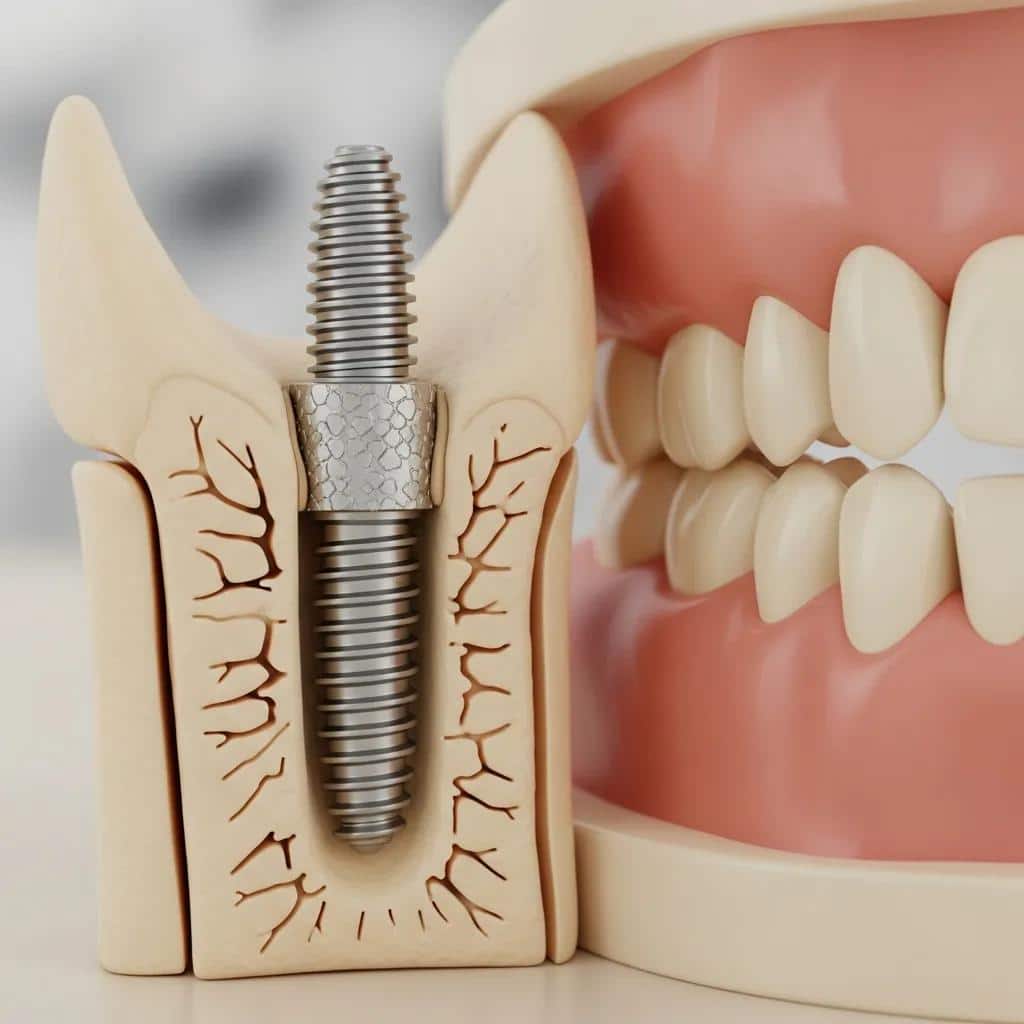
Most dental implants last decades because they osseointegrate—bone fuses to the implant surface—forming a stable base that handles normal chewing forces. When bone quality and surgical placement are good, implants behave much like natural tooth roots and can remain stable for many years. Expected lifespan varies with implant material, prosthetic design, and patient factors like oral hygiene and overall health. While many implants exceed 20 years, outcomes differ by person. Knowing these baseline expectations helps you focus on the things you can change to extend implant life and to choose materials and restorations that match your long-term goals.
How Long Do Dental Implants Typically Last?
With proper care and monitoring, implants commonly last 20+ years and in many cases a lifetime. Current research reports high survival at 10 years and good long-term retention when peri-implant tissues stay healthy. Longevity depends on fixture material (for example, titanium vs. zirconia) and clinical factors such as bone volume, surgical technique, and how the prosthesis is loaded. Large reviews of long-term follow-up show most modern implant systems perform very well in the medium term, although reported survival varies with study length and patient mix. In practice, plan for regular maintenance and treat implants as long-term solutions rather than short-term fixes.
20-Year Meta-Analysis of Dental Implant Survival Rates
A 20-year meta-analysis that reviews long-term implant survival offers practical insights for clinicians and highlights areas needing more research. It helps put realistic, evidence-based expectations around how implants perform over decades.
How far can we go? A 20-year meta-analysis of dental implant survival rates, B Al-Nawas, 2024
What Factors Determine the Lifespan of Dental Implants?
The lifetime of an implant comes down to surgical, biological, and behavioral factors. You can influence many of the most important ones. Key determinants include implant material and surface technology, the amount and quality of jawbone, surgical accuracy and prosthetic design, daily oral hygiene and smoking status, and systemic conditions like diabetes or osteoporosis. These factors interact—for example, low bone density increases reliance on surgical technique, while poor hygiene raises the risk of peri-implantitis regardless of placement quality. Knowing how these pieces fit together helps you and your clinician focus efforts where they most reduce the chance of long-term failure.
Metal-free option with favorable soft-tissue response
15–20+ years in selected cases
Implant-supported denture systems
Distributed load-bearing prosthesis
Fixture longevity depends on prosthetic upkeep; 15–25+ years for well-maintained fixtures
What Are the Key Factors Affecting Dental Implant Durability?
Implant durability reflects local oral health, your overall health, mechanical design, and ongoing maintenance. Addressing all four improves long-term success. Local issues—soft-tissue health and bone density—affect osseointegration and infection resistance. Systemic conditions such as uncontrolled diabetes or smoking reduce healing and raise failure risk. Mechanical aspects like prosthetic design, bite forces (occlusion), and bruxism change stress on the implant and surrounding bone, so restorations should aim for balanced loads. Lastly, maintenance—daily plaque control plus professional monitoring—prevents biological complications such as peri-implantitis and preserves structural support. Understanding these areas gives you practical steps to protect your implant.
How Does Oral Hygiene Impact Dental Implant Longevity?
Good oral hygiene is essential because plaque around implant crowns can cause peri-implant mucositis and, if unchecked, progress to peri-implantitis that destroys bone and undermines osseointegration. Daily mechanical cleaning, careful attention to the abutment and crown margins, and regular professional debridement lower bacterial biofilm and inflammation. Helpful tools include a soft-bristle toothbrush, correctly sized interdental brushes for crown margins, and a water flosser to dislodge debris. These remove plaque without harming soft tissues. Consistent home care reduces infection risk and creates a predictable environment for the implant to remain stable—paired with scheduled professional care, this is the foundation of long-term success.
Peri-implantitis: Prevention, Diagnosis, and Treatment Strategies
Peri-implant inflammation is a serious complication that affects soft and hard tissues and can lead to implant loss if not managed. Continuous check-ups, risk-factor control (for example, smoking, systemic disease, and history of periodontitis), and attention to implant surface characteristics help prevent problems. Conservative and surgical treatments are available depending on disease stage; early intervention is often effective. This review summarizes current prevention and treatment approaches practitioners can use to protect implants.
Definition, etiology, prevention and treatment of peri-implantitis–a review, O Jung, 2014
This list explains core hygiene practices patients should adopt:
Brush twice daily with a soft-bristle toothbrush to remove surface plaque and protect the gums.
Clean between teeth and around crown margins with an appropriately sized interdental brush each day.
Use a water flosser as an adjunct to help clear debris from peri-implant crevices.
Avoid abrasive toothpaste or aggressive scrubbing that can irritate tissues or damage restorations.
Consistent oral hygiene lowers inflammation and supports long-term implant stability by preventing destructive biofilm growth.
How Do Health and Lifestyle Choices Influence Implant Success?
Your health and habits affect both initial healing and long-term maintenance. Smoking reduces blood flow and impairs bone healing, raising failure risk. Poorly controlled diabetes increases infection risk and slows repair. Certain medications can affect bone turnover. Lifestyle steps—quitting smoking, keeping blood sugar under control, eating a balanced diet that supports bone health, and moderating alcohol—reduce biological risks and improve outcomes. Work with your dental and medical providers to manage chronic conditions and choose habits that protect your implant biologically and mechanically.
Key lifestyle actions to improve implant prognosis:
Quit smoking to improve healing and lower infection risk.
Manage blood sugar closely if you have diabetes, in coordination with your healthcare team.
Eat a nutrient-dense diet that supports bone health (calcium, vitamin D, protein).
Review medications that affect bone metabolism with your clinicians.
These steps strengthen the biological foundation needed for implants to integrate and last.
How Can You Properly Care for and Maintain Dental Implants?
Proper care blends a consistent daily routine, the right home-care tools, and scheduled professional visits. Together these practices reduce plaque-driven inflammation and help catch early problems. Daily care focuses on gentle but thorough biofilm removal, protecting the soft-tissue seal around the abutment, and avoiding habits that overload the implant. Professional cleanings and periodic X-rays let clinicians remove hardened deposits, check bone levels, and confirm prosthetic fit—allowing timely fixes that preserve the fixture. A coordinated home-and-clinic plan gives the best chance of long-term comfort and function.
What Is the Best Daily Care Routine for Dental Implants?
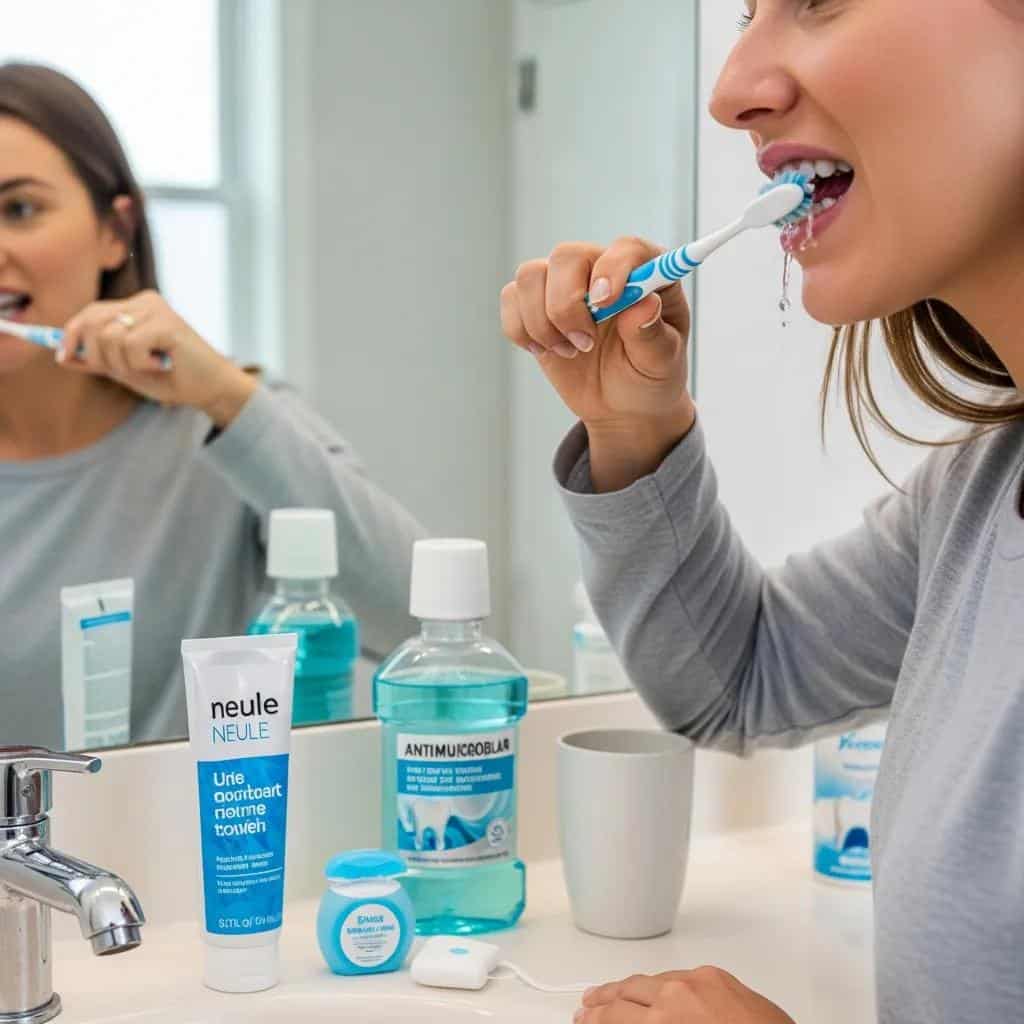
A simple, effective daily routine removes plaque without harming peri-implant tissues. Brush gently each morning and evening with a soft-bristle brush, cleaning all crown surfaces and nearby gum tissue. Use an interdental brush once a day to clear food and plaque where crowns meet gum lines. Finish with a water flosser to flush residual particles from the sulcus, and use an antimicrobial mouthwash only if your dentist recommends it. Avoid very hard or sticky foods that concentrate force on a single implant, and stop habits like nail-biting or chewing ice that can damage restorations.
Morning brushing: Soft-bristle brush for 2 minutes, covering all surfaces.
Interdental cleaning: Use an interdental brush daily at crown margins.
Adjunct flush: Water flosser to clean sulcus and contacts.
Evening routine: Repeat brushing and interdental cleaning before bed.
Behavior changes: Avoid hard foods and habits that add stress to implants.
Following this routine lowers plaque buildup and supports peri-implant health, preparing you for regular professional checkups.
Tool
Use-case
Benefit
Interdental brush
Cleaning around implant crown and abutment
Removes plaque in tight or hard-to-reach spaces
Water flosser
Flushing peri-implant sulcus and contacts
Displaces debris and reduces bacterial load
Soft-bristle toothbrush
Daily surface cleaning
Protects soft tissue while removing biofilm
Antimicrobial mouthwash (as advised)
Adjunctive microbial control
Helps lower inflammation when clinically recommended
Why Are Professional Cleanings and Regular Check-Ups Essential?
Professional maintenance matters because clinicians detect early bone changes, remove calculus around implants, and check prosthetic fit—tasks home care can’t fully handle. A typical maintenance visit includes visual and tactile checks of soft tissues, targeted cleaning of peri-implant areas, adjustments to prosthetic components if needed, and radiographs to monitor crestal bone. For many patients, six-month recalls work well, but people with higher risk (history of periodontitis, smokers, uncontrolled diabetes, or prior peri-implantitis) may need more frequent visits and focused cleaning. Regular surveillance catches small issues early and helps preserve implant longevity and function.
What professionals do during maintenance visits:
Assess soft-tissue health and check for inflammation or mucositis.
Remove hardened deposits or biofilm that home care can’t reach.
Inspect prosthetic components for fit, occlusion, and wear, making adjustments as needed.
Take or review radiographs periodically to monitor bone levels.
Routine professional care complements good home hygiene and ensures early issues are treated before they threaten the implant.
What Are Common Signs of Dental Implant Problems and When Should You Seek Help?
Spotting early signs of implant trouble lets your dentist act quickly to save the fixture and surrounding bone. Symptoms range from mild, reversible inflammation to red flags that require urgent care. Knowing the difference between short-lived soreness and serious signs speeds treatment and improves the chance of salvage. Below we list common symptoms, what they likely mean, and when to contact your dental team.
What Symptoms Indicate Potential Implant Failure?
Watch for persistent pain, swelling, pus or drainage, progressive gum recession that exposes the abutment, noticeable mobility of the prosthesis or fixture, or sudden changes in bite. Mobility is especially worrisome—an implant should not move, and movement suggests loss of osseointegration or a mechanical problem. Persistent or worsening pain or swelling often signals infection like peri-implantitis, which can cause bone loss if not treated. Early detection and clear distinction between normal postoperative discomfort and progressive signs allow timely clinical action.
Common symptoms and probable significance:
Persistent swelling or pus: Likely infection—seek prompt treatment.
Gum recession around implant: Can expose components and increase risk of complications.
Implant mobility: Suggests loss of osseointegration or mechanical failure.
Altered bite or prosthesis instability: May indicate prosthetic issues or bone changes.
Knowing these signs helps you decide whether to seek urgent care or schedule a routine visit, and reduces the chance of irreversible bone loss.
When Is It Crucial to Contact Your Dentist About Implant Issues?
Contact your dentist right away for implant mobility, severe swelling with fever or pus, unrelenting pain, or a suddenly loose crown or prosthesis—these can be signs of rapid bone loss or active infection needing immediate attention. For milder symptoms such as slight gum tenderness or brief sensitivity, arrange an appointment within a reasonable timeframe so your clinician can assess and recommend targeted care or intensified hygiene. Delaying care for red-flag signs increases the risk of losing bone support and makes future reconstruction more complex and costly. Quick communication and early intervention are the best defenses against implant failure.
Decision flow for contacting your dentist:
Emergency contact: Mobility, pus, severe persistent pain, or systemic symptoms (fever).
Timely appointment: Ongoing tenderness, progressive gum changes, or prosthetic looseness.
Routine check: Mild, stable sensitivity or general maintenance questions.
These tiers help you escalate appropriately and give the best chance of saving the implant and nearby bone.
How Do Dental Implant Success Rates and Longevity Statistics Inform Your Expectations?
Success rates give a statistical view that helps set realistic expectations. Contemporary literature often reports high medium-term survival. Pooled analyses commonly show around 95% or higher survival at 10 years for implants placed under favorable conditions. Long-term outcomes depend on maintenance and patient selection. Interpreting these numbers requires attention to study design, follow-up length, and how researchers define failure versus complication. High survival rates don’t replace active care—understanding what the statistics mean in practice helps you prioritize behaviors and follow-up that turn good averages into the best outcome for you.
What Are the Latest Success Rates for Dental Implants?
Recent aggregated data indicate many modern implant systems reach success rates near or above 95% at ten years in well-maintained patient groups. Reported numbers vary with follow-up duration, patient health, and whether the implants support single crowns or full-arch prostheses. “Success” usually means a functional, stable implant without progressive bone loss or infection; prosthetic repairs or minor complications can still occur. The takeaway: implants have a strong evidence base for durability, but individual factors and adherence to maintenance plans largely determine whether you enjoy decades of trouble-free function.
Dental Implant Longevity in Type IV Bone: A Systematic Review
This systematic review examines implant longevity in low-density (type IV) bone and identifies factors linked to survival rates. It draws from PubMed, Scopus, and Web of Science and includes studies with at least one year of follow-up. The findings help clinicians assess risks and choose strategies to improve outcomes in challenging bone conditions.
Supportive therapy and the longevity of dental implants: a systematic review of the literature, B Klinge, 2007
Study/Source
Follow-up Period
Reported Success Rate
Aggregated longitudinal reviews
5–10 years
~95%+ survival in selected cohorts
Clinical follow-up studies
10+ years
High survival with variable complication rates
Long-term cohort analyses
15+ years
Survival declines slightly but many fixtures remain functional
Which Factors Contribute Most to Long-Term Implant Success?
The top drivers of long-term success are, in order of impact: high-quality surgical and prosthetic planning, consistent oral hygiene plus professional maintenance, systemic health and lifestyle choices, and implant material or surface technology. Accurate placement and thoughtful prosthetic design optimize load distribution and soft-tissue seals, reducing mechanical stress and bacterial ingress. Daily plaque control and regular professional exams protect peri-implant tissues, while lifestyle changes—like quitting smoking and managing medical conditions—lower biological risk. Choosing appropriate implant systems supports these efforts, but planning and patient maintenance are the strongest predictors of longevity.
Top contributors and optimization steps:
Surgical/prosthetic planning: Use guided planning and restore with balanced occlusion.
Oral hygiene & maintenance: Establish a routine and keep scheduled recalls.
Systemic health management: Control diabetes, stop smoking, and support bone health.
Appropriate materials: Select fixtures that suit your anatomy and tissue needs.
Prioritizing planning and maintenance yields the biggest gains in long-term outcomes and aligns everyday care with what the data show about implant success.
Why Choose Affordable Dentist Near Me – Grand Prairie for Your Dental Implant Needs?
Affordable Dentist Near Me – Grand Prairie offers local implant and denture services with a patient-focused approach that lowers barriers to care while emphasizing comfort and experienced clinical attention. The Grand Prairie office provides dental implants and dentures and advertises a free dental implant consultation so you can discuss options and build a plan without an upfront consult fee. The clinic highlights everyday low fees to make care more approachable and offers patient-value items—such as a free whitening pen and complimentary laser whitening with cleaning, exam, and X-ray—that can make comprehensive care more affordable. These resources are meant to help you start planning implant treatment while learning what maintenance will be required for long-term success.
What Benefits Does Our Grand Prairie Clinic Offer for Implant Patients?
Our Grand Prairie team makes it easy to explore implant care by offering a free implant consultation and everyday low fees to reduce financial worry when planning treatment. We also provide value-focused promotions like a free whitening pen and complimentary laser whitening with qualifying services. Friendly, experienced dentists and staff support comfort during surgical and restorative phases, and the clinic’s high volume of reviews reflects active patient engagement. These offerings are designed to lower the barrier to starting treatment and to help you understand the upkeep needed for lasting results.
Clinic benefits summarized:
Free dental implant consult: Talk options and plan treatment without a consultation fee.
Everyday low fees: Designed to reduce financial barriers to care.
Patient-value promotions: Free whitening pen and complimentary laser whitening with qualifying services.
Experienced, patient-focused staff: Emphasis on comfort and clear communication.
By combining an accessible consult with helpful extras, the clinic helps patients begin a durable implant plan with transparent expectations about maintenance and longevity.
How Does Our Team Ensure Comfortable and Lasting Implant Care?
Our Grand Prairie team focuses on comfort and thorough restorative planning, pairing experienced clinicians with modern tools to optimize implant placement and follow-up care while keeping you informed at every step. Comfort starts with a clear consultation, covers restorative options that balance looks and function, and continues with follow-up protocols that protect peri-implant health. We use contemporary techniques and technologies to improve placement precision and prosthetic fit, which supports reliable osseointegration and lowers complication risk. The result is a coordinated approach that helps implants reach their expected lifespan through careful planning, skilled execution, and attentive maintenance.
How the clinic supports lasting care:
Experienced clinicians: Providers focused on predictable placement and restorative outcomes.
Modern approaches: Current tools and techniques to improve precision and fit.
Comfort-oriented care: Staff and processes designed to reduce anxiety.
Follow-up emphasis: Regular checks and maintenance plans tailored to implant needs.
These elements pair clinical reliability with patient-centered care to improve the odds that your implants remain functional for years.
How Can You Extend the Life of Your Dental Implants?
Extending implant life blends protective daily habits with targeted professional strategies that limit mechanical overload and biological threats. Simple measures—avoiding risky foods and habits, managing bruxism, and supporting bone health through nutrition and medical management—help a lot. Professional steps such as night guards for grinding, occlusal adjustments, and timely prosthetic repairs address mechanical causes, while regular periodontal surveillance and prompt treatment of mucosal inflammation reduce biological risk. A combined approach that tackles mechanical, biological, and behavioral factors gives the best chance of an implant serving you well for decades.
What Dietary and Lifestyle Habits Support Implant Durability?
Your diet and daily habits affect how forces reach implants and how surrounding tissues respond. Favor bone-healthy nutrients and avoid hard, brittle, or sticky foods to lower risk. Calcium, vitamin D, and adequate protein support bone remodeling and oral health, while avoiding chewing ice, hard candy, or using teeth as tools prevents concentrated stress on implants or crowns. Quitting tobacco and moderating alcohol improve tissue perfusion and healing, which helps preserve osseointegration. Small, consistent changes to diet and habits can have a big impact on implant longevity.
Dietary and habit recommendations:
Favor bone-supporting nutrients: Include calcium, vitamin D, and protein in your diet.
Avoid hard or sticky foods: Reduce the chance of excessive stress on implants and crowns.
Stop tobacco use: Improves healing and lowers infection risk.
Moderate alcohol: Supports overall recovery and tissue health.
These practical choices complement clinical maintenance and are easy, high-impact ways to protect your implant investment.
How Can You Manage Bruxism and Other Risk Factors?
Bruxism (grinding and clenching) puts repeated, excessive load on implants and restorations and should be treated proactively with occlusal appliances, stress-reduction techniques, and dental adjustments when needed to redistribute forces. A custom nightguard from your dentist reduces nighttime grinding forces on implant-supported restorations and helps prevent screw loosening, prosthetic damage, and bone microtrauma. Behavioral tools like relaxation exercises and treating sleep disorders can lower daytime clenching, and occlusal equilibration or prosthetic redesign can improve force distribution for vulnerable implants. Combining appliance therapy with regular follow-up provides a conservative, effective way to limit mechanical risk and extend implant life.
Practical bruxism management steps:
Use a nightguard: Protect implants and restorations from nocturnal forces.
Stress management: Reduce daytime clenching with relaxation techniques.
Occlusal adjustments: Fine-tune the bite to distribute forces evenly.
Regular monitoring: Check appliances and prosthetics for wear or problems.
Controlling bruxism and other mechanical risks helps protect both implant fixtures and restorations over time.
How to Schedule Your Free Dental Implant Consultation in Grand Prairie?
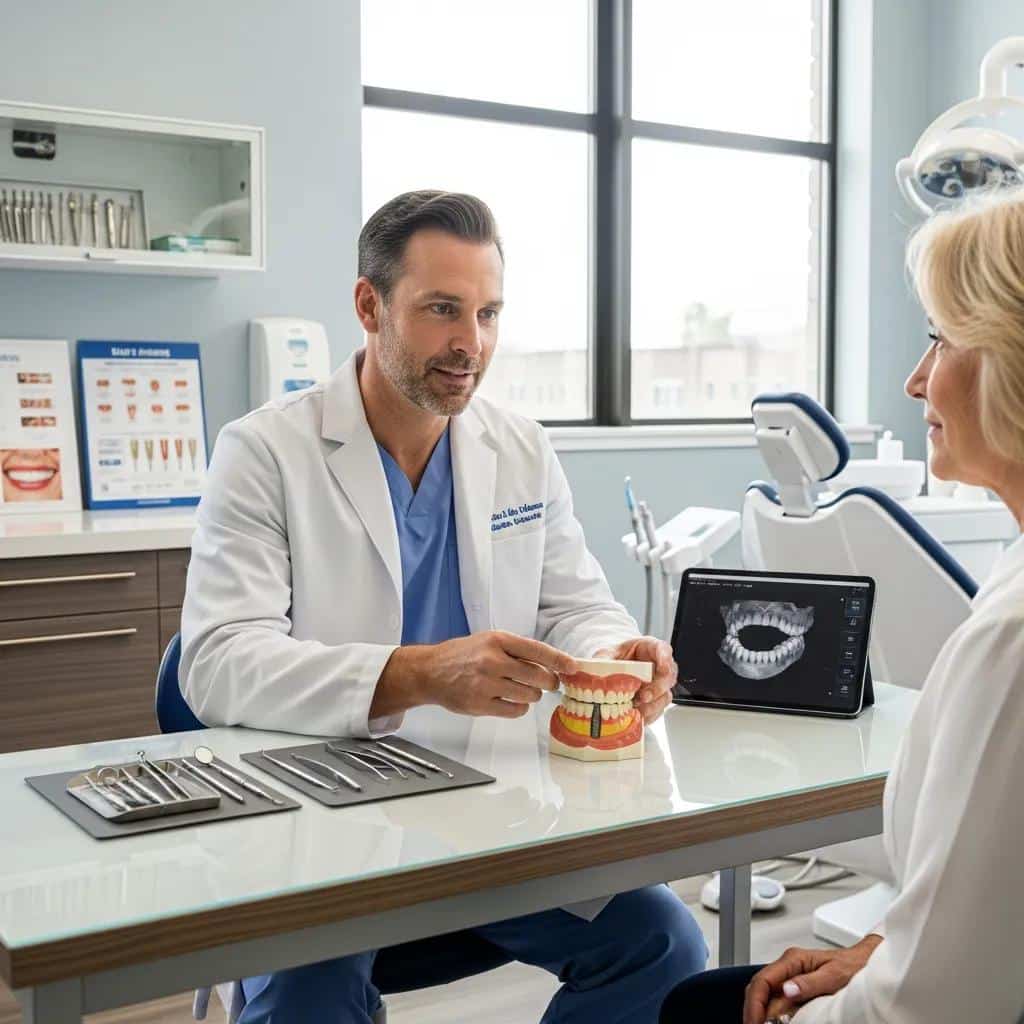
If you’re considering dental implants, scheduling a free implant consultation lets you get personalized guidance on options, expected lifespan, and a maintenance plan tailored to your health and habits. The free consult is a no-cost way to review candidacy, treatment paths, and financing before you commit to restorative work. Contact the Grand Prairie location to request the free implant consult—our team will explain what the visit includes and help you gather any records or imaging that streamline planning. Clear booking steps and expectations reduce uncertainty and help you make an informed decision about long-term implant care.
What to Expect During Your Free Implant Consult?
At your free implant consultation you’ll talk about goals, receive a clinical exam to check oral health and bone support, and get an overview of possible treatment plans including fixture and prosthetic options and maintenance needs. The consult typically covers your medical and dental history, a visual and tactile exam of the site, and imaging if required to assess bone volume and anatomy. Using that information, clinicians outline feasible solutions and explain how implant choice and aftercare affect longevity. The visit is also the time to ask about everyday low fees, value offers, and what to expect during treatment so you can match recommendations to your priorities.
Components of the consult:
History and goals: Discuss your medical background, expectations, and cosmetic concerns.
Clinical assessment: Examine soft tissue and teeth; evaluate the proposed implant site.
Treatment overview: Review options, timelines, and maintenance requirements.
Next steps: Plan any diagnostic imaging and outline follow-up appointments.
How to Book Your Appointment Easily Online or by Phone?
To book the free dental implant consult, use the Grand Prairie location’s appointment page or check the clinic’s online business listing, then request the free consult and pick a time that works for you. Mention the free implant consultation when booking so staff can prepare necessary forms and imaging. Bring a list of current medications and any relevant medical history to make your visit more efficient. If you have prior dental images or records, ask about transferring them to speed planning and avoid duplicate imaging. Booking a consult is the fastest way to start a personalized plan focused on implant longevity and maintenance.
Find the Grand Prairie location page or business listing to confirm appointment options.
Request the free dental implant consult when booking so the team can plan diagnostics.
Prepare medical history and a list of medications to bring to the appointment.
Bring prior dental imaging if available to help with efficient planning.
Ready to begin? Schedule your free dental implant consult at Affordable Dentist Near Me – Grand Prairie to review implant options, realistic longevity expectations, and a maintenance plan tailored to you. Our free consult and value offerings are designed to help you start a durable implant journey with clear guidance and support.
Frequently Asked Questions
What are the potential risks associated with dental implants?
Dental implants are generally safe and effective, but they carry some risks: infection at the implant site, possible nerve irritation, sinus complications for upper implants, and implant failure if osseointegration does not occur. Factors like smoking, uncontrolled diabetes, and low bone density raise these risks. Talk openly with your dentist about your medical history so the team can evaluate and reduce potential complications.
How can I tell if my dental implant is failing?
Warning signs include persistent pain, swelling, pus, noticeable movement of the implant or prosthesis, and changes in your bite. Gum recession around the implant or ongoing tenderness can also indicate trouble. If you notice any of these signs, contact your dentist promptly so they can evaluate and treat the issue before it worsens.
Are there specific foods I should avoid after getting dental implants?
Yes. In the early healing period avoid hard, crunchy, or sticky foods that could stress the implant or damage the restoration—examples include nuts, hard candy, and ice. Start with soft foods and gradually return to a normal diet as your clinician clears you. Always follow your dentist’s instructions for your specific case.
How often should I have professional cleanings after getting implants?
Most patients do well with professional cleanings every six months, but people with higher risk (history of gum disease, smoking, diabetes, or prior peri-implantitis) may need more frequent visits. Regular professional cleanings help maintain oral hygiene, monitor implant health, and catch problems early. Your dentist will recommend the best schedule for your situation.
Can dental implants be replaced if they fail?
Yes. If an implant fails, it can often be removed and replaced after the area heals. Success depends on the reason for the original failure, the condition of surrounding bone, and your overall health. Your dentist will evaluate options and recommend the best path forward for a successful replacement.
What is the role of bone density in dental implant success?
Bone density is critical for osseointegration—the implant’s fusion with the jawbone. Low bone density can increase the chance of complications or failure. If your bone is insufficient, your dentist may recommend bone grafting or other techniques to improve support before placing an implant. A thorough evaluation determines the right approach for your bone health.
How can I manage anxiety related to dental implant procedures?
Managing procedure-related anxiety starts with talking to your dentist about your concerns. Relaxation techniques—deep breathing, visualization, and mindfulness—can help. Sedation options are also available for those with significant anxiety. Discuss what makes you comfortable so the team can tailor care and create a calmer experience.
Conclusion
Knowing what affects dental implant longevity helps you make smart choices about care. By prioritizing good daily hygiene, regular professional maintenance, and healthy lifestyle habits, you can significantly extend the life of your implants. Take the next step by scheduling your free dental implant consultation—our Affordable Dentist Near Me – Grand Prairie team can help you plan a durable solution and a maintenance schedule that fits your needs.
What are the costs for wisdom teeth removal in Fort Worth?
The cost for wisdom teeth removal in Fort Worth can vary depending on factors like the complexity of the extraction, anesthesia used, and any additional procedures needed. On average, the cost ranges from $200 to $600 per tooth without insurance. It's recommended to consult with a dentist for an accurate estimate.
Can I get a free dental consultation in Fort Worth?
Yes, you can get a free dental consultation in Fort Worth at our dental practice. We offer free exams, X-rays, and consultations for new patients. Simply schedule an appointment at our Fort Worth location to take advantage of this offer and discuss your dental needs with our experienced team.
Do Fort Worth dentists offer financing options for treatment?
Yes, Fort Worth dentists offer financing options for treatment. Dental financing is available for services such as dental implants, braces, crowns, and more. Patients can inquire about payment plans and insurance coverage when scheduling appointments for comprehensive dental care.
Can I get a dentist near me to fix my broken tooth?
Yes, you can find a dentist near you to fix your broken tooth. Our dental practice has six locations, including Fort Worth, Houston, Dallas, Waco, Grand Prairie, and Crowley, offering services such as dental implants, restorative crowns, extractions, and more. Contact us for an appointment.
Who offers the cheapest dental implants in Fort Worth?
Our dental practice in Fort Worth offers affordable dental implants with various financing options available. Contact us for a consultation to discuss the cost and payment plans for dental implants tailored to your budget and needs.
Can I get a free consultation for cosmetic dentistry near me?
Yes, you can receive a free consultation for cosmetic dentistry near you at our dental practice. We offer complimentary consultations for cosmetic dental services, including teeth whitening, dental veneers, and more. Contact us to schedule your free consultation today.
Can I get a second opinion for cosmetic dentistry near me?
Yes, you can always seek a second opinion for cosmetic dentistry near you. It's common practice and can provide valuable insights. Simply schedule a consultation with another cosmetic dentist to discuss your options and ensure you're making an informed decision about your dental care.
How much does a teeth cleaning cost near me?
The cost of a teeth cleaning near you can vary depending on the location and specific dental practice. On average, a routine teeth cleaning can range from $75 to $200 without insurance. However, many dental offices offer discounts or packages that may lower the cost. It's best to contact your local dental office for accurate pricing information.
What is the cost of affordable cosmetic dentistry near my location?
For information on the cost of affordable cosmetic dentistry near your location, please contact our office directly at (817) 984-5419. We offer a range of cosmetic dental services, including teeth whitening, dental veneers, and Invisalign, and our team will be happy to provide you with detailed pricing information based on your specific needs.
Where can I find a low-cost dentist in Fort Worth?
You can find a low-cost dentist in Fort Worth at our dental practice, where we accept Medi-Cal, Medicare, and other health policies. We offer free exams, x-rays, and consultations, along with affordable dental services such as dental implants, braces, and more. Contact us for details.
How much does a dental cleaning cost in Fort Worth?
The cost of a dental cleaning in Fort Worth can vary depending on the dental office and any additional services needed. On average, a routine dental cleaning in Fort Worth can range from $75 to $200. It's recommended to contact the specific dental office for accurate pricing information.
What is the average cost of a dentist visit in Fort Worth?
The average cost of a dentist visit in Fort Worth can vary depending on the specific services needed, but generally, a routine exam and cleaning can range from $100 to $300 without insurance. Additional procedures like fillings, extractions, or x-rays may incur extra charges. It's recommended to check with the dental office for precise pricing.
Can I find an affordable dentist near me in Fort Worth?
Yes, you can find an affordable dentist near you in Fort Worth. Our dental practice accepts Medi-Cal, Medicare, and other health policies. We offer free exams, x-rays, and consultations. Services include dental implants, braces, and more. Contact us at (817) 984-5419 to schedule an appointment.
What are the prices for dental crowns in Fort Worth?
For information on the prices for dental crowns in Fort Worth, please contact our office directly at (817) 984-5419. Our team will be happy to provide you with detailed pricing information and answer any questions you may have regarding dental crown procedures in Fort Worth.
What are the cheapest cosmetic dentistry options available?
The cheapest cosmetic dentistry options available typically include teeth whitening, dental bonding, and composite fillings. These procedures can enhance the appearance of your smile without breaking the bank. Additionally, some dental offices offer discounts or financing options for cosmetic treatments.
Are there any dentists near me who speak my language?
We have a diverse team of dentists who speak multiple languages at our locations in Fort Worth, Houston, Dallas, Waco, Grand Prairie, and Crowley. Feel free to inquire about language options when scheduling your appointment for personalized care.
Who is the best affordable dentist in Fort Worth?
Our dental practice in Fort Worth offers affordable dental care, accepting Medi-Cal, Medicare, and other health policies. Services include dental implants, restorative crowns, orthodontics, and more. Patients praise our gentle care and professionalism.
Are there any free dental clinics in Fort Worth?
Yes, we offer a free exam, x-ray, and consultation at our dental clinic in Fort Worth. Additionally, we accept Medi-Cal, Medicare, and other health policies to provide affordable dental care to our patients.
Can I get a dental crown for under $500 in Fort Worth?
Dental crowns in Fort Worth typically cost between $800 to $1,500. However, some dental offices may offer discounts or payment plans that could bring the cost closer to $500. It's best to contact local dental practices directly to inquire about specific pricing and any available options for affordable dental crowns.
Can I get a payment plan for cosmetic dentistry near me?
Yes, payment plans for cosmetic dentistry are available at our dental practice locations near you. We offer financing options for various cosmetic dental procedures, including dental implants, teeth whitening, dental veneers, and more. Contact us to discuss payment plan options tailored to your cosmetic dentistry needs.
Are there any low-cost cosmetic dentistry alternatives?
Yes, our dental practice offers low-cost cosmetic dentistry alternatives, including dental crowns, teeth whitening, and dental veneers. We provide affordable options to enhance your smile without breaking the bank. Contact us for more information on cost-effective cosmetic dental treatments.
Can I get a same-day appointment with a dentist near me?
Yes, you can often get a same-day appointment with a dentist near you by calling our office. We strive to accommodate urgent dental needs promptly. Contact us at (817) 984-5419 to inquire about availability for a same-day appointment.
Do dentists near me have good reviews?
Yes, dentists near you have excellent reviews. Patients praise the staff's professionalism, gentle care, and welcoming environment. Services include dental implants, braces, and more. Locations in Fort Worth, Dallas, Waco, Grand Prairie, Crowley, and Houston offer comprehensive dental care.
What are the payment options for dentist services in Fort Worth?
We accept Medi-Cal, Medicare, and other health policies at our dental practice in Fort Worth. Additionally, we offer a Dental Discount Plan and provide free exams, x-rays, and consultations. Dental implants are available with $0 money down options. Contact us for more details on insurance and financing options.
Are there any affordable dental clinics near me?
Yes, we offer affordable dental care at our multiple locations in Fort Worth, Houston, Dallas, Waco, Grand Prairie, and Crowley. We accept Medi-Cal, Medicare, and other health policies. Contact us for a free exam, x-ray, and consultation.
Can I get a quote for cosmetic dentistry near me?
For a quote on cosmetic dentistry near you, please contact our office directly to discuss your specific needs and receive a personalized estimate. Our team is happy to provide information on cosmetic services, pricing, and financing options available to you. Contact us today for more details.
Do dentists near me accept my insurance?
Our dental practice accepts various insurances, including Medi-Cal, Medicare, and other health policies. We have locations in Fort Worth, Houston, Dallas, Waco, Grand Prairie, and Crowley. Contact us at (817) 984-5419 to inquire about your specific insurance coverage.
Are there any dentists near me who specialize in cosmetic dentistry?
Yes, we have dentists specializing in cosmetic dentistry at our locations in Fort Worth, Dallas, Waco, Grand Prairie, Crowley, and other areas. Our cosmetic dentistry services include dental veneers, teeth whitening, dental implants, and more. Contact us to schedule a consultation for cosmetic dental treatments near you.
How to find affordable cosmetic dentists in my area?
To find affordable cosmetic dentists in your area, consider the following steps:
Check if the dentist accepts your insurance or offers payment plans.
Look for special promotions or discounts on cosmetic procedures.
Read reviews and ask for recommendations from friends or family.
Compare prices and services offered by different cosmetic dentists in your area.
What are the average prices for dental fillings in Fort Worth?
The average prices for dental fillings in Fort Worth typically range from $100 to $300 per filling, depending on the type of filling material used and the complexity of the procedure. It's recommended to consult with a dentist for an accurate estimate based on individual needs.
What is the cost of teeth bonding near my location?
The cost of teeth bonding near your location can vary depending on the dental practice and specific needs. It's best to contact local dentists for accurate pricing information. Dental insurance or discount plans may help reduce costs. Consider scheduling a consultation for an exact quote.
What is the average cost of teeth whitening near me?
The average cost of teeth whitening near you can vary depending on the location and the type of treatment. On average, professional teeth whitening can range from $300 to $1,000. It's best to schedule a consultation with a dentist near you to get an accurate estimate based on your specific needs.
Do dentists near me offer orthodontic treatment?
Yes, dentists near you offer orthodontic treatment, including traditional braces and clear aligners. Services also include general dentistry, dental implants, restorative crowns, extractions, and more. Contact us for a free consultation to discuss your orthodontic needs.
What are the prices of veneers in my local area?
For information on the prices of veneers in your local area, please contact our dental office directly. Veneer costs can vary based on location, materials used, and individual treatment needs. Our team will be happy to provide you with detailed pricing information and answer any questions you may have regarding veneers.
How much does a dentist near me charge for a cleaning?
The cost of a dental cleaning near you can vary based on location and specific services needed. On average, a routine cleaning can range from $80 to $200 without insurance. However, it's best to contact the dental office directly for an accurate quote based on your individual needs.
Are there any discounts for cosmetic dentistry near me?
We offer a Dental Discount Plan that includes discounts for cosmetic dentistry services at our locations in Fort Worth, Dallas, Waco, Grand Prairie, Crowley, and Houston. Contact us for more information on the discounts available for cosmetic dental procedures near you.
What services do dentists near me offer?
Dentists near you offer a range of services, including general dentistry, dental implants, restorative crowns, periodontics, endodontics, orthodontics, extractions, and more. These services cater to various dental needs, ensuring comprehensive care for patients of all ages.
Can I get a dental exam without insurance in Fort Worth?
Yes, you can receive a dental exam without insurance in Fort Worth at our dental practice. We offer a free exam, x-ray, and consultation for new patients, providing access to quality dental care regardless of insurance coverage. Contact us to schedule your appointment.
Are there any dentists in Fort Worth that offer discounts?
Yes, there are dentists in Fort Worth that offer discounts. Our dental practice in Fort Worth accepts dental discount plans and provides various offers, including free exams, x-rays, and consultations. Contact us for more information on available discounts and promotions.
Are there any cheap cosmetic dentistry options near me?
Yes, we offer affordable cosmetic dentistry options at our locations in Fort Worth, Dallas, Waco, Grand Prairie, Crowley, and Houston. Our services include teeth whitening, dental veneers, and more. Contact us for detailed pricing and to schedule a consultation.
Are there any Fort Worth dentists that offer sliding scale fees?
Yes, our dental practice in Fort Worth accepts sliding scale fees for patients with financial constraints. We strive to make quality dental care accessible to all individuals, including those who may need assistance with payment options. Contact us for more information on our sliding scale fee structure.
What are the benefits of affordable cosmetic dentistry?
Affordable cosmetic dentistry offers benefits such as improved self-confidence, enhanced appearance, and the ability to correct dental imperfections without breaking the bank. It allows individuals to achieve a brighter smile and address aesthetic concerns at a budget-friendly cost, leading to overall satisfaction with their dental appearance.
How do I find the best affordable cosmetic dentist near me?
To find the best affordable cosmetic dentist near you, start by researching local dental offices that offer cosmetic services. Check reviews, inquire about pricing and payment options, and consider any current offers or discounts. Additionally, verify if the dentist accepts your insurance or offers financing plans for cosmetic procedures. Schedule a consultation to discuss your needs and budget with the dentist before making a decision.
Can I book an appointment with a dentist near me online?
Yes, you can book an appointment with a dentist near you online. Simply visit our website and use our online appointment scheduling tool to choose a convenient time slot at one of our six locations in Fort Worth, Houston, Dallas, Waco, Grand Prairie, or Crowley.
How affordable is teeth whitening in Fort Worth?
Teeth whitening in Fort Worth is affordable, with various financing options available. Our dental practice offers competitive pricing and promotions for teeth whitening services. Contact us for specific pricing details and current offers on teeth whitening in Fort Worth.
What Fort Worth clinics offer affordable orthodontics?
In Fort Worth, our dental clinics offer affordable orthodontic services, including traditional braces and clear aligners. We accept various insurance plans, including Medicaid and Medicare, to make orthodontic treatment accessible to all patients. Contact us for a free consultation to discuss your orthodontic needs and financing options.
Who does low-cost dental bonding in Fort Worth?
Low-cost dental bonding services in Fort Worth are provided by our dental practice. We offer affordable options for dental bonding procedures to help improve the appearance of teeth at a budget-friendly price point. Contact us for more information on our low-cost dental bonding services in Fort Worth.
Which dentist offers economical veneer treatments locally?
For affordable veneer treatments locally, consider our dental practice with locations in Fort Worth, Dallas, Waco, Grand Prairie, Crowley, and Houston. We offer economical veneer treatments along with a range of other dental services. Contact us for more information and to schedule a consultation.
Are same-day cosmetic dental services available nearby?
Yes, same-day cosmetic dental services are available at our dental practice locations in Fort Worth, Dallas, Waco, Grand Prairie, Crowley, and Houston. Contact us for more information and to schedule an appointment for immediate cosmetic dental services.
How much are Fort Worth pediatric dental visits?
Fort Worth pediatric dental visits typically range from $50 to $200 for a routine check-up and cleaning. Costs may vary based on additional services needed. It's recommended to contact the dental office directly for specific pricing information and to inquire about insurance coverage or payment plans.
Is emergency dental care available at reduced costs?
Emergency dental care is available at reduced costs at our dental practice. We accept various insurances, including Medicaid and Medicare, and offer a dental discount plan. Contact us for more information on affordable emergency dental services.
Do any local dentists offer inexpensive teeth cleanings?
Yes, local dentists may offer affordable teeth cleanings. It's recommended to inquire about pricing and any available discounts or payment plans. Consider contacting dental offices in your area to compare costs and find the best option for inexpensive teeth cleanings.
Which clinics provide discounted wisdom tooth extractions?
Discounted wisdom tooth extractions are available at our clinics in Fort Worth, Dallas, Waco, Grand Prairie, Crowley, and Houston. Contact us for more information on our affordable dental services.
Can I find budget-friendly dentures in Fort Worth?
Yes, budget-friendly dentures are available in Fort Worth at our dental practice. We accept various insurance plans, including Medicaid and Medicare, to help make dental care affordable for all patients. Additionally, we offer dental discount plans and financing options to assist with the cost of dentures.
Who provides cost-effective root canals in Fort Worth?
Our dental practice in Fort Worth offers cost-effective root canals as part of our comprehensive dental services. We accept various insurance plans, including Medicaid and Medicare, to make quality dental care accessible to all. Contact us for affordable root canal treatment in Fort Worth.
Are economical dental implants offered in my area?
Yes, we offer economical dental implants in your area. Our dental practice provides dental implants with $0 money down options. We accept various insurance plans, including Medi-Cal and Medicare, making quality dental care accessible and affordable for all. Contact us for more information on our affordable dental implant options.
Which Fort Worth dentists provide sliding fee scales?
Fort Worth dentists that provide sliding fee scales include those at our dental practice. We accept Medi-Cal, Medicare, and other health policies, ensuring affordable dental care for all. Contact us for more information on our sliding fee scale options.
Where to get affordable cosmetic braces locally?
For affordable cosmetic braces locally, visit our dental practice in Fort Worth, Dallas, Waco, Grand Prairie, Crowley, or Houston. We offer clear aligners and traditional braces as part of our orthodontic services. Contact us for a consultation and learn about our financing options.
cheap dentist arlington tx, affordable dentist arlington tx, affordable dentist on meadowbrook, affordable cosmetic dentistry near me, dentist near me, cheap dentist near me, dentist, affordable dentist, affordable dentist near me, affordable dental care
Providing Affordable Dental Care for Everyone
At our dental practice, we believe that quality dental care should be accessible to everyone, regardless of their financial situation. That's why we offer a range of affordable services, including free exams, consultations, and x-rays. Whether you need a simple cleaning or complex restorative work, we have options that fit your budget and insurance coverage.
Our team of skilled dentists and friendly staff are dedicated to providing exceptional care in a comfortable and welcoming environment. We understand that visiting the dentist can sometimes be intimidating, so we strive to make every patient feel at ease and well taken care of. With locations in Fort Worth, Houston, Dallas, Waco, Grand Prairie, and Crowley, we are here to serve as your dental home for all your oral health needs.